Do Betta Fish Need a Special Tank Setup for Healthy Living

Do betta fish need a special tank? Yes, they absolutely do. While they can survive in small bowls, they thrive in a properly sized, filtered, and heated aquarium that mimics their natural environment. A special tank setup means providing the right space, clean water, and stable temperature to keep your betta vibrant and healthy. Skipping these basics leads to stress, disease, and a much shorter lifespan. Let us walk you through exactly what your betta needs to live a full, active life.
Key Takeaways
- Minimum tank size matters: Aim for at least 5 gallons to give your betta room to swim and reduce water quality issues.
- Filtration is essential: A gentle filter keeps water clean without creating strong currents that stress your fish.
- Heating is non-negotiable: Bettas are tropical fish and need a stable temperature between 76-82F.
- Water quality beats fancy decor: Clean, dechlorinated water matters far more than ornaments or colored gravel.
- Tank mates require caution: Bettas can live with peaceful species, but compatibility depends on temperament and tank size.
- Regular maintenance prevents disease: Weekly water changes and filter cleaning keep your betta healthy long-term.
- Enrichment improves wellbeing: Plants, hiding spots, and gentle lighting reduce stress and encourage natural behavior.
📑 Table of Contents
- Do Betta Fish Need a Special Tank Setup?
- Why Tank Size Matters for Your Betta
- Filtration and Water Flow Requirements
- Temperature and Heating Needs
- Water Quality and Tank Maintenance
- Decor, Plants, and Enrichment
- Tank Mates and Community Setup
- Feeding and Care Habits That Support a Healthy Tank
- Expert Insights and Quick Tips
Do Betta Fish Need a Special Tank Setup?
Many new owners ask the same question when they bring home their first betta. Do betta fish need a special tank? The short answer is yes. These colorful fish are often sold in tiny cups, which makes people think they live happily in small spaces. That is a myth. In the wild, bettas live in shallow rice paddies, slow-moving streams, and warm wetlands. They have room to explore, clean water, and steady warmth. Your home aquarium should reflect those basics.
A special tank setup does not mean expensive gear or complicated equipment. It means meeting a few simple needs. Give your betta enough space. Keep the water clean with a gentle filter. Maintain a warm, stable temperature. Add safe plants or hiding spots. These steps create a healthy environment where your fish can show off its true colors and active personality. When you get these basics right, you will notice a calmer, brighter, and more engaged betta.
Why Tank Size Matters for Your Betta
Tank size is the biggest factor in betta health. Small bowls look cute, but they cause big problems. Stale water builds up fast in tiny volumes. Temperature swings happen quickly. Your fish has nowhere to escape if it feels stressed. A larger tank gives you a more stable environment and makes routine care much easier.
How Much Space Does a Betta Really Need?
The bare minimum is 5 gallons. That size gives your betta room to swim and keeps water parameters more stable. Larger tanks are even better if you have the space and budget. Many owners wonder do betta fish like a lot of space. The answer is yes, they appreciate room to patrol their territory and explore. A bigger tank also makes it easier to add a gentle filter and a heater without crowding the setup.
Benefits of a Larger Aquarium
– More stable water temperature
– Easier maintenance and water changes
– Better filtration performance
– Room for safe plants and decor
– Less stress for your fish
A larger tank does not need to be huge. A 10-gallon aquarium is a sweet spot for many beginners. You might ask do betta fish like 10 gallon tank setups. Most do, because the extra water volume buffers temperature and water quality changes. It also gives you flexibility for future upgrades, like adding a simple planted layout or a compatible tank mate.
Filtration and Water Flow Requirements
Clean water is the foundation of a healthy betta. A filter removes waste, breaks down harmful compounds, and keeps the tank cycling properly. Some people worry that filters create too much current. Bettas prefer calm water, so the trick is choosing the right filter and adjusting the flow.
Choosing the Right Filter
You do not need a powerful motor. A sponge filter, a gentle hang-on-back filter, or a small internal filter works well. The goal is light movement, not a rushing stream. If your betta struggles against the current, baffle the output with a sponge or adjust the flow setting. You may also want to read do betta fish have to be in a filtered tank to understand why filtration matters even in smaller setups.
Signs Your Filter Is Too Strong
– Your betta is pushed around or cannot swim comfortably
– Plants constantly bend or shake
– Debris swirls instead of settling
– Your fish hides near the bottom or behind decor
A gentle flow keeps oxygen levels healthy and waste under control. It also helps your betta feel secure. When the water moves too much, stress goes up and activity goes down. Keep it mild, and your fish will show its natural behavior.
Temperature and Heating Needs
Bettas come from warm tropical waters. They do best in a steady temperature range. Cold water slows their metabolism, weakens their immune system, and makes them lethargic. A heater is not optional if you want a thriving betta.
Ideal Temperature Range
Keep the water between 76 and 82F. A stable mid-range temperature is ideal. Sudden drops are harmful, so avoid placing the tank near drafty windows or cold vents. Many owners check do betta fish bowls need a heater and learn that even small containers benefit from steady warmth. A reliable heater with a thermometer gives you peace of mind.
Heater Tips for Beginners
– Choose a submersible heater with an adjustable thermostat
– Use a separate thermometer to verify the temperature
– Place the heater near a filter output for even heat distribution
– Avoid oversized heaters in small tanks
– Check the temperature after water changes
Temperature stability matters just as much as the number on the thermometer. A well-heated tank supports digestion, activity, and overall vitality. Your betta will swim more, flare less from stress, and maintain better color.
Water Quality and Tank Maintenance
Water quality affects everything. A beautiful tank with poor water will still make your betta sick. Good maintenance keeps ammonia, nitrite, and nitrate in check. It also prevents cloudiness, odors, and algae outbreaks.
Cycling Your Tank
Before adding your betta, cycle the tank. This means building a beneficial bacteria colony that processes waste. You can use a fishless cycle with a small ammonia source or add a starter culture. Test the water regularly until ammonia and nitrite read zero and nitrate stays low. This step is one of the most important parts of a special tank setup.
Routine Care Checklist
– Test water weekly for ammonia, nitrite, nitrate, and pH
– Change 20 to 30 percent of the water each week
– Vacuum the substrate gently to remove waste
– Rinse filter media in old tank water, not tap water
– Trim plants and remove decaying leaves
– Wipe algae from the glass as needed
Some owners ask do betta fish have to have special water. You do not need bottled or exotic water. You need dechlorinated tap water that matches your betta temperature and is free of chlorine or chloramine. A good water conditioner handles that step. Consistency and cleanliness matter more than fancy water types.
Common Water Mistakes
– Using soap or harsh chemicals to clean the tank
– Changing 100 percent of the water at once
– Adding cold water during a partial change
– Ignoring test results until the fish looks sick
– Overfeeding, which fouls the water quickly
Avoid these pitfalls, and your tank will stay clear and safe. A clean tank also makes it easier to spot early signs of trouble, like clamped fins or reduced appetite.
Decor, Plants, and Enrichment
A bare tank is not a happy tank. Bettas enjoy places to rest, hide, and explore. Enrichment reduces boredom and stress. It also gives your fish a sense of security. You do not need a jungle, but a few thoughtful additions go a long way.
Safe Plants and Hiding Spots
Live plants are excellent because they absorb nitrates and provide cover. Java fern, anubias, and floating plants work well in betta tanks. Silk plants are a good alternative if you want low maintenance. Avoid sharp plastic plants that can tear fins. Soft leaves and smooth edges are best. You may also want to explore do betta fish have things inside their tank to see which items are helpful and which ones to avoid.
Lighting and Day-Night Rhythm
Bettas do not need bright light all day. A moderate light cycle of 8 to 10 hours works well. Too much light can encourage algae and stress some fish. Too little light makes plants struggle and leaves the tank looking dull. A consistent schedule helps your betta settle into a natural rhythm. If you are curious about light needs, check do betta fish always need light for a closer look at daily lighting balance.
Enrichment Ideas
– Add a smooth cave or ceramic hide
– Use floating plants for shade and resting spots
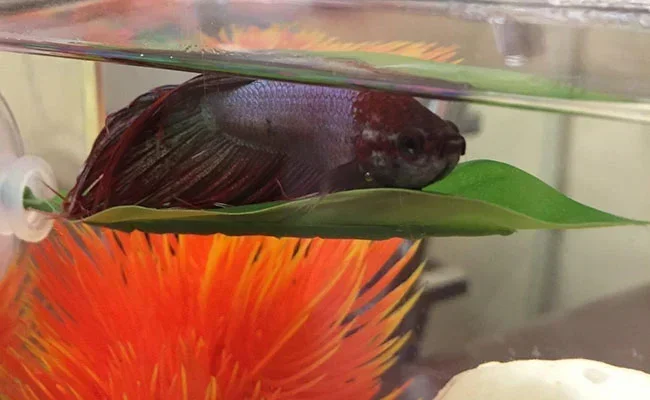
– Place a soft leaf hammock near the surface
– Rotate safe decor occasionally for novelty
– Keep the layout simple so the fish can navigate easily
A well-decorated tank looks better and supports healthier behavior. Your betta will rest more comfortably and show more confident movement. Enrichment is a simple way to improve quality of life.
Tank Mates and Community Setup
Bettas are often kept alone, but they can live with compatible tank mates in the right setup. The key is temperament, space, and careful observation. Aggressive or fin-nipping species create stress. Overcrowding causes competition and poor water quality.
Good and Bad Tank Mates
Peaceful, non-fin-nipping fish are the safest choices. Small schooling species can work in a larger tank with plenty of cover. Avoid fish that chase, nip, or look similar to rival bettas. Also avoid species that need very different water conditions.
Comparison Table: Solo vs Community Tank
| Factor | Solo Betta Tank | Community Tank |
|---|---|---|
| Space needed | 5 gallons minimum | 20 gallons or more |
| Compatibility risk | None | Moderate, needs research |
| Water stability | Easier to manage | More bio load to handle |
| Behavior watching | Clear view of betta | More activity, more variables |
| Best for beginners | Yes | Only after experience |
If you are thinking about pairing fish, read can you put two betta fish in a tank together before making a move. Male bettas should not share a tank with other males. Some females can be kept in carefully managed groups, but that setup is advanced. When in doubt, start with a solo tank and add complexity later.
Feeding and Care Habits That Support a Healthy Tank
A healthy tank is not just about equipment. Daily habits matter too. Feeding the right amount keeps water clean and your betta fit. Overfeeding is a common cause of cloudy water and poor health.
Feeding Basics
Offer small portions once or twice a day. Your betta should finish the food in a few minutes. Vary the diet with quality pellets and occasional frozen or live treats. If you want to learn more, see do betta fish have treats for a snack for safe snack ideas. Young bettas have different needs, so check do baby betta fish need special food if you are raising fry.
Signs of a Healthy Betta
– Bright, vibrant color
– Smooth, upright fins
– Active swimming and exploration
– Steady appetite
– Comfortable resting near the surface or plants
Signs Something Is Wrong
– Clamped fins or faded color
– Hiding all day with little movement
– Gasping at the surface
– Bloating or a very thin body
– Erratic swimming or balance issues
If you notice problems, test the water first. Most health issues start with poor water or temperature stress. Fix the environment, then adjust feeding and observe. A stable tank helps your betta recover faster.
Expert Insights and Quick Tips
A special tank setup is really about consistency. Keep the water clean. Keep the temperature steady. Give your betta space and gentle flow. Add a few safe hiding spots. Watch your fish daily and act early if something changes. These habits beat fancy gear every time.
Quick Tips
– Start with a 5-gallon tank or larger
– Use a gentle filter and a reliable heater
– Dechlorinate all new water
– Test water weekly
– Feed small portions and remove leftovers
– Add live or silk plants for cover
– Keep lighting on a regular schedule
– Avoid sharp decor and strong currents
Common Mistakes to Avoid
– Using a bowl without a heater or filter
– Placing the tank in direct sun or near drafts
– Changing all the water at once
– Cleaning filter media with tap water
– Overstocking the tank too soon
– Ignoring test results until the fish looks sick
A calm, simple routine works best. You do not need to overcomplicate the setup. Focus on the basics, and your betta will reward you with color, activity, and a longer life.
Key Takeaways
– A special tank setup means proper size, clean water, steady warmth, and safe decor.
– Five gallons is the practical minimum, and larger tanks are easier to manage.
– Gentle filtration and a heater are essential for health and stability.
– Water quality and routine maintenance matter more than decorative extras.
– Tank mates are optional and require careful planning.
– Daily observation helps you catch problems early.
Frequently Asked Questions
Do betta fish need a special tank setup to survive?
They can survive in a basic container, but they need a special tank setup to truly thrive. A filtered, heated, and properly sized tank keeps water stable and reduces stress.
What size tank is best for a betta fish?
A 5-gallon tank is the practical minimum, and larger tanks are even better for stability. More water volume makes temperature and water quality easier to manage.
Do betta fish need a heater in their tank?
Yes, bettas are tropical fish and need warm, steady water. A heater helps maintain the ideal range and supports healthy metabolism and immunity.
Can betta fish live in a bowl without a filter?
They can live briefly in a bowl, but poor water quality and temperature swings make it a bad long-term choice. A small filter and heater improve health dramatically.
Do betta fish need special water to stay healthy?
They do not need exotic water, but they do need dechlorinated water at the right temperature. Clean, conditioned tap water is usually the best choice.
Can you put other fish in a betta tank?
Sometimes, but only with peaceful species and enough space. Compatibility depends on temperament, tank size, and careful observation of behavior.