How to Sex Betta Fish and Spot Gender Differences Easily
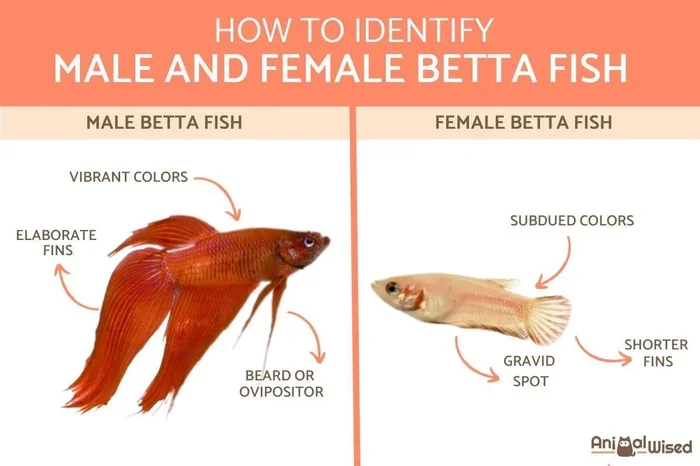
Knowing how to sex betta fish helps you provide better care and avoid unexpected breeding. Male and female bettas show clear physical differences in fin size, body shape, and color intensity. This guide walks you through simple visual checks so you can confidently identify your fish.
This is a comprehensive guide about how to sex betta fish.
Key Takeaways
- Body shape differs: Males are longer and leaner, while females are shorter and wider.
- Fin size is a key clue: Males have long, flowing fins, whereas females have shorter, rounded fins.
- Egg spot confirms females: A small white dot near the belly indicates a mature female.
- Color intensity varies: Males often display brighter colors, especially during flaring.
- Behavior hints at gender: Males build bubble nests and flare more often than females.
- Young fish are harder to sex: Wait until bettas reach 2-3 months for clearer signs.
- Proper identification prevents stress: Knowing gender helps you house fish safely and plan care.
[FEATURED_IMAGE_PLACEHOLDER]
How to Sex Betta Fish and Spot Gender Differences Easily
If you have ever stared at your betta fish and wondered whether it is a boy or a girl, you are not alone. Many new keepers ask how to sex betta fish because the answer is not always obvious at first glance. The good news is that once you know what to look for, the differences become much easier to spot.
Sexing your betta matters more than you might think. Males and females have different care needs, behavior patterns, and tank requirements. If you plan to breed them or simply want to avoid stressful mistakes, identifying gender early helps you make smarter choices. It also keeps your fish healthier because you can adjust feeding, tank setup, and tank mates with confidence.
In this guide, I will walk you through the most reliable ways to tell male and female bettas apart. We will look at body shape, fins, color, behavior, and those little details that beginners often miss. By the end, you will feel much more confident about how to sex betta fish without guessing.
Understanding the Basics of Betta Sexing
Before we dive into the visual clues, it helps to understand why male and female bettas look different in the first place. In the wild, these differences support mating, territory, and survival. In captivity, those same traits still show up, even in fancy pet store fish.
Male bettas are usually the showy ones. They tend to have longer fins, brighter colors, and a more dramatic appearance. Females are often subtler, with shorter fins and a rounder body shape. That said, some females can be colorful too, so color alone is not enough when you learn how to sex betta fish.
Why Gender Matters for Care
Knowing the gender of your betta can change how you set up the tank. Males are often kept alone because they can be aggressive toward other males. Females can sometimes live in groups, though they still need careful introductions and enough space. If you want to explore that idea, you may find it useful to read more about whether bettas need to be kept alone.
Gender also matters if you ever want to breed your fish. Breeding is not required for a happy betta, and many pet bettas live long, healthy lives without ever mating. If you are curious about that topic, you can check out whether bettas have to mate before making any plans.
When Sexing Is Easy and When It Is Hard
Adult bettas are usually easier to identify than juveniles. Young fish have not fully developed their fins or body shape, so the signs can be vague. If your fish is still small, patience pays off. As it grows, the differences become clearer.
Another tricky part is that some female bettas can look surprisingly masculine, especially certain fancy varieties. That is why it is best to use several clues instead of relying on just one feature. A careful eye will serve you better than a quick guess.
Key Physical Differences Between Male and Female Bettas
The most reliable way to learn how to sex betta fish is to compare physical traits side by side. Body shape, fins, and belly area all give useful clues. When you combine these signs, your accuracy improves a lot.
Body Shape and Size
Male bettas often have a longer, more streamlined body. They can look sleeker and more angular, especially along the sides. Females usually have a shorter, wider body, which can make them appear a bit rounder.
This difference becomes easier to see when the fish is viewed from above. A female may look slightly broader across the middle, while a male often looks more torpedo-shaped. Of course, body shape is not a perfect test on its own, but it is a strong starting point.
Fin Length and Shape
Fins are one of the easiest clues for many keepers. Males often have long, flowing fins that trail behind them as they swim. Their pectoral fins may also look more pronounced. Females usually have shorter fins that appear more compact and rounded.
If you are comparing two fish, fin length can be a helpful hint. Still, some females can have decent fin length depending on their variety, so use this clue along with other signs. When in doubt, look at the whole fish rather than one feature alone.
The Belly and Egg Spot
One of the most trusted signs of a female betta is the egg spot. This is a small, pale dot located near the belly, close to the ventral area. It is part of the female reproductive anatomy and can be a very useful clue when you are figuring out how to sex betta fish.
Females may also show a slightly fuller belly, especially when they are mature. Males generally have a flatter belly line. If you see a clear egg spot and a rounder lower body, there is a good chance you are looking at a female.
Color, Behavior, and Other Helpful Clues
Physical traits are important, but behavior and color can also help. These signs are not always definitive, but they add useful context. Think of them as supporting evidence rather than the whole story.
Color Intensity and Flaring
Male bettas often display stronger color intensity, especially when they feel confident. They may also flare more often, spreading their gill cover and showing off their fins. This behavior can make them look even more dramatic.
Females can be colorful too, but they usually flare less aggressively. If your fish frequently puffs up and shows off, that may point toward a male. If it stays calmer and rarely flares, it may be a female. Still, personality varies, so do not rely on behavior alone.
Bubble Nest Building
Bubble nests are another clue many people notice. Males are the ones who usually build these nests at the water surface when they are ready to breed. The nest looks like a cluster of tiny bubbles held together by saliva.
Seeing a bubble nest does not automatically mean your fish is male in every single case, but it is a strong hint. If your betta is regularly making nests, that behavior leans male. For more context on breeding behavior, you might want to explore whether betta eggs need to be fertilized.
Activity and Temperament
Some keepers notice that males seem more territorial, while females may be a bit less confrontational. Again, this is not a perfect rule. Individual personality matters a lot.
A better approach is to combine temperament with physical features. If a fish is aggressive, brightly colored, and has long fins, it is probably a male. If it is calmer, rounder, and shows an egg spot, it is more likely a female.
Common Mistakes When Learning How to Sex Betta Fish
Even experienced keepers can make mistakes if they rush. Sexing is easier when you stay patient and look at multiple signs. Here are some common pitfalls to avoid.
Relying on Color Alone
Color is tempting because it is easy to see. But a bright female can look just as vivid as a male in some cases. So if you only judge by color, you may misidentify your fish.
A better habit is to check fin shape, body outline, and the belly area too. That combination gives you a much stronger answer.
Confusing Young Fish
Juvenile bettas can be especially confusing. Their fins may not be fully grown, and their body shape may not be set yet. If you try to sex a very young fish too early, you may get a shaky result.
It is usually better to wait until the fish matures a bit. As the fins develop and the body fills out, the clues become clearer.
Assuming All Long-Finned Fish Are Male
Long fins are a strong male clue, but not a guaranteed one. Some females can have longer fins than expected, especially in certain bred lines. If you assume every long-finned fish is male, you may be wrong.
Always look for the egg spot and body shape as well. Those details often settle the question.
Practical Tips for Accurate Betta Sexing
If you want to get better at how to sex betta fish, a few simple habits help a lot. Good lighting, a calm fish, and a careful look make a big difference.
Use Good Lighting and a Clear View
Try observing your betta in bright, natural-like light. Shadows can hide important details like the egg spot or fin shape. A clear tank wall or a gentle container view can help you see the fish more clearly.
Do not stress the fish by chasing it around the tank. A calm fish shows its features better than a frightened one.
Compare Multiple Traits
Instead of choosing one sign, compare several. Look at the fins, body shape, belly, color, and behavior together. The more clues that point the same way, the more confident you can be.
This approach is especially helpful when the fish is borderline. Sometimes the answer only becomes clear when you put the pieces together.
Keep Notes If You Are Unsure
If you are still unsure, take note of what you see and check again later. As the fish grows, new features may appear. A small observation log can help you track changes over time.
This is especially useful if you have several bettas and want to keep track of them. It can also help you notice health or behavior changes later on.
Care Considerations After You Know the Gender
Once you know whether your betta is male or female, you can fine-tune its care. That does not mean the basics change completely, but some details matter more depending on gender.
Tank Setup and Social Needs
Males are often kept in their own tanks because they can react strongly to other males. If you want to understand that better, it may help to read more about whether bettas have to be kept alone. Females can sometimes be kept in groups, but introductions must be done carefully.
No matter the gender, your betta still needs clean water, stable temperature, and a tank that fits its size and activity. Good housing matters more than fancy decorations.
Water Quality and Maintenance
All bettas benefit from steady water conditions. Regular water changes help keep the environment healthy and reduce stress. If you are new to maintenance, you may find it useful to learn whether bettas need water changes and whether they need a filtered tank.
Good water care supports brighter color, better behavior, and a healthier fish overall. It is one of the simplest ways to help your betta thrive.
Feeding and General Health
Bettas do best on a varied diet that suits their needs. You may wonder whether betta food can be used for other fish or whether other foods are safe for bettas. The right diet depends on the fish, so it is worth checking before sharing food across species.
A healthy betta is easier to observe and easier to sex accurately too. When fish are stressed or unwell, their appearance can change, making identification trickier.
Final Thoughts on How to Sex Betta Fish
Learning how to sex betta fish gets much easier once you know which features matter most. Body shape, fin length, belly appearance, color, and behavior all give useful clues. The egg spot is especially helpful when it is visible, and long flowing fins often point toward a male.
The best approach is to look at the whole picture instead of one sign. Young fish can be harder to identify, and some females can be surprisingly colorful or finned. Patience and careful observation will save you from a lot of guesswork.
Once you know the gender, you can make better choices about tank setup, companions, and daily care. That means less stress for your fish and more confidence for you. With a little practice, spotting the differences becomes second nature.
Question?
How can I tell if my betta fish is male or female?
Look at the fins, body shape, and belly area together. Males usually have longer fins and a sleeker body, while females are often rounder and may show a small egg spot near the belly.
Question?
Is color enough to identify a betta fish gender?
No, color alone is not reliable. Some females can be very colorful, so it is better to check fins, body shape, and the egg spot as well.
Question?
Can juvenile bettas be sexed easily?
Not always. Young bettas may not have fully developed fins or body shape, so it is often easier to wait until they mature a bit more.
Question?
Do female bettas ever build bubble nests?
Bubble nests are usually associated with males, especially when they are ready to breed. If you see a nest, it is a strong hint, but it is still best to check other physical traits too.
Question?
Why does knowing the gender of my betta matter?
Gender can affect tank setup, social housing, and breeding plans. It also helps you understand behavior and provide more suitable care for your fish.
Question?
What is the easiest sign to look for first?
The egg spot and fin length are often the easiest starting points. If you see a small pale spot near the belly and shorter fins, the fish is more likely female.
Frequently Asked Questions
What is how to sex betta fish?
how to sex betta fish is an important topic with many practical applications.