Can African Dwarf Frog Live with Betta Fish
Wondering if a African dwarf frog can share a tank with your betta fish? In most cases, a carefully monitored community setup can work, but you must match water parameters, provide plenty of hiding spots, and watch for aggression. Follow our step‑by‑step guide to create a peaceful home for both species.
Key Takeaways
- Similar water needs: Both species thrive in warm (75‑80°F) and slightly acidic to neutral water.
- Size matters: Keep frogs smaller than the betta’s mouth to prevent accidental predation.
- Tank size is crucial: A minimum of 10‑20 gallons gives enough space for territories.
- Provide plenty of cover: Live plants, driftwood, and caves reduce stress for both frog and fish.
- Monitor behavior daily: Early signs of stress or aggression mean it’s time to separate them.
- Feeding must be separate: Frogs need protein‑rich foods; bettas need pellets or frozen treats.
- Regular water checks: Ammonia, nitrite, and nitrate levels must stay low for the sensitive skin of the frog.
📑 Table of Contents
- Introduction: A Curious Pair
- 1. Understanding the Basics of Each Species
- 2. Compatibility Verdict: When Can They Co‑Exist?
- 3. Setting Up the Perfect Tank
- 4. Introducing the Frog and Betta
- 5. Daily Care and Long‑Term Management
- 6. Alternatives and When to Keep Them Separate
- Conclusion: Making an Informed Decision
Introduction: A Curious Pair
If you’ve ever watched a bright‑blue betta flare its fins and wondered how a tiny, translucent African dwarf frog would react, you’re not alone. Both animals are popular among hobbyists because they’re small, relatively low‑maintenance, and add personality to a community tank. However, the question “can African dwarf frog live with betta fish?” isn’t a simple yes or no. It depends on water conditions, tank size, temperament, and how you manage the environment.
In this guide we’ll break down everything you need to know before you mix these two species. From the science of their natural habitats to practical set‑up tips, you’ll walk away with a clear plan for a harmonious aquarium—or the confidence to keep them separate if needed.
1. Understanding the Basics of Each Species
1.1 African Dwarf Frog – A Miniature Aquatic Amphibian
African dwarf frogs (Hymenochirus spp.) are fully aquatic amphibians native to the slow‑moving streams and swamps of Central Africa. They never leave the water, breathing through their skin and a small pair of lungs. Key facts:
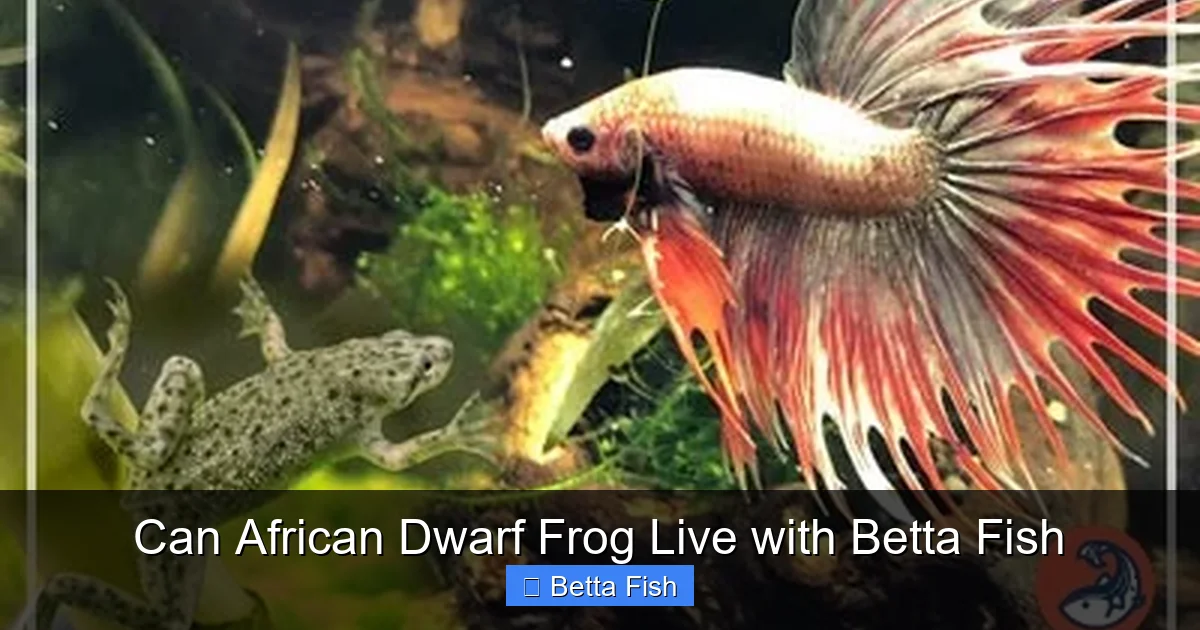
Visual guide about Can African Dwarf Frog Live with Betta Fish
Image source: aquariumnexus.com
- Size: 1–2 inches (2.5–5 cm) when fully grown.
- Temperature: 75‑80°F (24‑27°C).
- pH: 6.5‑7.5, slightly acidic to neutral.
- Diet: Live or frozen bloodworms, brine shrimp, daphnia, and high‑protein pellets.
- Behaviour: Mostly nocturnal, shy, and loves to hide among plants.
1.2 Betta Fish – The Flamboyant Fighter
Betta splendens, commonly called Siamese fighting fish, are renowned for their vivid colors and flowing fins. Originating from the shallow rice paddies of Thailand, they are hardy but territorial, especially males.
- Size: 2.5‑3 inches (6‑8 cm).
- Temperature: 78‑82°F (25‑28°C), slightly warmer than the frog’s ideal range.
- pH: 6.5‑7.5, matches the frog’s preference.
- Diet: Betta pellets, frozen or live brine shrimp, daphnia.
- Behaviour: Males are aggressive toward other bettas and similarly‑colored fish; they can be curious about slow‑moving tank mates.
1.3 Overlapping Requirements – A Good Starting Point
The overlap in temperature (75‑80°F) and pH (6.5‑7.5) means the basic water parameters align well, which is the first green light for asking “can African dwarf frog live with betta fish?” However, temperament and feeding habits create the real challenges.
2. Compatibility Verdict: When Can They Co‑Exist?
2.1 The Ideal Scenario
In a well‑planted, spacious tank (10‑20 gallons) with plenty of hiding places, a calm male or female betta can share space with a dwarf frog. The frog stays at the bottom, while the betta patrols the mid‑ and upper‑levels. This vertical separation reduces direct encounters.
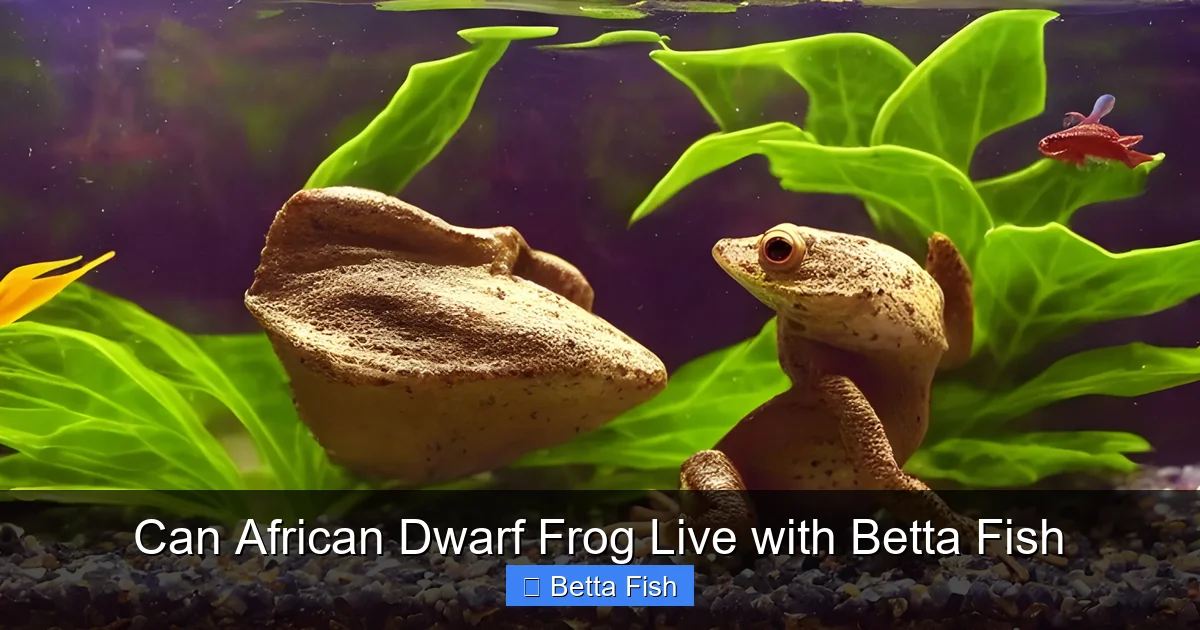
Visual guide about Can African Dwarf Frog Live with Betta Fish
Image source: tankofish.com
2.>Red Flags that Say “No”
- Small tanks: Less than 10 gallons force the fish and frog into each other’s territory.
- Highly aggressive bettas: Males that flare at any movement may try to nip the frog.
- Cold water: Below 75°F slows the frog’s metabolism and weakens its immune system.
- Insufficient cover: Without plants or caves, both species feel exposed and stressed.
2.3 Real‑World Examples
Many hobbyists report success when they keep a peaceful “peaceful” betta (often a female or a male that has been gently acclimated) with a single dwarf frog. One community post described a 15‑gallon tank with Java fern, Anubias, and a few driftwood roots – both species thrived for over a year.
Conversely, a tank with a male betta that constantly flared at the frog’s movement resulted in the frog developing stress‑induced skin infections. The lesson? Observe temperament before committing.
3. Setting Up the Perfect Tank
3.1 Choosing the Right Size
Minimum 10 gallons for a single betta and one dwarf frog; 15‑20 gallons is ideal. Larger tanks dilute waste, give more swimming room, and make it easier to create distinct zones.
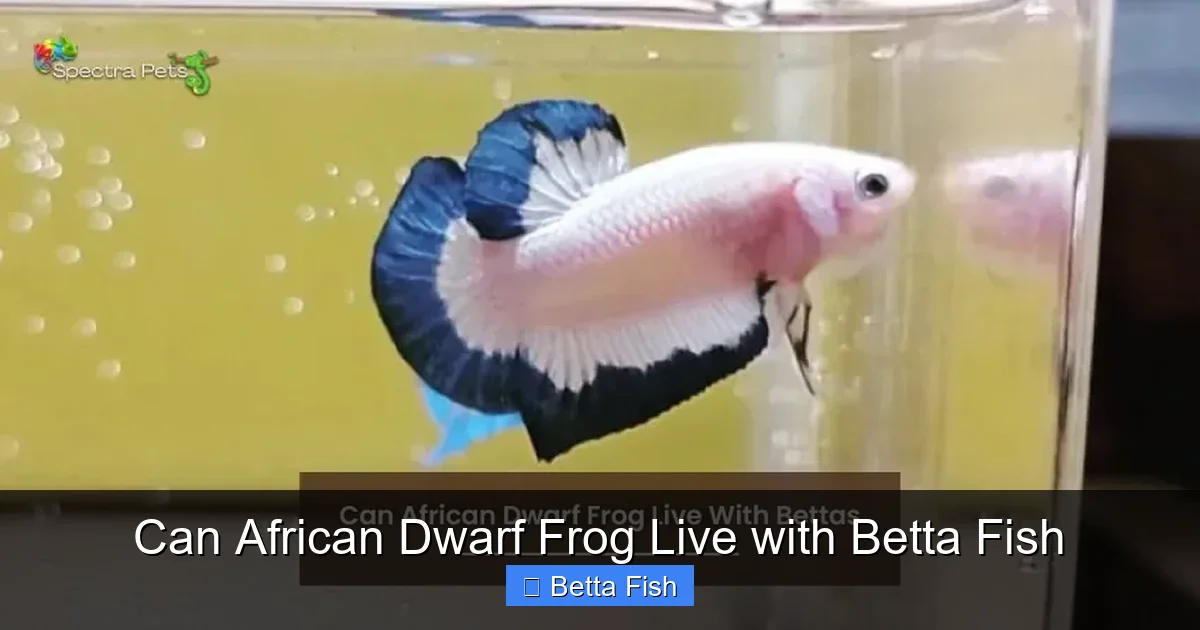
Visual guide about Can African Dwarf Frog Live with Betta Fish
Image source: spectrapets.com
3.2 Substrate and Decor
- Fine sand or smooth gravel: Prevents injury to the frog’s delicate skin.
- Live plants: Java moss, Anubias, and floating plants like duckweed provide surface cover and surface area for bio‑filtration.
- Hardscape: Smooth rocks, driftwood, and PVC pipes create caves where the frog can hide.
3.3 Filtration and Water Flow
Both species appreciate gentle water movement. A low‑flow sponge filter or a hang‑on‑back (HOB) with a diffuser works well. Avoid strong currents that can stress the frog.
3.4 Heating and Lighting
Use a reliable aquarium heater set to 78°F (25.5°C). This satisfies the betta’s higher range while staying within the frog’s tolerance. A dim LED light on a 10‑hour cycle mimics natural day/night cycles and prevents the betta from becoming overly territorial.
3.5 Maintaining Water Quality
Perform 25‑30% water changes weekly. Test for ammonia, nitrite, and nitrate; keep ammonia and nitrite at 0 ppm and nitrates below 20 ppm. The frog’s permeable skin makes it especially sensitive to spikes.
4. Introducing the Frog and Betta
4.1 Quarantine First
Always quarantine new arrivals for at least two weeks. This prevents the spread of parasites or diseases that could affect the existing betta.
4.2 The Acclimation Process
- Float the sealed bag (or container) in the tank for 15‑20 minutes to equalize temperature.
- Gradually add 1 cup of tank water to the bag every 5 minutes, mixing gently.
- After the water level has doubled, gently release the frog into a “settling” container before placing it in the main tank.
For the betta, repeat the same steps if you’re moving it from a separate tank.
4.3 First 24‑Hour Observation
Watch for signs of stress:
- Betta flaring continuously.
- Frog staying motionless at the surface (possible oxygen issue).
- Both hiding excessively.
If any of these occur, consider a temporary divider or a separate tank.
5. Daily Care and Long‑Term Management
5.1 Feeding Strategies
Feed betta pellets once or twice daily. Offer the frog live or frozen bloodworms 3‑4 times a week. Use a feeding cup or target feed to avoid food competition.
5.2 Monitoring Health
Check the frog’s skin for slime coat loss or fungal spots. Betta’s fins should be intact, and the tail should not show ragged edges. Any signs of illness require immediate water change and possible medication (use frog‑safe treatments only).
5.3 Managing Aggression
If the betta starts nipping or chasing, add more vertical plants or a floating leaf to break line of sight. In stubborn cases, a clear acrylic divider can give each species its own half of the tank while still sharing water.
5.4 Re‑evaluating Tank Mates
Sometimes the community changes as the betta matures. If aggression spikes after a few weeks, it’s safer to rehome the frog or move the betta to a species‑only tank.
6. Alternatives and When to Keep Them Separate
6.1 Other Compatible Tank Mates
If you want more variety, consider small, peaceful fish like neon tetras, rasboras, or dwarf gouramis that occupy the mid‑water. Always check what other fish can live with betta fish for detailed compatibility lists.
6.2 When Separation Is Best
- Very aggressive male betta.
- Multiple dwarf frogs (they can become territorial).
- Inadequate tank size or poor filtration.
In these cases, a dedicated frog tank (10 gallons) with a simple sponge filter is the safest option.
Conclusion: Making an Informed Decision
The short answer to “can African dwarf frog live with betta fish?” is yes—provided you meet the right conditions. Matching temperature and pH, offering plenty of cover, and choosing a calm betta are the pillars of success. Always start with a proper quarantine, monitor behavior closely, and be ready to separate the species if aggression or stress appears.
With careful planning, you can enjoy the graceful glides of a dwarf frog alongside the dazzling displays of a betta, creating a dynamic and visually stunning community aquarium.
Frequently Asked Questions
Can a male betta live with an African dwarf frog?
Yes, but only if the male betta is known to be calm and the tank is large enough (15 gallons or more) with plenty of hiding spots. Aggressive males may nip the frog.
Do African dwarf frogs need a heater?
Yes. They thrive in water temperatures between 75‑80°F (24‑27°C), which also suits most betta fish.
What should I feed a dwarf frog in a community tank?
Offer live or frozen bloodworms, brine shrimp, or daphnia 3‑4 times a week. Avoid over‑feeding, as excess food can degrade water quality.
How often should I change the water in a mixed betta‑frog tank?
Perform a 25‑30% water change weekly and test parameters regularly to keep ammonia and nitrite at 0 ppm.
Can I keep multiple dwarf frogs with one betta?
It’s not recommended. Multiple frogs can become territorial, and the increased bioload may stress both species.
What are the signs of stress in a dwarf frog?
Stress signs include loss of skin slime, staying at the water surface, reduced appetite, and lethargic swimming.