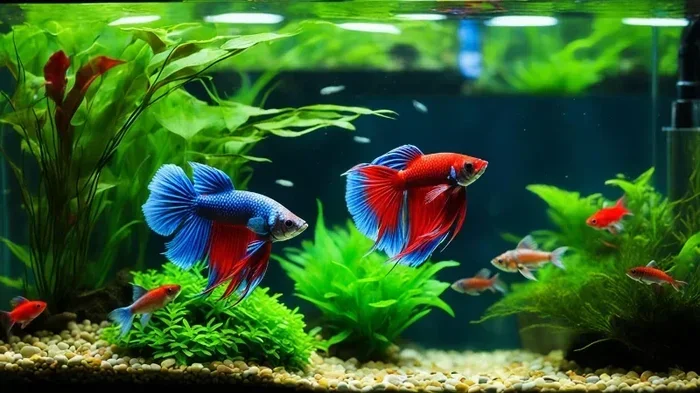
Do Betta Fish Like Tank Lights What You Need to Know

Do Betta Fish Like Tank Lights? The answer is yes, but only when used correctly. Proper lighting supports their health, brings out their vibrant colors, and helps regulate their natural day and night cycles. However, too much light or keeping it on for too long can cause stress and disrupt their sleep. In this guide, we will explore exactly how to set up lighting that keeps your betta fish comfortable, active, and thriving.
This is a comprehensive guide about do betta fish like tank lights.
Key Takeaways
- Betta fish do enjoy light because it helps them see their environment, find food, and display their natural colors.
- Light should mimic a natural day and night cycle to keep your betta on a healthy schedule and prevent stress.
- LED lights are the best choice for betta tanks because they produce very little heat and use less energy.
- Avoid leaving lights on for more than 8 to 10 hours per day, as too much light can cause agitation and sleep problems.
- Dim or indirect lighting works best for bettas, since they prefer calm, low-stress environments over harsh, bright glare.
- Plants and decorations help manage light by creating shaded areas where your betta can rest if the tank feels too bright.
- Watch your betta behavior closely to see if the lighting is working, since happy fish swim calmly and rest peacefully at night.
[FEATURED_IMAGE_PLACEHOLDER]
Introduction
Setting up a new betta fish tank can feel exciting, but it also comes with a lot of questions. One of the most common concerns is about lighting. Many new owners wonder if their fish actually need a bright aquarium light, or if it might cause more harm than good. The truth is that lighting plays a big role in your fish health, but only when it is used in a thoughtful way.
Bettas are tropical fish that come from shallow waters in Southeast Asia. In the wild, they experience natural sunlight and shaded areas throughout the day. That means they are used to a clear rhythm of light and darkness. When you bring one into your home, you want to recreate that balance as closely as possible. A good lighting setup can help your betta feel secure, stay active, and show off its beautiful fins and colors.
At the same time, bettas are sensitive to stress. A light that is too bright, too hot, or left on for too long can make them feel uncomfortable. They may hide more often, lose their appetite, or become restless. That is why it helps to understand not just whether they like light, but how much light they need and what kind works best. Once you know the basics, it becomes much easier to create a tank that feels safe and natural for your fish.
Do Betta Fish Like Tank Lights
Betta fish do enjoy tank lights, but they do not need extremely bright or constant lighting. In fact, a moderate light setup is usually the best choice. Light gives your fish a sense of time, helps them navigate their tank, and makes it easier for you to observe their behavior. It also supports any live plants you may have added to the aquarium.
The key is balance. A tank that is too dark for too long can make your betta feel uneasy, while a tank that is too bright can feel overwhelming. Most bettas do well with a gentle light that mimics daylight without feeling harsh. If your fish is active, eating well, and resting comfortably, then your lighting setup is probably working.
It is also worth remembering that bettas are individuals. Some fish are bolder and more curious, while others are shy and prefer quieter surroundings. If your betta seems nervous under the current light, you can always adjust the brightness or move the light source slightly. Small changes can make a big difference in how comfortable your fish feels.
Why Light Matters for Betta Fish
Light affects much more than just visibility. It helps regulate your betta daily rhythm. Fish do not have clocks like humans do, but they still respond to light and darkness. A steady lighting schedule tells their body when to be active and when to rest. This can improve their overall health and help them feel more secure in their environment.
Light also influences behavior. A well-lit tank can encourage natural swimming patterns and make feeding time easier. Your fish can spot food more quickly, and you can watch for signs of illness or stress. On the other hand, poor lighting can make it harder to notice problems early, which is why a clear but gentle setup is so helpful.
Another important reason light matters is plant health. If you keep live plants in your betta tank, they need light to grow. Healthy plants can improve water quality, provide shelter, and create a more natural habitat. That means the right lighting does not just help your fish directly. It also supports the whole tank ecosystem.
How Betta Fish Perceive Light
Betta fish see light differently than people do. They are sensitive to changes in brightness and movement, which helps them detect food and notice their surroundings. Sudden changes in light can feel startling, especially if the tank goes from dark to very bright in a short time. That is why gradual lighting is usually better than harsh switches.
Their eyes are also adapted to shallow, warm waters where sunlight filters through plants and surface movement. In a home aquarium, this means they often do best with soft, natural-style lighting rather than intense glare. If the light feels too strong, your betta may spend more time hiding or staying near the bottom of the tank.
You can think of your betta lighting setup as a comfort tool. The goal is not to make the tank look bright for your sake alone. The goal is to create an environment that feels calm and predictable for your fish. When the light feels natural, your betta is more likely to explore, rest, and show normal behavior.
Best Lighting Options for Betta Tanks
Choosing the right light does not have to be complicated. For most betta tanks, a simple LED aquarium light is a strong option. LEDs stay cool, which is important because bettas prefer stable water temperatures. They also last a long time and use less energy than many other bulb types.
Here are some good lighting choices to consider:
- LED aquarium lights: These are popular because they produce little heat and come in many sizes.
- Adjustable brightness lights: These let you lower the intensity if your betta seems stressed.
- Timed aquarium lights: These help you keep a consistent day and night schedule without guessing.
- Soft white or natural-tone bulbs: These usually feel less harsh than very bright blue or cool tones.
It is also helpful to think about tank size. A small betta tank does not need a powerful light meant for a large planted aquarium. In many cases, a modest light is enough to illuminate the tank and support a few easy plants. If you are unsure, start with a gentler setup and increase brightness only if needed.
How Long Should You Keep the Light On
A common question is how many hours of light a betta tank should get each day. In most cases, 8 to 10 hours is a good range. This gives your fish enough light to be active during the day while still allowing a long period of darkness for rest. Consistency matters just as much as the number of hours.
If you leave the light on all day and night, your betta may become confused and stressed. Fish need darkness to sleep and recover. Without that dark period, they may seem tired, less active, or more easily startled. A reliable schedule helps prevent that problem.
Using a timer can make this much easier. You can set the light to turn on and off at the same times each day. That way, your betta gets a steady rhythm, and you do not have to remember to switch the light manually. This small habit can improve your tank routine a lot.
Signs Your Betta Is Stressed by Lighting
Even with a good setup, it helps to watch your fish closely. Bettas usually show clear signs when something in the tank is not quite right. If the light is too strong or the schedule is off, you may notice changes in behavior. The sooner you notice these signs, the easier it is to adjust things.
Here are a few signs that lighting may be causing stress:
- Hiding more than usual: Your betta may stay near plants, rocks, or the bottom of the tank.
- Resting too much during the day: A stressed fish may seem unusually inactive.
- Fading color: Stress can sometimes make a betta look less vibrant.
- Flashing or darting: Rapid movement can mean discomfort.
- Loss of appetite: If your fish ignores food, the tank environment may need attention.
If you see these signs, do not panic. Start by checking the light intensity and the number of hours it stays on. You can also look at the overall tank setup. Sometimes a simple change, like dimming the light or adding more cover, is enough to help your betta feel better.
Creating a Natural Day and Night Cycle
A natural cycle is one of the best things you can offer your betta. In the wild, fish experience sunrise, daylight, sunset, and darkness. You can copy that pattern in your aquarium by keeping a steady schedule. This helps your fish understand when to be awake and when to rest.
A simple routine might look like this:
- Morning: Turn the light on at a consistent time to start the day.
- Daytime: Let the light stay on for about 8 to 10 hours.
- Evening: Turn the light off at the same time each night.
- Night: Keep the tank dark so your betta can rest.
If you want to make the transition smoother, you can choose a light with a gradual dimming feature. Even without that, a timer still helps a lot. The most important thing is consistency. Once your betta gets used to the routine, it will likely feel more settled and active during the day.
Expert Insights on Betta Lighting
Many experienced betta keepers recommend keeping lighting simple and predictable. The goal is not to create a dramatic display, but to support a healthy, calm environment. A moderate light with a steady schedule usually works better than a bright, constantly changing setup.
Experts also often suggest observing your fish before making big changes. If your betta is already comfortable, there may be no need to replace your light right away. On the other hand, if your fish seems nervous or sleepy at odd times, lighting may be part of the issue. Small adjustments are usually safer than major overhauls.
Another helpful idea is to combine lighting with tank layout. Plants, leaves, and gentle decorations can soften the effect of light by creating shaded spots. This gives your betta places to retreat if it wants a break from brightness. A balanced tank is often more comfortable than a fully open, brightly lit one.
Common Mistakes to Avoid
Even well-meaning betta owners can make a few lighting mistakes. Most of them are easy to fix once you know what to look for. Avoiding these common problems can save your fish from unnecessary stress.
- Leaving the light on too long: Constant light can interrupt sleep and increase stress.
- Using a light that is too bright: Harsh lighting can make the tank feel overwhelming.
- Changing the schedule often: Inconsistency can confuse your fish and disrupt its routine.
- Ignoring plant needs: If you have live plants, they may need a different light balance than a bare tank.
- Forgetting to watch behavior: Your betta behavior is one of the best clues that your setup is working.
If you notice a problem, change one thing at a time. That makes it easier to see what helps. For example, you might start by shortening the light duration before changing the bulb type. Simple steps often lead to the best results.
Quick Tips for a Healthy Lighting Setup
If you want a fast checklist, these tips can help you build a betta-friendly lighting routine:
- Start with a gentle LED light instead of a harsh bulb.
- Use a timer to keep the schedule steady.
- Aim for 8 to 10 hours of light each day.
- Add plants or decorations to create shaded areas.
- Watch your betta behavior and adjust if needed.
- Keep the tank dark at night so your fish can rest.
- Avoid sudden brightness changes when adjusting the setup.
These small habits can make your tank more stable and your betta more comfortable. You do not need a complicated system to do things well. A thoughtful, consistent approach is usually enough.
Key Takeaways
Key Takeaways
- Betta fish do like tank lights when the brightness is moderate and the schedule is steady.
- A natural day and night cycle helps your fish stay active, rest properly, and feel secure.
- LED lights are usually a smart choice because they stay cool and are easy to manage.
- Too much light can cause stress, so it is best to limit daily lighting hours.
- Shaded areas and plants give your betta places to relax if the tank feels too bright.
- Behavior is your best guide, so watch for hiding, inactivity, or appetite changes.
- Consistency matters most, and a simple routine often works better than a complex one.
Conclusion
So, do betta fish like tank lights? Yes, they do, as long as the lighting is gentle, consistent, and balanced. A good light helps your fish follow a healthy daily rhythm, find food, and feel more at home in its tank. It also makes it easier for you to enjoy the beauty of your betta and notice any changes in behavior.
The best approach is to keep things simple. Choose a light that does not overheat the water, use a timer if you can, and aim for a steady day and night schedule. Pay attention to how your fish responds. If your betta swims calmly, eats well, and rests at night, then your lighting setup is probably doing its job.
With a little observation and a few smart choices, you can create a tank environment that supports both comfort and health. That is the real goal of good lighting: not just a brighter tank, but a happier betta.
Frequently Asked Questions
Do betta fish need a light in their tank?
Betta fish do not need extremely bright light, but they do benefit from a regular lighting setup. A gentle light helps them see, supports a natural day and night cycle, and makes it easier for you to observe them.
Can too much light hurt a betta fish?
Yes, too much light can stress a betta fish and disrupt its rest. If the tank stays bright for too long, your fish may become agitated, hide more, or have trouble settling down at night.
What kind of light is best for a betta tank?
A cool, low-heat LED light is usually a good choice for betta tanks. Adjustable or timed lights can also help you keep the brightness and schedule under better control.
How many hours a day should a betta tank light stay on?
Most betta tanks do well with about 8 to 10 hours of light each day. A consistent schedule is important because your fish needs a dark period to rest properly.
Do betta fish sleep better in the dark?
Yes, betta fish generally rest better when the tank is dark and quiet at night. Darkness helps them settle into a natural sleep routine and reduces stress.
Should I leave my betta tank light on at night?
It is usually best to turn the light off at night so your betta can rest. Keeping the tank dark during nighttime helps maintain a healthy day and night cycle.