Do Betta Fish Like Tank Mates Discover Safe Options

Betta fish can live with tank mates, but choosing the right companions requires careful planning and patience. While male bettas are known for their aggression, many peaceful species coexist beautifully in a well-planned aquarium. This guide will help you understand betta fish compatibility, avoid common mistakes, and create a thriving community tank where everyone stays safe and happy.
Keeping a betta fish is one of the most rewarding experiences for any aquarium hobbyist. These colorful creatures bring life and personality to any room. But many new owners eventually wonder if their solo swimmer would enjoy some company. Do betta fish like tank mates? The short answer is yes, but with important caveats. Not every fish plays well with others, and bettas have a reputation for being a bit feisty. Understanding their nature is the first step toward building a harmonious underwater community.
Bettas originate from shallow rice paddies and slow-moving streams in Southeast Asia. In the wild, they encounter many other species but also defend their space fiercely. Male bettas especially are territorial and will flare their gills at anything that enters their domain. This behavior does not mean they cannot share a tank. It simply means you must choose companions wisely. A well-stocked community tank can actually enrich your betta life by providing mental stimulation and natural social dynamics.
Many hobbyists have successfully kept bettas alongside peaceful schooling fish, bottom dwellers, and even some invertebrates. The key is matching temperaments, sizes, and environmental needs. You also need to consider tank size, filtration, and decoration layout. A cramped tank with poor water flow will quickly turn into a battleground. On the other hand, a spacious, well-planted aquarium with gentle currents can become a beautiful sanctuary for multiple species. Let us dive into everything you need to know about making this work safely and successfully.
Key Takeaways
- Choose peaceful, non-aggressive species like tetras, rasboras, and corydoras catfish for the best tank mate success.
- Never house two male bettas together, as they will fight and cause serious injury or death.
- Provide plenty of hiding spots with plants, rocks, and decorations to reduce stress and aggression.
- Monitor water parameters closely since adding tank mates increases bioload and requires better filtration.
- Introduce new fish slowly using proper acclimation methods to prevent shock and disease outbreaks.
- Watch for signs of bullying such as torn fins, hiding behavior, or loss of appetite in any tank resident.
- Start with a larger tank of at least 10 gallons to give all fish enough space to establish territories.
📑 Table of Contents
- Understanding Betta Fish Personality and Behavior
- Do Betta Fish Like Tank Mates in Practice?
- Best Tank Mates for Betta Fish
- Setting Up a Community Tank for Success
- Introducing New Tank Mates Safely
- Common Mistakes to Avoid
- Quick Tips for a Peaceful Betta Community
- Expert Insights on Betta Social Behavior
- Key Takeaways for Successful Coexistence
Understanding Betta Fish Personality and Behavior
Before adding any companion, you must understand what makes a betta tick. Betta fish behavior is shaped by evolution, environment, and individual personality. Some bettas are remarkably calm and ignore their neighbors. Others become instantly hostile at the sight of a new fish. Knowing where your betta falls on this spectrum will guide your tank mate choices.
Why Male Bettas Fight
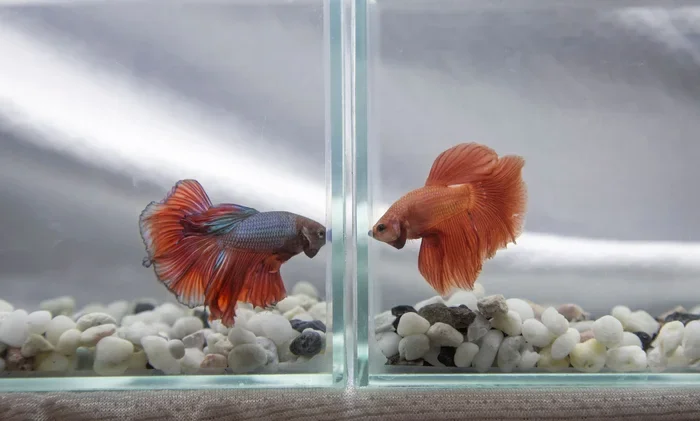
Male bettas evolved to defend small territories in shallow waters. When another male enters their space, they view it as a threat to their breeding grounds and resources. This triggers aggressive displays like flaring, chasing, and biting. In a home aquarium, this instinct remains strong. Two males in the same tank will almost always fight until one is severely injured or dead. Even separated by a tank divider, they may stress each other out with constant visual threats.
Female Bettas and Social Dynamics
Female bettas tend to be less aggressive than males, but they still establish a hierarchy. In a group setting, known as a sorority, females can coexist if the tank is large enough and properly decorated. However, squabbles are common during the first few weeks. You must watch for bullying and be ready to separate any fish that gets relentlessly targeted. Many owners find that a single female with peaceful tank mates works better than a full female group.
Individual Personality Matters
Just like people, every betta has a unique temperament. Some are curious and gentle. Others are paranoid and quick to attack. Age, breeding status, and past experiences also influence behavior. A young, energetic male may be more reactive than an older, relaxed one. Pay attention to how your betta reacts to movement outside the tank, feeding time, and gentle tank maintenance. These clues will help you predict how they might handle new roommates.
Do Betta Fish Like Tank Mates in Practice?
This question gets asked constantly in fishkeeping forums and pet stores. The truth is that bettas do not feel loneliness the way mammals do. They are not social animals that require companionship to thrive. However, a well-chosen tank mate can provide enrichment and make the aquarium more dynamic. Many owners notice their betta becomes more active and interested in their surroundings when sharing space with calm fish.
That said, forcing incompatible species together is cruel and dangerous. A stressed betta may stop eating, fade in color, or develop health issues. Constant chasing and flaring drain their energy and weaken their immune system. Always prioritize the betta well-being over the desire for a crowded tank. If your betta shows persistent aggression, it is better to keep them solo or rethink your setup entirely.
Success also depends heavily on your tank environment. A bare, small tank offers no escape routes and amplifies tension. A planted, spacious tank with visual barriers gives fish places to retreat and establish their own zones. Water quality plays a role too. Poor conditions make every fish more irritable and prone to conflict. Investing in good filtration, regular water changes, and proper heating creates a calmer atmosphere for everyone.
Signs Your Betta Might Tolerate Companions
You can look for positive indicators before introducing new fish. A betta that ignores their reflection, stays relaxed near the surface, and explores the tank freely is often a good candidate. Fish that accept food quickly and do not panic when you move around the room tend to handle change better. Conversely, a betta that constantly attacks the glass, hides in corners, or flares at every shadow may not be ready for roommates.
When to Keep Your Betta Solo
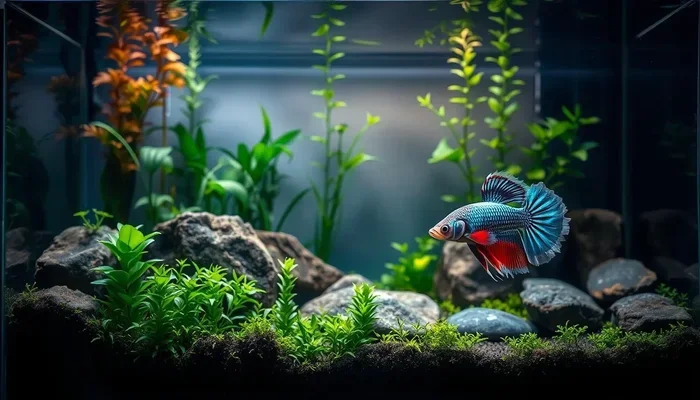
Sometimes the best choice is a single-species tank. If your betta has a history of extreme aggression, has been injured in past conflicts, or simply prefers solitude, respect that preference. A solo betta tank can still be stunning with live plants, driftwood, and gentle lighting. You can also add safe invertebrates like snails or shrimp, which usually stay out of the way and help clean the substrate. Many hobbyists find that a single betta in a beautifully aquascaped tank is just as rewarding as a community setup.
Best Tank Mates for Betta Fish
Choosing compatible companions is the most critical part of this process. The goal is to find species that occupy different areas of the tank, have peaceful temperaments, and thrive in similar water conditions. Betta fish compatibility improves dramatically when you avoid fin nippers, aggressive swimmers, and fish that look similar to bettas. Below are some of the most reliable options for community tanks.
Peaceful Schooling Fish
Small schooling fish are excellent choices because they stay in groups and rarely bother other species. Neon tetras, ember tetras, and harlequin rasboras are popular picks. They occupy the middle water column and move quickly enough to avoid unwanted attention. Their bright colors also create a stunning contrast with a betta rich hues. Just make sure to keep them in groups of at least six to reduce stress and encourage natural behavior.
Bottom Dwellers and Cleanup Crew
Fish that spend most of their time at the substrate are usually safe bets. Corydoras catfish, small loaches, and certain plecos work well because they ignore the upper zones where bettas patrol. These bottom dwellers also help keep the tank clean by scavenging leftover food. They prefer soft substrates and hiding spots, so adding smooth gravel and caves will make them feel secure. Avoid large or aggressive bottom species that might compete for space or food.
Invertebrates and Shrimp
Freshwater shrimp and snails can be wonderful additions for betta tanks. Nerite snails, mystery snails, and cherry shrimp are commonly kept with bettas. They occupy different niches and rarely trigger aggression. However, bettas may occasionally view small shrimp as snacks, especially if they are hungry or overly curious. Providing plenty of moss, plants, and hiding places gives invertebrates a chance to survive and thrive. Snails are generally safer and add a charming, low-maintenance element to the aquarium.
Fish to Avoid Completely
Some species are simply not suitable for betta tanks. Guppies, especially males with bright colors and flowing fins, often trigger aggression because they resemble rival bettas. Tiger barbs are notorious fin nippers and will shred delicate fins. Large cichlids, goldfish, and aggressive catfish create too much competition and stress. Even some peaceful fish like long-finned danios can draw unwanted attention. Always research a species temperament, size, and activity level before adding it to a betta community.
Setting Up a Community Tank for Success
A successful community tank starts with the right environment. Tank size is the first factor to consider. A minimum of 10 gallons is recommended for a betta with tank mates, though 20 gallons or more gives everyone much more room to establish territories. Larger volumes also stabilize water parameters, which reduces stress and disease risk. Cramming multiple fish into a tiny tank guarantees trouble, no matter how peaceful the species seem.
Filtration and Water Flow
Good filtration keeps the water clean and supports a healthy biological cycle. Bettas prefer gentle currents, so avoid powerful filters that create strong flows. Sponge filters, hang-on-back filters with adjustable flow, or canister filters with spray bars work well. Proper circulation prevents dead spots and helps distribute oxygen without overwhelming your fish. If you want to learn more about water movement, check out our guide on betta fish and air pump circulation to understand how gentle flow impacts their comfort.
Plants, Decor, and Hiding Spots
Live plants are one of the best investments for a community tank. They absorb nitrates, provide oxygen, and create natural barriers between fish. Java fern, anubias, hornwort, and floating plants like duckweed work beautifully in betta setups. Driftwood, smooth rocks, and ceramic caves add visual interest and give shy fish places to retreat. A well-decorated tank mimics natural habitats and reduces the chance of direct confrontations. For more ideas on what to include, see our article on betta fish tank decorations and essentials.
Water Parameters and Maintenance
Bettas thrive in warm water between 78 and 82 degrees Fahrenheit with a pH around 6.5 to 7.5. Tank mates should share similar preferences to avoid stressing anyone. Regular water testing is essential, especially when you add more fish. Ammonia and nitrite should always read zero, and nitrates should stay below 20 ppm. Weekly water changes of 20 to 30 percent help maintain quality and prevent toxic buildup. If you are unsure about water chemistry, our piece on betta fish and acidic water preferences offers helpful guidance on ideal conditions.
Introducing New Tank Mates Safely
Adding new fish is a delicate process that requires patience and planning. Rushing this step often leads to shock, disease, or immediate aggression. A careful introduction gives everyone time to adjust and establishes a more peaceful dynamic from the start.
Acclimation and Quarantine
Always quarantine new fish in a separate tank for at least two weeks before adding them to your main aquarium. This prevents parasites, bacteria, and fungal infections from spreading to your betta and existing residents. When you are ready to introduce the new fish, float the bag in the tank for 15 to 20 minutes to equalize temperature. Then slowly mix tank water into the bag over another 30 minutes. This gradual acclimation reduces stress and helps the fish adapt to your water chemistry.
Rearranging the Tank Before Introduction
A clever trick many experienced hobbyists use is rearranging the tank layout right before adding new fish. Moving plants, rocks, and decorations erases established territory lines and gives every fish a fresh start. This reduces the chance that your betta will fiercely defend a specific corner. After the rearrangement, introduce the new fish during a feeding time when everyone is distracted and less likely to react aggressively.
Monitoring the First Few Weeks
The first month is the most critical period. Watch your betta closely for excessive flaring, chasing, or biting. Some initial curiosity is normal, but relentless attacks are not. If you see torn fins, hiding fish, or loss of appetite, be prepared to separate the aggressor or remove the new fish. Keep a small backup container or hospital tank ready just in case. Patience and observation are your best tools during this adjustment phase.
Common Mistakes to Avoid
Even well-meaning owners make errors that can ruin a community tank. Learning from these pitfalls will save you time, money, and heartbreak. Below are the most frequent mistakes and how to prevent them.
Overcrowding the Tank
Adding too many fish too quickly is a classic error. Each fish produces waste, and the biological filter can only handle so much. Overcrowding leads to poor water quality, oxygen depletion, and constant stress. Always calculate your bioload carefully and leave plenty of swimming space. A good rule is to start with one or two small tank mates and expand slowly if conditions remain stable.
Ignoring Size and Fin Compatibility
Fish that grow too large or have extremely long fins can cause problems. Large species may intimidate or outcompete your betta for food. Delicate, flowing fins often attract nipping or flaring from territorial fish. Match sizes appropriately and avoid species with trailing fins if your betta is particularly aggressive. Keeping all residents roughly similar in scale creates a more balanced environment.
Skipping Regular Observation
Once the tank looks settled, some owners stop paying close attention. This is dangerous because aggression can flare up unexpectedly, especially after feeding, water changes, or tank rearrangements. Spend a few minutes each day watching how your fish interact. Early detection of trouble allows you to intervene before injuries occur. Consistent observation is the backbone of a healthy community tank.
Quick Tips for a Peaceful Betta Community
- Start with a spacious tank of at least 10 gallons to reduce territorial tension.
- Choose small, peaceful species that occupy different water levels than your betta.
- Add live plants and hiding spots to break line of sight and create secure zones.
- Quarantine new fish for two weeks to prevent disease outbreaks.
- Rearrange decor before introductions to reset territory boundaries.
- Feed a varied diet to keep all fish healthy and reduce food-related aggression.
- Test water weekly and perform regular partial changes to maintain pristine conditions.
Expert Insights on Betta Social Behavior
Aquarium professionals and experienced hobbyists agree that bettas are not inherently antisocial, but they do require thoughtful management. Many successful community tanks feature a single male betta with a group of ember tetras and a few corydoras catfish. The betta ignores the fast-moving tetras while the bottom dwellers clean the substrate undisturbed. This setup works because each species has its own niche and the tank provides ample visual barriers.
Experts also emphasize that enrichment matters just as much as compatibility. A betta with nothing to explore may become bored or hyper-focused on tank mates. Adding floating logs, moss balls, gentle bubble streams, and varied feeding methods keeps your betta mentally engaged. For more on this topic, read our article about betta fish boredom and enrichment. A stimulated betta is less likely to fixate on neighbors and more likely to display natural, healthy behaviors.
Another key insight is that tank size and layout often matter more than species selection alone. A 5-gallon tank with two peaceful fish can still be a disaster if there are no plants or hiding places. Meanwhile, a 20-gallon planted tank with careful introductions can support a diverse community. Always design your environment to minimize conflict before you even buy new fish. Thoughtful planning prevents most problems before they start.
Key Takeaways for Successful Coexistence
Building a community tank with a betta is absolutely possible, but it demands respect for their nature and careful planning. Do betta fish like tank mates? Many do, provided the companions are peaceful, appropriately sized, and introduced properly. The reward is a vibrant, dynamic aquarium that showcases the beauty of multiple species living in harmony. Keep these final points in mind as you move forward.
- Know your betta personality before selecting any companion species.
- Prioritize tank size and layout to create a calm, balanced environment.
- Select peaceful, non-competitive fish that occupy different zones of the aquarium.
- Introduce new residents slowly and monitor behavior closely for the first few weeks.
- Maintain excellent water quality through regular testing and partial water changes.
- Be ready to separate fish if aggression becomes persistent or harmful.
- Enjoy the journey and remember that a happy betta is the true measure of success.
With patience, research, and a well-designed tank, you can create a beautiful community where your betta thrives alongside compatible friends. Whether you choose a single-species setup or a carefully curated group, the most important thing is providing a safe, enriching home. Your betta will thank you with vibrant colors, active swimming, and the confident personality that makes them such beloved pets.
Frequently Asked Questions
Can two male betta fish live together in the same tank?
No, two male bettas should never share the same aquarium because they will almost certainly fight and cause serious injury. Even with dividers, constant visual threats can cause chronic stress. Keep males separately or pair a single male with peaceful, non-threatening tank mates.
What is the best tank size for a betta with tank mates?
A minimum of 10 gallons is recommended, though 20 gallons or more provides much better stability and swimming space. Larger tanks dilute waste more effectively and give each fish room to establish their own territory. Always prioritize space over the number of fish you want to add.
Do betta fish get lonely without tank mates?
Bettas do not experience loneliness the way social mammals do, so they can live happily alone with proper care and enrichment. However, calm tank mates can provide mental stimulation and make the aquarium more interesting. A well-decorated solo tank with plants and gentle activity is also a perfectly healthy option.
Which fish are safest to keep with a betta?
Small schooling fish like ember tetras, harlequin rasboras, and neon tetras are generally safe, along with bottom dwellers such as corydoras catfish. Peaceful snails and larger shrimp can also work well if you provide plenty of hiding spots. Always avoid fin nippers, aggressive species, and fish with long flowing fins that may trigger flaring.
How do I know if my betta is stressed by new tank mates?
Signs of stress include constant hiding, loss of appetite, faded colors, clamped fins, and excessive flaring or chasing. If you notice torn fins or a fish that never comes out of its shelter, intervene quickly. Separate the aggressor or remove the new fish if the situation does not improve within a few days.
Can I add snails or shrimp to a betta tank?
Yes, snails like nerite or mystery snails are usually safe and help keep the tank clean. Shrimp such as cherry shrimp can also work, but bettas may occasionally hunt them if they are hungry or overly curious. Dense planting and moss provide shelter, which greatly improves the chances of success.