Do Betta Fish Need a Filtered Tank
Contrary to popular myth, betta fish do require a filtered tank to live a long, healthy life. Filters are essential for maintaining water quality by cycling toxins, reducing harmful ammonia and nitrites, and creating a stable ecosystem. Without a filter, bettas suffer from fin rot, constant stress, and shortened lifespans, often dying prematurely from poor water conditions. Choosing the right, gentle filter—like a sponge filter—and properly cycling the tank are the most critical steps for successful betta care.
If you’ve ever seen a betta fish in a tiny, unfiltered vase on a desk or heard someone claim they “don’t need a filter,” you’ve encountered one of the most persistent and harmful myths in the aquarium hobby. The idea that these beautiful, intelligent fish, often called Siamese fighting fish, are somehow “low-maintenance” and can thrive in stagnant, small bodies of water is not just incorrect—it’s a direct path to a sick, stressed, and short-lived pet. So, let’s state this unequivocally at the very beginning: Yes, betta fish absolutely need a properly filtered tank for their long-term health and survival. This article will dive deep into the “why,” dispel the myths, and guide you through selecting and setting up the perfect filtered environment for your aquatic companion.
The myth likely persists because bettas are often sold in small cups at pet stores, a practice that is now widely criticized by responsible aquarists and animal welfare advocates. Their ability to survive in low-oxygen, poor-quality water in the wild during dry seasons (by breathing atmospheric air from a specialized labyrinth organ) is misinterpreted as a preference for such conditions. This is a classic case of confusing survival with thriving. A betta can *survive* in a dirty, unfiltered bowl for weeks or even months, but it will not thrive. It will live a life of constant irritation, weakened immunity, and physical decay. Providing a filtered tank is the single most important thing you can do to move your betta from merely existing to truly flourishing.
Key Takeaways
- Filters Are Essential: A filtered tank is not optional for a betta’s long-term health and well-being; it is a fundamental requirement for a stable, safe environment.
- They Manage the Nitrogen Cycle: Filters house beneficial bacteria that convert toxic fish waste (ammonia) into less harmful substances, preventing “new tank syndrome” and poisoning.
- Gentle Flow is Critical: Betta fish have delicate fins and are labyrinth breathers. The filter must provide very gentle water movement that doesn’t exhaust the betta or damage its fins.
- Sponge Filters Are Often Ideal: For single bettas in smaller tanks, air-driven sponge filters offer the perfect combination of gentle flow, excellent biological filtration, and surface area for bacteria.
- Weekly Maintenance is Still Required: A filter does not eliminate all maintenance. You must still perform weekly partial water changes (25-30%) and rinse filter media in old tank water to keep it functioning properly.
- Unfiltered Tanks Cause Suffering: Keeping a betta in an unfiltered bowl or small vase leads to chronic stress, susceptibility to diseases like fin rot, and a drastically shortened, poor-quality life.
- Cycling Comes First: You must fully cycle the filtered tank (establish bacteria) for 4-6 weeks *before* adding your betta. A filter without a cycle is just moving dirty water around.
📑 Table of Contents
- The Science of Water Quality: Why Filters Are Non-Negotiable
- Debunking the “Betta in a Bowl” Myth: The Harsh Reality
- Choosing the Right Filter for Your Betta: Gentle is the Name of the Game
- Setting Up and Cycling Your Betta’s Filtered Tank: The Critical First Steps
- Maintaining a Healthy Filtered Tank: Beyond the Setup
- The Long-Term Payoff: A Thriving Betta
The Science of Water Quality: Why Filters Are Non-Negotiable
To understand why a filter is essential, you must first understand the invisible world inside your aquarium. Fish, including bettas, excrete waste directly into the water as ammonia. This ammonia is highly toxic and will burn their gills, damage their tissues, and lead to death within days if concentrations rise. In a natural ecosystem or a properly set-up aquarium, specialized bacteria (Nitrosomonas) consume this ammonia and convert it into nitrite. Another type of bacteria (Nitrospira) then consumes the nitrite and converts it into nitrate, which is far less toxic and can be managed with regular water changes. This two-step process is called the nitrogen cycle, and it is the cornerstone of all aquatic life support.
The Filter as a Bacterial Home
The filter’s primary, most crucial job is to provide a massive surface area—in the form of sponge, ceramic rings, or bio-balls—for these beneficial bacteria to colonize. Water is pumped or drawn through the filter media, allowing the bacteria constant access to the flowing ammonia and nitrite. Without this dedicated biological filtration area, the cycle cannot establish itself effectively. In an unfiltered tank, ammonia and nitrite levels spike and remain high, poisoning the fish slowly and painfully. Even with frequent water changes, you are only temporarily diluting the toxins; you are not establishing the permanent, self-sustaining bacterial colony needed for stability.
Physical and Chemical Filtration: The Supporting Cast
Beyond biological filtration, most filters also provide:
- Mechanical Filtration: This physically removes debris like uneaten food, fish feces, and shed skin from the water column. This debris, if left to decay, also contributes to ammonia production and clouds the water. A filter’s sponge or floss acts like a sieve, trapping particles and keeping the water clearer.
- Chemical Filtration (Optional): Media like activated carbon absorbs dissolved impurities, medications, tannins (which can darken water), and odors. While not always strictly necessary for a simple betta tank, it can be useful for polishing the water after the cycle is established or when treating minor issues.
In short, the filter is the engine of your aquarium’s ecosystem. It’s the difference between a toxic, unstable chemical soup and a balanced, life-supporting environment. For a betta, whose long, flowing fins are easily damaged by poor water quality and whose immune system is compromised by constant stress from toxins, this engine is not a luxury—it is a mandate for ethical care.
Debunking the “Betta in a Bowl” Myth: The Harsh Reality
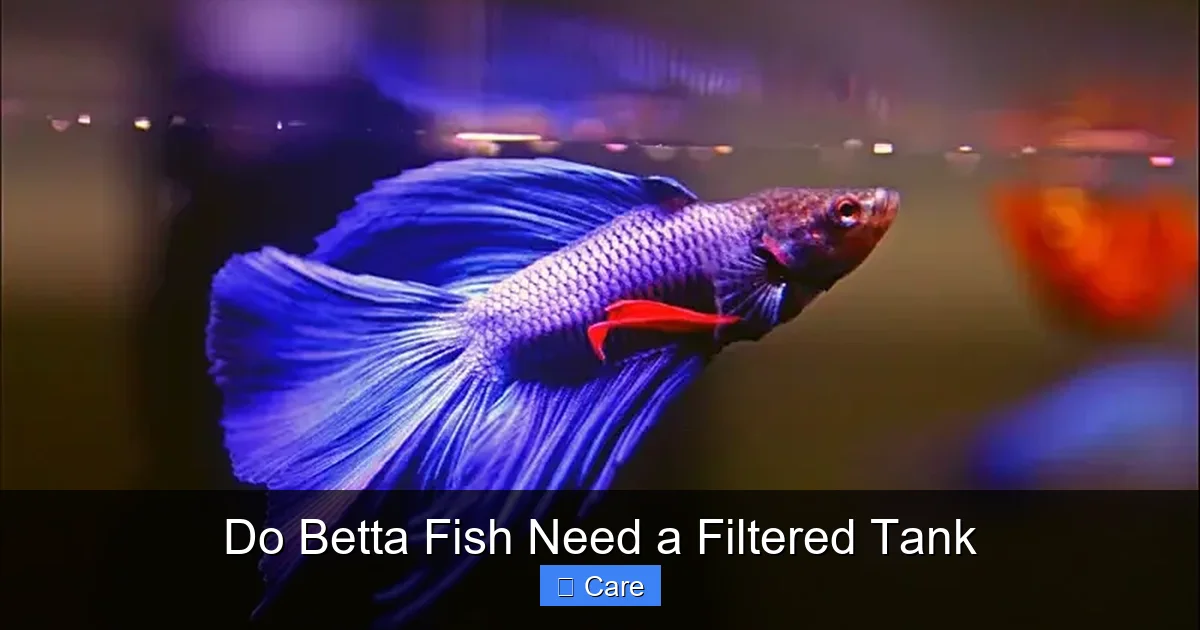
The image of a betta in a small, decorative vase or bowl is iconic but deeply flawed. Let’s examine why this setup is a life of suffering for the fish.
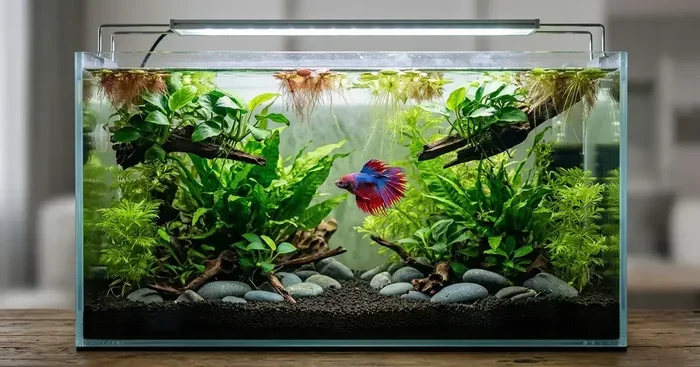
Visual guide about Do Betta Fish Need a Filtered Tank
Image source: infishtank.com
No Water Volume, No Dilution
In a tiny bowl (often less than 1 gallon), any amount of waste creates a very high concentration of toxins. There is simply not enough water to dilute the betta’s ammonia output. Ammonia levels can become lethal in a matter of days. Furthermore, such a small volume of water experiences rapid temperature and pH swings, causing extreme stress to the fish.
No Surface Agitation, No Gas Exchange
While bettas can gulp air from the surface, they still rely on their gills for oxygen extraction from the water. Stagnant water has very little oxygen dissolved in it. The surface of an unfiltered bowl is often completely still, preventing atmospheric oxygen from dissolving into the water. This forces the betta to constantly swim to the surface to breathe, an exhausting and unnatural behavior. A filter (or at minimum, an air stone) creates gentle surface movement, dramatically increasing gas exchange and oxygen levels.
A Breeding Ground for Disease
Warm, stagnant, ammonia-laden water is a perfect breeding ground for bacteria and parasites. The most common ailment in unfiltered betta tanks is fin rot, a bacterial infection that eats away at the delicate fins. Columnaris, velvet disease, and fungal infections also run rampant. These diseases are almost always a direct symptom of poor water quality, not a primary illness. In a cycled, filtered tank with stable parameters, a healthy betta’s immune system can easily fend off these opportunistic pathogens.
The “bowl” setup is a relic of outdated marketing and misunderstanding. Modern betta care, supported by ichthyologists and experienced hobbyists, universally condemns it. A filtered tank is the bare minimum for responsible ownership.
Choosing the Right Filter for Your Betta: Gentle is the Name of the Game
Not all filters are created equal, and the wrong filter can be as harmful as no filter at all. Betta fish have two critical physical traits that dictate filter choice: their long, flowing fins and their labyrinth organ.

Visual guide about Do Betta Fish Need a Filtered Tank
Image source: fishkeepertank.com
The Problem with Strong Flow
- Fin Damage: Powerful currents can tatter and tear a betta’s fins, leading to ragged edges, stress, and open wounds vulnerable to infection.
- Exhaustion: Bettas are not strong, constant swimmers. A strong current forces them to work constantly just to stay in one place, leading to extreme fatigue and stress.
- Labyrinth Organ Stress: While they can breathe air, constant struggle against a current increases their oxygen demand and metabolic rate, putting undue stress on their entire system.
You are looking for a filter that creates barely perceptible water movement. You should be able to see the betta’s fins resting peacefully, not being constantly blown back. A good test: if you place a small piece of tissue or a leaf in the tank, it should drift slowly or remain almost stationary, not be whipped around.
Top Filter Recommendations for Bettas
1. Sponge Filter (The Gold Standard): This is almost always the top recommendation for a single betta, especially in tanks under 10 gallons. It consists of an air pump connected to a rigid sponge via airline tubing. Air bubbles rise through the sponge, drawing water down through its porous structure. The benefits are immense:
- Extremely gentle flow, often adjustable via an air valve.
- Incredible biological filtration surface area.
- No impeller to suck in and damage fins.
- Inexpensive and easy to maintain.
- Provides some surface agitation for gas exchange.
2. Hang-On-Back (HOB) Filter with Flow Adjustment: A good HOB filter can work well for larger betta setups (10+ gallons), but you must choose one with an adjustable flow setting. Brands like the AquaClear or Tetra Whisper often have dials to reduce output to a trickle. You must also baffle the output. Use a pre-filter sponge (a simple piece of foam that slides over the intake) and/or create a spray bar or deflector with a cut piece of airline tubing or plastic to diffuse the exiting water stream. Never point the output directly at the betta.
3. Internal Power Filter (With Caution): Similar to HOBs but submerged. They can be very powerful. If you use one, ensure it has a low-flow setting and must be heavily baffled with sponge on the intake and output. The Fluval U Series is often cited as having a gentler flow.
What to AVOID: Power filters with strong, non-adjustable currents (like many standard Whisper or Marineland models for their size), canister filters (generally overkill and powerful for a single betta), and any filter where the intake slots are large enough to potentially suck in a curious betta’s fins.
Setting Up and Cycling Your Betta’s Filtered Tank: The Critical First Steps
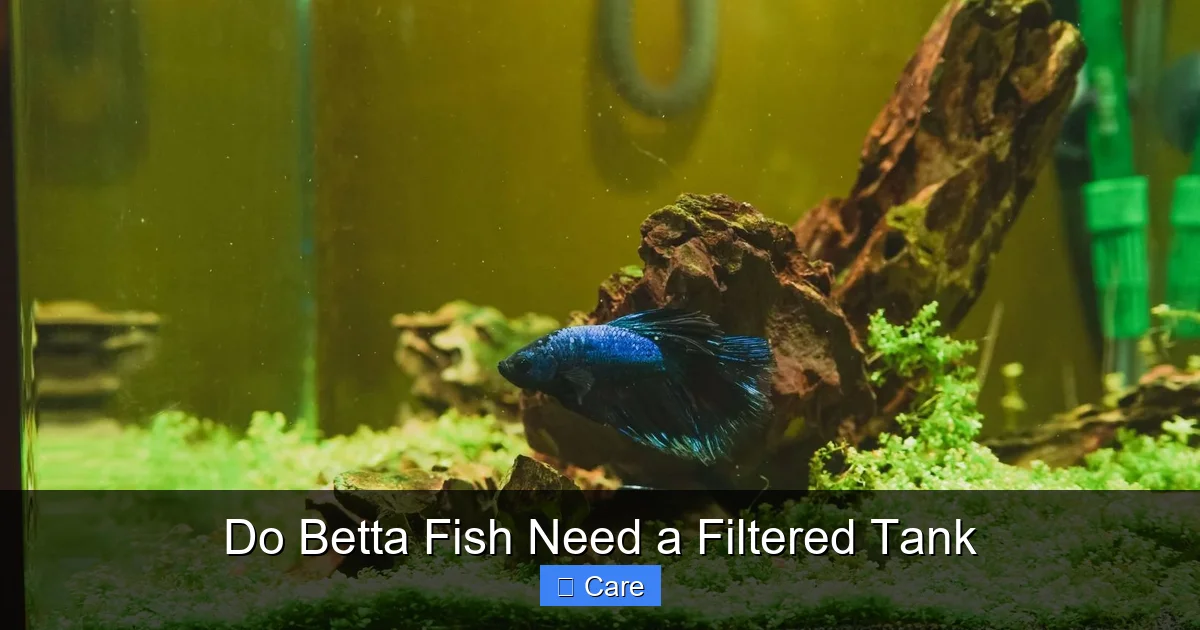
Buying a filter and dumping your betta into a new tank with it is a recipe for disaster. The filter needs time to become colonized with beneficial bacteria. This process is called cycling.
Visual guide about Do Betta Fish Need a Filtered Tank
Image source: bettafishnest.com
The Nitrogen Cycle in a Nutshell
1. You add a source of ammonia (fish waste, or pure ammonia/skipped cycling methods) to the tank.
2. Bacteria (Nitrosomonas) grow on the filter media and consume the ammonia, producing nitrite.
3. A second bacteria (Nitrospira) grows and consumes the toxic nitrite, producing nitrate.
4. Only when tests show 0 ppm ammonia, 0 ppm nitrite, and a detectable level of nitrate (e.g., 20-40 ppm) is the cycle complete and the tank safe for fish.
This process takes 4-6 weeks in a new tank. During this time, you are not adding your betta. You are growing bacteria. You must add an ammonia source (a few flakes daily, a piece of shrimp, or pure ammonia from a hardware store) to feed the bacteria and test the water 2-3 times per week to monitor the progress.
Step-by-Step Setup
- Assemble the Tank: Rinse substrate (gravel/sand) thoroughly with tap water (no soap!). Add a layer. Add any decorations (rinsed). Fill with dechlorinated water (use a water conditioner like Seachem Prime).
- Install the Filter: Set up your chosen filter according to instructions. For a sponge filter, place the sponge in the tank, run the airline to the air pump (placed outside the tank), and adjust the air valve to achieve the gentlest flow possible. For a HOB, ensure it’s level on the tank rim, fill the reservoir with water, and start it.
- Baffle the Output: Immediately modify the filter output to diffuse flow. Slide a pre-filter sponge over the output nozzle of a HOB. For internal or sponge filters, you can often just position the sponge to create some resistance.
- Start the Cycle: Add your ammonia source. Begin testing. Be patient. Do not add fish until the cycle is fully complete.
- Introduce Your Betta: Once parameters are safe (0 ammonia/nitrite), perform a final 25% water change to lower nitrate if it’s very high. Acclimate your betta properly (floating bag method). Turn off the filter during acclimation if the flow is too strong near the surface, then turn it back on after.
Maintaining a Healthy Filtered Tank: Beyond the Setup
A filter is not a “set it and forget it” device. Proper maintenance is key to its function and your betta’s health.
Weekly Water Changes Are Still Mandatory
The filter converts toxins but does not remove nitrate. Nitrate accumulates over time and must be diluted with regular partial water changes. For a filtered betta tank, a 25-30% weekly water change is the standard. Use a gravel vacuum to remove debris from the substrate during this process. This is the single most important maintenance task you will perform.
Filter Media Cleaning: Do It Right
Every 4-6 weeks (or when you notice reduced flow), you need to rinse your filter media. THE GOLDEN RULE: NEVER RINSE FILTER MEDIA IN TAP WATER. Chlorine and chloramine in tap water will kill the beneficial bacteria you’ve worked so hard to cultivate. Instead:
- Unplug the filter.
- Remove the media (sponge, ceramic rings, etc.).
- Gently squeeze and rinse it in a bucket of the old tank water you just removed during your water change. This water contains bacteria and is safe.
- Only clean what’s necessary. If you have multiple media types (e.g., sponge + ceramic rings), only clean one at a time to preserve a bacterial core.
- Reassemble and restart the filter.
If your filter has a carbon cartridge, replace it according to the manufacturer’s schedule (usually monthly), but remember that carbon does not house bacteria. Your primary biological media (sponge/ceramic) should never be replaced all at once unless it’s physically disintegrating. Replace half at a time, months apart, if needed.
The Long-Term Payoff: A Thriving Betta
When you provide a betta with a properly sized, filtered, cycled, and maintained aquarium, the transformation is remarkable. You will witness:
- Vibrant, Unfaded Colors: Stress dulls color. A stable environment keeps their reds, blues, and iridescence popping.
- Healthy, Flowing Fins: No more ragged edges or fin rot. Fins remain full, long, and undamaged.
- Active, Curious Behavior: Bettas in good conditions will explore, flare at their reflection (if provided a mirror occasionally), build bubble nests, and interact with their environment and you.
- A Dramatically Extended Lifespan: A betta in a filtered, cared-for 5+ gallon tank can easily live 4-6 years, and sometimes longer. A betta in an unfiltered bowl is lucky to reach 2.
- Reduced Disease: A strong immune system in clean water means far fewer, if any, disease outbreaks.
This isn’t about making the hobby more expensive or complicated. It’s about aligning our care practices with the biological reality of the animal. Providing a filtered tank is an act of respect for a living creature that depends entirely on us. It moves us from owners who merely keep a fish to caretakers who provide a home.
Conclusion: The question “Do betta fish need a filtered tank?” has a clear, scientifically-backed answer: absolutely yes. The filter is the heart of a stable aquatic ecosystem, managing the deadly nitrogen cycle and providing a clean, oxygen-rich environment. Choosing a gentle filter like a sponge filter, patiently cycling the tank for 4-6 weeks before adding your betta, and committing to weekly water changes and proper filter maintenance are the non-negotiable pillars of responsible betta ownership. By investing this initial effort, you are rewarded with a vibrant, active, and long-lived companion. Ditch the myth of the bowl. Embrace the filtered tank and give your betta the life it deserves.
Frequently Asked Questions
Can a betta fish live without a filter?
A betta can survive for a short time in an unfiltered container, but it will not thrive. Without a filter, toxic ammonia builds up rapidly, leading to stress, disease like fin rot, and a significantly shortened lifespan. A filtered tank is essential for a betta’s long-term health.
What is the best filter for a betta fish?
The best filter for a single betta is typically a sponge filter. It provides excellent biological filtration with a very gentle, adjustable flow that won’t damage fins. For larger tanks (10+ gallons), a hang-on-back filter with an adjustable flow setting that is heavily baffled with sponge can also work well.
How do I make a filter safe for my betta’s long fins?
Always choose a filter with an adjustable flow and set it to the lowest possible setting. Use pre-filter sponges over intakes and outputs to further diffuse the current. Position the filter output so it does not blast the betta directly. The water movement should be so gentle you can barely see it.
Do I still need to do water changes if I have a filter?
Yes, absolutely. Filters convert toxic ammonia and nitrite into less harmful nitrate, but nitrate still accumulates. Weekly partial water changes (25-30%) are required to dilute nitrate, remove other dissolved wastes, and maintain overall water quality and stability.
How long does it take to cycle a betta tank with a filter?
Cycling a new filtered tank typically takes 4 to 6 weeks. This is the time needed for beneficial bacteria to colonize the filter media and fully process fish waste. You must complete this cycle before adding your betta. Use an ammonia test kit to confirm ammonia and nitrite read 0 ppm before introducing the fish.
Can I put my betta in the tank right after setting up the filter?
Never. A new tank with a just-installed filter has no beneficial bacteria. Adding your betta immediately will expose it to rapidly rising, lethal levels of ammonia (new tank syndrome). You must wait the full 4-6 weeks for the nitrogen cycle to establish and confirm safe water parameters with test kits first.