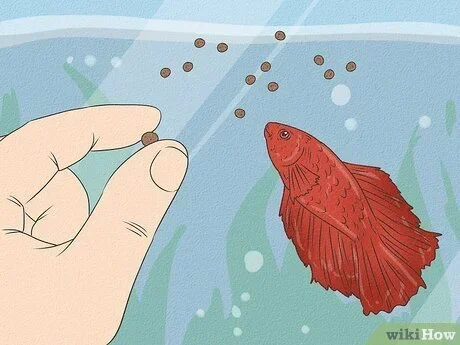
How to Put a Betta Fish in a Community Tank
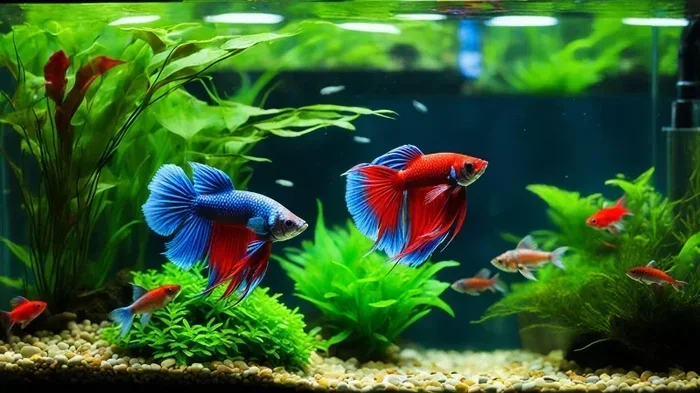
Learning how to put a betta fish in a community tank takes patience, planning, and the right approach. You need to choose compatible tank mates, set up proper hiding spots, and acclimate your betta slowly to avoid stress. Follow this guide to create a harmonious aquarium where your betta and its tank mates thrive together.
So you have decided to put a betta fish in a community tank. That is an exciting move! Betta fish are beautiful, colorful, and full of personality. But adding them to a shared aquarium is not as simple as just dropping them in. You need to think about tank size, compatible fish, water conditions, and the acclimation process. Get these things right, and your betta will live happily alongside its tank mates. Get them wrong, and you could end up with a stressed fish or even injuries.
This guide walks you through every step of the process. Whether you are a beginner or a seasoned aquarist, you will find practical tips that actually work. We will cover tank preparation, choosing the right companions, the introduction process, and how to keep the peace after everyone moves in. Let us dive in and make your community tank a success.
Key Takeaways
- Choose the Right Tank Size: A minimum of 20 gallons gives your betta and tank mates enough room to coexist comfortably.
- Pick Compatible Tank Mates: Avoid aggressive or fin-nipping species that can injure or stress your betta.
- Acclimate Slowly: Gradual introduction reduces shock and helps your betta adjust to new surroundings without panic.
- Set Up Hiding Spots: Plants and decorations give your betta a retreat and reduce territorial confrontations.
- Monitor Water Parameters: Stable temperature, pH, and ammonia levels keep all fish healthy in a shared environment.
- Watch for Aggression: Regular observation lets you catch and address territorial behavior before it escalates.
📑 Table of Contents
Understanding Your Betta Fish Temperament
Before you add your betta to a community tank, you need to understand its personality. Bettas are often called “Siamese fighting fish” for a reason. They are territorial creatures, especially the males. Each betta has its own unique temperament. Some are calm and laid-back. Others are aggressive and defensive. Knowing your fish helps you make smarter decisions about tank mates and setup.
Why Bettas Can Be Territorial
In the wild, bettas claim small areas of water and defend them fiercely. They flare their gills, spread their fins, and chase away anything that enters their space. This instinct does not disappear just because your betta lives in a tank. When you introduce a betta to a community tank, it may see other fish as intruders. That is why environment and setup matter so much.
Territorial behavior is more common in males. Females tend to be slightly more tolerant, but that does not mean they will get along with everyone. Even a peaceful betta can become aggressive if it feels crowded or threatened. The key is to give your betta enough space and plenty of hiding spots so it does not feel the need to fight.
Personality Traits That Matter
Every betta has a distinct personality. Some love to swim around and explore. Others prefer to sit on a leaf and watch the world go by. Before adding your betta to a community tank, spend a few days observing it. Is it calm or easily startled? Does it flare at its own reflection? These clues tell you a lot about how it will behave with other fish.
If your betta is naturally docile, you have more options for tank mates. If it is highly aggressive, you might need to rethink your plan entirely. There is no shame in keeping a betta solo if that is what works best for the fish. But for those ready to try a community setup, understanding temperament is the first step.
Preparing Your Community Tank
Proper preparation is the foundation of a successful community tank. You cannot just throw fish together and hope for the best. The tank needs to be set up with everyone’s needs in mind. This includes your betta and every other species you plan to add.
Tank Size and Setup
Size matters a lot when it comes to community tanks. A small tank amplifies aggression and stress. A larger tank gives everyone room to claim their own space. For a betta community tank, aim for at least 20 gallons. This gives your betta plenty of room to swim and reduces the chances of confrontations.
When you set up a fish tank for betta fish in a community setting, think about horizontal swimming space. Bettas like to move through the middle and upper levels of the tank. Other fish may occupy different zones. A well-planned layout creates natural separation and reduces conflict.
Here are some setup essentials to keep in mind:
- Filter: A gentle filter is important. Bettas do not like strong currents. Sponge filters work great because they provide mechanical and biological filtration without creating too much flow.
- Heater: Bettas need warm water, ideally between 76 and 82 degrees Fahrenheit. Make sure your heater is reliable and adjustable.
- Lighting: Moderate lighting suits most community fish. Avoid very bright lights, which can stress shy species.
- Substrate: Choose a soft substrate that is easy to clean. Gravel or sand both work well.
Water Parameters and Filtration
Stable water quality is non-negotiable in a community tank. Bettas are sensitive to ammonia and nitrite spikes. Other fish add biological load to the tank, which means your filtration system needs to handle the extra waste. Test your water regularly with a liquid test kit. Keep ammonia and nitrite at zero, and nitrates below 20 ppm.
The ideal pH for a betta community tank is between 6.5 and 7.5. Temperature should stay consistent around 78 degrees Fahrenheit. Sudden changes in water parameters can shock your fish and trigger illness. Consistency is your best friend when managing a shared aquarium.
Adding Plants and Hiding Spots
Live plants are a game-changer for community tanks. They provide natural hiding spots, reduce stress, and help maintain water quality. Bettas especially love plants with broad leaves where they can rest. Java fern, anubias, and Amazon sword plants are excellent choices.
You can also add decorations like caves, driftwood, and ceramic hides. These give your betta and its tank mates places to retreat when they feel overwhelmed. The more hiding spots you provide, the less likely fish are to confront each other directly. Think of it as giving everyone their own little apartment in the tank.
If you are wondering about adding plants like lucky bamboo in a betta fish tank, that is a great option too. Lucky bamboo can add a natural feel to the aquarium and your betta may enjoy resting near it. Just make sure any plant you add is safe for fish and does not release harmful substances into the water.
Choosing the Right Tank Mates
This is arguably the most important part of the entire process. Choosing the wrong tank mates can turn your peaceful aquarium into a battlefield. The goal is to find fish that share similar water parameter needs and have compatible temperaments.
Fish That Work Well with Bettas
Several species make excellent companions for bettas in a community tank. Here are some proven options:
- Corydoras Catfish: These small bottom-dwellers are peaceful and stay out of your betta’s way. They add movement to the lower levels of the tank.
- Neon Tetras: Small, colorful, and generally peaceful. They school together and rarely bother a betta.
- Kuhli Loaches: These quirky, eel-like fish are shy and non-confrontational. They do well in groups and keep to themselves.
- Ghost Shrimp: Inexpensive and unobtrusive, ghost shrimp make interesting additions. Most bettas leave them alone.
- Amano Shrimp: Great algae eaters that are too large for most bettas to bother with.
When you are deciding what other fish can go in a betta tank, always research each species individually. Even fish labeled as “peaceful” can sometimes cause problems depending on the betta’s personality.
Fish to Avoid in a Community Tank
Some fish are simply not good matches for bettas. Avoid these at all costs:
- Fin-Nippers: Fish like tiger barbs and serpae tetras will nip at your betta’s long fins. This causes stress and can lead to infections.
- Aggressive Species: Cichlids and other territorial fish will bully or attack your betta.
- Brightly Colored Fish: Some bettas perceive bright colors as a threat. Avoid fish that look similar to bettas, as this can trigger aggression.
- Large Fish: Any fish big enough to eat a betta should never share a tank with one.
Remember, every betta is different. What works for one community tank may not work for another. Be prepared to remove a tank mate if things are not working out.
The Acclimation Process
Now comes the moment of truth. You are ready to introduce your betta into a community tank. But rushing this process is the number one mistake most aquarists make. Taking it slow makes all the difference.
Step-by-Step Introduction
Follow these steps carefully for a smooth transition:
- Float the Bag: Place the bag containing your betta in the community tank. Let it float for 15 to 20 minutes. This equalizes the temperature between the bag water and the tank water.
- Add Tank Water Gradually: Every 10 minutes, add a small cup of tank water to the bag. This helps your betta adjust to the new water chemistry slowly.
- Use a Net to Transfer: After 30 to 45 minutes, gently scoop your betta out of the bag with a net and release it into the tank. Do not pour the bag water into your community tank, as it may contain contaminants.
- Observe Closely: Watch your betta for the first few hours. Some flaring is normal, but prolonged aggression from tank mates is a warning sign.
If you are moving your betta from one tank to another, the process is similar. You can learn more about transferring betta fish to a new tank by following proper acclimation techniques that minimize stress.
Common Mistakes During Acclimation
Even experienced fish keepers make mistakes during acclimation. Here are a few to watch out for:
- Skipping the float step: Temperature shock is real and can weaken your betta’s immune system.
- Adding bag water to the tank: This introduces unknown chemicals and pathogens into your established aquarium.
- Releasing the betta too quickly: Give your fish time to adjust. Rushing leads to stress and behavioral problems.
- Introducing the betta during feeding time: Other fish may become territorial over food. Introduce your betta when the tank is calm.
Monitoring Behavior After Introduction
The first 48 hours after introduction are critical. You need to watch your betta and its tank mates closely. Look for signs of stress, aggression, and illness. Early detection of problems makes them much easier to solve.
Signs of a Happy Betta
A well-adjusted betta in a community tank shows these positive behaviors:
- It explores the tank without constant hiding.
- It eats regularly and shows interest in food.
- Its colors remain vibrant and bright.
- It does not flare excessively at tank mates.
- It swims calmly through the water column.
If you notice these signs, congratulations! Your betta is settling in well. Keep up with regular maintenance and observation to ensure things stay on track.
Warning Signs to Watch For
Not every introduction goes smoothly. Watch for these red flags:
- Excessive flaring: Your betta flares constantly at a specific tank mate. This means it sees that fish as a threat.
- Clamped fins: A betta that keeps its fins close to its body is stressed or sick.
- Loss of appetite: If your betta stops eating for more than a day, something is wrong.
- Visible injuries: Torn fins or bite marks are signs of aggression from tank mates.
- Relentless chasing: If another fish chases your betta constantly, it needs to be separated immediately.
If you notice any of these warning signs, be ready to rearrange the tank or remove the problematic fish. Sometimes a simple change in decor can break up territories and reduce tension.
Maintaining a Peaceful Community Tank
Getting your fish to coexist is only half the battle. Keeping the peace over the long term requires ongoing effort and attention. A well-maintained community tank is a happy tank.
Regular Water Changes
Perform partial water changes every one to two weeks. Replace about 20 to 30 percent of the water with dechlorinated water at the same temperature as the tank. This removes waste buildup and keeps water parameters stable. Clean water reduces stress and prevents disease in all your fish.
If you are unsure about water changes, remember that changing the water in a betta fish tank regularly is one of the simplest and most effective things you can do for fish health. Use a gravel vacuum to clean the substrate during water changes.
Feeding Tips for Multiple Fish
Feeding a community tank can be tricky. Different fish have different dietary needs. Bettas are carnivores and need protein-rich food. Corydoras are omnivores and enjoy sinking pellets. Tetras do well with flakes and small granules.
Feed your betta first with betta-specific food. Then distribute food for the other fish. Watch to make sure your betta is actually eating and not being outcompeted by faster fish. Remove any uneaten food after a few minutes to keep the water clean.
Overfeeding is a common mistake that leads to poor water quality. Feed small amounts twice a day. Your fish will be healthier and your tank will stay cleaner.
Conclusion
Learning how to put a betta fish in a community tank is a rewarding experience that requires patience and attention to detail. You have learned about betta temperament, tank preparation, choosing compatible tank mates, the acclimation process, and ongoing maintenance. Each of these steps plays a vital role in creating a peaceful and thriving aquarium.
Remember that every betta is an individual. What works for one fish may not work for another. Stay flexible, observe closely, and be willing to adjust your approach as needed. With the right setup and a little patience, your betta can live happily in a community tank alongside its tank mates. Enjoy the beauty and wonder of your shared underwater world!
Frequently Asked Questions
Can any betta fish live in a community tank?
Not all bettas are suitable for community tanks. Some bettas are naturally aggressive and may attack or harass other fish. Before adding your betta to a community setup, observe its temperament carefully. A calm, docile betta has a much better chance of thriving with tank mates.
How long does it take for a betta to adjust to a community tank?
Most bettas take anywhere from a few days to two weeks to fully adjust. During the first 48 hours, watch closely for signs of stress or aggression. Give your betta plenty of hiding spots so it can retreat and feel safe while it settles in.
What is the best tank size for a betta community tank?
A minimum of 20 gallons is recommended for a betta community tank. Larger tanks provide more swimming space and help dilute aggression. A bigger tank also makes it easier to maintain stable water parameters, which benefits all the fish.
Can I add more than one betta to a community tank?
Adding multiple male bettas to the same tank is strongly discouraged. They will almost certainly fight. Female bettas can sometimes be kept together in groups called sororities, but this requires a large tank and careful planning. Always research thoroughly before combining multiple bettas.
What should I do if my betta is being chased by tank mates?
If another fish is chasing your betta, separate them immediately. You can use a tank divider or move the betta to a different tank. Persistent chasing causes stress, torn fins, and can lead to illness. Identify the aggressor and consider rehoming it if the behavior continues.
Do I need a filter in a betta community tank?
Yes, a filter is essential for any community tank. It removes waste, maintains water quality, and supports beneficial bacteria. Choose a filter with adjustable flow since bettas prefer gentle currents. Sponge filters are an excellent choice for betta community tanks.