Can Other Fish Be with a Betta
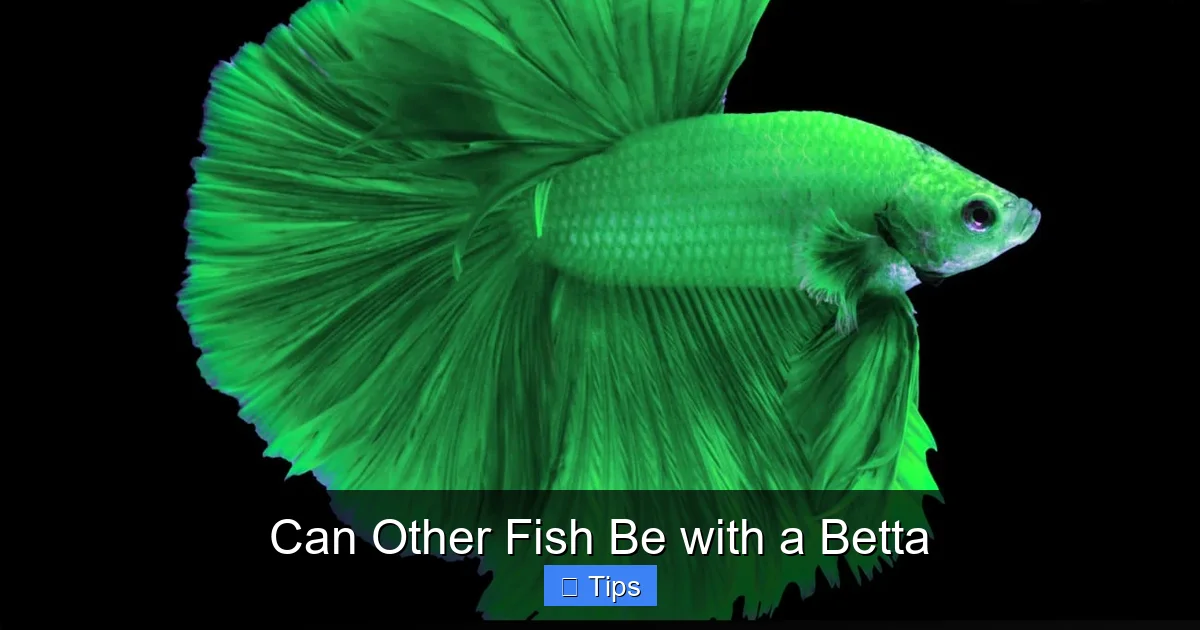
Yes, a betta fish can sometimes live with other fish, but it requires careful planning and species selection. Betta splendens, or Siamese fighting fish, are famously territorial and aggressive, especially males. Success depends on your betta’s unique personality, a properly sized and decorated tank, and choosing peaceful, non-flashy tank mates from a shortlist of proven compatible species. Always have a backup plan and be prepared to separate fish if aggression occurs.
So you’ve fallen in love with the flowing fins and vibrant colors of a betta fish. You’ve set up a beautiful, heated tank just for your new aquatic companion. But then a thought creeps in: “Can other fish be with a betta?” It’s a common and excellent question. The iconic reputation of the betta as a solitary, fighting fish can make the idea of a community tank seem impossible. However, the reality is far more nuanced. With the right knowledge, preparation, and a little luck, you can successfully create a peaceful underwater community where your betta coexists with other aquatic life.
This guide will walk you through everything you need to know. We’ll debunk myths, explore the critical factors that determine success or failure, provide a detailed list of potential tank mates (and dangerous ones to avoid), and give you a step-by-step plan for introduction. Think of this not as a simple yes-or-no answer, but as a roadmap to making an informed, responsible decision for your betta and any future tank mates.
Key Takeaways
- Not all bettas are the same: Your individual betta’s personality is the biggest factor; some are docile, others are deeply hostile.
- Tank size is non-negotiable: A minimum of 10 gallons is strongly recommended for any community tank with a betta; larger is always better.
- Choose tank mates wisely: Target peaceful, short-finned, non-nippy fish from cooler water regions that occupy different tank levels.
- The tank setup is your best tool: Ample plants, hiding spots, and visual barriers are essential to reduce stress and territorial disputes.
- Never house two male bettas together: This will result in fatal fighting. Female bettas can sometimes be kept in sororities, but this is advanced and risky.
- Always observe and have a plan B: Monitor all fish closely for the first 72 hours and be ready to separate them immediately if problems arise.
- Invertebrates are not guaranteed safe: While shrimp and snails are common options, a curious or aggressive betta may still see them as food.
📑 Table of Contents
- Understanding the Betta: More Than Just a “Fighter”
- The Golden Rules: Non-Negotiable Tank Setup
- The Ideal Tank Mates: A Short, Curated List
- The Danger Zone: Fish to Absolutely Avoid
- The Introduction Process: Patience is Everything
- Troubleshooting and Advanced Scenarios
- Conclusion: A Rewarding Challenge with Realistic Expectations
Understanding the Betta: More Than Just a “Fighter”
Before we even think about other fish, we must understand the animal at the center of our question. The betta’s reputation comes from its history. For centuries, they were bred in Thailand for aggressive sparring matches, much like roosters. This selective breeding for aggression, particularly in males, has left a lasting mark on their genetics and behavior. To successfully house a betta with others, we must work with, not against, this inherent nature.
The Science of Aggression: Flaring and Territory
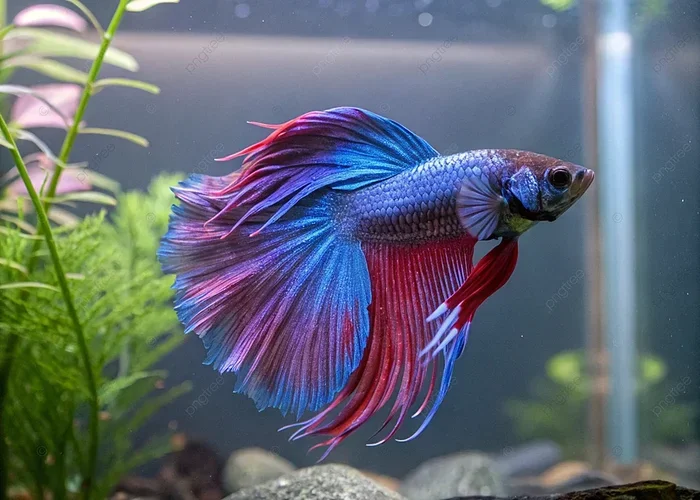
A betta’s aggression is primarily territorial and directed towards other fish that resemble it—long, flowing fins, bright colors, or a similar body shape. Their primary weapon is their gill covers, which they flare out to appear larger and more intimidating. This “flaring” is a clear warning sign. In the wild, bettas are solitary creatures that claim a small patch of vegetation or surface area. They are not schooling fish and prefer their own space. This means a betta does not get “lonely” in the way a schooling fish might; it is content to be the sole center of attention in its domain.
Male vs. Female Temperaments
The most critical distinction is between male and female bettas. Male bettas are almost always the ones sold in pet stores, with their spectacular, long fins. They are the ones with the most pronounced aggressive and territorial instincts. Female bettas, while still capable of aggression, are generally less flamboyantly finned and can be slightly less territorial. However, this is a generalization. Some females are just as feisty as males. The rule of thumb is: never assume a female is automatically peaceful. There is also a practice called keeping a “betta sorority,” which is a group of 4-6 female bettas in a heavily planted, large tank (minimum 20+ gallons). This is a complex, advanced setup that requires immense experience to manage, as a strict hierarchy develops and bullying can be severe. For this article, our primary focus is on the common scenario: a single male or female betta in a community tank.
The Golden Rules: Non-Negotiable Tank Setup
You can have the most peaceful betta in the world, but if the tank is wrong, the venture will fail. The environment is your primary tool for managing your betta’s territorial instincts. A bad setup creates stress, which leads to aggression and disease.
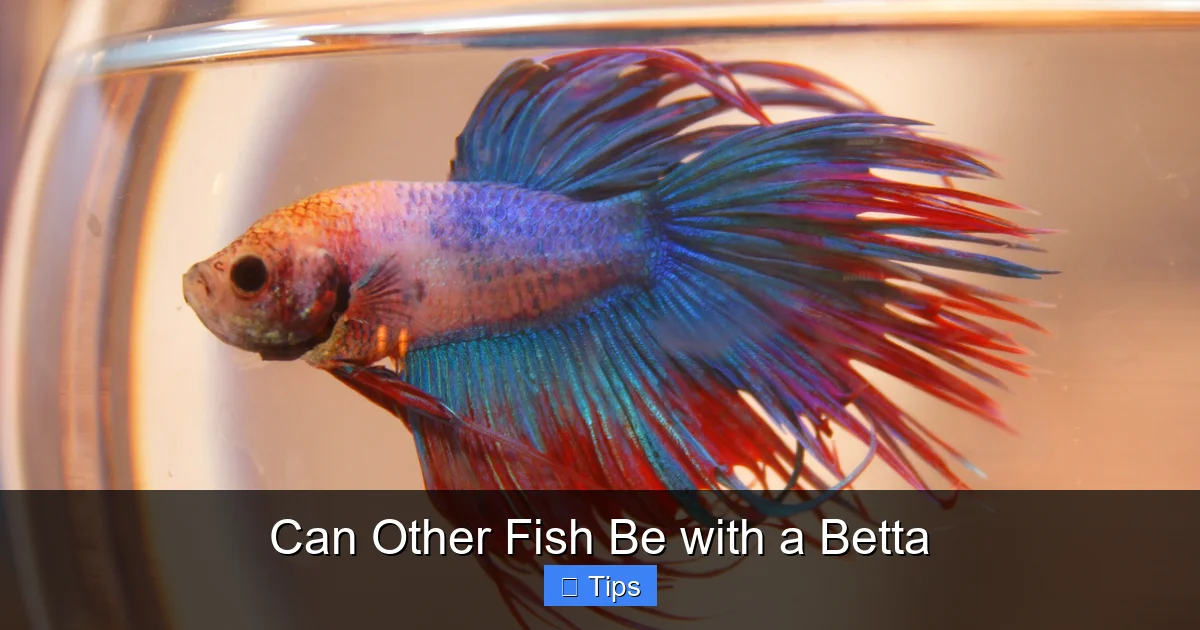
Visual guide about Can Other Fish Be with a Betta
Image source: fishkeepingadvice.com
Tank Size: Bigger is Infinitely Better
This is the number one mistake new betta keepers make. The tiny, decorative “betta bowls” are animal cruelty, not homes. For a betta alone, a 5-gallon heated and filtered tank is the absolute bare minimum. For adding tank mates, you must start at 10 gallons and go up from there. Why? Space dilutes territory. In a 2.5-gallon tank, your betta sees every inch as its personal property. Any intruder is an immediate threat. In a 20-gallon long tank, your betta might claim the top half near the heater and filter outflow, while other fish can peacefully occupy the middle and bottom levels without encroaching. More space also means more stable water parameters, which is crucial for all fish health. A 10-gallon tank is the starting line; a 20-gallon or larger is the sweet spot for a beginner-friendly community.
The Power of Plants and Décor: Creating Visual Barriers
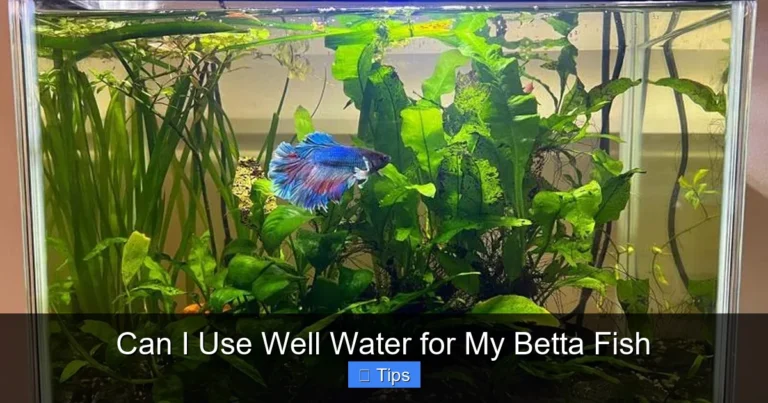
A bare tank is a stress factory. Your betta needs places to hide and, more importantly, you need to break the line of sight. If your betta can see another fish from one end of the tank to the other, it will perceive it as a constant invader in its territory. You must create a “jungle” using:
- Live Plants: The gold standard. Plants like Java fern, Anubias, Amazon swords, and floating plants (like dwarf water lettuce or frogbit) provide excellent cover, reduce stress, and improve water quality. Betta love lounging under floating plants.
- Silk or Soft Plastic Plants: Good alternatives if live plants are too daunting. Avoid any plants with stiff, sharp edges that can tear delicate betta fins.
- Driftwood and Rock Caves: Provide hiding spots at the mid and lower levels for other fish.
- Pots and PVC Pipes: Commercial fish-safe pots or sections of PVC pipe can create perfect, secure tunnels.
The goal is to create a tank where a fish cannot see a clear path from one side to the other. This visual fragmentation is your best defense against territorial chasing.
Lighting and Water Parameters
Bettas prefer slightly warmer water (78-80°F or 25.5-26.5°C) and a calm surface (avoid strong filter currents). Many of their ideal tank mates come from similar tropical climates. Use a gentle filter (a sponge filter is perfect for bettas) and a heater with a reliable thermostat. Dimmer lighting often mimics their natural shaded habitat and can make both bettas and other fish less skittish.
The Ideal Tank Mates: A Short, Curated List
Now for the core of the question. Which fish have the best chance of success? The perfect betta tank mate is: non-territorial, peaceful, does not have bright colors or long flowing fins that trigger the betta’s rivalry instincts, occupies a different tank level, and prefers similar warm water conditions. Here are the top contenders, starting with the safest bets.
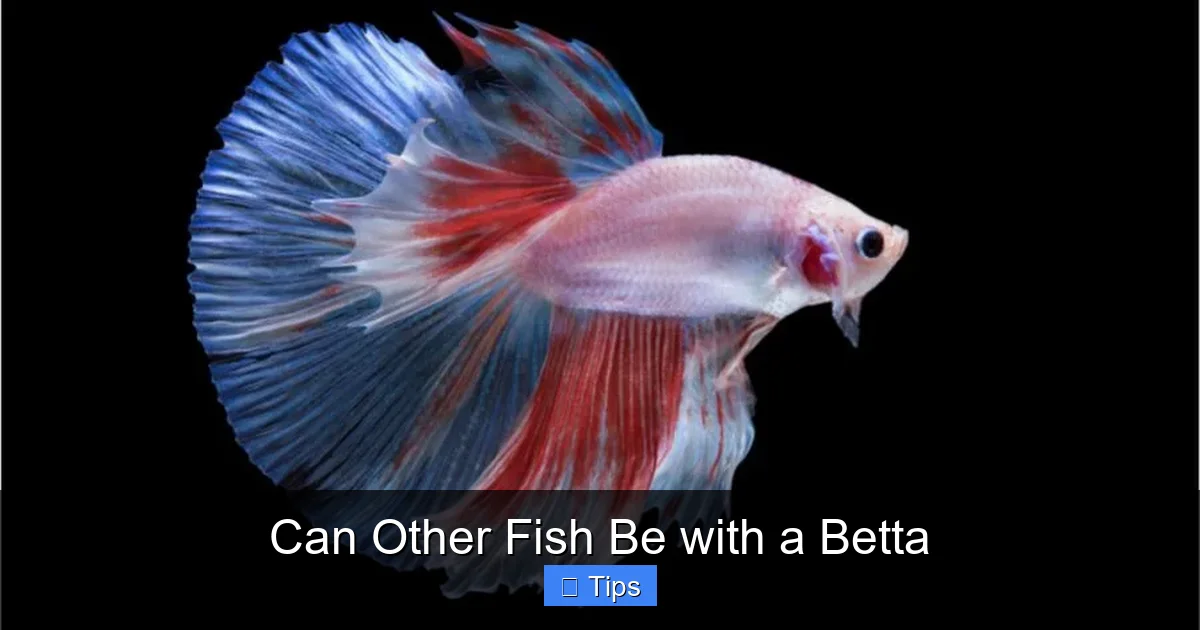
Visual guide about Can Other Fish Be with a Betta
Image source: acaquarium.com
Top Tier: The Safest Bets
- Kuhli Loaches (Pangio kuhlii): These amazing, eel-like loaches are nocturnal, have no visible fins to flare, and spend their time burrowing in the substrate or hiding under decorations. They occupy the very bottom, a zone bettas rarely patrol. They are social and should be kept in groups of 5+. A fantastic, fascinating addition.
- Harlequin Rasboras (Trigonostigma heteromorpha): A classic for a reason. They are small (2 inches), have a peaceful, active disposition, and prefer to school in the mid to upper levels. Their orange/red color is a different hue than a betta’s, and they are fast and agile enough to avoid a chasing betta. Keep them in groups of 6+.
- Celestial Pearl Danios (Danio margaritatus) / Chili Rasboras (Boraras brigittae): These tiny, beautiful nano fish (under 1 inch) are excellent. They are active, peaceful schooling fish that add sparkle to the mid-levels. Their small size means they are not seen as a threat, and they are too quick to be a target for a mildly interested betta.
- Ember Tetras (Hyphessobrycon amandae): Another brilliant nano fish. Their fiery orange color is stunning, but their tiny size (0.8 inches) and hyperactive, schooling nature make them poor targets for a betta. They add a beautiful, shimmering cloud of activity.
Good Candidates (With Caveats)
- Small Corydoras Catfish (Corydoras pygmaeus, C. hastatus, C. habrosus): The “dwarf corys” are excellent. They are cute, armored, and spend all day on the bottom, sifting through sand for food. They are social and must be in groups of 6+. Their “armor” can deter a nipping betta. Avoid larger, more boisterous cory species.
- Otocinclus Catfish: The dedicated algae eater. They are very small, peaceful, and cling to glass and leaves. They are a bit more sensitive to water quality and need a well-established tank with algae to graze. Keep a small group of 3-5.
- Bristlenose Plecostomus (Ancistrus sp.): This is for larger tanks only (30+ gallons). The common bristlenose is a peaceful, armored pleco that stays relatively small (4-5 inches). Its bony plates and suction-cup mouth make it unappetizing. However, some bettas may harass it, and it produces a lot of waste. Not for beginners or small tanks.
- African Dwarf Frogs (Hymenochirus boettgeri): A true invertebrate option that is fully aquatic. They are peaceful, funny little frogs that occupy the bottom. They need easy access to the surface to breathe. The key is to ensure your betta does not try to nip at their legs. A heavily planted tank is essential. They are not fish, but a popular companion.
The Invertebrate Question: Shrimp and Snails
Shrimp and snails are often the first thing people think of, but they come with significant warnings.
- Amano Shrimp (Caridina multidentata): By far the best shrimp candidate. They are large (2+ inches), fast, and have a low-profile, translucent appearance. They are primarily algae eaters and are quite skittish. A betta might chase one occasionally, but they are usually too big and quick to be considered a meal. Start with 3-5 in a 10+ gallon tank.
- Ghost Shrimp / Grass Shrimp (Palaemonetes sp.): These are commonly sold as “feeder shrimp.” They are smaller, more active, and can be good cleaners. However, their transparency is their only defense. A determined betta will eat them. They are a gamble, best tried in a large, heavily planted tank.
- Cherry Shrimp (Neocaridina davidi): High risk. Their bright red color is a major trigger for a betta’s predatory instincts. They are small and slow. They make great breeders, but you are essentially providing an all-you-can-eat buffet for your betta. Some bettas ignore them, many do not. Not recommended for a first community tank.
- Snails (Nerite, Ramshorn, Mystery): Snails are generally safe from being eaten due to their hard shells. However, a persistent betta may still nip at their antennae or try to flip them over. Nerite snails are excellent because they do not reproduce in freshwater and have beautiful patterned shells. They are great algae eaters. Mystery snails are larger and also good, but they produce a lot of waste and may need supplemental calcium. Snails are a relatively low-risk addition.
The Danger Zone: Fish to Absolutely Avoid
Just as important as knowing who to add is knowing who to keep far, far away. These fish are guaranteed to cause problems, stress, injury, or death.
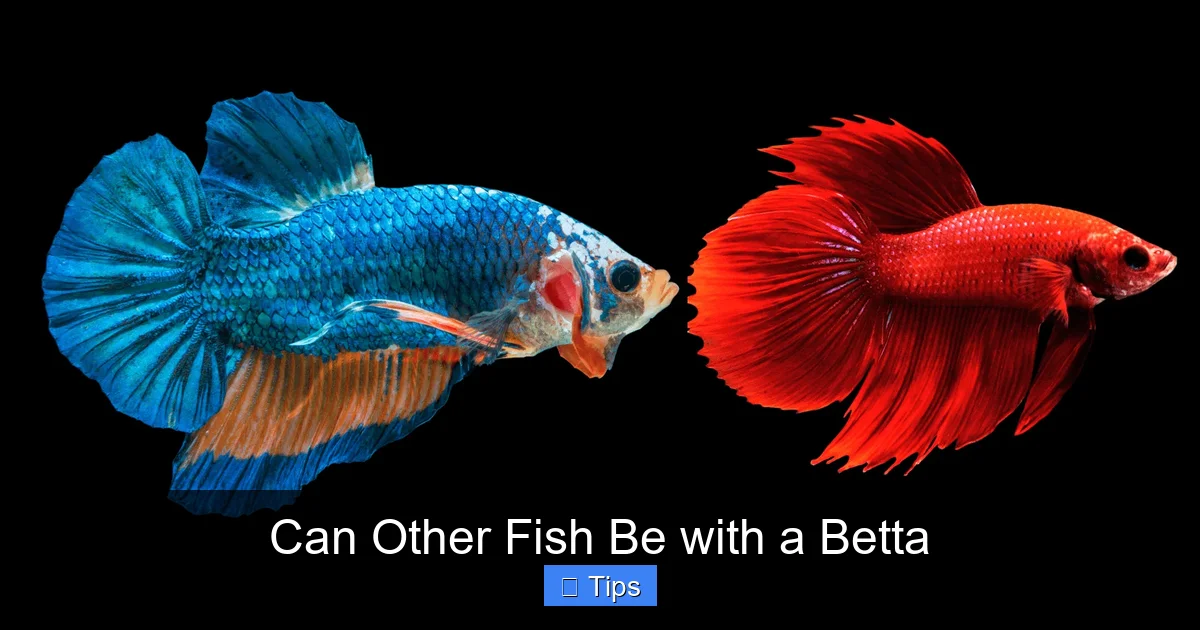
Visual guide about Can Other Fish Be with a Betta
Image source: aniimad.com
Any Fish with Long, Flowing Fins
This is the cardinal rule. Your betta will see these fish as rival males and attack them relentlessly.
- Fancy Guppies: The most common mistake. Male guppies have gorgeous, large caudal fins that are a perfect target. Your betta will harass and likely kill them.
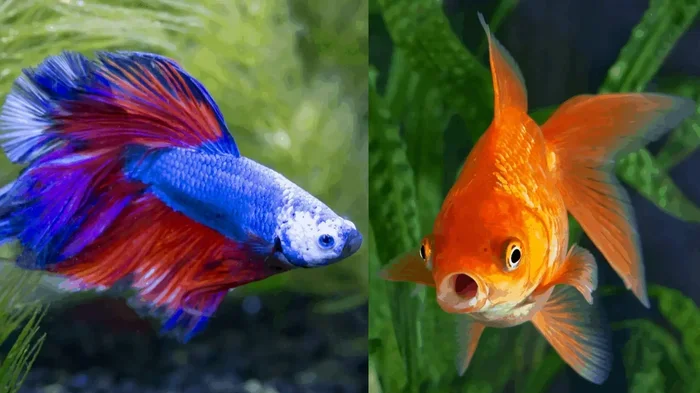
- Fancy Goldfish: Beyond the fin issue, goldfish are cold-water fish that need vastly different water conditions (they also produce immense amounts of waste). A terrible match.
- Siamese Algae Eaters (Crossocheilus oblongus): Despite the name, they are not related to bettas. They are large, active, and can be semi-aggressive. They also grow over 6 inches and are not suited for small tanks.
- Other Bettas: Never, under any circumstances, put two male bettas together. They will fight to the death. Female bettas can sometimes be housed in groups (sororities), but this is not a community tank with other species and is not for beginners.
Fin-Nippers and Hyper-Active Fish
Some fish have a habit of nipping at the long, flowing fins of slow-moving fish like bettas. They can cause severe stress and physical damage.
- Tiger Barbs, Rosy Barbs, and most other barbs: Famous fin-nippers. Avoid entirely.
- Some Tetra species: While many tetras (like neons) are peaceful, some, like serpae tetras, are known to be nippy. Research the specific species thoroughly.
- Danios (Zebra, Leopard): These are very fast, boisterous swimmers that can constantly stress a slower, more deliberate betta by chasing it.
Aggressive or Large Fish
- Cichlids (most): Even small African cichlids are often aggressive and territorial. They will bully or kill a betta.
- Large Catfish: Many, like some plecos, can be rough or suck on the slime coat of other fish.
- Any fish that is known to be aggressive or dominant in its own right. You are pairing a potentially aggressive fish with a potentially aggressive fish—this is a recipe for disaster.
The Introduction Process: Patience is Everything
You have a 15-gallon long tank, heavily planted with Java fern and Anubias, a gentle sponge filter, a school of 8 ember tetras, and a single, seemingly calm betta named Apollo. Now what? Rushing the introduction is the fastest way to failure. You must follow a careful, patient protocol.
Step 1: The Quarantine Tank (Optional but Highly Recommended)
Before anything, if you are adding fish from a store or another tank, it is best practice to quarantine them for 2-4 weeks in a separate hospital tank. This prevents the introduction of diseases or parasites into your main display tank. This is especially important for delicate nano fish like CPDs or otos.
Step 2: The “New Tank” Setup
Always add your community fish before you add the betta. Here’s why: if you add the betta first, it will claim the entire tank as its territory. When you add other fish later, it will see them as invaders and attack. If you add a school of peaceful fish first, they will establish their own territories and routines. The tank will already have activity and movement that is normal. Then, when you add the betta (using a drip acclimation method to match water parameters), it is entering an established community, not an empty territory it can claim. This does not guarantee success, but it significantly increases the odds.
Step 3: The Observation Period (The First 72 Hours)
For the first three days after adding the betta, you must be a constant observer. Keep a towel or piece of cardboard handy to cover the tank if you need to intervene. Watch for these behaviors:
- Flaring: The betta flaring its gills at another fish is a warning. Occasional, brief flaring at a fish that swims too close can be normal boundary setting.
- Chasing: A betta that relentlessly pursues another fish around the tank, causing it to hide constantly and not eat, is a major red flag. This causes extreme stress and will lead to the death of the chased fish.
- Nipping: Any physical contact where the betta bites another fish, especially at fins, is unacceptable and must be stopped immediately.
- Hiding: If your betta spends all day clamped in a corner, hiding, and not coming out to eat, it is terrified and stressed by the tank mates.
The key is to look for balance. The betta may flare once or twice when a school of rasboras swims past its favorite log, then go back to lounging. The other fish should swim freely, feed normally, and only occasionally give the betta a wide berth. If chasing is constant, the plan has failed.
Step 4: Intervention and The Backup Plan
If aggression is constant and severe, you must act. Have a hospital tank or “hospital bucket” (a cycled, filtered, heated 5-gallon tank) ready at all times. You can either:
- Remove the betta: If the betta is the aggressor, move it back to its own solo tank. The community can then thrive.
- Remove the victim: If another fish is being relentlessly bullied and is hiding, injured, or not eating, move that fish to safety. You will then have to rehome it or keep it separately.
This is not a failure of your setup; it is a failure of that particular betta’s temperament. Many bettas simply cannot live with others, and that is okay. Providing a beautiful, enriched solo tank is a perfectly valid and responsible choice.
Troubleshooting and Advanced Scenarios
Even with a perfect setup and compatible species list, things can go wrong. Let’s address some common questions and tricky situations.
“My betta is flaring at its reflection! Is that a problem?”
This is extremely common and usually not a cause for major concern. Bettas do not recognize their own reflection and will flare at it, especially during the morning “mirror test” when they are most active. This is a natural exercise for them. However, if your betta is spending all day obsessively flaring at the glass, to the point it is not eating or resting, you may need to:
- Use a background on the outside of the tank to block reflections.
- Ensure there is enough distraction and activity from real tank mates.
- Check for other stressors (water quality, tank mates it can see through the glass from a neighboring tank).
What About Shrimp-only or Snail-only Tanks?
This is a popular alternative. A betta with a large colony of Amano shrimp or a few nerite snails can work beautifully. The shrimp are there as “clean-up crew” and interesting scenery, not as interactive schooling fish. The betta may chase a shrimp now and then, but in a well-planted tank, the shrimp have places to hide. This is often a lower-stress option than adding fish, as shrimp and snails do not trigger the same territorial or rivalry instincts in most bettas (though cherry shrimp are still a big risk).
Can I Keep a Female Betta in a Community?
Yes, it is often easier to keep a female betta in a community than a male, simply because they lack the dramatic, flowing fins that trigger aggression in other bettas and are generally less territorial. The same rules apply: a 10+ gallon tank, plenty of plants, and peaceful tank mates. A female betta’s personality can still range from shy to bold, so the same careful introduction process is mandatory.
The “Sorority” Warning
As mentioned, a betta sorority (multiple female bettas) is a specialized setup. It requires a minimum 20-gallon long tank, heavily planted to create many visual barriers, and a group of at least 5-6 females to diffuse aggression. It is a delicate balance that often collapses, leading to severe injuries or deaths. It is not a beginner community tank and should only be attempted by very experienced aquarists who understand betta hierarchy and have a robust hospital tank ready.
Conclusion: A Rewarding Challenge with Realistic Expectations
So, can other fish be with a betta? The answer is a qualified yes, but…. The “but” is everything. It’s a “yes” that comes with the responsibility of providing a spacious, complex, and well-maintained environment. It’s a “yes” that demands you choose your tank mates from a very specific, short list of peaceful, unassuming species. It’s a “yes” that hinges on the individual personality of your betta—a factor you cannot control.
Think of it not as forcing your betta to make friends, but as carefully designing an ecosystem where your betta’s territorial needs are met by the space and décor, and where other fish can live their lives in the same water without posing a threat. Start with a 10-gallon tank, a school of harlequin rasboras or ember tetras, and a jungle of plants. Add your betta last. Watch closely for 72 hours. Be prepared to separate if needed.
If it works, you will have created one of the most stunning and dynamic community tanks in the hobby—a vibrant tapestry of life centered around your magnificent betta. If it doesn’t, you have not failed. You have simply learned that your betta is a true solitary, and providing it with a beautiful, enriched solo kingdom is the greatest act of care you can give. The journey to the right answer for your specific fish is part of the rewarding, ever-educational adventure of fishkeeping.
Frequently Asked Questions
What is the absolute minimum tank size for a betta with tank mates?
While a single betta can live in a 5-gallon tank, adding any tank mates requires a minimum of 10 gallons. This provides enough space to dilute territory and create distinct zones. A 20-gallon long tank is even better and offers a much higher chance of success.
Can I keep my male betta with guppies or other fancy fish?
No, you should never house a male betta with guppies, fancy goldfish, or any fish with long, flowing fins. The betta will perceive them as rival males and will chase, nip, and likely kill them due to their instinctual aggression towards similar-looking fish.
Are shrimp and snails safe tank mates for a betta?
It’s a calculated risk. Large, fast shrimp like Amanos are the safest bet. Common “feeder” ghost shrimp and especially brightly colored cherry shrimp are often eaten. Snails (like nerites) are generally safe from being eaten due to their shells, but a betta may still nip at their antennae. Always have a backup plan.
How do I know if my betta is stressed by its tank mates?
Look for constant, relentless chasing of other fish, the betta hiding all day and not eating, frantic darting, or loss of color. The other fish should also be able to swim freely and feed without constant fear. Occasional flaring or brief chasing is normal boundary-setting; constant persecution is not.
Can I put a female betta in a community tank?
Yes, female bettas are often better candidates for community tanks than males because they lack the dramatic fins that trigger aggression and are typically less territorial. The same strict rules about tank size, plants, and peaceful tank mates apply. Always introduce the community fish first, then the female betta.
My betta flares at its reflection. Should I be worried?
Occasional flaring at its reflection is normal betta behavior and not usually harmful. It’s a natural response. If your betta is spending all day obsessively flaring and not eating, try covering the tank’s sides with paper or a background to eliminate the reflection. Ensure the tank has plenty of real activity and plants to distract it.