Feeding a betta fish correctly is crucial for its health and longevity. The general rule is to feed your betta once or twice daily, offering only what it can consume in 2-3 minutes, typically 2-3 pellets or a small pinch of food. Overfeeding is the most common mistake and leads to serious health issues like constipation, swim bladder disorder, and fatal water pollution. A varied diet of high-quality pellets, frozen foods, and occasional live treats ensures complete nutrition. Implementing a weekly fast can aid digestion and prevent obesity. Ultimately, your betta’s feeding routine must be consistent, measured, and paired with pristine water quality.
So, you’ve brought home a stunning betta fish, with its flowing fins and vibrant colors, and you’re determined to be the best caretaker you can be. You’ve set up a beautiful tank, perfected the water parameters, and chosen the perfect decor. But then, a simple, nagging question surfaces: when do you feed a betta fish? It seems like such a basic query, yet it’s one of the most critical aspects of betta care, and getting it wrong is the fastest track to serious health problems. This isn’t just about dropping some food in the tank; it’s about understanding the biology of this unique carnivorous fish, respecting its tiny digestive system, and establishing a routine that promotes vitality. Let’s dive deep into the science, schedules, and strategies of betta feeding to ensure your aquatic companion thrives for years.
Key Takeaways
- Frequency: Feed adult bettas 1-2 times per day; juveniles may need 2-3 feedings. Consistency with timing helps regulate their metabolism.
- Portion Control: A betta’s stomach is roughly the size of its eye. Offer 2-3 high-quality pellets or an equivalent small portion that is consumed within 2-3 minutes.
- Avoid Overfeeding: This is the #1 cause of betta health problems. Uneaten food decays, polluting the water and causing constipation, swim bladder issues, and bloating.
- Diet Variety: Base the diet on nutritionally complete betta pellets, but supplement 2-3 times a week with frozen or live foods like brine shrimp or daphnia for essential proteins and fiber.
- Weekly Fast: Withhold food for one full day per week. This gives the digestive system a rest, helps clear any blockages, and mimics natural feeding patterns.
- Water Quality is Paramount: No feeding schedule can compensate for dirty water. Regular water changes (25-50% weekly) are non-negotiable and directly tied to proper feeding practices.
- Observe Your Fish: Your betta’s body condition and behavior are the best guides. A healthy betta has a slight taper from the head to the tail, is active, and eagerly greets feeding time without frantic, desperate behavior.
📑 Table of Contents
- Understanding the Betta’s Unique Digestive System
- The Golden Rule: How Often Should You Feed?
- The Science of Portion Size: Less is More
- What to Feed: Building a Nutritious and Varied Diet
- Common Feeding Mistakes and How to Avoid Them
- The Strategic Fast: Why and How to Withhold Food
- Special Considerations: Life Stages and Health Issues
- Conclusion: Feeding as an Act of Observation and Care
Understanding the Betta’s Unique Digestive System
Before we can answer “when,” we must understand “why.” The betta fish, or Betta splendens, is a carnivore by nature. In the shallow, warm waters of Thai rice paddies, it survived on a diet of insects, larvae, and tiny crustaceans. This evolutionary history has left it with a very short, simple intestinal tract designed for processing protein, not plant matter. Its stomach is incredibly small—a common and effective visual guide is that it’s about the size of its eyeball. This biological fact is the absolute cornerstone of proper feeding.
The Consequence of a Tiny Stomach
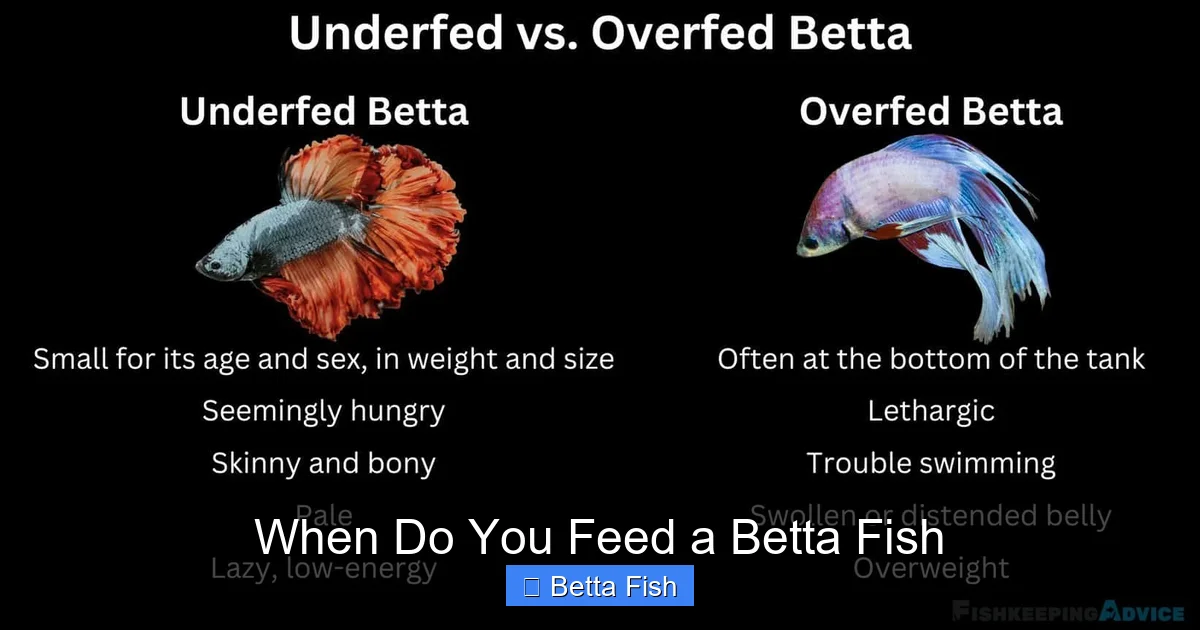
That minuscule stomach capacity means your betta cannot process large volumes of food. When you overfeed, you’re not just giving it a full belly; you’re overwhelming a system built for frequent, tiny meals. The food sits in its gut, fermenting and causing constipation. This constipation is a direct contributor to the dreaded swim bladder disorder, where the fish loses buoyancy control, swimming upside down or floating helplessly. Furthermore, any food that is not immediately eaten will sink, begin to decompose, and spike the ammonia and nitrite levels in your tank. For a fish that gulps air from the surface, poor water quality is a direct assault on its labyrinth organ. Therefore, the timing and quantity of feeding are inextricably linked to water quality and digestive health.
The Golden Rule: How Often Should You Feed?
Now, to the core question: when do you feed a betta fish? The established guideline for a healthy adult betta is once per day. Many experienced keepers successfully feed twice a day, provided the portions are strictly controlled. The key is consistency. Pick a time—perhaps once in the morning and once in the evening if feeding twice—and stick to it. This routine helps regulate your betta’s metabolism and digestive processes. You will quickly notice your betta learn to anticipate feeding time, often swimming to the front of the tank eagerly.
Visual guide about When Do You Feed a Betta Fish
Image source: i.pinimg.com
Age and Activity Level Matter
This general rule has exceptions. Juvenile bettas, those under 4-6 months old, are growing rapidly and have higher energy demands. They can be fed two to three times per day, but with equally tiny portions at each feeding. Conversely, an older, less active betta may only need a single small meal or even benefit from a longer fasting period. Always observe your individual fish. Is it a hyperactive, curious swimmer, or a more sedate, lounging personality? Adjust slightly based on its activity level, but never based on begging behavior. Bettas are expert beggars and will act starving even when perfectly full.
The Science of Portion Size: Less is More
Knowing the frequency is useless without mastering portion control. The “eyeball rule” is your best tool: feed an amount of food roughly equal to the size of your betta’s eye. For most high-quality betta pellets, this is typically 2-3 pellets per feeding. If using frozen or live foods, it’s a small pinch—imagine the size of a match head. This seems shockingly small to new owners, but it is biologically correct. Your betta’s metabolism is slow, and it gets all the nutrients it needs from that tiny amount. The goal is for it to consume every single morsel within 2-3 minutes of being offered.
Visual guide about When Do You Feed a Betta Fish
Image source: fishkeepingadvice.com
Practical Tips for Measuring
Use a dedicated, dry spoon or your thumb and forefinger to measure pellets. Never “eyeball” it over the tank, as it’s easy to overestimate. A great practice is to pre-portion your betta’s meal in a small dish before approaching the tank. This removes the temptation to add “just one more.” After the 2-3 minute window, use a net or turkey baster to immediately remove any uneaten food. This is not optional; it is a critical step in preventing water contamination. If you consistently have leftover food, your portion is too large.
What to Feed: Building a Nutritious and Varied Diet
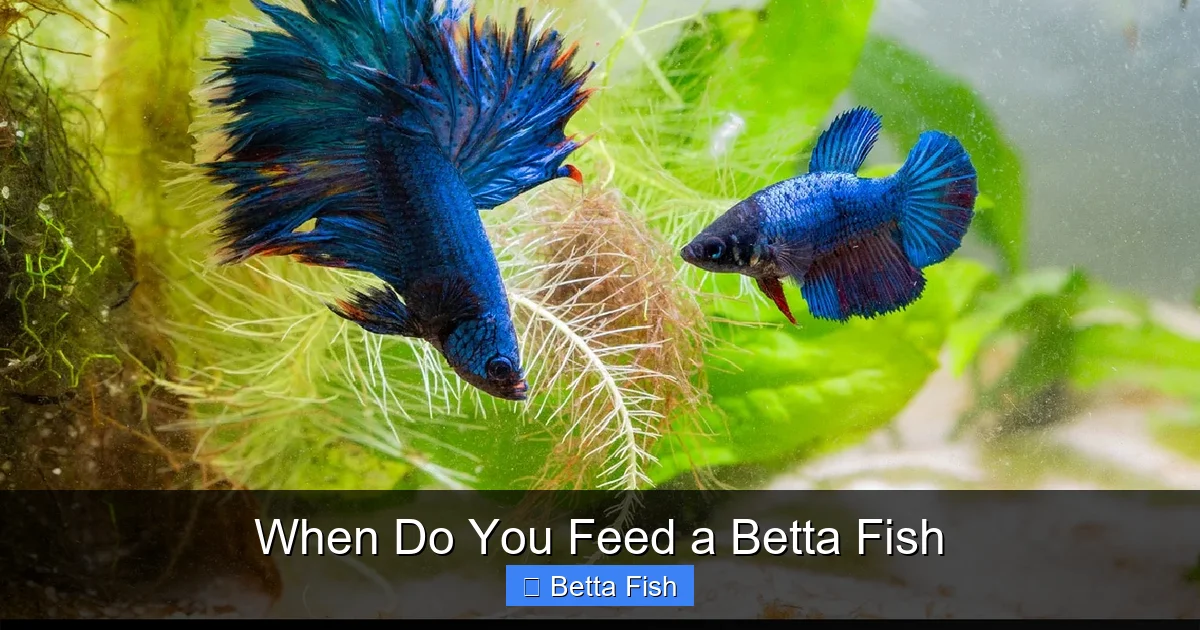
The question “when do you feed a betta fish?” is only half the equation. The “what” is equally important. A monotonous diet of only one type of food leads to nutritional deficiencies. Think of your betta’s diet as a pyramid. The solid, wide base should be a high-quality, nutritionally complete betta pellet or granule specifically formulated for carnivores. These are designed to float, are easy to portion, and contain balanced proteins, fats, vitamins, and minerals.
Visual guide about When Do You Feed a Betta Fish
Image source: buildyouraquarium.com
The Importance of Supplementation
The top of the pyramid—the smaller, more frequent additions—should consist of protein-rich, fiber-providing treats. Frozen foods are an excellent and safe choice. Daphnia (water fleas) are fantastic as a natural laxative to prevent constipation. Frozen brine shrimp or bloodworms are high-protein treats that bettas love. Always thaw a small cube in a dish of tank water before offering. Live foods like microworms or small grindal worms can be offered occasionally but carry a risk of introducing parasites if not sourced carefully. Avoid freeze-dried foods as a staple, as they can cause digestive issues due to rehydration in the gut. Never feed plant-based flakes meant for herbivores, or human foods like peas (unless specifically recommended for constipation by a vet).
Common Feeding Mistakes and How to Avoid Them
Even with the best intentions, betta owners frequently fall into traps that jeopardize their fish’s health. Recognizing these mistakes is the first step to correcting them.
Mistake 1: The “He’s Still Hungry” Syndrome
Your betta flares, follows your finger, and pounces at the glass. This is not a sign of starvation; it’s a learned behavior. In the wild, food is scarce, so bettas are hardwired to eat whenever possible. In captivity, with regular meals, they are almost never truly hungry. Feeding more because of begging is the fastest way to create an obese, constipated, and sick betta. Stick to your measured portions regardless of performance.
Mistake 2: Ignoring Water Quality After Feeding
Feeding and water changes are two sides of the same coin. That tiny bit of leftover food you missed? It’s rotting. The waste produced from digested food? It’s adding to the bio-load. A strict regimen of weekly 25-50% water changes with a gravel vacuum is essential. Siphon debris from the bottom, especially around feeding areas. Clean water dissolves the toxins from inevitable minor overfeeding errors and maintains the pristine environment your betta needs.
Mistake 3: Inconsistent Feeding Times
Feeding at 8 AM one day, 2 PM the next, and 10 PM the third confuses your betta’s internal clock. It can lead to stress, increased begging (as it never knows when food is coming), and irregular digestion. Choose a time that fits your schedule and be a slave to it. Your betta’s health depends on that predictability.
The Strategic Fast: Why and How to Withhold Food
One of the most powerful tools in your betta-keeping arsenal is the deliberate, scheduled fast. Once a week, choose a day (many opt for the day before a scheduled water change) and provide no food at all. This 24-hour period allows the digestive tract to fully empty. It’s a natural reset button that helps prevent impaction and constipation, gives the liver a break, and can stimulate appetite for the following days. For a betta showing early signs of bloating or slight constipation, a 2-3 day fast is often the first and most effective treatment before resorting to medications. It mimics the natural feast-or-famine cycles of their wild ancestors and is a simple, highly effective preventive health measure.
Special Considerations: Life Stages and Health Issues
While the guidelines above cover the average adult betta, specific situations require adjustments.
Fry and Juveniles
Newly hatched betta fry have different needs. For the first few days of life, they survive on their yolk sacs. After that, they require infusoria or commercial fry food, fed 3-4 times daily. As they grow, you can gradually introduce microworms and baby brine shrimp, then transition to finely crushed pellets around 4-6 weeks. Their high metabolism demands frequent, tiny feedings.
Ill or Constipated Bettas
If your betta is lethargic, has a swollen abdomen, or is exhibiting swim bladder issues (floating or sinking uncontrollably), the first step is a minimum 48-hour fast. Ensure the water is pristine. After the fast, offer a single, small piece of cooked, skinned pea (mashed) or a daphnia to act as a laxative. If there’s no improvement in 24 hours, consult a vet.
Pregnant Females (Egg-Bound)
A gravid female with a large, square egg belly needs excellent water quality and may benefit from a slightly reduced feeding schedule to avoid adding pressure to her digestive system. Focus on high-quality, easily digestible foods like daphnia.
Conclusion: Feeding as an Act of Observation and Care
Ultimately, answering “when do you feed a betta fish” is less about a rigid clock and more about developing a mindful, observant approach. It’s about understanding that your betta’s tiny body is a delicate system where every input has a consequence. The perfect schedule is the one that results in a fish with a streamlined body, vibrant colors, active curiosity, and eager but not frantic feeding responses. It’s the schedule that keeps your tank water clear between changes. Start with the foundational rule: once-a-day feeding of a portion the size of its eye. From there, adjust slightly for age and activity, always prioritize water quality, and don’t be afraid to implement weekly fasts. By respecting the betta’s natural biology and avoiding the common pitfall of overfeeding out of love, you provide the single greatest dietary contribution to its long, healthy, and beautiful life. You’re not just feeding a fish; you’re sustaining a living work of art.
Frequently Asked Questions
Can I feed my betta once every other day instead of daily?
While a healthy adult betta can technically survive on every-other-day feedings, it is not ideal. Bettas are accustomed to frequent, small meals in the wild. A daily, tiny meal is better for metabolic consistency and provides regular nutrient intake. Fasting for one full day per week is a better strategy than a sparse every-other-day schedule.
What are the absolute worst foods I should never give my betta?
Avoid generic tropical fish flakes (they are plant-based and nutritionally inappropriate), bread (swells in the gut causing constipation), and raw vegetables (betts cannot digest cellulose). Also, avoid overfeeding any “betta bites” or “betta crisps” that are mostly fillers. Stick to high-quality carnivore pellets and protein-rich frozen or live foods.
My betta spits out its pellets. Is it not hungry, or is the food bad?
Bettas often grab a pellet, spit it out, and then eat it. This is normal behavior, possibly related to texture or size. If they consistently spit out and ignore the same pellets after a few attempts, the pellets may be too large or of low quality. Try a different brand of smaller-sized pellet or switch to a frozen food like brine shrimp to see if they eat that eagerly.
How long can a betta go without food if I’m away on vacation?
A healthy adult betta can easily go 5-7 days without food and will actually benefit from a longer fast. The real danger on vacation is not feeding, but a lack of tank maintenance. Use an automatic feeder set to dispense a single, pre-measured portion (2-3 pellets) once, or have a friend come over to perform a partial water change and a single feeding. Never use a vacation “food block” that dissolves and fouls the water.
Should I feed my betta at a specific time of day?
Yes, consistency is key. Bettas are diurnal (active during the day). The best times are morning (within an hour of your lights turning on) and early evening (before the tank cools down). Avoid feeding right before the lights go out, as they may not be fully active to hunt and consume the food, leading to waste.
Is it okay to use feeder fish or large live foods for my betta?
No, it is strongly discouraged. Feeder fish (like guppies) can carry diseases and parasites that will infect your betta. Large live foods are also inappropriate; a betta’s mouth and digestive tract are built for small prey. Large foods can cause internal injury or severe impaction. Always match food size to your betta’s mouth—think “bite-sized” for a human, but much, much smaller.


