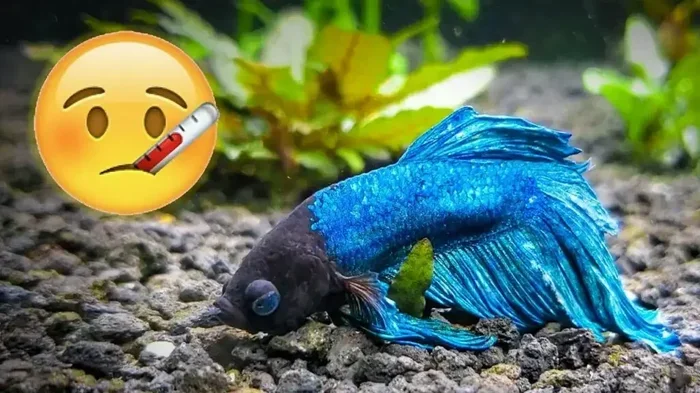
Do Betta Fish Eat Each Other

Betta fish are famous for their fiery personalities, but do they actually eat each other? In most cases the answer is no—aggression, not cannibalism, drives their clashes. Understanding tank setup, feeding habits, and proper introductions can prevent deadly fights and keep your bettas thriving.
Key Takeaways
- Betta aggression ≠ cannibalism: They rarely bite to eat; fights are about territory and dominance.
- Tank size matters: A cramped space increases stress and the chance of lethal encounters.
- Sex and gender influence behavior: Males are more territorial, while females can coexist in sororities with care.
- Feeding routine reduces aggression: Regular, plentiful meals keep bettas less likely to see each other as food.
- Monitor water parameters: Poor water quality spikes stress and can trigger fights.
- Use visual barriers: Plants, caves, or tank dividers give each fish its own “room.”
- Know the signs: Early warning signs—flaring, gill covers, rapid swimming—let you intervene before a bite.
📑 Table of Contents
- Introduction: The Myth of Cannibalistic Bettas
- 1. Why Betta Fish Fight (And Not Eat) Each Other
- 2. When Cannibalism Could Actually Happen
- 3. Setting Up a Tank Where Betta Fights Are Unlikely
- 4. Feeding Strategies That Reduce Aggression
- 5. Recognizing and Responding to Early Warning Signs
- 6. Can Betta Fish Live with Other Species?
- Conclusion: Keeping the Peace Without Fear
Introduction: The Myth of Cannibalistic Bettas
When you first see a male Betta flare its gorgeous fins, it’s easy to imagine a tiny underwater gladiator ready to snap up anything that moves—including its own kind. The internet is full of dramatic videos showing bettas fighting, and many people jump to the conclusion that they eat each other. The short answer is: no, bettas don’t normally eat each other. Their battles are driven by competition for space, mates, and dominance, not hunger.
Understanding the difference between “fighting” and “cannibalism” is crucial for anyone who wants to keep more than one betta, whether you’re planning a male‑female pair, a sorority of females, or a community tank with other species. In this guide we’ll break down the science behind betta aggression, explore the circumstances that could lead to a bite, and give you practical steps to create a peaceful home for your fish.
1. Why Betta Fish Fight (And Not Eat) Each Other
Territorial instincts
Bettas are native to the shallow, slow‑moving waters of Thailand, where each male claims a stretch of surface as its own. In the wild the “territory” includes a bubble nest, a few plants, and a small feeding zone. When two males meet, they display their fins, flare gill covers, and may even lock jaws. The goal is to force the rival out of the area, not to turn the opponent into a snack.
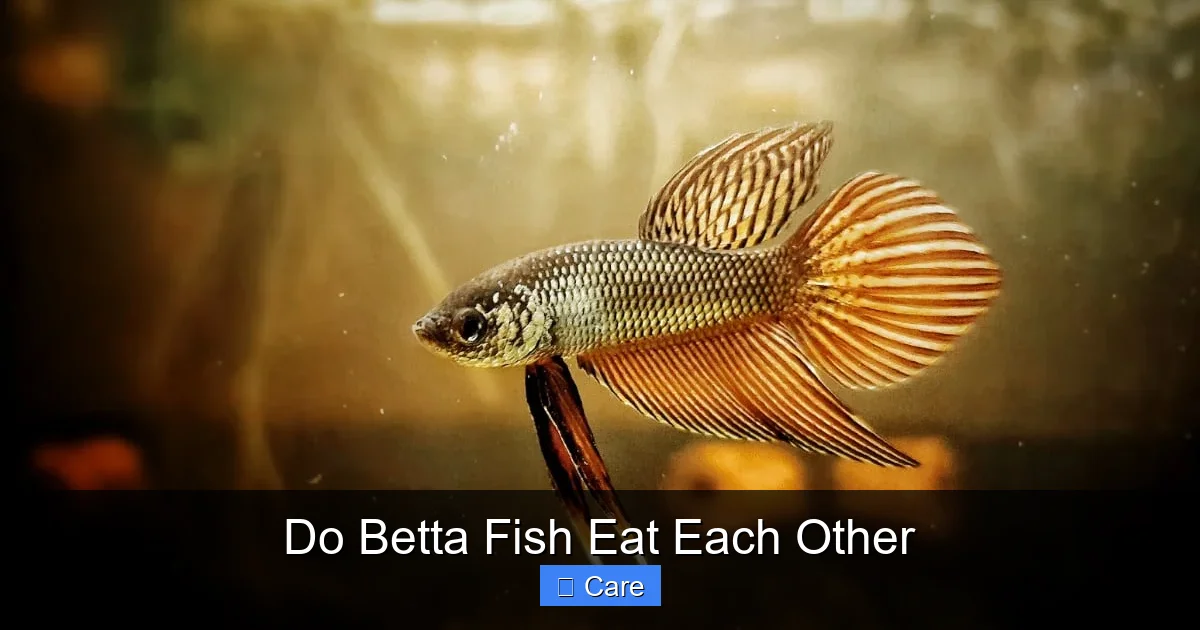
Visual guide about Do Betta Fish Eat Each Other
Image source: theaquaadvisor.com
Hormonal aggression
Male bettas produce higher levels of testosterone, which fuels bold displays and quick reflexes. Female bettas are less aggressive, but a group of females (a “sorority”) can become hierarchical and show occasional pecking order fights. In both cases the aggression is about establishing rank, not about eating.
Misinterpreted bites
During a heated encounter a betta may nip the other’s fins. Those nips can look severe on video, leading viewers to think one fish is being devoured. In reality, the bite is a warning—an attempt to cause enough pain that the opponent retreats.
2. When Cannibalism Could Actually Happen
Extreme hunger
If a betta is severely under‑fed, it may become desperate enough to bite at anything that moves, including a tank mate. This is rare, but it underscores the importance of proper feeding. For guidance on portion size, see our article on How Much Do Betta Fish Eat.
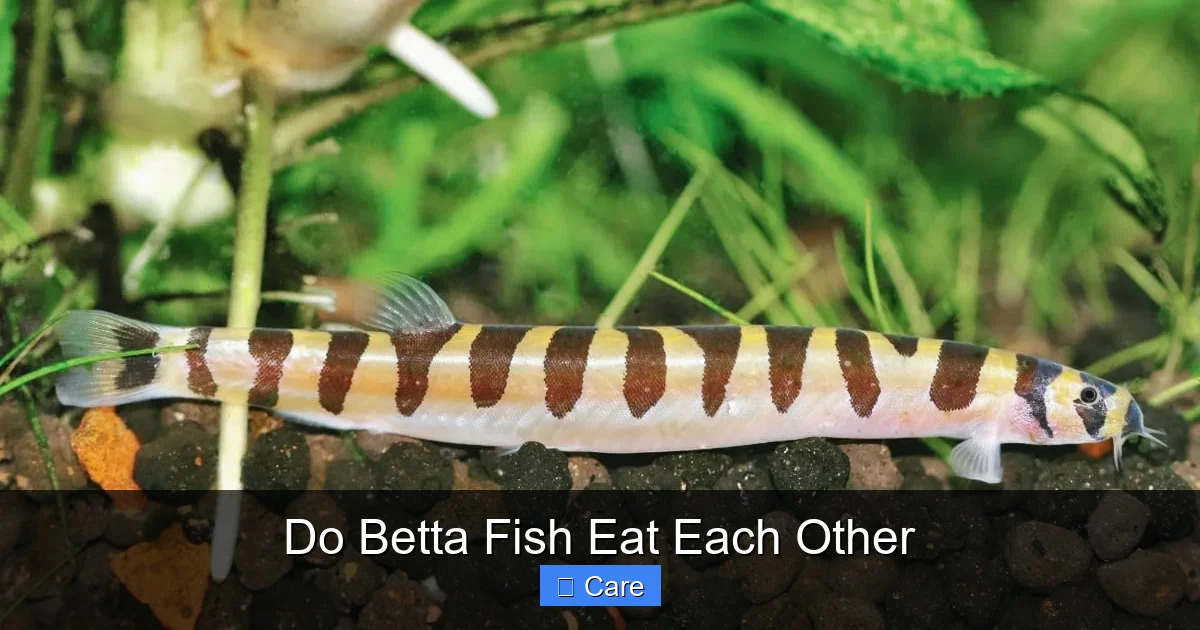
Visual guide about Do Betta Fish Eat Each Other
Image source: theaquaadvisor.com
Very small fry
Betta fry are tiny and vulnerable. An adult betta will often eat its own or another’s fry if given the chance. This is true cannibalism, but it occurs only at the fry stage, not with fully grown adults.
Inadequate tank conditions
Overcrowded or dirty water raises stress hormones, which can push a normally non‑cannibalistic betta over the edge. Ensuring clean, well‑filtered water is a first line of defense.
3. Setting Up a Tank Where Betta Fights Are Unlikely
Size matters
A single 5‑gallon tank is the minimum for one male betta. If you want two males, you need at least 10‑15 gallons each, plus a divider or a long, heavily planted layout to give each fish a clear “personal space.”

Visual guide about Do Betta Fish Eat Each Other
Image source: theaquariumadviser.com
Plants, caves, and visual barriers
Live plants like Java fern, Anubias, or floating “bubbles” create natural walls. Decorations with caves or PVC pipes let each betta retreat when stressed. Visual barriers are especially helpful in sorority setups.
Water parameters
Keep temperature between 76‑82°F (24‑28°C) and maintain a pH of 6.5‑7.5. Stable parameters reduce cortisol spikes that can trigger aggression.
4. Feeding Strategies That Reduce Aggression
Feed multiple times a day
Betta fish have small stomachs. Small, frequent meals keep them satisfied and less likely to view tank mates as food. Check out How Often Do Betta Fish Eat for a feeding schedule guide.
High‑quality protein
Pellets formulated for bettas, supplemented with occasional live or frozen foods (brine shrimp, daphnia), meet their protein needs. A well‑fed betta is a calmer betta.
Separate feeding stations
When housing more than one betta, use two feeding spots at opposite ends of the tank. This prevents one fish from monopolizing the food and reduces competition.
5. Recognizing and Responding to Early Warning Signs
Flaring and gill covers
When a betta flares its fins and expands its opercula (gill covers), it’s displaying dominance. If you see this repeatedly, consider rearranging décor or adding a divider.
Chasing and rapid swimming
Constant pursuit of another fish is a red flag. A short‑term separation (a temporary cup or a breeding box) can break the cycle.
Physical injuries
Torn fins, missing edges, or white spots from bacterial infection indicate a fight has escalated. Treat injuries with a mild dip in aquarium salt solution and improve tank conditions immediately.
6. Can Betta Fish Live with Other Species?
While the focus here is on betta‑to‑betta interactions, many hobbyists wonder about community tanks. Peaceful bottom‑dwellers (cory cats, small loaches) and fast‑swimming neon tetras can coexist if the tank is large enough and hiding places are abundant. For a deeper dive, read Do Betta Fish Live With Other Fish.
Conclusion: Keeping the Peace Without Fear
In short, the answer to “do betta fish eat each other?” is no—unless you’re dealing with starving adults, tiny fry, or severely stressed fish. Most aggressive encounters are about territory, not dinner. By providing ample space, clean water, plenty of food, and visual barriers, you can dramatically lower the odds of a lethal clash.
Remember to watch for early warning signs, feed regularly, and keep the tank environment stable. With these steps, you’ll enjoy the dazzling colors and graceful swims of multiple bettas without the drama of constant fighting.
Frequently Asked Questions
Do betta fish ever bite each other?
Yes, they may nip each other’s fins during a territorial dispute, but they rarely bite to eat. The bites are warnings, not attempts to consume the other fish.
Can male bettas share a tank?
Two adult males can only share a tank if it is very large (10‑15 gallons each) and divided with a solid barrier. Without a divider, aggression usually ends in injury or death.
Are female betta sororities safe?
Yes, a group of 4‑6 females can live together in a well‑planted 20‑gallon tank, provided there are plenty of hiding spots and the tank is monitored for bullying.
What should I do if my betta is constantly fighting?
First, check water quality and temperature. Then add more plants or décor to break line‑of‑sight, and consider feeding at opposite ends of the tank to reduce competition.
Do bettas ever eat their own fry?
Adult bettas often eat their own or other fry if given the chance. Using a separate breeding box or dense floating plants can protect the newborns.
Can I keep bettas with other fish species?
Yes, peaceful, non‑aggressive species such as small tetras, rasboras, or bottom‑dwelling catfish can coexist with a single betta if the tank is large enough and offers plenty of hiding places.