Do Betta Fish Fight
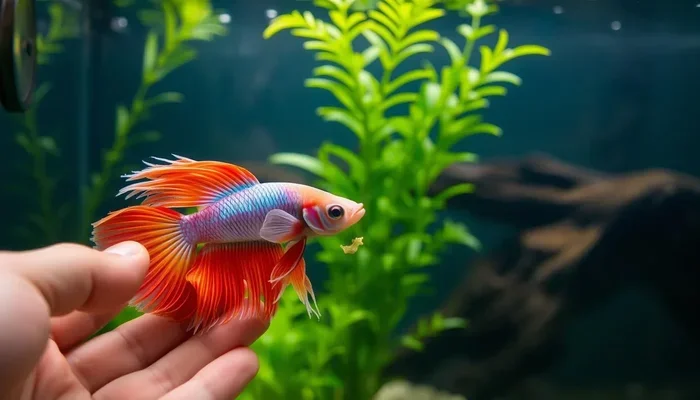
Betta fish are famous for their flashy fins and feisty personalities, but do they really fight? This guide explains the reasons behind betta aggression, when fights are inevitable, and practical steps to create a calm environment for one or many bettas. Read on to keep your fish safe and enjoy their vibrant display without the drama.
Key Takeaways
- Natural aggression: Betta fish are territorial by nature, especially males, and will often display aggression toward rivals.
- Tank size matters: Providing enough space and hiding spots reduces the chance of fights.
- Gender differences: Males are far more likely to fight each other than females, though females can also clash under crowded conditions.
- Water conditions: Stable temperature and clean water calm bettas and lower stress‑induced aggression.
- Proper introductions: Using a gradual, visual introduction method can prevent sudden attacks.
- Signs of stress: Faded colors, clamped fins, and lethargy often precede a fight.
- When to separate: If aggression escalates, immediate separation is essential to avoid injuries.
📑 Table of Contents
- Introduction: The Myth and the Reality
- 1. Why Betta Fish Are Naturally Aggressive
- 2. Do Male Betta Fish Fight Each Other?
- 3. Do Female Betta Fish Fight?
- 4. How to Prevent Unwanted Fights
- 5. Recognizing and Responding to a Fight
- 6. Frequently Asked Questions About Betta Fighting
- Conclusion: Balancing Beauty and Behavior
Introduction: The Myth and the Reality
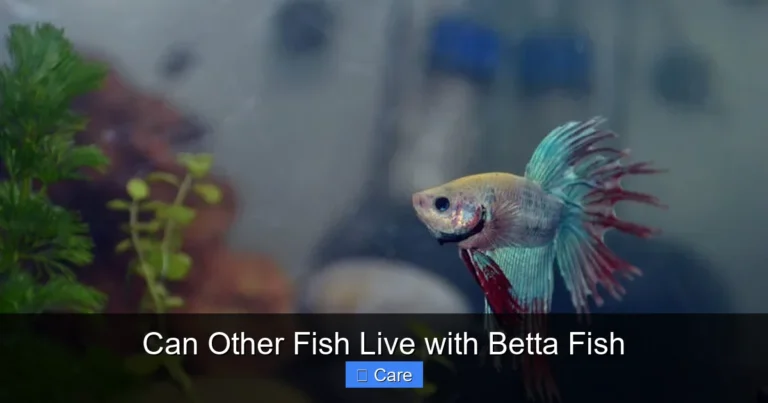
When most people think of betta fish, the first image that pops into their mind is a bright, flowing fin and a dramatic flare of color. Alongside that beauty comes a reputation for fighting—so much so that many hobbyists ask, “do betta fish fight?” The short answer is yes, but the story is more nuanced than a simple “yes.” Understanding why bettas fight, when they are likely to, and how to prevent unwanted battles is key to keeping these gorgeous fish thriving.
In this article we’ll explore the biology behind betta aggression, compare male‑to‑male, female‑to‑female, and mixed‑gender interactions, and give you a toolbox of practical tips. By the end, you’ll feel confident setting up a tank that either showcases a single champion or houses a peaceful community of bettas.
1. Why Betta Fish Are Naturally Aggressive
Territorial instincts
Betta fish (Betta splendens) originated from the shallow rice paddies and slow‑moving streams of Southeast Asia. In the wild, resources such as food, shelter, and breeding sites are limited, so each male stakes out a small territory and defends it fiercely. This instinct has been passed down to the domesticated betta, making them naturally prone to aggression toward perceived intruders.
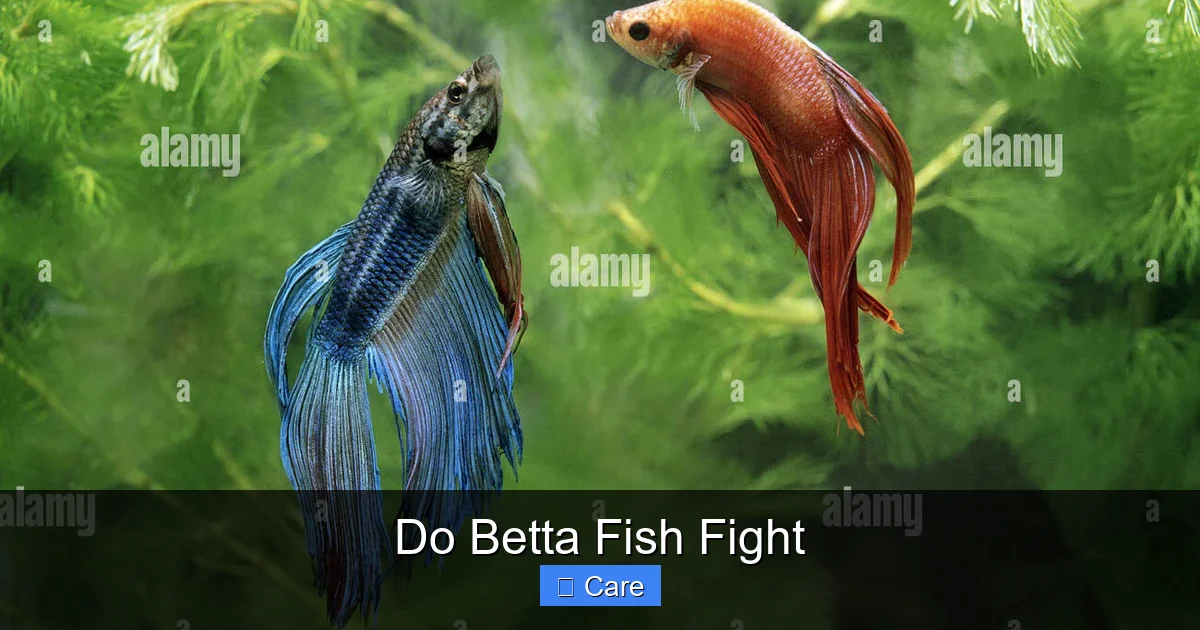
Visual guide about Do Betta Fish Fight
Image source: c8.alamy.com
Hormonal influences
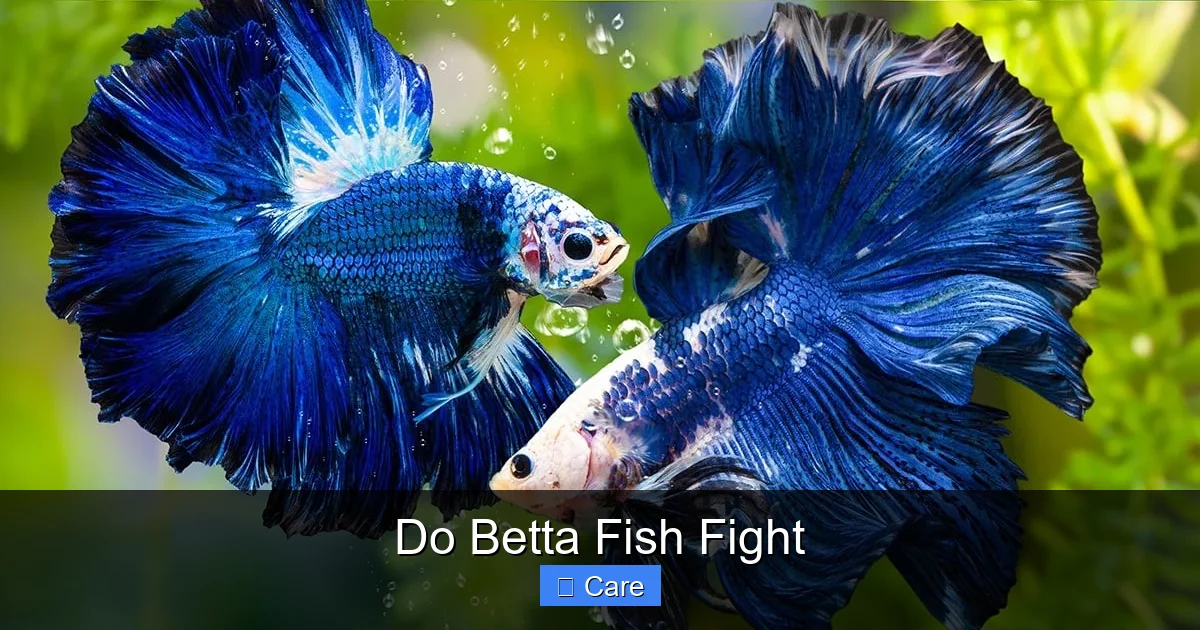
Male bettas produce higher levels of testosterone, which fuels their combative behavior. When a male senses another male’s presence—through sight, scent, or even vibrations—his body releases hormones that trigger a fight‑or‑flight response. This is why you’ll often see a male flare his gills, spread his fins, and display vivid colors as a warning.
Visual cues and “bubble nest” behavior
During breeding season, males build bubble nests on the water’s surface. The nest is a prized real estate, and any rival that approaches is seen as a direct threat. The male will aggressively protect the nest, sometimes even attacking his own reflection in the glass. For more on this behavior, check out why betta fish make bubble nests.
2. Do Male Betta Fish Fight Each Other?
The classic showdown
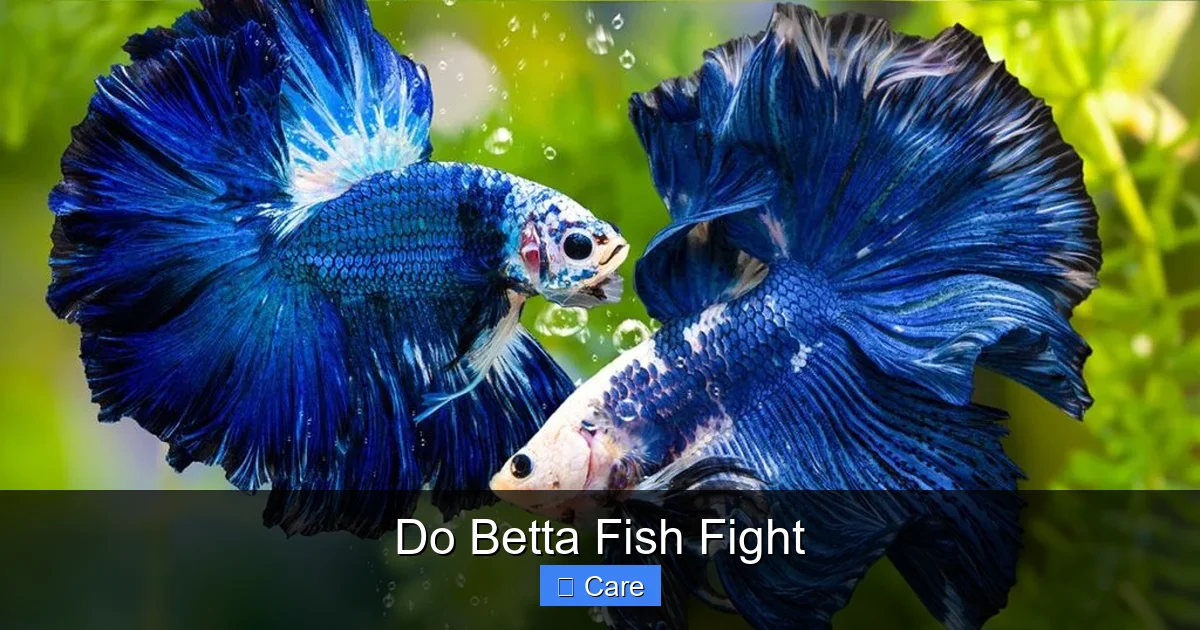
When two male bettas share the same space, a showdown is almost inevitable. The typical sequence starts with a “flaring” display—gills expand, fins spread, and colors intensify. If neither fish backs down, the encounter escalates to a chase, nipping, and sometimes serious injuries.
Visual guide about Do Betta Fish Fight
Image source: fishlab.com
Factors that increase the likelihood of a fight
- Insufficient space: A 2‑gallon tank is far too small for two males. Aim for at least 10 gallons per male if you plan a divided tank.
- Lack of visual barriers: Without plants or decorations, bettas can see each other constantly, keeping them on edge.
- Similar size and age: Two equally matched males are more likely to clash than a larger, older fish with a smaller, younger one.
When can males coexist?
In rare cases, two males can share a tank if they are separated by a sturdy, transparent divider that prevents physical contact but allows visual interaction. Even then, constant monitoring is essential. For a deeper dive into how bettas fight, read how do betta fish fight.
3. Do Female Betta Fish Fight?
Female aggression explained
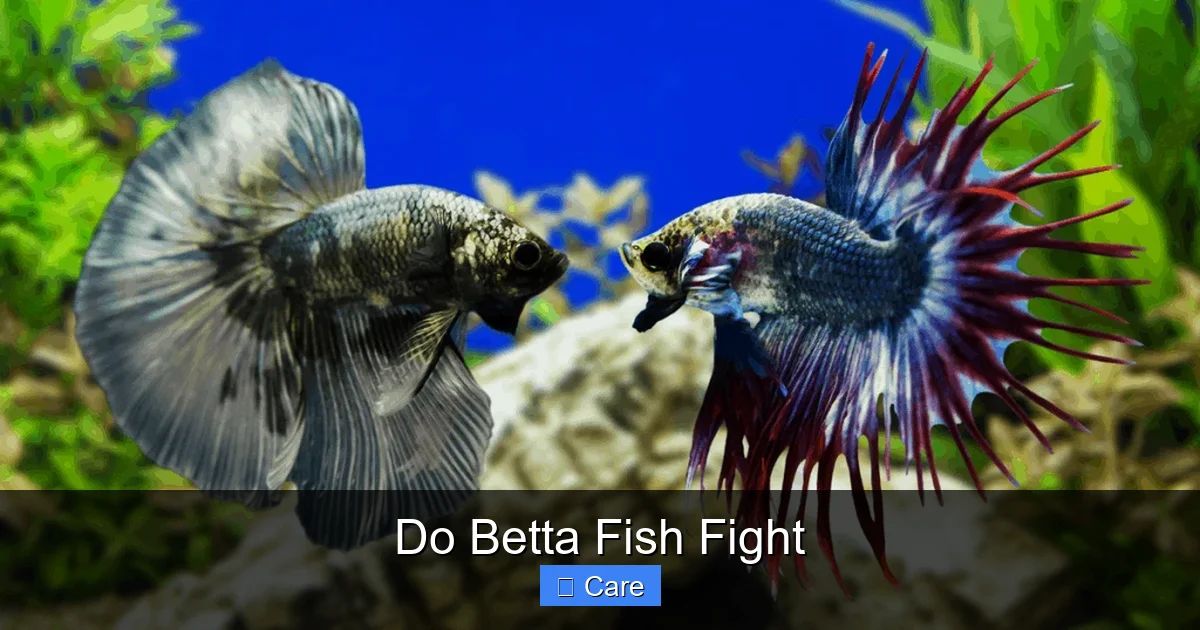
While females are generally less aggressive than males, they are not completely peaceful. In the wild, female bettas also defend territories, especially when food is scarce. In captivity, crowding can trigger fights among females.
Visual guide about Do Betta Fish Fight
Image source: japanesefightingfish.org
Signs that females are getting feisty
- Frequent flaring without a male present.
- Chasing each other around the tank.
- Fin nipping or torn fins.
To learn more about female behavior, see do female betta fish fight.
Keeping multiple females together
If you want a “sorority” of females, follow these guidelines:
- Provide at least 5 gallons per fish.
- Include plenty of plants, caves, and vertical surfaces for hiding.
- Monitor water quality closely; stressed fish become more aggressive.
4. How to Prevent Unwanted Fights
Choose the right tank setup
Space is the single most important factor. A single male betta does well in a 5‑gallon tank with a gentle filter and heater. If you plan a community tank, allocate at least 10 gallons per male or 5 gallons per female, and use dividers or dense planting to break lines of sight.
Water conditions that calm bettas
Stable temperature (78‑80°F or 25‑27°C) and clean water reduce stress. Sudden temperature drops or spikes can make a betta irritable and more prone to attack. Learn the optimal range at what temperatures do betta fish like.
Gradual introductions
Never toss two bettas together. Use a “peek‑and‑wait” method: place the newcomer in a separate container within the tank for a few days, allowing both fish to see each other without contact. Swap the containers after a day, then observe behavior. If flaring is mild, you may attempt a brief, supervised meeting.
Enrichment and hiding spots
Live plants, silk leaves, and ceramic caves give bettas places to retreat. When a fish can hide, it feels more secure and less likely to act out. Aim for at least one hiding spot per fish.
Feeding strategies
Feed high‑quality pellets or frozen foods twice daily, and disperse food across the tank to prevent competition. A well‑fed betta is less likely to see a tankmate as a food rival.
5. Recognizing and Responding to a Fight
Early warning signs
- Rapid flaring and gill expansion.
- Clamped fins (fins held close to the body).
- Loss of color intensity.
If you notice these signs, increase observation frequency. A quick water change can sometimes calm the fish.
When to intervene
As soon as you see actual biting or fin tearing, separate the fish. Use a plastic container or a temporary quarantine tank. Do not try to “break up” a fight with a net; you’ll likely stress both fish further.
Healing injured bettas
Injured bettas may develop fin rot. Treat with a mild aquarium salt dip (1 teaspoon per gallon for 5 minutes) and keep water parameters pristine. If damage is severe, consider a permanent separation.
6. Frequently Asked Questions About Betta Fighting
Can bettas fight with other species?
Yes, bettas may nip at slow‑moving or long‑finned fish such as guppies or goldfish. Choose peaceful tank mates that stay out of the betta’s way.
Do bettas ever stop fighting as they age?
Older bettas often become less aggressive, but territorial instincts remain. Even senior males will still defend a prized spot.
Is a divided tank a safe long‑term solution?
Dividers work for short‑term introductions, but long‑term cohabitation can still lead to stress. Regular monitoring is essential.
Can water quality affect aggression?
Absolutely. Poor water raises cortisol levels, making bettas more irritable and prone to fight.
Do bettas bite humans?
Occasionally, a stressed betta may nip at a finger, especially if it feels threatened. Gentle handling and a calm environment reduce this risk.
How can I tell if my betta is happy?
A happy betta swims actively, displays bright colors, and builds bubble nests when ready to breed. For more signs, see how do i know if my betta fish is happy.
Conclusion: Balancing Beauty and Behavior
Betta fish are stunning companions, but their natural aggression means you must plan carefully. Whether you keep a solitary male, a sorority of females, or experiment with a divided tank, respecting their territorial nature and providing optimal water conditions will keep fights to a minimum. Remember, the question “do betta fish fight?” is answered with a qualified “yes, but only when the environment pushes them to.” By creating a spacious, well‑decorated, and stable habitat, you give your bettas the best chance to shine—without the drama.
Frequently Asked Questions
Why do betta fish flare their fins?
Flare is a visual warning that the betta feels threatened. It makes the fish look larger and signals to rivals to back off.
Can I keep a male and a female together?
Only for breeding purposes and under close supervision. After spawning, the male may become aggressive toward the female.
What is the safest way to introduce a new betta?
Use a quarantine tank first, then a visual introduction through a clear divider for several days before any physical contact.
Do bettas need a heater?
Yes. Betta fish thrive at 78‑80°F (25‑27°C). A reliable heater keeps the temperature steady and reduces stress.
How often should I change the water to prevent fights?
Perform a 25‑30% water change weekly, and a larger 50% change if you notice increased aggression or cloudiness.
What are the signs of a serious injury after a fight?
Look for torn fins, bleeding, loss of color, or a fish that stays at the bottom and stops eating. Immediate separation and treatment are required.