Can you put other fish with a betta fish? The answer is yes—but only under the right conditions. A well‑filtered, spacious tank, calm‑tempered tank mates, and careful monitoring are key to keeping everyone happy and healthy.
Key Takeaways
- Tank size matters: A minimum of 10‑20 gallons gives a betta enough space to establish territory.
- Choose peaceful, fast‑moving species: Neon tetras, harlequin rasboras, and small catfish are reliable companions.
- Avoid fin‑nippers and long‑finned fish: Bettas may see them as rivals.
- Provide plenty of hiding spots: Plants, caves, and driftwood reduce stress for all inhabitants.
- Monitor behavior daily: Early signs of aggression can be managed before they become fatal.
- Water parameters must suit everyone: Keep temperature, pH, and hardness in the overlapping range.
- Male bettas are more territorial than females: Choose tank mates accordingly.
📑 Table of Contents
- Introduction: The Betta’s Reputation and the Community Dream
- 1. Understanding Betta Behavior
- 2. Tank Size and Layout – The Foundation for Harmony
- 3. Matching Water Parameters
- 4. Safe Tank Mates – Who Gets Along?
- 5. Introducing New Fish – Step‑by‑Step
- 6. Common Problems and How to Solve Them
- Conclusion: A Balanced Community Is Possible
Introduction: The Betta’s Reputation and the Community Dream
If you’ve ever watched a male betta flare its gills and swim in slow, theatrical circles, you might think that sharing a tank is impossible. The bright colors and aggressive nature of a male betta have earned it the nickname “Siamese fighting fish.” Yet many hobbyists wonder, can you put other fish with a betta fish and still have a thriving community?
The good news is that, with the right setup, a betta can coexist peacefully with several small, non‑aggressive species. The key is to respect the betta’s territory, match water conditions, and choose tank mates that won’t trigger its instinct to defend.
1. Understanding Betta Behavior
Territorial instincts
Bettas are naturally territorial, especially males. In the wild they defend small pockets of shallow water. In a home aquarium, this means they will patrol the front of the tank, often swimming along the glass to claim “their” space.
Visual guide about Can You Put Other Fish with a Betta Fish
Image source: fishkeepingadvice.com
Fin‑nipping triggers
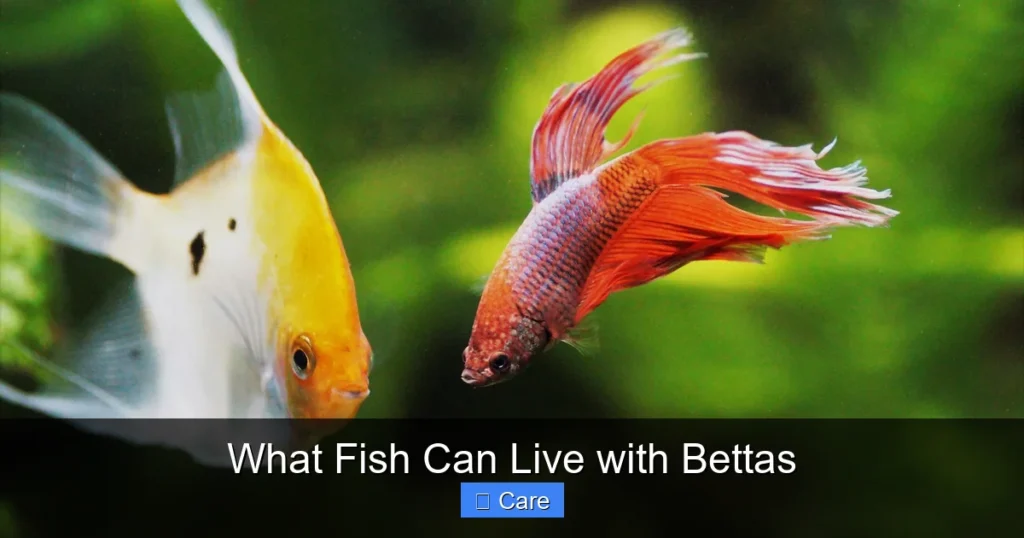
Long‑finned fish (guppies, fancy goldfish) can be mistaken for rival males. The betta may bite at the flowing fins, causing stress or injury. This is one of the most common reasons people answer “no” to the question, can you put other fish with a betta fish.
Gender differences
Male bettas are generally more aggressive than females. A female can often tolerate a slightly larger community, but she still needs a secure environment.
2. Tank Size and Layout – The Foundation for Harmony
Why bigger is better
A cramped 2‑gallon bowl leaves no room for a betta to establish a territory without bumping into other fish. Aim for at least 10 gallons for a single male betta with companions; 20 gallons offers even more flexibility.

Visual guide about Can You Put Other Fish with a Betta Fish
Image source: petshun.com
Creating zones
Use live plants, silk plants, driftwood, and rock caves to break the line of sight. When a betta cannot see a potential rival, it’s less likely to flare. Vertical planting (tall stems at the back) and low‑lying foliage at the front create depth.
Filtration and flow
Bettas are labyrinth fish; they prefer calm water. Choose a gentle filter or use a sponge filter that provides biological filtration without strong currents.
3. Matching Water Parameters
Temperature
Most bettas thrive at 78‑80°F (25‑27°C). Select tank mates that can tolerate this range, such as most tetras, rasboras, and small catfish.
Visual guide about Can You Put Other Fish with a Betta Fish
Image source: acaquarium.com
pH and hardness
Bettas are adaptable, preferring a pH of 6.5‑7.5 and moderate hardness. Avoid species that need very acidic or very hard water.
Water changes
Weekly 25‑30% water changes keep nitrate levels low, benefiting both the betta and its companions.
4. Safe Tank Mates – Who Gets Along?
Small, fast‑moving schooling fish
Neon tetras, ember tetras, and harlequin rasboras are excellent choices. Their quick movements keep them out of the betta’s direct line of sight, and they occupy the upper and middle levels of the tank.
Peaceful bottom dwellers
Corydoras catfish, kuhli loaches, and small otocinclus algae eaters stay near the substrate, away from the betta’s primary territory.
Snails and shrimp
Apple snails and ghost shrimp can coexist, but watch for aggressive bettas that may view moving antennae as prey. For a more secure option, try nerite snails, which are harder for a betta to handle.
What to avoid
Long‑finned guppies, fancy goldfish, and other bettas are off‑limits. Aggressive or nippy fish like tiger barbs will likely provoke fights.
For a deeper dive into compatible species, see our guide on what other fish can you put with a betta.
5. Introducing New Fish – Step‑by‑Step
Quarantine first
All new arrivals should spend 2‑4 weeks in a separate quarantine tank. This prevents disease from spreading to your betta.
Acclimation
Float the bag in the betta’s tank for 15 minutes to match temperature, then slowly add tank water to the bag over the next hour. This gentle process reduces stress.
Observe the first 24‑48 hours
Watch for signs of stress: faded colors, rapid breathing, or frantic swimming. If the betta flares repeatedly, you may need to rearrange décor or remove the newcomer.
6. Common Problems and How to Solve Them
Betta aggression spikes
If the betta starts chasing tank mates, add more hiding places and consider a taller tank divider. Sometimes simply moving the betta’s favorite perch to the opposite side of the tank resets territorial boundaries.
Fin loss in tank mates
Fin nipping often indicates the betta sees the other fish as a rival. Remove the fin‑nipped fish immediately and provide a stress‑relief hideout for the betta.
Water quality drops
More fish mean higher bioload. Increase weekly water changes to 30‑40% and consider a larger filter.
Conclusion: A Balanced Community Is Possible
So, can you put other fish with a betta fish? Absolutely—provided you respect the betta’s territorial nature, give it enough space, and choose compatible, peaceful companions. By planning the tank layout, matching water parameters, and monitoring behavior, you can enjoy a vibrant, interactive aquarium that showcases the betta’s dazzling colors alongside a lively community.
Remember, every betta is an individual. Some will tolerate a bustling tank, while others prefer solitude. Keep a close eye on your fish, adjust as needed, and you’ll find the perfect balance for a happy, healthy aquarium.
Frequently Asked Questions
Can a male betta live peacefully with other fish?
Yes, a male betta can coexist with small, non‑aggressive species if the tank is large enough (10‑20 gallons) and there are plenty of hiding spots.
Are female bettas better community fish?
Female bettas are generally less territorial than males, making them slightly easier to keep with other fish, but they still need space and proper tank mates.
What are the safest fish for a betta tank?
Neon tetras, harlequin rasboras, small Corydoras catfish, and otocinclus algae eaters are among the safest choices.
Can I keep a betta with a snail?
Most snails, like nerite or apple snails, can live with a betta. Monitor the betta at first, as some may try to nip at moving antennae.
How do I know if my betta is stressed?
Signs of stress include faded colors, rapid gill movement, constant flaring, and hiding all the time. Reduce stress by adding plants and checking water quality.
What should I do if aggression occurs?
Rearrange décor to break sight lines, add more plants, or consider a larger tank. In severe cases, separate the betta from the other fish.