Do Betta Fish Eat Flakes What You Need to Know in Your Tank

Betta fish can eat flakes, but they are not the best option. Flakes are low in protein and can cause digestive issues. High-quality pellets, frozen, or live foods are much better for your betta’s health and color.
If you are new to betta keeping, you have probably stared at the fish food aisle and wondered what to buy. The colorful containers of flakes look tempting. They are cheap, easy to find, and most fish seem to eat them. But do betta fish eat flakes in a way that keeps them healthy? The short answer is yes, they will eat them. The longer answer is that flakes are like feeding your betta fast food every day. It fills them up, but it does not give them what they need to thrive.
Bettas are not like goldfish or tetras. They are strict carnivores. In the wild, they hunt insects, larvae, and tiny crustaceans. Their bodies are built for protein, not plant fillers. Most commercial flakes are made for omnivores. They contain wheat, soy, and corn. Your betta cannot digest those well. Over time, a flake-only diet leads to dull colors, low energy, and a shorter lifespan. Let’s break down exactly why this matters and what you should feed instead.
Key Takeaways
- Bettas can eat flakes: They will eat them, but flakes lack the protein bettas need.
- Protein is critical: Bettas are carnivores and need 40%+ protein in their diet.
- Flakes cause bloat: Low-quality flakes expand in the stomach and lead to constipation.
- Pellets are superior: High-protein pellets sink slowly and match a betta’s natural feeding style.
- Variety matters: Mix in frozen or live foods like bloodworms and brine shrimp.
- Feed small amounts: Only give what your betta eats in 2 minutes to prevent waste.
- Skip one day weekly: Fasting helps prevent digestive problems and keeps water clean.
📑 Table of Contents
- Why Flakes Are Not Ideal for Bettas
- Better Food Options for Your Betta
- How to Feed Flakes If You Have No Choice
- Feeding Schedule and Portion Control
- Common Feeding Mistakes to Avoid
- Signs Your Betta’s Diet Is Working
- Special Situations
- Comparing Food Types at a Glance
- Quick Tips for Success
- Expert Insight: What Breeders Feed
- Frequently Asked Questions
Why Flakes Are Not Ideal for Bettas
Low Protein Content
Protein is the building block of a betta’s body. It fuels their fins, colors, and immune system. Quality betta food should have 40% to 50% protein. Most tropical flakes sit around 30% to 35%. The rest is filler. When your betta eats fillers, they get calories without nutrition. Think of it like eating potato chips instead of chicken. You feel full, but your body suffers.
Fillers Cause Digestive Issues
Bettas have short digestive tracts. They are not designed to process plant matter. Ingredients like wheat gluten and soybean meal pass through slowly. They can ferment in the gut. This leads to gas, bloating, and constipation. A constipated betta stops eating, gets lethargic, and may develop swim bladder disorder. You will see them floating sideways or sinking to the bottom. It is painful for them and scary for you.
Flakes Foul the Water Fast
Flakes dissolve quickly. If your betta does not eat them instantly, they sink and rot. This spikes ammonia and nitrites. Poor water quality stresses your fish and invites disease. Pellets hold their shape longer. They give you a few extra seconds to remove uneaten pieces. Clean water is just as important as good food.
Flakes Encourage Surface Gulping
Bettas are surface feeders. They have upturned mouths made for grabbing insects off the water. Flakes float, so bettas gulp them down fast. They often swallow air with the food. That extra air contributes to bloating and swim bladder problems. Pellets that sink slowly let the betta hunt naturally without gulping air.
Better Food Options for Your Betta
High-Quality Pellets
Pellets are the gold standard for daily feeding. Look for whole fish meal or krill as the first ingredient. Avoid brands where “fish meal” is vague or where wheat is in the top three. Good pellets are small, uniform, and sink slowly. Feed 2 to 3 pellets twice a day. This mimics their natural eating pattern. For a deeper comparison, check out our guide on whether bettas prefer flakes or pellets.
Frozen Foods
Frozen bloodworms, brine shrimp, and daphnia are excellent. They are close to what bettas eat in nature. They are high in protein and easy to digest. Thaw a small cube in tank water, then feed a few pieces with tweezers. Do this 2 to 3 times a week as a treat. Your betta’s colors will pop, and they will be more active.
Live Foods
Live blackworms, mosquito larvae, and baby brine shrimp are the ultimate treat. They trigger hunting instincts. They are packed with nutrients. Culture them yourself or buy from a trusted shop. Feed sparingly. Live food can carry parasites if sourced poorly. Once a week is plenty for most keepers.
Freeze-Dried Options
Freeze-dried bloodworms and brine shrimp are convenient. They store well and bettas love them. But they lack moisture. Always soak them in tank water for 5 minutes before feeding. Dry freeze-dried food expands in the stomach. That causes the same bloat as cheap flakes. Use these as a supplement, not a staple.
How to Feed Flakes If You Have No Choice
Sometimes you run out of pellets. Or you are pet-sitting and only have flakes. If you must feed flakes, follow these rules to minimize harm.
Choose High-Protein Flakes
Not all flakes are equal. Some brands make “betta flakes” or “carnivore flakes.” These have more fish meal and less grain. Read the label. Protein should be above 40%. The first ingredient should be whole fish, shrimp, or krill. Avoid “tropical flakes” made for community tanks. They are designed for omnivores. You can learn more about tropical flakes and bettas here.
Crush Them Into Tiny Pieces
Betta mouths are small. Large flakes cause choking or spitting. Crush flakes between your fingers into a fine powder. This helps them eat it cleanly. It also reduces the chance of uneaten pieces rotting in the gravel.
Soak Before Feeding
Drop the crushed flakes in a small cup of tank water. Let them soften for 30 seconds. This prevents expansion inside the stomach. It also makes the food sink slower, giving your betta time to hunt each piece.
Feed Tiny Amounts
Give a pinch the size of your betta’s eye. Watch them eat. If food hits the bottom, you gave too much. Remove leftovers with a turkey baster or siphon. Do this twice a day max. Never dump a whole pinch in and walk away.
Feeding Schedule and Portion Control
The Two-Minute Rule
Feed only what your betta consumes in two minutes. Their stomach is roughly the size of their eye. Overfeeding is the number one killer of pet bettas. It causes obesity, fatty liver, and water quality crashes. A fat betta is not a happy betta.
Sample Weekly Schedule
- Monday: Pellets AM, Pellets PM
- Tuesday: Pellets AM, Frozen bloodworms PM
- Wednesday: Pellets AM, Pellets PM
- Thursday: Pellets AM, Frozen brine shrimp PM
- Friday: Pellets AM, Pellets PM
- Saturday: Pellets AM, Live or freeze-dried treat PM
- Sunday: Fast day – no food
Why Fasting Works
One day without food clears the digestive tract. It prevents constipation. It mimics nature, where meals are not guaranteed daily. Your betta will not starve. They can go two weeks without food. A weekly fast actually extends their life.
Common Feeding Mistakes to Avoid
Feeding Goldfish Food
Goldfish flakes are high in carbs and low in protein. They are made for cold-water omnivores. Your tropical carnivore will starve on a cellular level even with a full belly. Never use goldfish food, not even in a pinch.
Ignoring Ingredient Labels
Marketing words like “premium” or “color-enhancing” mean nothing. Flip the container. Read the first three ingredients. If you see wheat, soy, or corn gluten, put it back. You want whole fish meal, krill meal, or black soldier fly larvae.
Feeding Once a Day
One large meal stretches the stomach. Two small meals keep metabolism steady. It also reduces waste. Split the daily portion in half. Feed morning and evening.
Leaving Uneaten Food
Uneaten food becomes ammonia in 24 hours. Ammonia burns gills and kills beneficial bacteria. Always do a quick visual check 5 minutes after feeding. Siphon out leftovers. Your filter cannot handle rotting food.
Switching Foods Abruptly
Bettas can be picky. A sudden switch causes hunger strikes. Mix old and new food for a week. Gradually increase the new food. Patience prevents stress.
Signs Your Betta’s Diet Is Working
Vibrant Colors
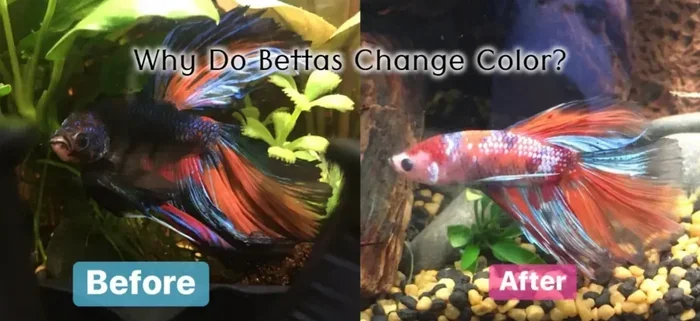
A well-fed betta shows deep, rich colors. Reds get redder. Blues get brighter. Iridescence shines. Dull or washed-out colors often mean poor nutrition or stress.
Active Hunting
Healthy bettas patrol the tank. They flare at reflections. They investigate new objects. They swim to the glass when you approach. Lethargy and hiding signal illness or bad diet.
Perfect Fins
Strong nutrition supports fin growth and repair. Ragged, clamped, or curling fins suggest deficiencies. Protein and vitamins A, C, and E are crucial for fin tissue.
Regular Waste
Healthy poop is brown, firm, and sinks. White stringy poop means parasites or internal infection. Long trailing poop means constipation. Check the tank bottom daily. It tells you everything.
Special Situations
Feeding Baby Bettas (Fry)
Fry cannot eat flakes or pellets. They need infusoria, then baby brine shrimp, then microworms. Flakes will kill them by polluting the water. If you are breeding, research fry food before the eggs hatch.
Feeding a Sick Betta
Sick bettas often refuse pellets. Tempt them with live blackworms or frozen bloodworms. The movement triggers appetite. Soak pellets in garlic juice (like Garlic Guard) to boost immunity and flavor. Never force feed.
Feeding While on Vacation
Do not use vacation feeder blocks. They dissolve unevenly and ruin water. A healthy adult betta can fast for 5 to 7 days easily. For longer trips, use an automatic feeder with pellets. Test it a week before you leave. Or have a friend feed pre-measured portions in tiny bags.
Comparing Food Types at a Glance
| Food Type | Protein | Digestibility | Water Impact | Best Use |
|---|---|---|---|---|
| Quality Pellets | 45-50% | Excellent | Low | Daily staple |
| Frozen Bloodworms | 50%+ | Excellent | Low | 2-3x weekly treat |
| Live Foods | 55%+ | Excellent | Low | Weekly enrichment |
| Freeze-Dried | 45-50% | Good (if soaked) | Low | Occasional treat |
| Tropical Flakes | 30-35% | Poor | High | Emergency only |
| Goldfish Flakes | 25-30% | Very Poor | Very High | Never |
Quick Tips for Success
- Buy small containers. Food loses vitamins after 3 months open.
- Store food in a cool, dark place. Heat and light destroy nutrients.
- Wet your fingers before handling pellets. Oils from skin contaminate food.
- Use a feeding ring. It keeps pellets in one spot for easy cleanup.
- Observe your betta eat every time. Appetite changes are the first sign of trouble.
- Rotate proteins. Fish, shrimp, insect, and worm meals give a complete amino profile.
- Don’t fall for “color enhancing” gimmicks. Good food enhances color naturally.
Expert Insight: What Breeders Feed
I talked to a local betta breeder who raises show-quality fish. He never uses flakes. Ever. His daily staple is a 48% protein pellet made from whole krill and black soldier fly larvae. Twice a week he feeds live blackworms. Once a week he feeds frozen daphnia for digestion. His fish live 4 to 5 years. Pet store bettas on flakes often die at 18 months. The difference is nutrition. You don’t need to be a breeder to copy this. Just upgrade the pellet and add variety.
Frequently Asked Questions
Can betta fish eat tropical fish flakes?
They can, but tropical flakes are made for omnivores. They lack the protein bettas need and contain fillers that cause bloat. Only use them in emergencies. For more details, see our article on bettas and tropical flakes.
How many flakes should I feed my betta?
If you must use flakes, feed a pinch the size of their eye, crushed and soaked, twice daily. Remove uneaten pieces after two minutes. This prevents overfeeding and water pollution.
Why does my betta spit out flakes?
Flakes may be too large, tasteless, or the betta is full. Bettas prefer meaty foods. Try soaking crushed flakes in garlic juice or switch to small pellets.
Are betta flakes better than tropical flakes?
Betta-specific flakes have higher protein and fewer fillers. They are better than tropical flakes but still inferior to pellets. Pellets hold nutrients longer and pollute water less.
Can I feed my betta flakes every day?
You can, but it is not recommended. Daily flakes lead to nutritional gaps and digestive issues. Use high-protein pellets as the daily staple. Save flakes for emergencies only.
What is the best food for betta fish color?
Foods rich in carotenoids boost color. Look for krill, shrimp, salmon, and spirulina in the ingredients. Frozen bloodworms and live foods also enhance reds and blues naturally.