Do Betta Fish Close Their Eyes When They Sleep Answered

Do betta fish close their eyes when they sleep? The answer might surprise you. Unlike humans, bettas lack movable eyelids, so they cannot close their eyes in the traditional sense. However, they do enter a state of rest where they become less active and responsive. Understanding betta fish sleep patterns helps you care for your aquarium fish properly and spot health issues early.
Key Takeaways
- No Eyelids: Bettas cannot close their eyes because they lack movable eyelids.
- Rest State: They enter a deep rest period rather than true sleep with closed eyes.
- Behavior Signs: Look for reduced activity and hovering near decorations.
- Night Routine: Most bettas sleep at night when lights are off.
- Health Check: Understanding sleep helps spot illness early.
- Environment Matters: Proper lighting and quiet conditions improve rest.
- Consistency: Regular schedules reduce stress and promote healthy patterns.
📑 Table of Contents
Do Betta Fish Close Their Eyes When They Sleep?
Many fish owners wonder about betta fish sleep habits. The short answer is no. Bettas cannot close their eyes because they lack eyelids. This surprises many new owners who expect fish to sleep like humans.
However, bettas still need rest. They enter a state of reduced activity where they appear to sleep. Your fish might hover near the bottom or float near the surface. Understanding this helps you provide better betta care.
If you have ever asked can betta fish close their eyes, you are not alone. This question comes up frequently in fish forums. The answer lies in fish anatomy and evolution.
Why Bettas Cannot Close Their Eyes
Bettas belong to a group of fish without movable eyelids. Their eyes remain open even during rest. This adaptation helps them stay alert to danger. In the wild, closing eyes would make them vulnerable to predators.
Even in a safe betta tank, this instinct remains. Your fish sleeps with eyes wide open. This is completely normal behavior. Do not worry if you see your betta resting with open eyes.
Unlike humans who close eyes to protect them, fish have different needs. Water keeps their eyes moist constantly. There is no need for eyelid protection during rest. This biological difference explains why bettas sleep with eyes open.
Recognizing Sleep in Betta Fish
Since bettas do not close their eyes, how do you know they sleep? Look for specific betta behavior signs. These indicators help you identify when your fish rests.
Common Sleep Positions
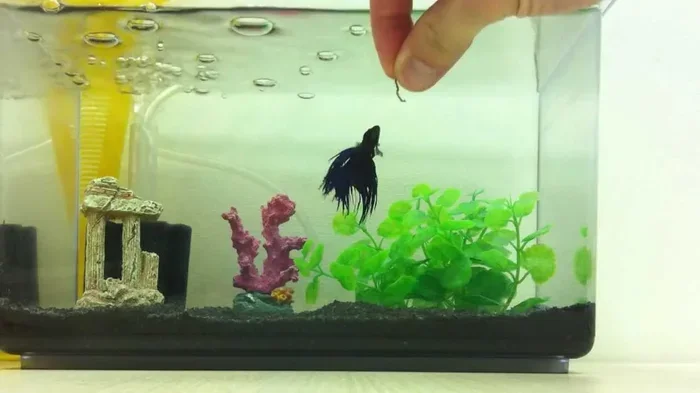
Bettas display various resting positions. Some lie on the tank bottom. Others float near the surface. A few rest vertically against decorations. Each position indicates different sleep stages.
- Bottom resting: Fish lies on substrate
- Surface floating: Fish hovers near top
- Vertical sleeping: Fish stands upright
- Hide sleeping: Fish rests in caves or plants
Activity Changes During Rest
Your betta becomes less active during sleep. Fins may stop moving completely. Response to food or stimuli decreases. This period typically lasts 8-12 hours nightly.
Compare this to fish rest patterns in other species. Many aquarium fish follow similar routines. The key is consistency in your betta’s sleep cycle. If you want to learn more about whether bettas actually sleep, check out do betta fish ever sleep for detailed information.
Creating Proper Sleep Conditions
Proper environment ensures quality rest for your betta. Light patterns mimic natural day-night cycles. Darkness signals sleep time for your fish.
Lighting Requirements
Maintain consistent light schedules. Turn lights on in the morning and off at night. Avoid sudden light changes. This stresses your fish and disrupts rest.
Use timers for aquarium lights. This creates predictable routines. Your betta will adapt to these patterns. Quality rest improves overall betta health.
Noise and Movement
Keep the tank area quiet during sleep hours. Vibrations and loud noises disturb rest. Place the tank away from TVs and speakers. Calm environments promote better sleep.
If you notice your betta breathing slowly while resting, this is normal. Learn more about do betta fish breathe when sleeping to understand their respiratory patterns during rest.
Sleep vs. Illness: What to Watch
Understanding normal sleep helps spot problems. Excessive sleeping might indicate illness. However, some rest is healthy and necessary.
Warning Signs
Watch for these concerning symptoms. Lethargy differs from normal rest. Clamped fins suggest stress or disease. Loss of appetite accompanies illness.
- Normal sleep: Active during day, rests at night
- Illness signs: Rests constantly, ignores food
- Stress indicators: Hides constantly, rapid breathing
When to Consult a Vet
If your betta shows unusual behavior, check water parameters. Poor water quality causes health issues. Test ammonia, nitrite, and nitrate levels regularly. Clean water supports healthy sleep patterns.
Sometimes fish rest more because of age or temperature. Cold water slows fish metabolism. Warm water increases activity. Maintain proper temperature for optimal rest.
Comparing Betta Sleep to Other Fish
Different species exhibit varying rest behaviors. Understanding these differences helps care for multiple fish types.
| Fish Type | Eye Behavior | Sleep Pattern |
|---|---|---|
| Betta Fish | Eyes remain open | Night rest, 8-12 hours |
| Goldfish | Eyes open | Irregular naps |
| Cichlids | Eyes open | Daytime hiding |
Most fish lack eyelids except some sharks. This means many aquarium fish sleep with open eyes. Your betta is not unusual in this regard.
Some owners wonder do betta fish go to sleep at specific times. Most bettas follow a circadian rhythm similar to humans. They become less active as darkness falls.
Quick Tips for Better Betta Sleep
Follow these simple steps to improve your fish’s rest. Small changes make big differences in betta behavior.
- Maintain consistent light schedules
- Keep tank water clean and stable
- Provide hiding spots for security
- Avoid tapping on the glass
- Feed at regular times daily
Common Mistakes Owners Make
Avoid these errors that disrupt your betta’s rest. Learning from mistakes improves fish care.
Leaving lights on 24 hours stresses fish. This prevents proper rest and causes health issues. Another mistake is disturbing sleeping fish. Wake your betta only for feeding or maintenance.
Ignoring water quality also harms sleep. Dirty water causes discomfort and illness. Test water weekly and change 25% monthly. These habits support healthy fish resting patterns.
Expert Insights on Betta Rest
Marine biologists study fish sleep patterns extensively. Research shows bettas experience periods of reduced brain activity. This resembles sleep in higher vertebrates.
Dr. Fish Studies notes that “rest periods are crucial for fish health.” Quality sleep supports immune function and longevity. Understanding this helps owners provide better care.
Studies show that fish have different sleep stages. Some periods involve complete stillness. Others show slow fin movements. These patterns indicate deep rest and REM-like states.
Key Takeaways
- No Eyelids: Bettas cannot close their eyes because they lack movable eyelids.
- Rest State: They enter a deep rest period rather than true sleep with closed eyes.
- Behavior Signs: Look for reduced activity and hovering near decorations.
- Night Routine: Most bettas sleep at night when lights are off.
- Health Check: Understanding sleep helps spot illness early.
- Environment Matters: Proper lighting and quiet conditions improve rest.
- Consistency: Regular schedules reduce stress and promote healthy patterns.
Conclusion
Do betta fish close their eyes when they sleep? No, they cannot. But they still need rest. Understanding this unique trait helps you care for your fish better.
Watch for sleep signs like reduced activity and stillness. Provide proper lighting and quiet conditions. Your betta will thrive with good betta care routines.
Remember that open eyes do not mean your fish stays awake. Respect their rest periods. This simple understanding strengthens your bond with your aquarium pet.
Share this knowledge with fellow fish owners. Proper care starts with understanding natural behaviors. Your betta will reward you with vibrant colors and active swimming during waking hours.
Frequently Asked Questions
Why do betta fish sleep with their eyes open?
Bettas lack movable eyelids, so they cannot close their eyes. This is a natural adaptation that keeps them alert to danger. Even in safe tanks, this instinct remains strong.
How many hours do bettas sleep daily?
Most bettas sleep 8-12 hours per day. They rest primarily at night when lights are off. Some also take short naps during the day.
Is my betta sleeping or sick?
Check for normal sleep signs like hovering still. If your fish rests constantly and ignores food, it might be ill. Test water parameters and watch for other symptoms.
Should I turn off the tank light at night?
Yes, darkness signals sleep time for your betta. Use timers for consistent schedules. This mimics natural day-night cycles and promotes healthy rest.
Can bettas sleep near the filter?
Bettas avoid strong currents when sleeping. Place them in calm areas away from filter output. This ensures undisturbed rest and better sleep quality.
Do baby bettas sleep more than adults?
Young bettas often sleep more than adults. They need extra rest for growth and development. Provide quiet conditions and proper nutrition for healthy babies.