Can You Put Rocks In A Betta Fish Tank What You Need To Know
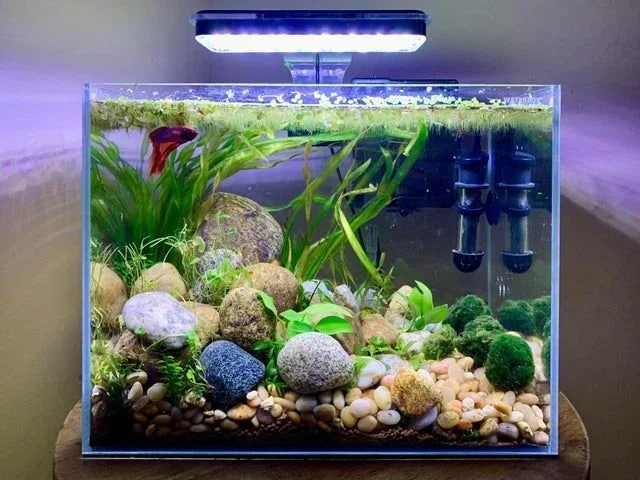
Can you put rocks in a betta fish tank? Yes, but you must choose aquarium‑safe rocks, clean them thoroughly, and arrange them to provide hiding spots without blocking water flow. This guide covers safe rock types, preparation steps, and common mistakes to avoid for a healthy betta habitat.
Many betta owners wonder if they can add rocks to their tank to create a more natural look. Rocks can provide hiding places, break up sight lines, and help anchor plants. However, not all rocks are safe for bettas, and improper preparation can harm water quality.
In this article we answer the question can you put rocks in a betta fish tank in detail. We’ll look at which rocks are safe, how to prepare them, the best ways to arrange them, and how to maintain a healthy tank when rocks are present.
Whether you are setting up a new betta aquarium or refreshing an existing one, the tips below will help you decide if rocks are right for your fish and how to use them safely.
Key Takeaways
- Choose aquarium‑safe rocks: Only use rocks labeled safe for aquariums or inert natural stones like slate, quartz, or lava rock.
- Clean rocks before use: Scrub with a brush, rinse thoroughly, and optionally boil or soak in a bleach solution (then rinse well) to remove contaminants.
- Arrange for flow and hiding: Place rocks to create caves and shelters while leaving open swimming space and allowing filter flow to circulate.
- Monitor water parameters: Check pH, ammonia, nitrite, and nitrate weekly to ensure rocks are not leaching harmful substances.
- Combine with plants and décor: Pair rocks with live or silk plants and other decorations to enrich the betta’s environment.
- Avoid sharp edges: Inspect rocks for jagged points that could tear a betta’s delicate fins.
- Consider alternatives: If rocks seem risky, use aquarium‑safe gravel, ceramic caves, or driftwood as substrate options.
📑 Table of Contents
Why Rocks Matter in a Betta Tank
Rocks are more than just decoration. They influence the tank’s biology, the fish’s behavior, and the overall aesthetics. Understanding why you might want rocks helps you make an informed choice.
Benefits of Adding Rocks
- Hiding spots: Bettas appreciate places to retreat when they feel stressed.
- Territory markers: Rocks can break up the tank and reduce aggression if you ever add tank mates.
- Plant anchorage: Many live plants need a solid base to grow their roots.
- Natural look: A rocky scape mimics the betta’s native shallow streams and rice paddies.
- Beneficial bacteria surface: Porous rocks provide extra area for nitrifying bacteria to colonize.
Potential Risks
- Chemical leaching: Some rocks contain metals or minerals that can alter pH or release toxins.
- Sharp edges: Jagged rocks can tear a betta’s long fins.
- Water flow blockage: Poorly placed rocks can create dead spots where debris accumulates.
- Weight concerns: Heavy rocks may crack thin glass or acrylic tanks if not supported.
By weighing these pros and cons, you can decide if rocks suit your betta’s needs.
Choosing Safe Rocks for Your Betta
Not every stone you find outside is appropriate for an aquarium. You need rocks that are chemically inert and physically safe.
Types of Rocks Generally Considered Safe
- Slate: Flat, smooth, and inert; great for creating ledges.
- Quartz: Hard and does not affect water chemistry.
- Lava rock: Porous, provides bacterial surface, but rinse well to remove dust.
- Basalt: Dense and stable; often used in aquascaping.
- Granite: Very hard and inert, but check for any metallic veins.
- River rock: Usually smooth; ensure it is not coated with pollutants.
Rocks to Avoid
- Limestone and marble: Can raise pH and hardness, which may stress bettas.
- Sandstone: May contain silicates that promote algae.
- Any rock with metal veins: Copper, iron, or lead can be toxic.
- Rocks from unknown sources: Especially those collected near roadsides or industrial areas.
If you are unsure about a rock’s safety, you can perform a simple vinegar test: drop a few drops of white vinegar on the rock. If it fizzes, the rock contains calcium carbonate and may alter water chemistry.
When shopping, look for labels that say “aquarium safe” or “inert.” Many pet stores sell pre‑cleaned rocks specifically for fish tanks.
For other décor ideas, you might also consider crystals or lucky bamboo, but always verify they are aquarium‑grade before adding them.
Preparing Rocks Before Adding Them
Even safe rocks need preparation to remove dust, debris, and potential contaminants.
Step‑by‑Step Cleaning Process
- Inspect: Look for cracks, sharp edges, or visible dirt.
- Scrub: Use a clean brush (no soap) to scrub the surface under running water.
- Rinse: Rinse thoroughly until the water runs clear.
- Optional disinfect: Soak the rocks in a solution of 1 part bleach to 20 parts water for 10‑15 minutes. Never use scented bleach.
- Rinse again: After bleaching, rinse the rocks multiple times with dechlorinated water to remove any bleach residue.
- Boil (optional): Boiling rocks for 10‑20 minutes can kill pathogens. Let them cool completely before use.
- Final rinse: Give one last rinse with aquarium water or dechlorinated tap water.
Testing the Rocks
After cleaning, place the rocks in a separate container with aquarium water for 24‑48 hours. Test the water for pH, ammonia, nitrite, and nitrate. If levels remain stable, the rocks are likely safe for the main tank.
Remember, even safe rocks can affect water flow. Arrange them so that water can circulate freely around and through the décor.
Arranging Rocks in the Tank
The layout influences both the betta’s comfort and the tank’s ease of maintenance.
Design Principles
- Create caves and overhangs: Stack rocks to form shelters where the betta can hide.
- Leave open swimming lanes: Bettas need space to flare and explore.
- Anchor plants: Use flat rocks to hold the roots of java fern, anubias, or moss.
- Consider the filter outflow: Position rocks so they do not block the flow from your filter or heater.
- Use varying sizes: Mix larger base stones with smaller filler rocks for a natural look.
Simple Layout Ideas
- Corner cave: Place two or three rocks in a corner to form a small hideout.
- Rock wall: Build a low wall along the back or side, leaving gaps for water to pass.
- Island: Create a small raised area in the center where you can plant a few stems.
- Scattered clusters: Spread small rock groups throughout the tank for multiple hiding spots.
When you arrange rocks, step back and view the tank from different angles. Make sure the betta can see the surface easily to gulp air, as they are labyrinth fish.
Maintaining a Rock‑Decorated Betta Tank
Rocks add surface area for debris and bacteria, so maintenance routines may need slight adjustments.
Regular Cleaning Tasks
- Vacuum the substrate: Use a gravel cleaner to remove waste that settles between rocks.
- Algae control: Scrub algae off rocks with an algae pad or a soft brush during water changes.
- Water changes: Perform 20‑30% water changes weekly, or as your test results dictate.
- Check parameters: Test pH, ammonia, nitrite, and nitrate at least once a week.
- Inspect rocks: Every few weeks, look for any signs of deterioration, sharp edges, or buildup.
When to Remove or Replace Rocks
If you notice a sudden drop in pH, an increase in ammonia, or visible corrosion on the rock, remove it immediately. Replace it with a known safe alternative.
Over time, even inert rocks can accumulate biofilm. This is generally beneficial, but excessive buildup can reduce water flow. A gentle rinse during a water change usually suffices.
Alternatives to Rocks and Final Thoughts
If you decide rocks are not right for your setup, there are many other ways to enrich a betta tank.
Other Substrate and Décor Options
- Aquarium gravel: Comes in many colors and sizes; choose a smooth, inert variety.
- Sand: Fine sand creates a soft bottom; ensure it is rinsed well to avoid cloudiness.
- Ceramic caves: Pre‑made, safe hiding spots that are easy to clean.
- Driftwood: Provides natural tannins and anchoring points for plants; must be boiled and soaked to leach out tannins.
- Live plants: Java moss, anubias, and floating plants offer cover without any rocks.
- Artificial décor: Betta‑safe resin ornaments can mimic rocks, logs, or ruins.
Making the Decision
Ask yourself:
- Do I have a reliable source of aquarium‑safe rocks?
- Am I willing to clean and test them before use?
- Will the rock layout allow my betta to swim freely and reach the surface for air?
- Do I enjoy the natural aesthetic that rocks provide?
If you answer “yes” to most of these, rocks can be a wonderful addition. If you prefer low‑maintenance or are unsure about rock safety, start with gravel, plants, and a few ceramic hides.
Ultimately, the goal is to create a stress‑free, stimulating environment where your betta can thrive. Whether you choose rocks, gravel, plants, or a mix, careful preparation and regular monitoring will keep your betta happy and healthy.
Frequently Asked Questions
Can I use rocks from my backyard in a betta tank?
You can use backyard rocks only after thorough cleaning and testing. Scrub them, rinse well, and consider soaking in a bleach solution followed by multiple rinses. Test the water for 24‑48 hours to ensure no harmful substances leach out.
Do rocks affect the pH of a betta fish tank?
Some rocks, like limestone or marble, can raise pH and hardness. Inert rocks such as slate, quartz, or granite usually have little to no effect on pH. Always test your water after adding new rocks to confirm stability.
How many rocks should I put in a betta tank?
There is no strict number; the key is to provide hiding spots without overcrowding. A few well‑placed rocks that create caves and leave open swimming space are usually enough for a standard 5‑10 gallon betta tank.
Can I combine rocks with live plants in a betta tank?
Yes. Rocks make excellent anchors for plants like java fern, anubias, and moss. Just ensure the rocks are clean and have no sharp edges that could damage delicate plant roots or the betta’s fins.
What should I do if my betta seems stressed after adding rocks?
Check water parameters first to rule out ammonia or pH spikes. Observe the rock placement—make sure it is not blocking the filter outflow or creating strong currents. If the betta continues to hide excessively or shows fin damage, consider removing the rocks and rearranging the décor.