Do All Betta Fish Fight Tips to Prevent Aggression
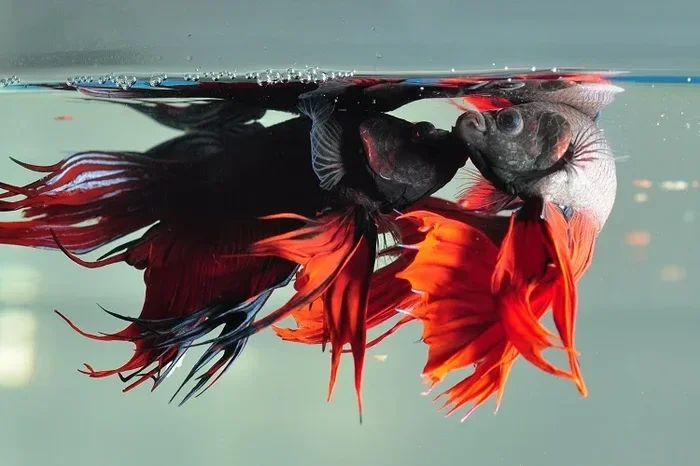
Do all betta fish fight? The short answer is no, but aggression varies significantly among individual fish and depends on environment. While male bettas are naturally territorial, preventing betta fish aggression requires proper tank setup, social grouping strategies, and understanding behavioral cues. By creating the right conditions and recognizing early warning signs, you can maintain a harmonious betta community.
Key Takeaways
- Not all male bettas fight: Aggression levels vary by individual personality, not all bettas are naturally violent toward each other.
- Tank size matters: Providing adequate space reduces stress and territorial disputes among betta fish.
- Same-sex groups work: Multiple female bettas can coexist peacefully with proper setup and monitoring.
- Environmental factors: Temperature, lighting, and hiding places significantly impact betta aggression levels.
- Early intervention: Recognizing fin nipping and stress signals prevents serious conflicts.
- Proper tank mates: Choosing compatible species prevents cross-species aggression issues.
📑 Table of Contents
Understanding Betta Fish Behavior: Why the Fighting Myth Persists
When you think about betta fish, the first thing that probably comes to mind is aggression. It’s hard to find a betta-related article that doesn’t mention fighting. But here’s the thing – do all betta fish fight each other? The answer might surprise you.
Bettas, or Siamese fighting fish, got their name from their natural territorial behavior. In the wild, males build elaborate bubble nests and will defend them vigorously. This behavior isn’t about fighting for sport – it’s about survival and reproduction. When two males encounter each other, they’re essentially saying “this is MY territory.”
The Science Behind Betta Aggression
Modern research tells us that betta aggression isn’t as black and white as commonly believed. Studies show significant variation in aggressive behavior among individual fish. Some bettas are naturally more docile, while others are highly territorial. Genetics, environment, and even individual experiences play roles in how aggressive a betta becomes.
The key insight here is that aggression isn’t universal. Just because a fish has “fighting” in its name doesn’t mean every single one will engage in constant battles. Think of it like human personalities – some people are naturally more confrontational while others avoid conflict entirely.
Debunking the “All Betta Fish Fight” Myth
Let’s address the elephant in the room. Are all betta fish fighters? Absolutely not. The reality is much more nuanced.
Fighting Fish vs. Peaceful Fish
In my years of breeding and caring for bettas, I’ve observed countless peaceful individuals. I’ve seen bettas that coexist beautifully with tank mates, show curiosity rather than aggression, and rarely flare their fins at anything except their own reflection. These fish aren’t exceptions – they’re part of the natural variation within the species.
Consider this: if every betta was a constant fighter, the species would have died out long ago. Natural selection favors individuals who can survive and reproduce successfully. Fish that can navigate their environment without constant violence have a survival advantage.
The Role of Environment in Behavior
One of the biggest factors determining whether a betta appears aggressive is its environment. A stressed betta in a small, inadequate tank will display defensive behaviors that can look like unprovoked aggression. Conversely, a betta in a well-planted, appropriately sized tank with hiding places often shows much calmer behavior.
This is why it’s crucial to understand that do all betta fish fight isn’t just about the fish – it’s about the whole ecosystem you create for them.
Setting Up the Perfect Betta Environment
Creating a peaceful betta habitat starts with understanding what these fish need. Let’s break down the essential elements.
Tank Size and Layout
While bettas can live in small tanks, they thrive in larger environments. A 10-gallon tank is the minimum recommendation for a single betta, but larger tanks provide better stability and more room for exploration. If you’re keeping multiple bettas, you’ll need even more space.
Layout matters too. Bettas need places to hide and explore. Live plants, silk plants, and decorations create visual barriers that help reduce stress. Without these hiding spots, bettas feel exposed and vulnerable, leading to defensive behaviors.
Water Quality and Parameters
Bettas are sensitive to water conditions. Poor water quality causes stress, which manifests as aggression. Regular water changes, proper filtration, and maintaining appropriate temperature (78-82°F) are non-negotiables.
Hardness and pH also matter. Bettas prefer slightly acidic to neutral water (pH 6.5-7.5). While they can adapt to various conditions, stability is key. Sudden changes in water parameters trigger stress responses.
The Heating Factor
Bettas are tropical fish that require consistent warmth. A reliable heater maintaining 80°F creates a comfortable environment. Cold water makes bettas sluggish and irritable. When their metabolism slows, they become less tolerant of tank mates or perceived threats.
Understanding Betta Social Dynamics
Betta social behavior is complex and often misunderstood. Let’s explore how these fish interact with each other and their environment.
Single Betta Keeping
Most bettas do well as single specimens. In the wild, territories are already established, so adding another male would be unnecessary competition. In captivity, single betta keeping eliminates any possibility of fighting entirely.
This is actually the most common and successful approach for beginner betta keepers. With proper care, single bettas can live 3-5 years and show remarkable personalities.
Female Betta Groups: The Sorority Approach
Contrary to popular belief, you can keep multiple female bettas together. These groups, called sororities, can be highly successful with the right setup. Female bettas are generally less aggressive than males, though individual variation still exists.
A successful sorority requires a large tank (20+ gallons), plenty of hiding places, and careful selection of compatible fish. You’ll need to observe your group closely for the first few weeks, separating any fish showing persistent aggression.
Male Betta Groups: Proceed with Extreme Caution
If you’re wondering whether you can keep male bettas together, the answer is generally no. However, there are some specific circumstances where this might work:
- Very large, heavily planted tanks (75+ gallons)
- Multiple strong dividers creating separate territories
- Exceptionally docile individual fish
- Thorough quarantine and observation periods
Even under these conditions, male betta groups are challenging and not recommended for most hobbyists. The risk of serious injury or death is too high for casual aquariums.
Identifying and Preventing Betta Aggression
Early recognition of aggressive tendencies can save lives and prevent tragedy. Here’s what to watch for and how to intervene.
Warning Signs of Aggression
Not all aggressive behavior looks the same. Learn to recognize these early warning signs:
- Fin nipping: Small tears or missing pieces of fins indicate other fish are being harassed
- Flaring: Constantly displaying their beautiful fins is a sign of stress or territorial defense
- Chasing: Persistent following of other fish indicates harassment behavior
- Stunted growth: Fish that aren’t eating properly due to stress or competition
- Erratic swimming: Hiding constantly or swimming in tight circles shows anxiety
Environmental Enrichment Strategies
One of the most effective ways to reduce aggression is environmental enrichment. Bettas are intelligent fish that need mental stimulation. Here are proven strategies:
- Plants and decorations: Create a complex environment with multiple hiding spots
- Varied feeding: Different foods keep their diet interesting and reduce competition
- Interactive feeding: Use feeding time as positive interaction with your fish
- Changing the scenery: Occasionally rearrange decorations to stimulate exploration
Behavioral Modification Techniques
Sometimes you can modify aggressive behavior through consistent techniques:
- Positive reinforcement: Reward calm behavior with preferred foods or interactions
- Consistent routine: Bettas thrive on predictability, which reduces stress
- Gradual introduction: When adding new fish, do so slowly and monitor constantly
- Separation when needed: Temporary separation can break aggressive cycles
Choosing Compatible Tank Mates
Not all fish make good companions for bettas. Understanding compatibility is crucial for preventing conflicts.
Fish That Work Well with Bettas
Certain species complement bettas beautifully. These peaceful community fish generally coexist without issues:
- Corydoras catfish: Bottom dwellers that clean up food particles
- Emerald rasboras: Small, peaceful schooling fish
- White cloud mountain minnows: Temperature-tolerant companions
- Snails: Helpful for algae control (with moderation)
- Amano shrimp: Excellent cleaners that won’t bother bettas
- Barbs: Aggressive and nippy, especially tiger barbs
- Other bettas: Unless in carefully managed sororities
- Goldfish: Different temperature requirements and size differences
- Rainbowfish: Can be territorial themselves
- Large cichlids: Will view bettas as prey or competition
- Start with the most compatible: Choose fish with calm dispositions first
- Use visual barriers: Partition the tank initially to reduce stress
- Feed heavily: Good nutrition reduces competition-related aggression
- Monitor constantly: Watch for 24-48 hours after any introduction
- Have a backup plan: Separate tanks ready in case of problems
- Regular tank maintenance: Clean water prevents stress-related aggression
- Observing behavior: Changes in demeanor often signal environmental issues
- Adjusting as needed: Sometimes removing one fish saves an entire group
- Providing enrichment: Keep environments stimulating to prevent boredom
Fish to Avoid with Bettas
Some fish simply don’t mix well with bettas. Steer clear of these problematic species:
The Guppy Connection
Many hobbyists wonder about guppies with bettas. The answer depends on several factors. In properly maintained tanks with adequate filtration and compatible conditions, guppies can work. However, guppies reproduce rapidly and may compete for food resources.
Special Considerations for Different Betta Types
Not all bettas behave the same way. Understanding breed differences helps predict behavior patterns.
Traditional vs. Fancy Bettas
Traditional bettas, like those from Thailand, often show more natural behaviors than fancy varieties. Fancy bettas bred for specific traits sometimes develop health or behavioral issues. Wild-type bettas tend to be hardier and often less aggressive.
Color Variations and Temperament
There’s no scientific correlation between betta color and aggression levels. A brightly colored betta isn’t necessarily more aggressive than a plain one. Personality varies independently of appearance.
Age Matters
Young bettas are generally less aggressive than mature adults. Juveniles are still developing their territorial instincts. However, introducing adults to each other as juveniles can work better than adding adults to established territories.
Creating a Peaceful Betta Community
Building harmony among your bettas requires patience and knowledge. Here’s how to increase your chances of success.
Quarantine Protocol
Always quarantine new fish for 2-4 weeks before introduction. This prevents disease transmission and allows you to observe true personality without stress influences. Many aggressive tendencies only appear after fish adjust to new environments.
Introduction Techniques
The introduction process makes a huge difference. For sororities or community tanks:
Long-term Management
Maintaining peace requires ongoing attention:
Conclusion: The Truth About Betta Fish and Fighting
After exploring all aspects of betta behavior, the answer to do all betta fish fight is definitively no. While aggression exists in the species, it’s far from universal. Individual personalities, environmental conditions, and proper care all influence whether a betta becomes a bully or a peaceful community member.
The key takeaway is this: don’t judge bettas by myths and stereotypes. Each fish has its own unique personality. By providing proper care, appropriate environments, and understanding behavioral signs, you can enjoy successful betta keeping whether you choose single fish or carefully managed groups.
Remember, the goal isn’t to create a fighting arena but a thriving aquatic community. With knowledge and patience, peaceful betta keeping is absolutely achievable.
Frequently Asked Questions
Do all male betta fish fight each other?
>Male bettas are naturally territorial, but not all will engage in fights. Individual personalities vary significantly, and proper environmental conditions can reduce aggressive tendencies. While male bettas shouldn’t be housed together in most cases, some exceptionally docile individuals might coexist with careful management.
Can betta fish live peacefully with other species?
>Yes, bettas can live harmoniously with carefully selected tank mates. Peaceful community fish like corydoras, rasboras, and certain shrimp species make excellent companions. The key is choosing fish that are compatible with betta temperament and environment requirements.
What are the signs that my betta is aggressive?
>Watch for fin nipping, persistent chasing, constant flaring, and hiding behavior. Stunted growth, erratic swimming, and refusal to eat are also warning signs. Early intervention prevents serious injuries and maintains tank harmony.
How can I reduce aggression in my betta tank?
>Provide adequate tank size, plenty of hiding places, stable water conditions, and environmental enrichment. Maintain proper temperature and pH levels, and ensure regular feeding schedules. Social grouping with compatible species also helps reduce stress-related aggression.
Is it safe to keep female bettas together?
>Female bettas can be kept in sororities with proper setup. A 20+ gallon tank with heavy planting, multiple hiding spots, and careful fish selection increases success rates. Monitor groups closely for the first weeks and separate any aggressive individuals.
Do betta fish always fight or are they peaceful?
>Betta fish behavior varies widely. While they have natural territorial instincts, many bettas are peaceful given proper conditions. Stress, inadequate space, or poor water quality often triggers aggressive behavior that can be prevented through good husbandry practices.