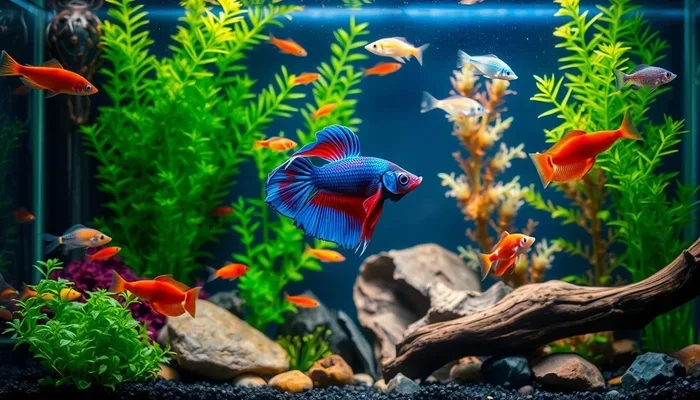
Can You Put Guppy With Betta Fish Together Find Out

Many fish owners wonder: can you put guppy with betta fish? The answer is not a simple yes or no. Male bettas often see guppies as rivals due to their bright colors and flowing fins. Female bettas may tolerate guppies better in larger tanks. Success depends on tank size, temperament, and proper setup. This guide covers everything you need to know.
Key Takeaways
- Male bettas and male guppies rarely mix well due to aggression and fin chasing.
- A 20-gallon tank minimum gives both species room to establish territories.
- Female bettas are more peaceful and may coexist with guppies better.
- Plants and decorations break sightlines and reduce stress for both fish.
- Feeding separately ensures guppies get enough food without competition.
- Watch for fin nipping and remove fish immediately if fighting occurs.
📑 Table of Contents
Can You Put Guppy With Betta Fish Together?
So you want to know if you can put guppy with betta fish in the same tank. It is a popular question among new fish keepers. The bright colors of guppies look stunning. Bettas add drama and personality to any aquarium. But mixing these two species comes with real risks.
The short answer is: it depends. Some hobbyists succeed with careful planning. Others face constant fighting and lost fish. Male bettas are especially prone to aggression. Their long fins trigger chasing behavior in many cases. Female bettas tend to be calmer and more tolerant.
This guide breaks down everything you need to know. We cover tank setup, fish temperament, feeding, and warning signs. By the end, you will know if this combo works for your situation.
Understanding Betta Fish Temperament
Betta fish go by many names. Siamese fighting fish, fancy betta, or just betta. They originate from shallow waters in Southeast Asia. Males build bubble nests and guard eggs fiercely. This territorial nature carries over into tank life.
Why Male Bettas Fight
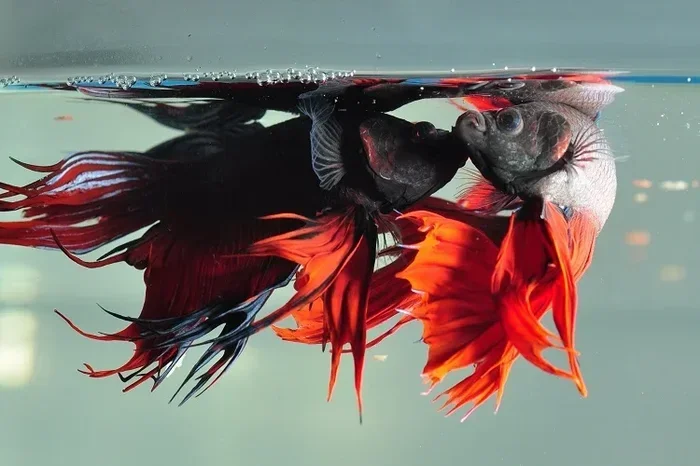
Male bettas see bright colors and flowing fins as threats. Guppies fit that description perfectly. A male guppy with a long tail can trigger a betta attack. Even mirror reflections cause bettas to flare and rage. This instinct runs deep in their DNA.
Some bettas are more docile than others. A few rare males ignore tank mates completely. But you cannot predict temperament before trying. Most experts recommend keeping male bettas solo.
Female Betta Behavior
Female bettas display less aggression overall. They can form loose groups called sororities. A single female may tolerate peaceful tank mates. Guppies swim in the middle and top levels. Bettas patrol the top and mid areas too. Overlapping spaces increase conflict chances.
Guppy Fish Traits and Needs
Guppies are colorful, active, and prolific breeders. They belong to the livebearer family. Females give birth to free-swimming fry regularly. This fast reproduction can stress other tank inhabitants.
Guppy Social Structure
Guppies thrive in groups. A school of 5 to 6 keeps them happy. They prefer planted tanks with gentle flow. Sharp fins on tank mates trigger their curiosity. Sometimes guppies nip at long fins too.
Size and Swimming Level
Adult guppies reach 1.5 to 2 inches. Bettas grow 2 to 3 inches. Both fish occupy similar water columns. This overlap creates territorial disputes. Adding height to the tank helps reduce face-to-face encounters.
Tank Setup for Mixed Species
If you decide to try this combination, setup matters enormously. A cramped tank guarantees problems. Proper planning gives both species a fair chance.
Minimum Tank Size
Go with at least 20 gallons for one betta and a small group of guppies. Larger tanks dilute aggression. Fish can establish zones without constant confrontation. A 10-gallon tank is too small for this mix.
Filtration and Heating
Both species prefer water between 75 and 80 degrees Fahrenheit. A sponge filter works well without creating strong currents. Bettas dislike fast flow. Guppies appreciate gentle movement. Keep pH between 6.8 and 7.5 for optimal health.
Live Plants and Hiding Spots
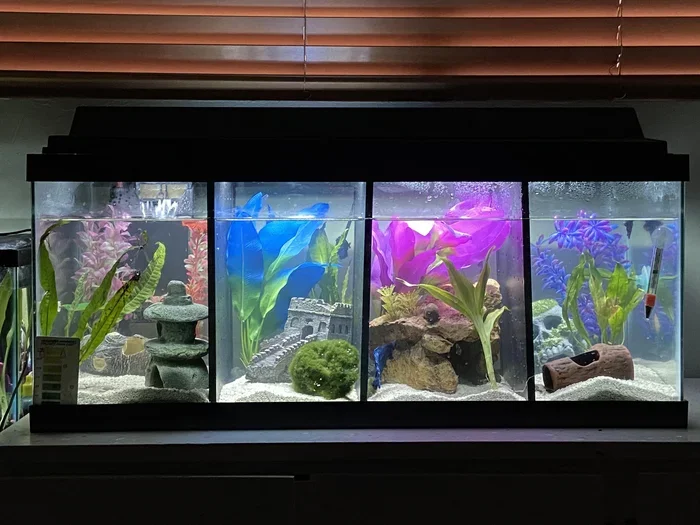
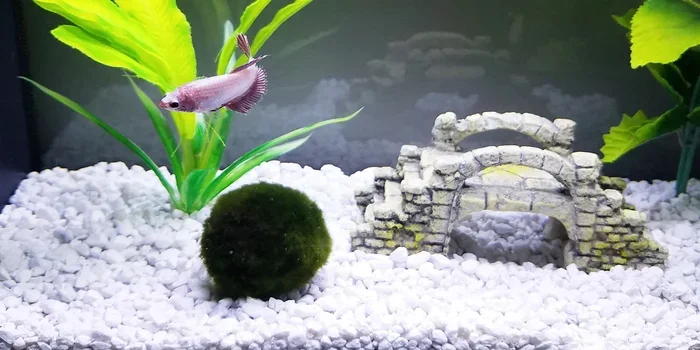
Dense plants save lives in mixed tanks. Java moss, hornwort, and anubias create natural barriers. Bettas retreat when feeling threatened. Guppies use plants as breeding shelters. Add caves and driftwood for extra coverage.
Live plants improve betta health and reduce stress significantly.
Feeding Both Species Properly
Feeding time reveals hidden tensions. Bettas eat pellets and frozen foods. Guppies accept flakes, pellets, and vegetables. Overlap in diet creates competition.
Feeding Schedule Tips
- Feed betta first with targeted pellets near their favorite spot.
- Add flake food for guppies in a different area.
- Use a feeding ring to separate eating zones.
- Offer bloodworms as a treat for both species.
- Feed twice daily with small portions only.
Underfed guppies may nip at betta fins from hunger. Overfeeding fouls the water quickly. Remove uneaten food after five minutes.
Signs of Trouble to Watch For
Even with perfect setup, problems can emerge. Watch your fish daily for early warning signs.
Aggression Signals
- Betta flaring at guppies constantly
- Chasing guppies into corners
- Biting fins or tearing tail edges
- Guppies hiding all the time
- Loss of appetite in either species
Stress Indicators
Clamped fins, rapid breathing, and pale coloration signal stress. Stressed fish get sick faster. Ich and fin rot spread quickly in mixed tanks. Quarantine sick fish immediately.
Better Alternatives to Consider
If the betta-guppy combo feels too risky, explore other options. Many peaceful fish coexist well with bettas.
Peaceful Tank Mates for Bettas
- Neon tetras in schools of 6 or more
- Corydoras catfish for bottom cleaning
- Mystery snails for algae control
- African dwarf frogs in larger tanks
- Ghost shrimp as low-risk additions
Neon tetras often work better than guppies with male bettas. Their duller colors trigger less aggression.
Guppy-Friendly Tank Mates
Guppies pair well with many species. Endlers, mollies, and platies make good companions. Avoid angelfish and cichlids that see guppies as food.
Realistic Expectations and Final Thoughts
Can you put guppy with betta fish? Yes, but success is not guaranteed. Female bettas with female guppies offer the best odds. A large tank with heavy planting improves outcomes. Monitor fish closely during the first two weeks.
Be ready to separate fish if fighting breaks out. A simple divider or backup tank saves lives. Never assume fish will “work it out” on their own. Intervention prevents injury and death.
Start with a female betta if you insist on mixing species. Add guppies slowly and watch reactions. Remove the aggressor immediately if needed. Your patience and observation skills determine success more than any product or trick.
Every fish has a unique personality. Some bettas ignore tank mates completely. Others attack anything that moves. Know when to quit and try a different setup. Your fish welfare always comes first.
Frequently Asked Questions
Can a male betta live with guppies safely?
Male bettas and male guppies rarely coexist peacefully. The bright colors and long fins trigger aggression in most bettas. Female bettas have a better chance with guppy groups. Always prepare a backup tank before mixing species.
How many guppies can you keep with one betta?
Limit guppies to 4 or 5 in a 20-gallon tank. More fish increase waste and competition. A larger tank dilutes territorial behavior. Watch for bullying and adjust stocking levels as needed.
Do guppies nip betta fins?
Yes, guppies sometimes nip at long betta fins. This happens more with active male guppies. Fin nipping causes stress and open wounds. Remove the nippers immediately to prevent infection.
What tank size works best for bettas and guppies?
A 20-gallon tank is the minimum for this combination. 30 gallons or larger gives better results. Small tanks amplify aggression and water quality issues. Invest in size for healthier fish.
Should I use a divider if mixing bettas and guppies?
A divider works well for cautious keepers. It lets fish see each other without physical contact. Some fish calm down with visual access. Remove the divider once aggression stops completely.
What signs mean I must separate the fish?
Separate fish immediately if you see torn fins, constant chasing, or hiding. Loss of appetite and rapid breathing also signal serious stress. A quarantine tank prevents further harm. Act fast to save both fish.
=== CONCLUSION ===
Putting guppy with betta fish requires careful planning and realistic expectations. Success depends on tank size, fish gender, and individual temperament. Female bettas and female guppies offer the best chance for peace. A planted 20-gallon tank with hiding spots reduces conflict significantly.
Watch your fish daily during the adjustment period. Feed separately to prevent food competition. Remove aggressive fish quickly to protect tank mates. Not every combination works, and that is okay.
Start small and learn from each attempt. Your experience grows with every tank you manage. Prioritize fish health over aesthetic goals. A peaceful solo betta tank often beats a stressful mixed setup. Choose wisely and enjoy the journey of fish keeping.