Can You Put Fish With Bettas Discover Safe Tank Mates
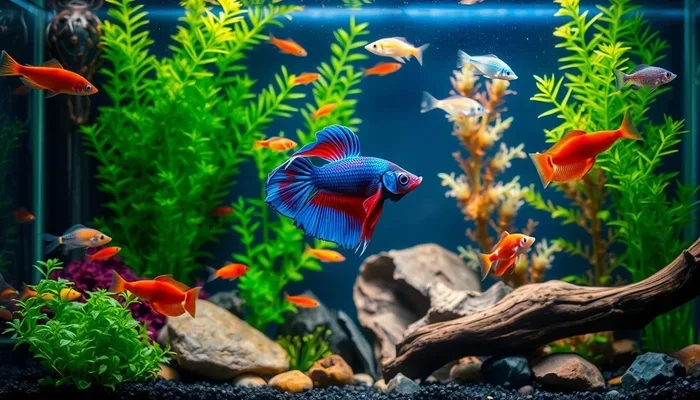
Can you put fish with bettas? Yes, but only with calm, compatible species and enough space. Learn which fish work, which to avoid, and how to add tank mates without stress.
Can You Put Fish With Bettas Discover Safe Tank Mates
SEO Title: Can You Put Fish With Bettas Discover Safe Tank Mates
Meta Title: Can You Put Fish With Bettas? Safe Tank Mates Guide
Meta Description: Can you put fish with bettas? Learn safe tank mates, key risks, tank size rules, and simple steps for a calm, healthy community aquarium before adding any fish.
URL Slug: /can-you-put-fish-with-bettas/
A betta can live a rich life on its own. Still, a well-planned community aquarium can look lively and give you more to enjoy. The key is to match the betta with fish that share its needs and will not cause harm.
Can you put fish with bettas? In many cases, yes. Whether you can add companions depends on the betta, the tank size, the water, and the other fish. Some compatible fish can live beside a betta. Others may trigger aggression or suffer from fin nipping.
This guide covers safe species, fish to avoid, and the best way to add new tank mates. You will also learn how to spot stress early and make a calm setup for your beta fish cohabitants.
Key Takeaways
- Individual behavior matters: A peaceful betta may share a tank, while another betta may attack almost anything that moves.
- Start with enough space: A 5-gallon tank is best for one betta and a snail. Use at least 10 gallons for a small community.
- Choose gentle species: Dwarf corys, harlequin rasboras, ember tetras, and nerite snails are often good choices.
- Avoid fin nippers: Skip tiger barbs, serpae tetras, guppies, and other fish known for biting long fins.
- Use a cycled aquarium: Test the water and keep ammonia and nitrite at zero before adding fish.
- Add fish slowly: Quarantine new fish and use a divider before making a permanent group.
- Separate when needed: Constant chasing, damaged fins, or stopped feeding means the tank is not working.
📑 Table of Contents
Can You Put Fish With Bettas? The Short Answer
The answer is yes, but there is no one-size-fits-all match. A peaceful betta may accept a small schooling species. Another betta may see every moving fish as a rival. Betta temperament matters as much as the species.
Most pet store bettas do best in a dedicated 5-gallon tank. A 5-gallon tank can hold one betta and a snail. It is usually too small for several fish. A 10- to 20-gallon tank gives you more room and helps keep water stable.
Think about the whole tank, not just the betta. A shy cory may cope with a bold betta. A bold fin nipper may wear down the same cory. Good tank planning starts with safe behavior, space, and matching water needs.
One Betta or Many?
Keep one male betta in most home tanks. Do not house a male and female betta together unless you have a proven breeding plan. Two male bettas should never share a tank.
- A 5-gallon tank should usually hold one betta and one snail.
- A 10-gallon tank may hold a betta and a small school of hardy fish.
- A 20-gallon tank gives more options for bottom dwellers and larger schools.
- Female bettas may form groups, but this needs expert care and a large tank.
Quick Tip
Start with a healthy betta that already eats well and behaves normally. Add only one safe species at a time. This makes it easier to spot changes in behavior or water quality.
Choose a Safe Community Aquarium
Match the Water Conditions
Bettas are tropical fish. They need warm, clean water. Most bettas do well at 76 to 80 degrees F. A stable pH from 6.5 to 7.5 often works well. Some bettas prefer harder water, so test your tap water before stocking.
- Use a reliable heater and thermostat.
- Filter the tank, even if the filter flow is gentle.
- Keep ammonia and nitrite at zero.
- Keep nitrates near 20 to 40 ppm or lower.
A betta can breathe air with its labyrinth organ. This does not remove the need for a filter. A cycled aquarium removes toxic waste and protects every fish in the tank.
Use the Right Tank Size and Layout
Tank size sets the limit for safe stocking. It does not matter how small a fish looks in a store. The fish still needs room to swim, hide, and show normal behavior.
- Use at least 10 gallons for small schooling fish.
- Use 20 gallons or more for kuhli loaches or larger fish.
- Keep schooling fish in groups of six or more.
- Add plants, caves, and broad leaves for hiding places.
Divide the tank into zones. Let the betta use the top and middle. Place slow fish near the bottom. Add active swimmers in the middle, but leave open water for swimming. This helps reduce crowding and the tank hierarchy fights that can follow.
Study the Betta Before Adding Fish
Watch your betta for a few weeks before adding companions. A calm betta may swim in the open and eat well. A betta that flares at its reflection may also react to other fish. Prior stress can make a new match harder.
Do not use another fish to “toughen up” a shy betta. That can add stress and may cause injury. If your betta has already attacked divider glass, guppy images, or shiny objects, choose a solo tank.
Expert Insight
The best match leaves room for each fish to act naturally. A betta should not have to chase every fish from its favorite leaf. Schooling fish should not spend all day hiding from one bold betta. Both sides need space.
Best Fish to Put With Bettas
The best fish are small, calm, and active in another part of the tank. They should not bite long fins or demand the same space as your betta. Here is a simple comparison.
| Species | Why It May Work | Main Caution | Suggested Setup |
|---|---|---|---|
| Dwarf cory catfish | Calm peaceful bottom dwellers | Need soft sand and a group | Six or more in a 10-gallon tank |
| Harlequin rasbora | Active and peaceful in the middle level | Need a proper school | Six or more in a 10-gallon tank |
| Ember tetra | Small, calm, and easy to watch | Do not buy only two | Eight or more in a 10-gallon tank |
| Celestial pearl danio | Peaceful and active near the top | May be too active for some bettas | Six or more in a planted 10-gallon tank |
| Kuhli loach | Quiet and interesting at night | Needs more space and hiding spots | Six or more in a 20-gallon tank |
| Nerite snail | Cleanse algae and add useful movement | Some fish may flip the shell | One snail in most betta tanks |
Dwarf Corys
Dwarf corys are often excellent betta tank mates. They stay near the bottom and usually ignore the betta. Use a fine sand bed, not sharp gravel. Keep at least six together so they feel safe.
Do not keep corys alone with a betta. A group lets them explore, feed, and hide together. They may be shy at first, but they should begin feeding within a few days.
Harlequin Rasboras and Ember Tetras
These small schooling fish can work in a larger tank. Keep enough of them together. A pair will feel exposed and may hide all day. A group of six to ten gives each fish room to move.
Use slow plants and open swimming space. A tank cover is also wise because bettas and small fish can jump. Keep the water stable, since sudden changes can cause fish stress.
Celestial Pearl Danios
Celestial pearl danios are calm, bright, and active. They often stay near the surface, which may bring them close to a curious betta. A heavily planted 10-gallon tank gives them cover and helps reduce confrontations.
Start with a group of six. Add them before the betta if you are building a new community. This helps the danios settle before meeting a new fish.
Kuhli Loaches
Kuhli loaches are best for larger, well-planted tanks. They hide in tubes and search for food at night. Give them six or more mates and plenty of caves. A 20-gallon tank is a safer starting point.
Freshwater Snails
Snails are not fish, but they are useful tank mates. A nerite snail can help control algae without competing for much space. You can read more about freshwater snails before choosing one.
Livebearers and Guppies
Guppies are popular, but they are not the safest choice for most bettas. Their long fins may attract biting. Males can also be bright and active, which may trigger a betta. Learn more about guppies and other livebearing fish before making a choice.
Common Mistakes
- Buying two tetras instead of a full school.
- Keeping corys alone in a small tank.
- Adding a betta to a tank that is not cycled.
- Using a 5-gallon tank for too many fish.
- Ignoring the betta’s past behavior.
Fish to Avoid in a Betta Tank
Fin Nippers
Avoid tiger barbs, serpae tetras, hatchetfish, and some rainbowfish. These fish may bite fins and keep other fish under stress. Long-finned bettas are easy targets.
Do not mix a betta with another betta. This includes male bettas, female bettas, and bettas of any color. Even fish that look calm can attack when space is limited.
Aggressive and Oversized Fish
Large cichlids, oscars, bala sharks, and koi are poor choices. They may treat a betta as a rival or simply outgrow the tank. Some gouramis also act much like bettas and may fight with them.
Small shrimp are another poor choice. A betta may eat them before they become useful cleaners. Do not assume that a fish’s label, such as “peaceful,” proves it will work with a betta.
Goldfish
Goldfish need cool, clean water and create a high waste load. Bettas need warmer water. Goldfish may also nip fins. Keep them in a separate, properly sized tank.
Common Mistakes to Avoid
- Adding fish based only on color or size.
- Skipping a quarantine tank or separate setup.
- Stocking a tank with fin nippers because they are cheap.
- Using sharp rocks or bare plastic plants that tear fins.
- Adding a new fish without testing the water.
How to Add Fish to a Betta Tank Safely
Use a Step-by-Step Plan
- Cycle the tank first. Test the water until ammonia and nitrite read zero.
- Match the water. Compare the new fish’s needs with your tank before buying.
- Quarantine new fish. Watch them for two to four weeks in a separate setup.
- Plan the layout. Add plants, caves, and hiding places before the fish arrive.
- Add community fish first. When creating a new tank, let safe fish settle before adding the betta.
- Use a divider. Give the betta three to seven days to adjust to the new fish.
- Watch closely. Feed both sides and check for chasing or fear.
A gradual introduction lowers risk. A divider lets the fish see each other without fighting. It also gives you time to judge betta temperament. If the betta calms down, you can allow a short supervised meeting.
Watch for Stress or Aggression
Stop the introduction if you see constant flaring, pinned fins, or hard zebra stripes. Separate the fish if one side keeps attacking the divider. Also watch for torn fins, lost appetite, crushed tails, or schooling fish that hide nonstop.
An observation period of at least two weeks is wise after a full tank change. Check the fish several times a day at first. Feed separately so the betta does not compete for every bite.
Quick Tips for Success
- Do a 20% to 30% water change before adding fish.
- Keep food near each fish’s preferred tank level.
- Add plenty of plants to break direct lines of sight.
- Never add a male and female betta without a breeding plan.
- Return any fish that shows lasting fear or injury.
Expert Insight
Patience beats force. A calm betta may accept a new tank mate, but a stressed betta will not learn to share through repeated fights. If one setup fails, try a solo tank with plants, caves, and interesting movement.
Final Verdict: Build a Calm Betta Community
So, can you put fish with bettas? Yes, when the species, tank, and fish personalities fit. A 10- to 20-gallon heated and filtered tank gives far better odds than a small bowl.
For many owners, dwarf corys, small rasboras, ember tetras, and nerite snails are the safest starting point. Avoid fin nippers, large aggressive fish, goldfish, and other bettas unless you have a proven breeding plan.
Take time to prepare the tank, use a quarantine setup, and watch the betta’s behavior. If your betta stays calm and the other fish show no fear, you may have a peaceful community aquarium. If not, a well-furnished solo tank is the kinder choice.
Frequently Asked Questions
Can you put guppies with bettas?
Usually, no. Guppies have long fins and may be treated as fin nippers by a betta. A bold betta can also become aggressive toward bright male guppies.
What are the best small fish for a betta?
Good choices often include dwarf corys, harlequin rasboras, ember tetras, and celestial pearl danios. They need enough space and should be kept in proper groups.
Can a betta live with a goldfish?
No. Goldfish need cooler water and create more waste than a small betta tank can handle. They may also nip at a betta’s fins.
Can I put two fish in a 5-gallon tank with my betta?
A 5-gallon tank is best for one betta and one snail. Two extra fish can create poor water quality and too much activity. Use a tank of at least 10 gallons for a small community.
How do I know if a tank mate is stressing my betta?
Watch for constant flaring, hiding, pinned fins, loss of color, and refused food. Torn fins or nonstop chasing mean you should separate the fish at once.
Can a betta learn to share a tank?
Some bettas accept peaceful tank mates, while others never will. Use a divider and give the fish time to adjust. Do not force a match if your betta stays aggressive.