Can Shrimp Go with Betta Fish
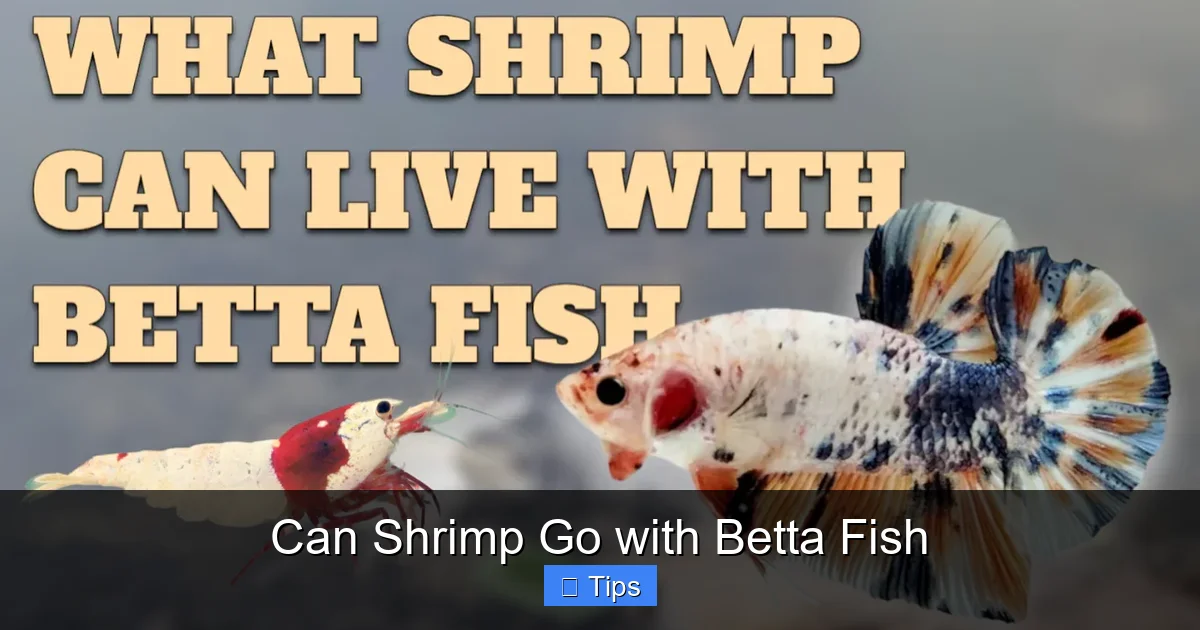
Yes, certain shrimp species can often coexist with betta fish, but success is not guaranteed. It heavily depends on the individual betta’s temperament, the shrimp’s size and species, and a well-prepared aquarium environment. Providing ample hiding places and choosing larger, faster shrimp like Amano or Bamboo shrimp significantly increases the odds. Always be prepared to separate them if aggression occurs.
So, you’ve got a stunning, flowing betta fish in a beautiful tank, and you’re thinking, “Can I add some little cleanup crew members? Can shrimp go with betta fish?” It’s a fantastic question that comes up all the time in the aquarium hobby. The short, honest answer is: sometimes, but it’s a gamble. Betta fish, with their beautiful fins and charismatic personalities, are also famously territorial and possessive. They can be little underwater dragons. Shrimp, on the other hand, are delicate, tasty-looking morsels that scuttle around the bottom. Putting these two together feels like mixing fire and ice. But with the right knowledge, preparation, and a bit of luck, you can create a captivating community tank where both thrive. This guide will walk you through everything you need to know to make an informed decision and stack the odds in your favor.
We’ll break down the betta’s notorious personality, explore which shrimp have the best survival skills, design the perfect shrimp-safe fortress of a tank, and walk through the delicate introduction process. This isn’t about forcing a friendship; it’s about creating an environment where peaceful coexistence is possible. Let’s dive in.
Key Takeaways
- Betta temperament is the biggest variable: A peaceful betta may ignore shrimp, while a aggressive one will hunt them. There’s no way to know for sure until you try.
- Shrimp species and size matter critically: Large, fast shrimp like Amano or Bamboo shrimp have the best chance. Small, slow shrimp like Cherry or Ghost shrimp are often seen as food.
- The aquarium environment is non-negotiable: A heavily planted tank with dense cover, driftwood, and caves is essential for shrimp to hide and feel secure.
- Tank size directly impacts compatibility: A larger tank (20+ gallons) dilutes the betta’s territory and provides more space for shrimp to evade, making coexistence more feasible.
- Introduction order and monitoring are key: Adding the betta to an established shrimp tank is often preferable. You must watch interactions closely for the first 48-72 hours.
- It’s a calculated risk, not a guarantee: Even with perfect conditions, some bettas will always hunt. Have a backup plan (a separate tank) ready.
- Proper diet reduces hunting instinct: A well-fed betta is less likely to see shrimp as a snack. Feed high-quality foods before and during the introduction period.
📑 Table of Contents
- Understanding the Betta: More Than Just a Pretty Face
- The Shrimp Lineup: Who Has the Best Chance?
- Building the Fortress: Tank Setup for Success
- The Delicate Dance: Introduction and Monitoring
- Feeding Frenzy vs. Full Belly: Nutrition’s Role
- Troubleshooting and The Reality Check
- Conclusion: A Rewarding Challenge with Eyes Wide Open
Understanding the Betta: More Than Just a Pretty Face
Before we even think about shrimp, we need to understand our betta. The Siamese fighting fish, or Betta splendens, has been selectively bred for centuries for one primary trait: aggression. That flamboyant fin and vibrant color? They’re products of a breeding program focused on combat. This means that aggression and territorial defense are baked into their DNA. A betta’s tank is his castle. He will patrol every inch, flaring his gills at his own reflection, and he will defend it from any intruder he perceives as a threat or a meal.
The Spectrum of Betta Personalities
Not all bettas are created equal. There’s a huge spectrum. You might have a “placid plakat” who barely notices a snail crawling by, or you might have a “fin-nipping nightmare” who attacks anything that moves. You usually won’t know your betta’s true temperament until he’s settled in a tank with other creatures. This is the core of the risk. Some bettas are curious but passive observers. Others are relentless hunters. Your goal is to assess your specific betta’s behavior. Is he easily spooked by shadows? Does he flare at you when you walk by? Does he chase a siphon tip? These are signs of a more reactive, potentially aggressive personality.
Why Shrimp Trigger the Instinct: Shrimp fit a betta’s instinctual prey profile perfectly. They are small, they move in quick, jerky motions, and they often have bright colors (red cherry shrimp, anyone?). To a betta, a small shrimp isn’t a tankmate; it’s a moving snack. Even a peaceful betta might give chase out of instinct, not malice. The chase alone can stress a shrimp to death, even if he’s not eaten.
The Shrimp Lineup: Who Has the Best Chance?
If we’re sending a shrimp into a betta’s territory, we need to send the most capable agents. Not all shrimp are equal in size, speed, or defense. Choosing the right species is your first and most critical strategic move.
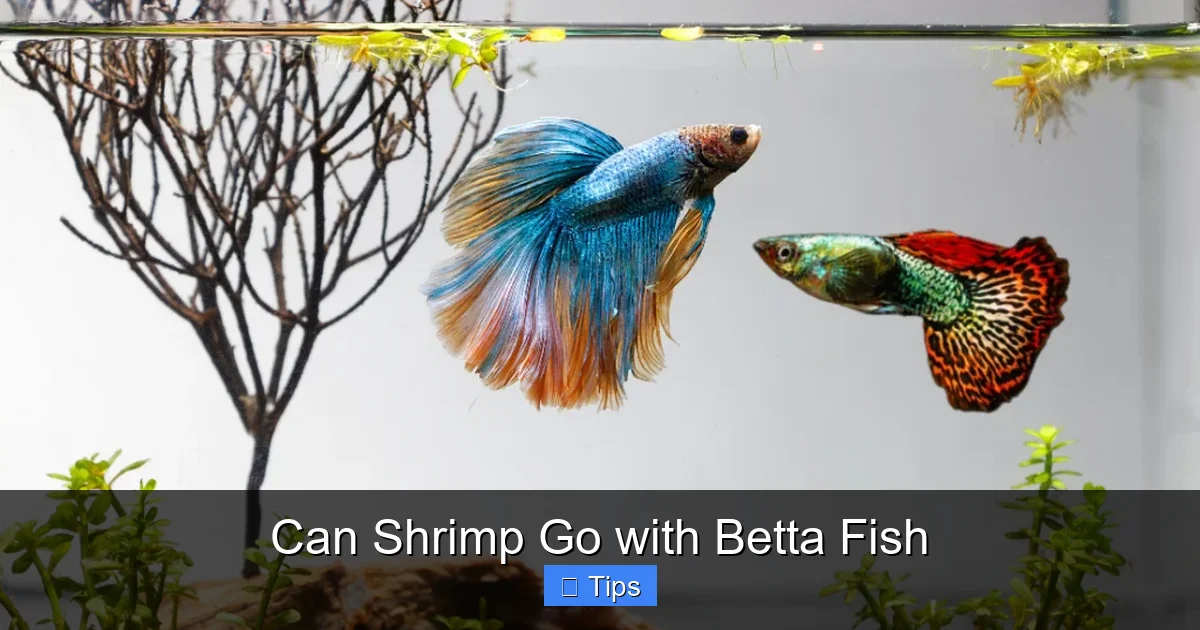
Visual guide about Can Shrimp Go with Betta Fish
Image source: japanesefightingfish.org
Tier 1: The Heavy Hitters (Best Chance)
- Amano Shrimp (Caridina multidentata): The gold standard for betta companions. Amanos are large (2-3 inches), fast, and have a drab, brownish coloration that doesn’t scream “food!” They are voracious algae eaters, constantly on the move, and can generally outswim a determined betta. Their size alone makes them less appealing as a meal.
- Bamboo Shrimp (Atyopsis moluccensis): Another top contender. These filter-feeding giants can reach 3-4 inches. They are calm, spend much of their time on driftwood or rocks filtering water, and their size makes them impractical for all but the largest, most predatory bettas. They are less likely to be seen as prey and more as a weird, filter-feeding decoration.
Tier 2: The Gambles (Possible with Conditions)
- Ghost Shrimp (Palaemonetes spp.): The classic “cheap” shrimp. They are transparent, which offers some camouflage, and are decently fast. However, they are small (1.5 inches) and are a common food in pet stores, so a betta may recognize them as such. Success is hit-or-miss and highly dependent on the betta.
- Cherry Shrimp (Neocaridina davidi): The most popular and colorful. This is also the riskiest. Their bright red color is a giant target. They are small and relatively slow. A betta will almost certainly try to eat them. In a massively planted tank with a very calm betta, a colony might establish, but constant predation is the more likely outcome. They are better suited as a “sacrificial” cleanup crew in a betta tank where you accept losses.
Tier 3: Avoid (High Risk)
- Small Freshwater Shrimp (e.g., Bee Shrimp, Crystal Red Shrimp): These are tiny, delicate, slow-moving, and often brightly colored. They are essentially betta candy. Do not attempt.
- Any breeding shrimp with eggs: A gravid (berried) female is even slower and more vulnerable. She will be an easy target.
Building the Fortress: Tank Setup for Success
You cannot put a shrimp in a bare betta tank and expect it to survive. The environment is your shrimp’s primary defense. You must build a labyrinth of hiding places so complex that a betta can’t possibly patrol it all or find every shrimp. Think “jungle,” not “show tank.”
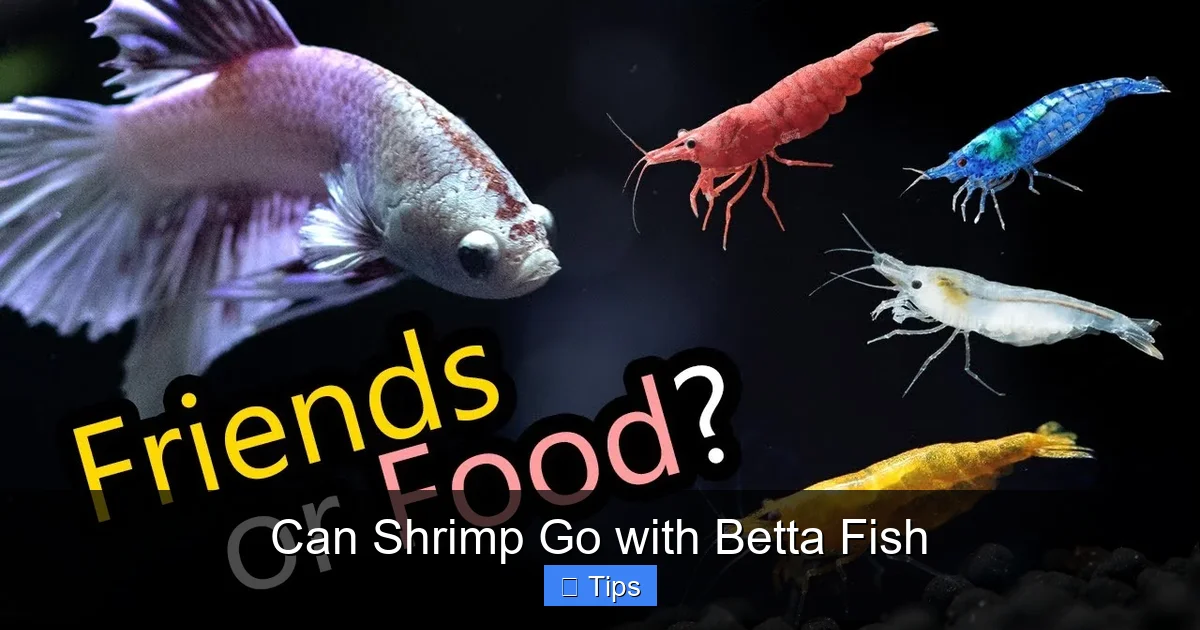
Visual guide about Can Shrimp Go with Betta Fish
Image source: i.ytimg.com
The Absolute Necessities: Plants and Hardscape
Live Plants are Your Best Friend: Stem plants like Rotala, Ludwigia, and Hygrophila grow densely and create a thicket. Floating plants like Salvinia or Frogbit are incredible—they diffuse light, reduce stress, and provide a whole upper layer of cover. Mosses (Java moss, Christmas moss) are shrimp paradises; they collect biofilm (shrimp food) and offer microscopic hiding spots for baby shrimp.
Hardscape is Critical: Driftwood is a multi-purpose tool. It provides surfaces for biofilm (a primary food source for many shrimp), creates caves and overhangs, and breaks up line of sight. Rocks, especially porous lava rock, do the same. Create a landscape with nooks, crannies, and tunnels. PVC pipes or ceramic shrimp tubes can also be added as dedicated shelters.
Tank Size and Filtration
Minimum 20 Gallons: A 5 or 10-gallon tank is a boxing ring for a betta and a shrimp. There’s no escape. A 20-gallon long provides a much larger footprint, diluting the betta’s perceived territory and giving shrimp miles of border to hide along. Bigger is always better.
Gentle Filtration: Shrimp, especially babies, can be sucked into filter intakes. Use a sponge filter (the perfect choice—it provides more biofilm!) or a hang-on-back filter with a pre-filter sponge covering the intake. The flow should be moderate; strong currents will stress both bettas and shrimp.
The Delicate Dance: Introduction and Monitoring
How you introduce these species can make or break the entire venture. Rushing this step is a common mistake.
The Preferred Method: Shrimp First
The safest method is to fully cycle the tank (this is non-negotiable—ammonia will kill shrimp instantly) and establish a lush, mature ecosystem with your chosen shrimp species. Let the shrimp colony (start with 5-10) establish itself for 2-4 weeks. They will claim hiding spots, explore, and feel at home. Then, introduce the betta. A betta added to an established shrimp tank is less likely to see it as his new territory to defend against invaders; he’s the intruder. He’ll be too busy exploring his new home to immediately hunt every shrimp. Use a quarantine tank for the betta first to ensure he’s healthy.
The Alternative: Simultaneous or Betta First
If you already have a betta in a established tank, the process is riskier. You must ensure the tank is shrimp-ready (plants/hardscape added) before adding the shrimp. Acclimate the shrimp slowly (drip acclimation is best). The moment you release them, you must watch. Have a net ready. Be prepared to remove the betta if he shows immediate, relentless aggression. Sometimes, a betta will be curious but lose interest after a few minutes. Other times, the hunt begins instantly.
The 72-Hour Watch Period
For the first three days, observe the tank at different times of day. Look for:
- Chasing: The betta actively pursuing shrimp. A few curious chases are normal; relentless hunting is not.
- Hiding: Are the shrimp only coming out at night (dawn/dusk)? This is a stress sign. They should eventually feel safe enough to forage.
- Missing Shrimp: Count them. If they start disappearing without a trace (no molted shells, no carcass), they’re being eaten.
- Betta Behavior: Is the betta patrolling frantically or lounging calmly? A calm betta is a good sign.
Feeding Frenzy vs. Full Belly: Nutrition’s Role
A hungry betta is a hunting betta. This is a simple, powerful truth. You must break the association between “shrimp movement” and “food.”
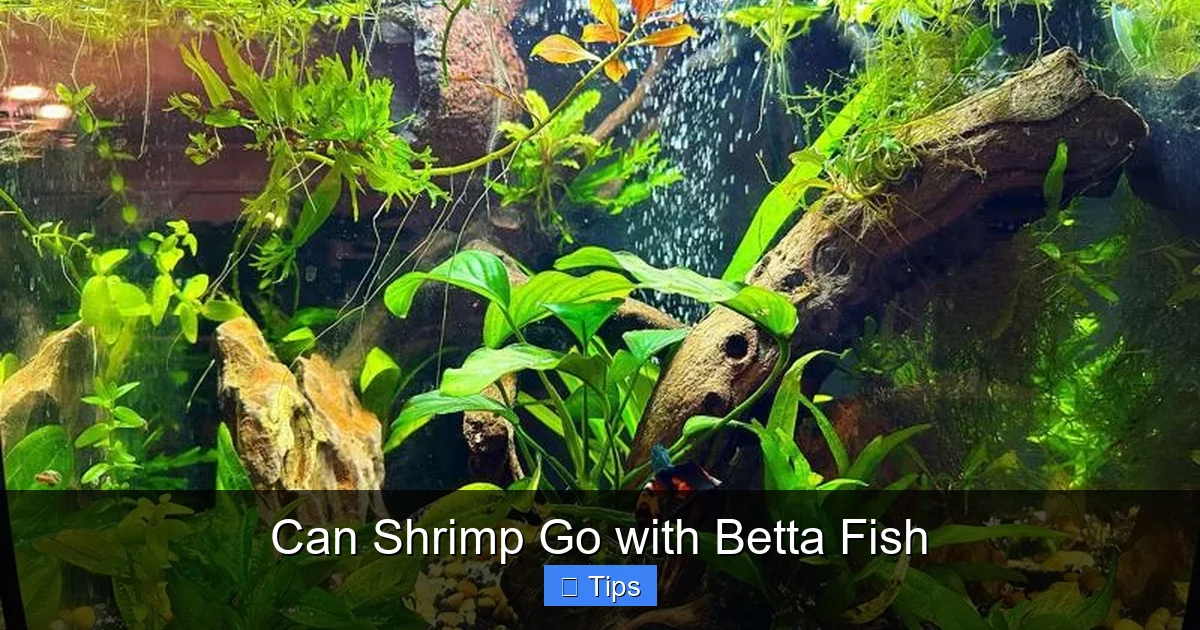
Visual guide about Can Shrimp Go with Betta Fish
Image source: ouraquariumlife.com
Feed the Betta First, Well, and Often
Before introducing shrimp, and for the first week after, feed your betta a high-quality, varied diet (pellets, frozen or live foods like daphnia or brine shrimp) right before you plan to observe the tank. A betta with a full stomach is far less motivated to chase. Don’t overfeed, but ensure he’s satisfied. You can even try feeding the betta in a separate “feeding ring” or with a tweezer to associate food with you, not the shrimp.
Feed the Shrimp Too!
A well-fed shrimp colony is less likely to venture into open areas out of desperation. Shrimp are mostly scavengers and need supplemental food. Use high-quality shrimp pellets, algae wafers, or blanched vegetables (zucchini, spinach). Scatter these in hidden areas under plants and driftwood. This keeps them busy foraging in safe zones.
Troubleshooting and The Reality Check
Despite your best efforts, things can go wrong. You need to be realistic and have a plan.
Signs It’s Not Working
If after a week, the betta is still actively hunting every shrimp it sees, if shrimp are dying daily, or if you only ever see shrimp at night with no activity during the day, it’s not working. The betta’s stress level might also be high—constant flaring, frantic patrolling. This is a toxic environment for both.
Your Backup Plan is Essential
Have a separate, cycled tank ready. This is your shrimp quarantine/hospital tank. If the betta shows unprovoked aggression, you must remove the shrimp immediately. Do not wait for them all to die. Transfer the remaining shrimp to the backup tank. Alternatively, if you have a *very* aggressive betta, you may need to move the betta instead and keep the shrimp in the original, well-decorated tank. This is why the “shrimp first” method is superior—the tank is already optimized for the more vulnerable creatures.
The Colony Collapse Scenario
Even if initial aggression is low, bettas may pick off a shrimp or two every week. This is a sad but common reality. If you start with 10 Amanos, you might end up with 7 after a month. This is often considered “acceptable loss” by hobbyists who prioritize the betta’s happiness. If you are trying to breed a colony of Cherry shrimp, this model is almost impossible with a betta present.
Conclusion: A Rewarding Challenge with Eyes Wide Open
So, can shrimp go with betta fish? The answer is a qualified, hopeful yes, but it’s a project, not a casual addition. It requires you to be a detective, a designer, and a patient observer. Your success hinges on three pillars: choosing the right, large shrimp species like Amanos; building a tank that is a jungle of hiding places with a minimum of 20 gallons; and understanding that your specific betta’s personality is the ultimate decider.
This hobby is about creating a slice of nature that brings you joy. A tank with a betta and a few giant Amanos, all cruising through a forest of plants, can be a breathtaking and dynamic display. But it must be done with respect for the betta’s instincts and the shrimp’s fragility. Do your homework, set up the fortress, introduce carefully, and watch closely. And always, always have a Plan B tank ready. With that preparation, you just might witness one of the aquarium hobby’s most fascinating—and delicate—friendships.
Frequently Asked Questions
Will my betta definitely eat the shrimp?
Not definitely, but it’s highly likely, especially with small, colorful shrimp like Cherry shrimp. A betta’s instinct to hunt small, moving creatures is strong. The goal is to make the shrimp so hard to catch and the betta so well-fed that the hunting instinct diminishes over time.
What is the single best shrimp to try with a betta?
The Amano shrimp (Caridina multidentata) is widely considered the best and safest choice. They grow to 2-3 inches, are very fast, have dull coloring, and are primarily algae eaters that are constantly on the move, making them difficult targets.
Can I breed shrimp in a tank with a betta?
Practically no. Shrimp babies (shrimplets) are microscopic and extremely vulnerable. A betta would view them as effortless food. Even if adult shrimp survive, breeding a sustainable colony in a betta tank is nearly impossible.
How many shrimp should I start with?
For larger shrimp like Amanos or Bamboo shrimp, start with a group of 5-10. This gives them safety in numbers and increases the chance some will survive even if a few are lost. For riskier shrimp like Ghost shrimp, you might start with 10-15, accepting that some may be eaten.
Do I need a special filter for shrimp?
Yes. You must use a filter with a pre-filter sponge covering the intake to prevent shrimp, especially babies, from being sucked in. A sponge filter is an excellent, dual-purpose choice as it provides gentle filtration and a huge surface area for beneficial biofilm that shrimp love to graze on.
What if my betta is aggressive towards the shrimp?
If the betta shows relentless hunting behavior (not just curious chasing), you must act quickly. Have a backup, cycled tank ready. Remove the shrimp immediately to prevent stress and death. In some cases, you may need to move the betta instead if the tank is already set up perfectly for the shrimp.