Can Male Betta Fish Be with Other Fish
Male betta fish are famously territorial and often aggressive, but they can sometimes live with other fish under very specific conditions. Success depends entirely on the individual betta’s personality, a properly sized and decorated tank, and carefully chosen, non-threatening tank mates. It’s not a guarantee, but with meticulous planning and observation, a peaceful community tank is possible for some male bettas.
Key Takeaways
- Bettas are individuals: A male betta’s temperament varies greatly; some are mild-mannered, others are fiercely aggressive. There is no universal rule.
- Tank size is non-negotiable: A minimum of 20 gallons is strongly recommended for any community tank with a male betta to provide enough space and territory.
- Choose tank mates wisely: Ideal companions are peaceful, fast-moving, non-colorful fish that occupy different tank levels and don’t resemble other bettas.
- Aquascaping is critical: Dense planting, rock caves, and driftwood create visual barriers and break lines of sight, which reduces stress and aggression.
- Always have a backup plan: Be prepared to separate the betta immediately if aggression occurs, having a hospital tank or divider ready.
- Introduce the betta last: Add all other community fish first and let them establish their territories before introducing the male betta to the tank.
- Monitor constantly: Watch for signs of stress or aggression (flaring, chasing, nipped fins) for at least the first few weeks after any introduction.
📑 Table of Contents
Understanding the Male Betta’s Reputation
If you’ve ever walked into a pet store and seen a male betta fish (Betta splendens) floating alone in a tiny cup, you’ve been handed a classic piece of misinformation. That solitary confinement isn’t a preference; it’s a necessity born from their intense territorial nature. The “Siamese Fighting Fish” moniker isn’t just a catchy name—it’s a direct legacy of centuries of selective breeding for aggression in their native Thailand. So, when we ask, “Can male betta fish be with other fish?” the short, honest answer is: sometimes, but it’s a calculated risk, not a standard practice.
Their aggression is primarily directed towards other male bettas and fish that resemble them—long, flowing fins, bright colors, and a similar body shape. Think of another betta or a fancy guppy. This is a visual trigger. However, a betta’s personality is as unique as a human’s. Some are bullies, some are curious but passive, and a rare few are almost docile. Your success hinges on recognizing this individuality and designing an environment that caters to a peaceful disposition, not one that fuels a combative one. It’s about managing instincts, not eliminating them.
The Foundational Rule: Tank Size and Setup
Before you even consider a tank mate, you must absolve yourself of the sin of the “betta bowl.” A proper setup is the single most important factor in determining if a male betta can live with others. A cramped, barren tank is a pressure cooker for stress and aggression.
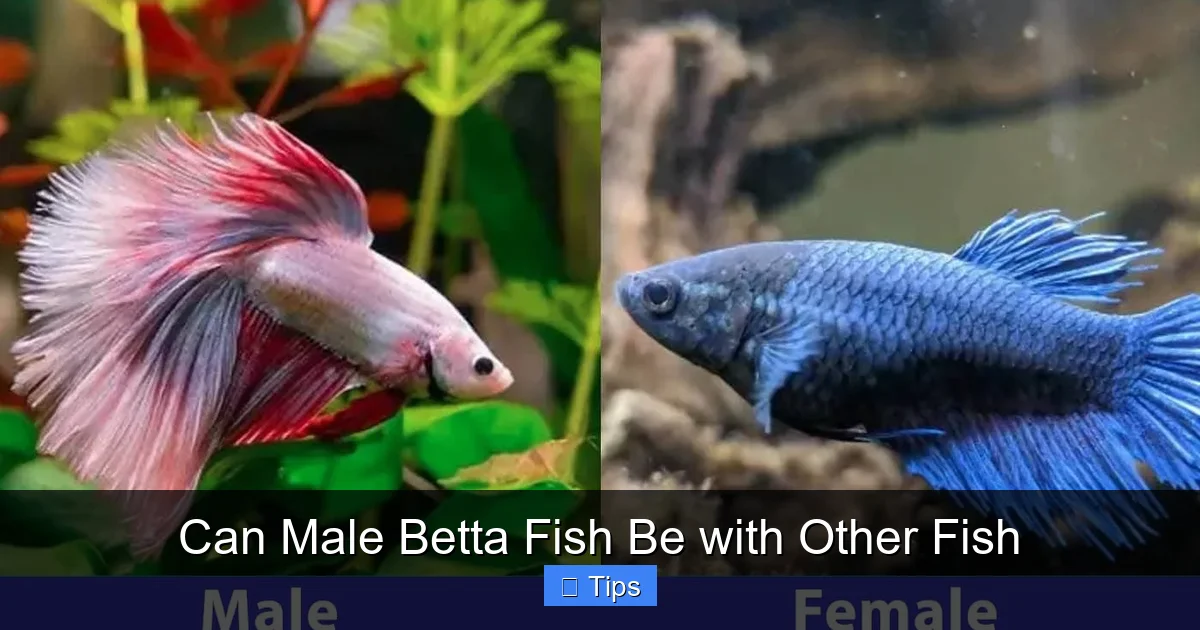
Visual guide about Can Male Betta Fish Be with Other Fish
Image source: fishonline.com.au
Why 20 Gallons is the New Minimum
For years, the advice was a 5 or 10-gallon tank. Modern, experienced aquarists largely agree this is insufficient for a true community. A 20-gallon long tank (or larger) is the new baseline. Here’s why: space equals escape. In a larger volume, a betta can patrol a “territory” that is a small fraction of the total water, leaving vast areas for other fish to call home without constant intrusion. It dilutes the betta’s presence and provides multiple, distinct hiding spots. A 20-gallon long also offers a larger footprint (surface area), which is more important than height for most fish, as it creates more horizontal swimming and hiding zones.
The Art of Aquascaping for Peace
Your tank must be a labyrinth, not an open arena. The goal is to break the line of sight. Every time the betta turns a corner, a new fish should be out of view.
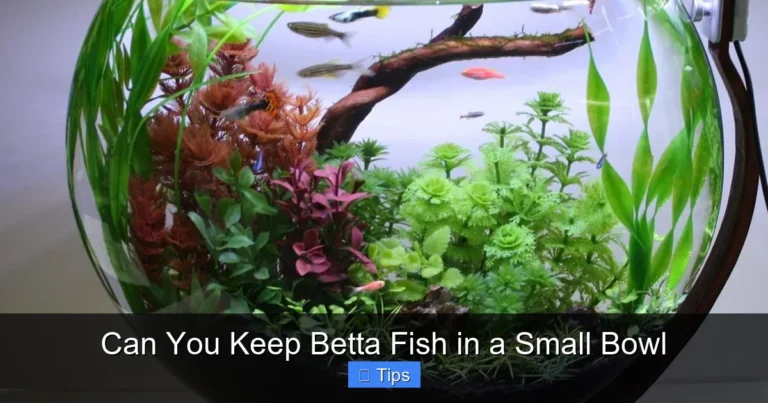
- Dense Planting: Use live plants like Java fern, Anubias, Cryptocorynes, and floating plants like Salvinia or Frogbit. These create a forest-like canopy and mid-level thickets.
- Hardscape is Key: Rocks (lava rock, slate) stacked to form caves, and especially driftwood, are invaluable. They create nooks, crannies, and overhangs where a fish can feel secure.
- Establish Territories: Place a large centerpiece decoration (a big piece of driftwood or a rock pile) that the betta can claim as its “home base.” Position it so it’s not directly in a high-traffic area.
A well-decorated 20-gallon tank gives you a fighting chance. A bare 20-gallon tank is still a risky arena.
Ideal Tank Mate Candidates: The “Good Neighbors”
Now we get to the heart of the question. Which fish have the best chance of coexisting with a male betta? The profile is very specific: they should be peaceful, fast-moving, non-nippy, and dull in color. They should also occupy different swimming levels to minimize encounters.
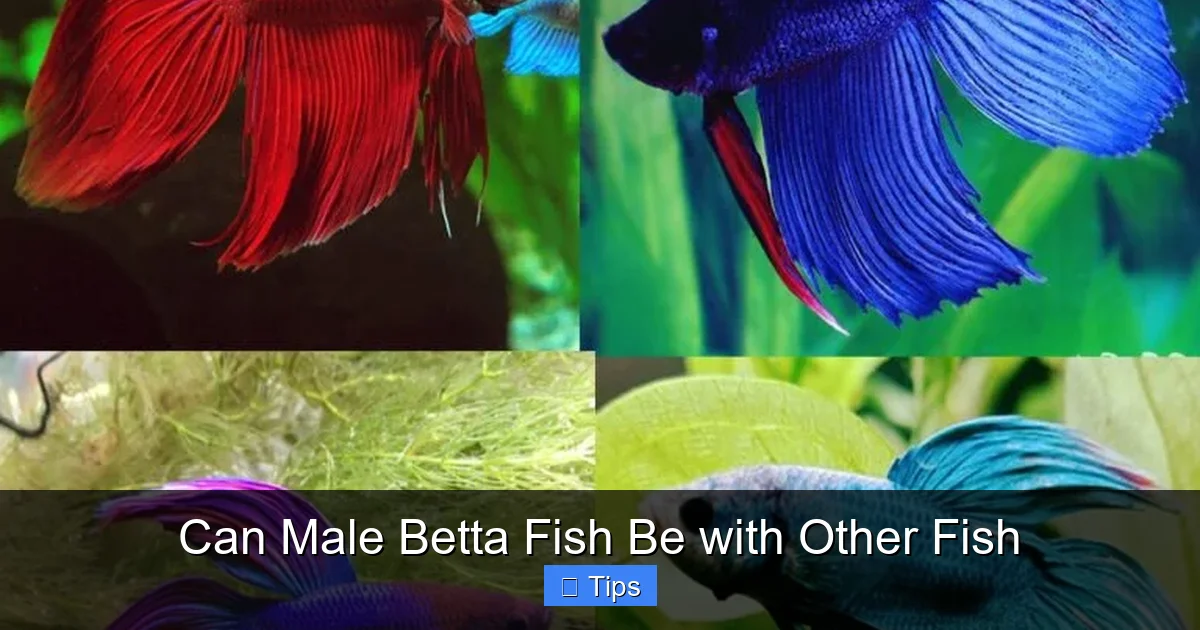
Visual guide about Can Male Betta Fish Be with Other Fish
Image source: bettafishnest.com
The Top Tier: Small, Fast, and Peaceful Schoolers
These are your safest bets. Their speed allows them to evade a curious or mildly aggressive betta, and their schooling nature means they’re more focused on each other than the betta.
- Harlequin Rasboras (Trigonostigma heteromorpha): A classic choice. They are peaceful, active, and their orange/red color is on the body, not in long fins. They school beautifully in the top and middle levels.
- Celestial Pearl Danios (Danio margaritatus): Also known as Galaxy Rasboras. Tiny, stunningly marked, but their coloration is spotty, not solid. They are active, hardy, and stay small, zipping around the top and mid-water.
- Ember Tetras (Hyphessobrycon amandae): Translucent orange-red, but tiny (under 0.8 inches). Their size and speed make them excellent. They are a stunning, fiery school that the betta may barely notice.
- Neon or Cardinal Tetras (Paracheirodon innesi/axelrodi): Use with caution and only in a large, heavily planted tank. Their bright blue/red stripe can be a trigger. However, their speed and tight schooling often work. Cardinals are larger and may be less likely to be seen as prey.
The Middle Tier: Carefully Selected, Unique Species
These can work brilliantly but require more observation and a perfect tank setup.
- Bristlenose Plecos (Ancistrus sp.): The best pleco for a betta tank. They are armored, nocturnal, and spend their time on the glass or wood, not in the betta’s face. They are algae eaters, but you must still provide proper food (sinking wafers). Their “bristles” are not a trigger.
- Kuhli Loaches (Pangio kuhlii): Perfect bottom-dwellers. They are eel-like, peaceful, and spend their days burrowed in the substrate or hiding under decorations. They are completely out of sight and mind for a betta.
- African Dwarf Frogs (Hymenochirus curtipes): A true amphibian. They are aquatic, peaceful, and occupy the bottom/mid-level. They are slow and can be bullied, so only attempt with a proven, calm betta. They need easy access to the surface to breathe.
- Shrimp (Neocaridina davidi, Caridina cantonensis): A gamble. Cherry Shrimp are colorful and may be eaten. Amano Shrimp are large, drab, and often survive. They are great cleanup crew but are viewed as a snack by many bettas. Start with a few and see.
High-Risk and Absolute “No” Candidates
Just as important as knowing who *might* work is knowing who will almost certainly fail. This list is crucial for preventing heartbreak and fish loss.
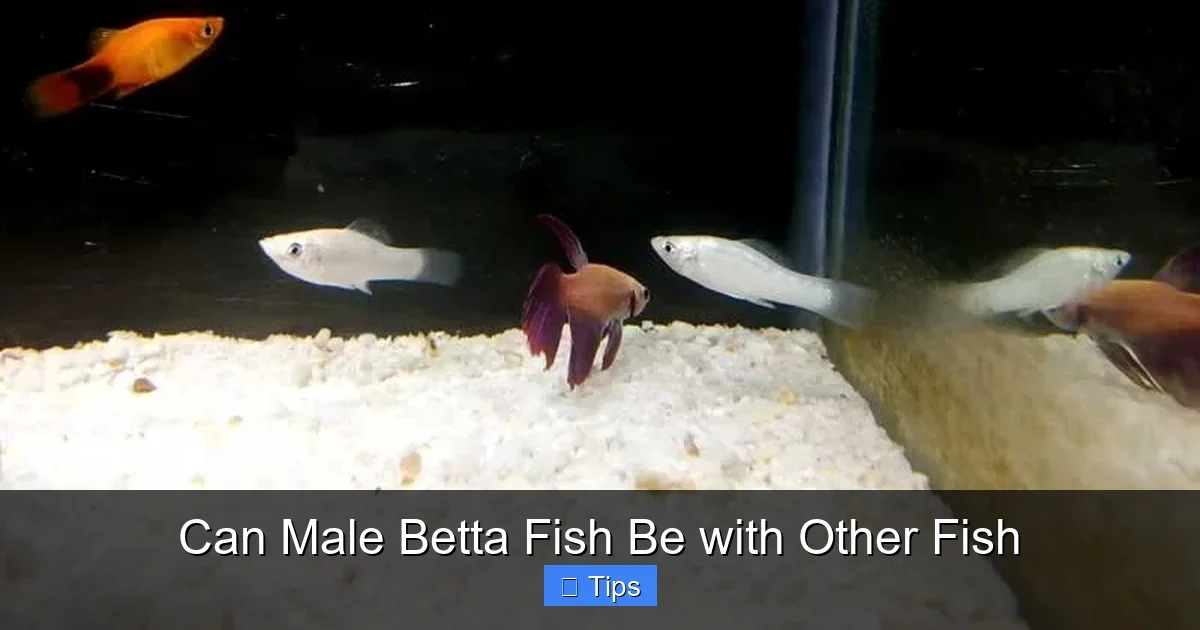
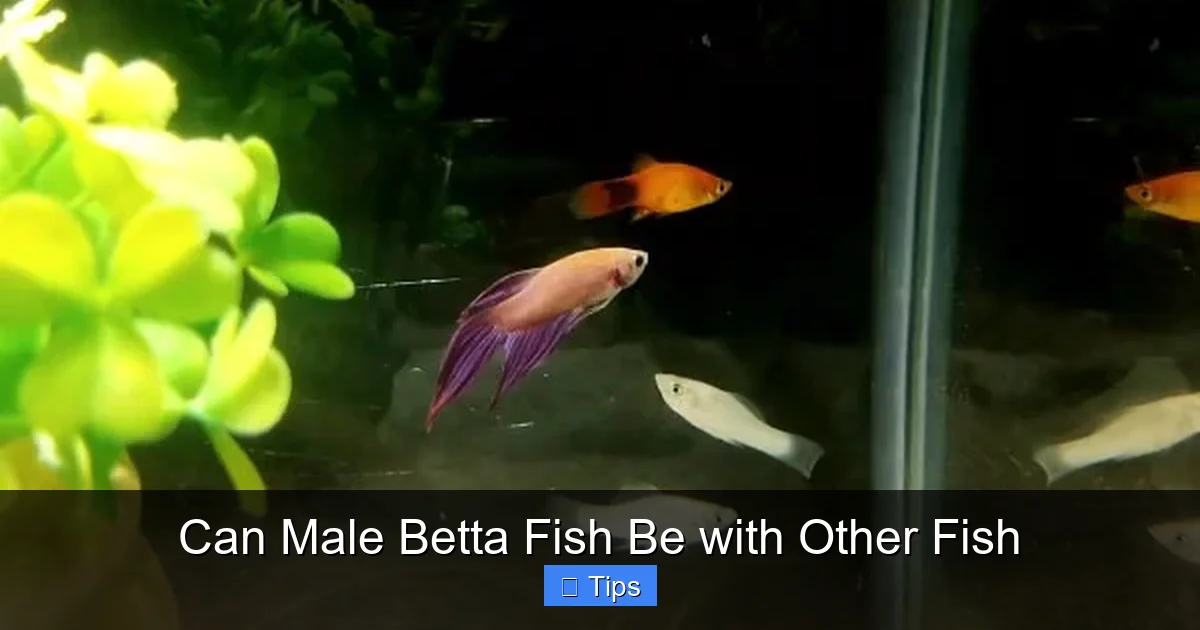
Visual guide about Can Male Betta Fish Be with Other Fish
Image source: bettafishnest.com
The Visual Triggers
- Other Male Bettas: This is the #1 rule. Never, under any circumstances, house two males together. They will fight to the death.
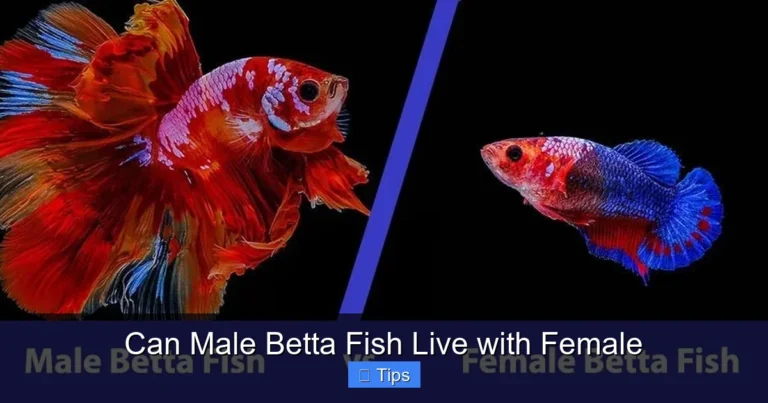
- Female Bettas: While sorority tanks (groups of females) are possible for experts, a male and female together is a recipe for disaster. He will relentlessly harass her, she may fight back, and egg production without a proper breeding setup is fatal.
- Fancy Guppies, Endlers, or any fish with large, flowing fins: The betta sees a rival. The guppy’s beautiful tail is a magnet for nipping.
- Boldly colored fish: Bright reds, blues, or yellows can be perceived as a challenge. A plain, silvery or olive-colored fish is safer.
The Behavioral & Nipping Threats
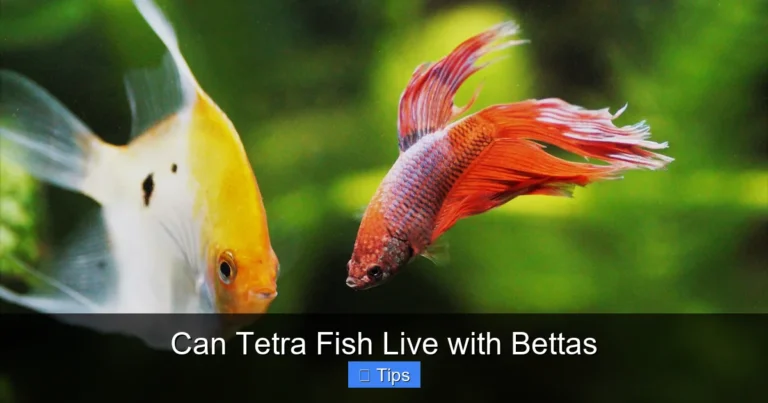
- Fish with long, trailing fins (other than bettas): This includes some fancy goldfish (which also have incompatible temperature and water parameter needs), fancy angelfish, and some cichlids.
- Fin-nipping species: Tiger Barbs, Serpae Tetras, and some other active tetras are notorious for nipping the betta’s long, flowing fins, which will lead to stress, infection, and a very grumpy betta.
- Large, boisterous fish: Even if not directly aggressive, a fast-moving, larger fish like a school of Silver Dollars or a single Oscar will outcompete the betta for food and stress it out with their activity.
- Slow-moving, long-finned fish: Like the fancy guppy, a slow fish with fins (e.g., some fancy goldfish, some angelfish variants) is an easy target for a betta’s curiosity and aggression.
The Crucial Process: Introduction and Observation
You’ve got your 20-gallon, heavily planted tank. You’ve chosen a school of Harlequin Rasboras and a Bristlenose Pleco. Now what? The process is as important as the selection.
Step 1: The Community Tank First
This is the golden rule. Establish the community tank and let it cycle and stabilize for at least 2-4 weeks with all the other fish *before* introducing the male betta. This allows the other fish to establish their own territories and social hierarchies without a new, potentially aggressive boss suddenly appearing. They will be more settled and confident.
Step 2: The Betta’s Arrival
Use the standard drip acclimation method for your betta. Once in the tank, observe from outside the glass for the first hour. Then, watch from a distance for the next 24-48 hours. Look for these key signs:
- Good Signs: The betta may flare his gills initially (a normal territorial display) but then lose interest. He may follow the other fish at a distance but not chase. He eats normally and rests in his chosen spot.
- Bad Signs (Act Immediately): Persistent chasing (not just a quick investigation), fin-nipping, the betta cornering another fish, the betta locking jaws with another fish, or any other fish constantly hiding and not coming out to eat.
Step 3: The Backup Plan is Not Optional
You must have a hospital tank or a tank divider ready *before* you even bring the betta home. If you see sustained aggression, you cannot “wait to see if it gets better.” It won’t. You must separate the betta within hours. A divider (like a mesh or acrylic separator) allows visual contact without physical harm and can be a permanent solution for a betta that is aggressive only to specific individuals. A small, filtered hospital tank (5+ gallons) allows you to remove the betta and rehome the community or vice versa.
Conclusion: Is It Worth the Risk?
The question “Can male betta fish be with other fish?” is less about a yes/no and more about a risk-benefit analysis for the individual aquarist. The potential reward is a stunning, active community tank anchored by the majestic betta. The risk is the injury or death of the betta or its tank mates, a torn-apart community, and the need for emergency equipment and rehoming.
For a beginner, the answer is almost certainly no. The learning curve is steep, and the emotional toll of a failed community is high. For an intermediate or advanced hobbyist with a properly sized tank, experience in observing fish behavior, and the resources for backup equipment, it can be a rewarding challenge. Always prioritize the well-being of all your fish. If you have any doubt, the safest, kindest choice is to provide your male betta with a species-only tank, where he can be the undisputed, healthy, and vibrant king of his own well-appointed kingdom. His brilliant colors and fascinating behaviors will be just as captivating in a solo 10-gallon planted oasis as they would be in a bustling community.
Frequently Asked Questions
Can a male betta live with a female betta?
No, this is a very bad idea. A male will constantly harass a female for breeding, causing her extreme stress and physical harm. A female may also be aggressive in return. They should only be together for a controlled breeding session under strict supervision, and even then, it’s risky.
What is the absolute smallest tank a male betta can share with other fish?
While some may try in a 10-gallon, it is strongly discouraged. A 20-gallon long tank is the absolute minimum recommended size for any attempt at a community tank with a male betta. In a 10-gallon, there is simply not enough space to establish separate territories and reduce stress.
Can male bettas live with shrimp or snails?
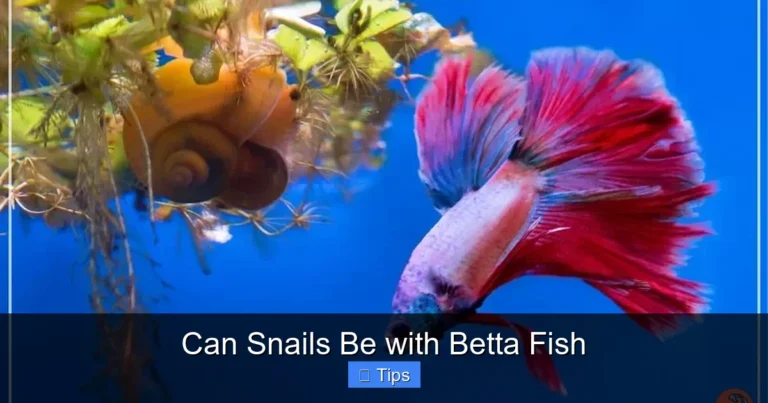
It’s a gamble. Large, hardy shrimp like Amano Shrimp or Ghost Shrimp have a better chance. Small, colorful shrimp like Cherry Shrimp are often seen as food and will likely be eaten. Snails like Nerite or Mystery Snails are usually safe because they are not fish and have shells, but a curious betta may still pick at them.
How do I know if my betta is aggressive enough to never have tank mates?
3>If your betta flares at his own reflection in the tank glass constantly, attacks a divider with another fish on the other side, or has a history of attacking tank mates, he is a permanent solitary fish. Some bettas are simply too aggressive by nature and should never be housed with others.
What should I do if my betta starts chasing his tank mates?
You must act immediately. Have a backup hospital tank ready. Remove the betta from the main tank and place him in the hospital tank. The other fish can stay in the now-peaceful main tank. You can try reintroducing the betta after a week or two in a divider setup, but often, the separation must be permanent.
Are there any “guaranteed” safe tank mates for a male betta?
There are no 100% guarantees in fish-keeping, as individual personalities always vary. However, a school of small, fast, peaceful, and dull-colored fish like Harlequin Rasboras or Ember Tetras in a heavily planted 20+ gallon tank has the highest, proven success rate. Even then, you must be prepared to intervene.