Can Other Fish Eat Betta Food
Betta food is specifically formulated for the carnivorous dietary needs of Siamese fighting fish and is not suitable for most other aquarium species. Feeding it to tank mates can lead to nutritional deficiencies, digestive problems, and poor water quality due to uneaten, protein-heavy pellets. Always research and provide species-appropriate diets to ensure the long-term health of every fish in your aquarium.
Key Takeaways
- Nutritional Mismatch: Betta food is high in protein and fats for a strict carnivore, while many common community fish are omnivores or herbivores with different dietary requirements.
- Digestive Danger: Fish not adapted to high-protein diets, like goldfish or plecos, can suffer from constipation, swim bladder issues, and organ stress from regular betta food consumption.
- Water Quality Hazard: Betta pellets are often too large and rich for small fish to consume fully, leading to rapid decay, ammonia spikes, and algae blooms.
- Some Species May Tolerate It: Other small, insectivorous carnivores like some gouramis, killifish, or daphnia might occasionally eat a betta pellet without immediate harm, but it’s still not optimal nutrition.
- It’s About Primary Diet: A “sometimes” treat is different from a dietary staple. Using betta food as a regular meal for other fish creates long-term health deficits.
- Research is Non-Negotiable: The only safe practice is to understand the natural diet of each fish species in your tank and provide a high-quality, appropriate staple food as their primary nutrition source.
📑 Table of Contents
- The Great Aquarium Debate: Can Other Fish Eat Betta Food?
- Understanding the Betta’s Unique Diet: The Carnivore Blueprint
- Deconstructing Betta Food: What’s Actually in That Pellet?
- Who *Might* Be Okay With a Betta Pellet (As a Rare Treat)?
- The Real Risks: Why This Habit is Harmful
- The Right Way: Building a Multi-Species Feeding Strategy
- Conclusion: The Betta’s Bowl is Not the Community’s Buffet
The Great Aquarium Debate: Can Other Fish Eat Betta Food?
You’re standing by your aquarium, food tin in hand. Your beautiful betta, with its flowing fins, comes zipping to the front for its meal. But your neon tetras are darting about too, and your Corydoras catfish are wiggling their barbels at the substrate. In a moment of practicality—or maybe just to simplify—you wonder: can I just drop a betta pellet in for everyone? It’s food, right? Fish eat food. This common question taps into a fundamental principle of responsible fishkeeping: species-specific nutrition. The short, critical answer is no, you should not regularly feed other fish betta food. While a single, accidental pellet won’t cause a crisis, making it a habit is a recipe for health problems, poor water conditions, and stressed fish. Let’s dive deep into why betta food is for bettas (and maybe a few select friends) and what you should be feeding your other aquatic companions instead.
Understanding the Betta’s Unique Diet: The Carnivore Blueprint
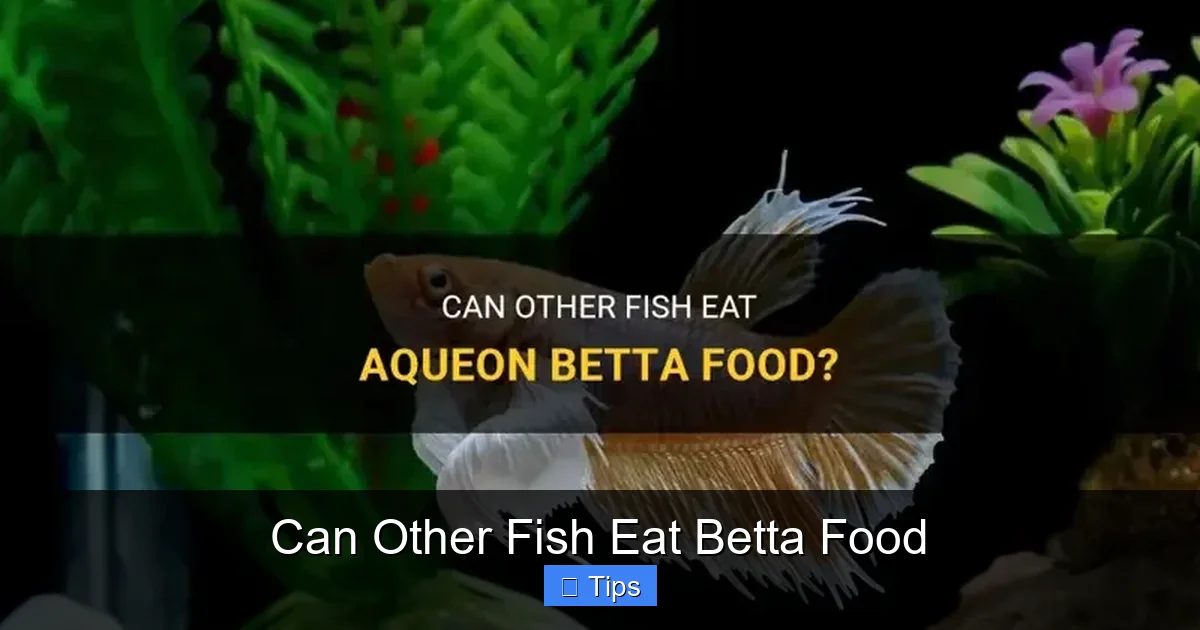
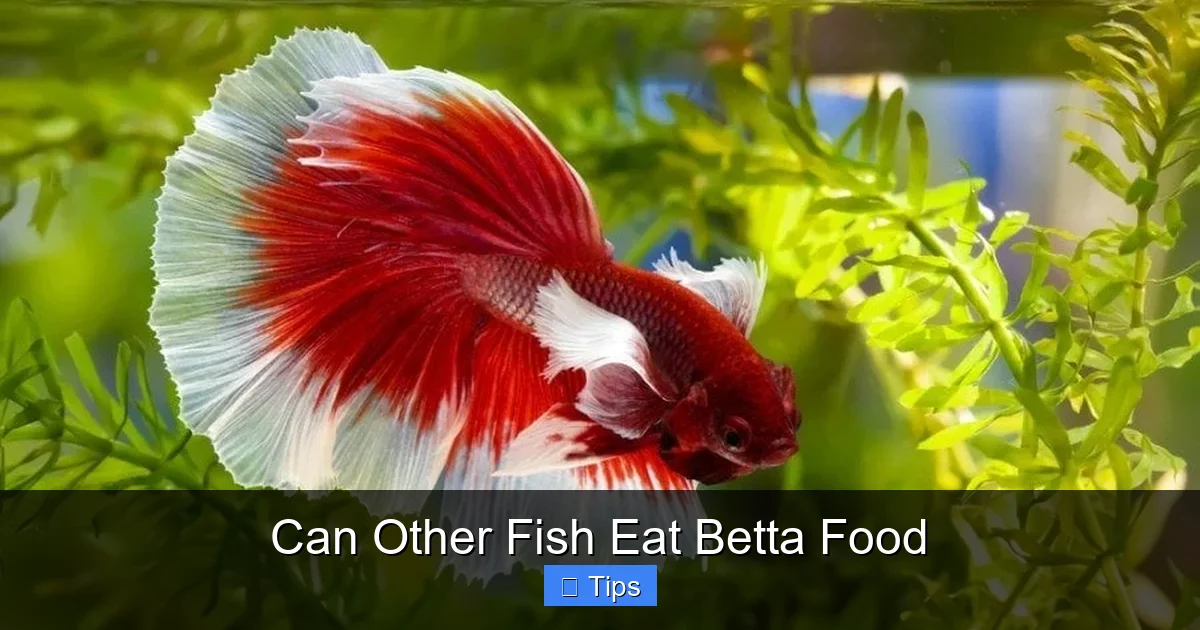
To understand why other fish shouldn’t eat their food, we first need to understand what makes a betta’s diet so unique. The Siamese fighting fish, or Betta splendens, is an obligate carnivore. In the wild, its diet consists almost exclusively of insects, insect larvae (like bloodworms), and tiny crustaceans that skim or fall onto the water’s surface. This evolutionary history shapes every aspect of their nutritional needs.
Visual guide about Can Other Fish Eat Betta Food
Image source: hepper.com
The Protein & Fat Powerhouse
High-quality betta pellets or frozen foods are formulated to be nutritional powerhouses, typically containing 40-50% or more crude protein. This is the fuel for their vibrant colors, long, flowing fins, and active, territorial behavior. They also require a significant amount of animal-based fats for energy. Their short, straight digestive tracts are designed to process this meat-heavy diet quickly. Plant matter is not a natural part of their intake; they lack the enzymes to efficiently break down cellulose and other plant fibers. Feeding a betta a diet heavy in vegetable matter (like standard tropical flake) over time can lead to constipation, bloating, and swim bladder disease.
Form & Function: Surface Feeding Predators
Betta food is also engineered for their specific feeding style. Pellets are designed to float or suspend slowly, mimicking insects on the water’s surface. Betta fish are labyrinth fish; they breathe atmospheric air and naturally feed from the top layers of the water column. Their upturned mouths are perfect for grabbing food at the surface. This means betta pellets are often larger and more buoyant than food meant for mid-water or bottom-dwelling fish.
Deconstructing Betta Food: What’s Actually in That Pellet?
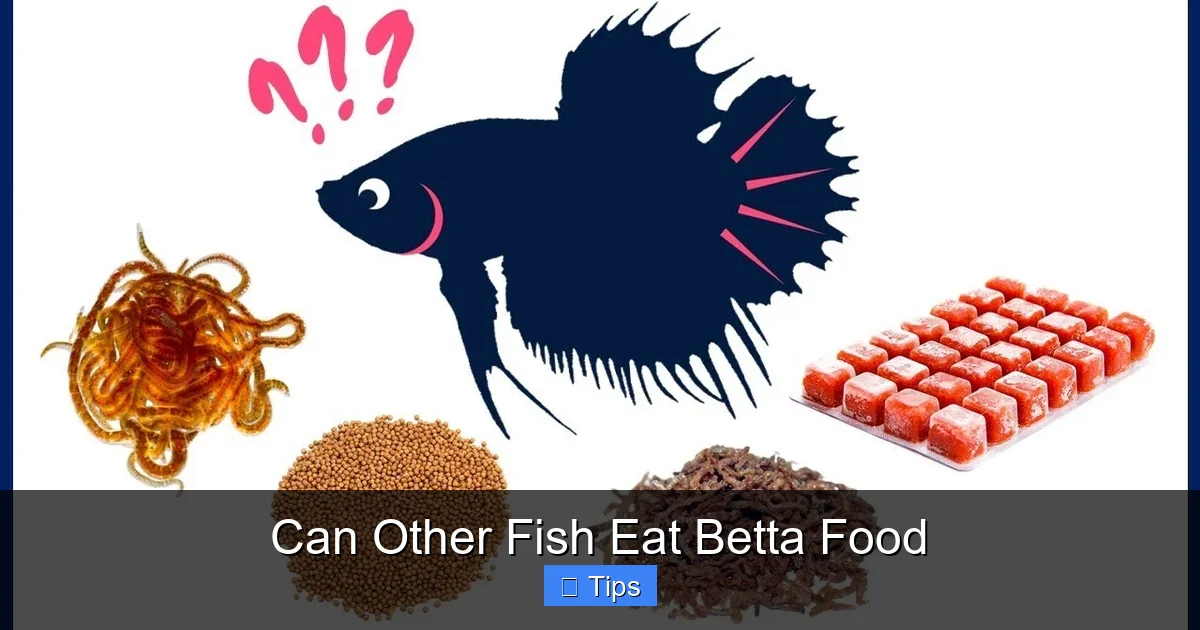
Let’s look at a typical ingredient list on a premium betta pellet. You’ll see things like: salmon meal, krill meal, brine shrimp, shrimp meal, squid meal, and perhaps some wheat germ or spirulina as binders. The first several ingredients are all animal-based proteins. This profile is ideal for a betta but represents a significant imbalance for many other fish.
Visual guide about Can Other Fish Eat Betta Food
Image source: forfishlovers.com
The Protein Problem for Non-Carnivores
Consider the most common community tank residents:
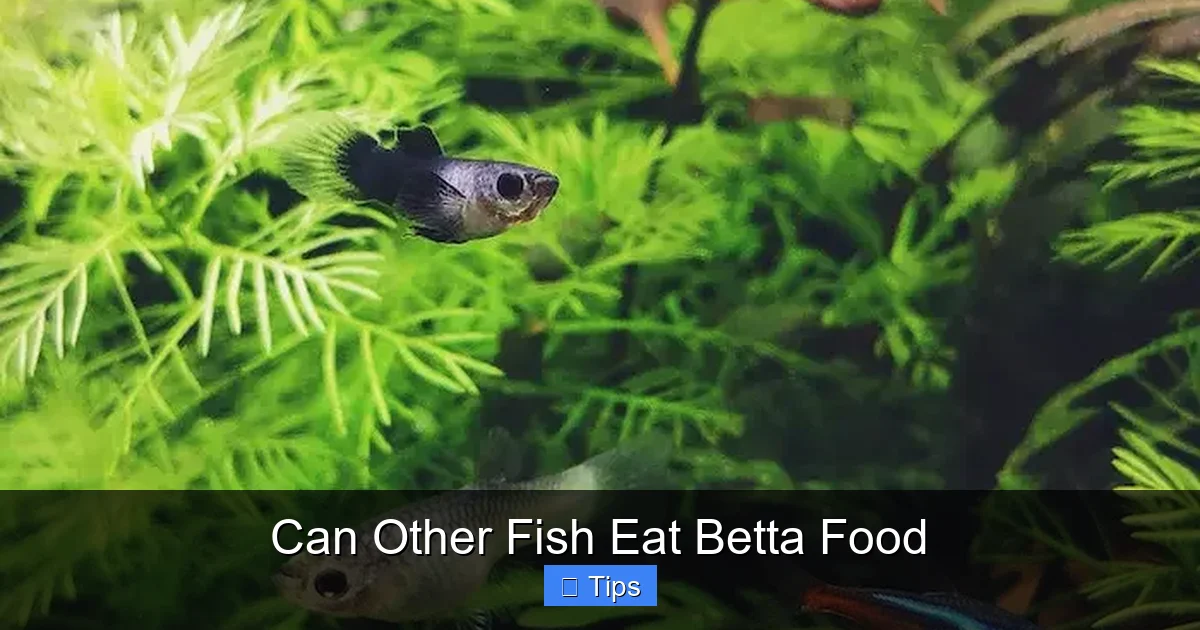
- Neon Tetras, Guppies, Mollies (Omnivores): These fish require a balanced diet. In the wild, they’d consume small insects, algae, and plant detritus. Their staple food should be a high-quality flake or micro-pellet with protein levels around 35-40%, supplemented with vegetable matter (spirulina, blanched zucchini) and occasional protein treats (brine shrimp). A constant diet of 50%+ protein betta food is excessive. It can pollute the water faster (more waste) and, over time, may contribute to issues like fatty liver disease.
- Goldfish (Primarily Herbivores/Omnivores): This is one of the most dangerous mismatches. Goldfish have long, complex digestive tracts designed to process large amounts of plant material. Their protein needs are low, around 20-25%. Feeding them high-protein betta food is a direct cause of severe constipation, which can lead to swim bladder disorders (where they float upside down or sink). It also causes massive ammonia output due to inefficient protein metabolism, poisoning their tank.
- Corydoras Catfish (Bottom-Feeding Omnivores): Corys need food that sinks. A floating betta pellet will rarely be consumed by them unless it sinks, and even then, the protein/fat ratio is wrong. They thrive on sinking wafers, pellets, and supplemented with blanched vegetables and occasional live or frozen foods like daphnia.
- Plecos (Often Herbivores): Many pleco species, especially the common ones, are mainly algae and wood eaters. Their staple should be algae wafers and driftwood. High-protein foods can cause digestive blockages and severe water quality issues.
The Size & Mess Factor
Betta pellets are often too large for small fish like neon tetras or ember tetras. They might peck at them but cannot consume a whole pellet. This uneaten food immediately begins to decompose at the bottom of the tank, creating a spike in ammonia and nitrite—toxic to all fish. It also becomes a breeding ground for fungus and contributes to a murky, smelly tank. The texture and oil content of betta pellets can also cloud the water more than smaller, less dense foods.
Who *Might* Be Okay With a Betta Pellet (As a Rare Treat)?
While the rule is “don’t do it,” there are a few exceptions where a betta pellet is less likely to cause immediate harm. This does not mean it’s recommended as a staple.
Visual guide about Can Other Fish Eat Betta Food
Image source: i.ytimg.com
The Other Labyrinth Fish
Other gouramis (dwarf gouramis, pearl gouramis, paradise fish) and the closely related fighting fish (like the female betta) have similar evolutionary backgrounds as surface-dwelling, insectivorous carnivores. Their dietary needs are the closest to a betta’s. In a pinch, or as an extremely occasional supplement (think once a week, one tiny pellet), they might handle it. However, they still benefit from a varied diet including high-quality micro-pellets, frozen daphnia, and mosquito larvae.
Small, Active Carnivores
Some small, fast-moving fish that hunt insects at the surface in the wild, like certain species of killifish (e.g., least killifish) or pencil fish, have high-protein needs. A betta pellet might be closer to their natural diet than a standard flake. Again, this should be a very minor part of a rotation that includes appropriate-sized frozen or live foods.
Livebearer Fry
Newly born guppy or molly fry are large enough to consume a crushed betta pellet and require high protein for growth. Many breeders use finely crushed high-quality betta or other carnivore fry food as a first food. However, as they grow, they must transition to a more balanced omnivore diet.
The Real Risks: Why This Habit is Harmful
Let’s move from theory to the tangible, often hidden, consequences of feeding betta food to inappropriate tank mates.
Chronic Health Decline
The most insidious risk is long-term organ damage. A goldfish on a steady diet of betta pellets will almost certainly develop digestive impaction and liver problems. An omnivore like a Molly on an all-betta-pellet diet may become overweight, lethargic, and prone to diseases like dropsy, which is often a symptom of internal organ failure from poor nutrition. These conditions are painful, difficult to treat, and often fatal.
Nutritional Deficiencies
It’s not just about too much of some things; it’s about a lack of others. Herbivorous and omnivorous fish need specific vitamins, minerals, and fiber from plant sources. A diet of pure animal protein lacks these, leading to deficiencies that manifest as faded colors, fin rot, poor growth, and a weakened immune system.
Aggression and Competition
Betta food is often used as a tool to distract a betta from attacking other fish during feeding. This is a dangerous gamble. The act of feeding itself can trigger the betta’s territorial instincts. If other fish are trying to eat the same food, it can escalate to chasing, fin-nipping, and stress for the entire community. Feeding the betta in one area with sinking pellets for bottom-feeders in another is a better strategy.
Pollution Cycle
As emphasized, uneaten betta food decays rapidly. This creates a cycle: overfeeding → uneaten food → ammonia spike → stressed fish → fish eat less → more uneaten food. This can crash a tank, especially a smaller, heavily stocked community aquarium. The bioload from high-protein waste is simply too much for the beneficial bacteria to handle efficiently.
The Right Way: Building a Multi-Species Feeding Strategy
A thriving community tank is a symphony of proper nutrition. Here’s how to conduct it.
Step 1: Research Every Single Fish
Before you even buy a fish, know its dietary classification: carnivore, omnivore, or herbivore. Where does it feed in the water column? What does it eat in the wild? Reputable sources like Seriously Fish, FishBase, or books on specific species are invaluable. Don’t rely on pet store general advice.
Step 2: Choose a High-Quality Staple for Each Group
Your goal is to have a primary food that meets 70-80% of each fish’s nutritional needs.
- For Bettas & Similar Carnivores: A high-quality betta pellet or granulate as the base, supplemented with frozen or live foods like daphnia, brine shrimp, or bloodworms 2-3 times a week.
- For Small Omnivores (Tetras, Rasboras, Danios): A high-quality micro-pellet or fine flake formulated for small tropical fish as the staple. Supplement with occasional frozen micro-foods.
- For Herbivores/Omnivores (Mollies, Platys, Some Barbs): A staple with vegetable content (spirulina, kelp) is key. Algae wafers or vegetable-based pellets can be part of their diet.
- For Bottom Feeders (Corydoras, Otocinclus, Bristlenose Plecos): Dedicated sinking wafers or pellets are essential. Otos need algae wafers and blanched veggies. Corys love sinking shrimp pellets and quality carnivore/omnivore sinking wafers.
- For Goldfish: A specific goldfish pellet or flake with low protein (25-30%) and high fiber is a must. Supplement with shelled peas (for constipation), blanched spinach, and algae.
Step 3: Master Targeted Feeding
Use techniques to get food to the right fish:
- Surface Feed: Use a baster or your finger to gently place a few betta pellets near the betta to distract it while you add other foods.
- Sinking Foods: Use a feeding ring or clip a vegetable (like a zucchini slice) to the glass for plecos and corys.
- Timing: Feed the betta first, then add the community food. Or, feed the community food first to occupy them, then target the betta.
- Soak Pellets: Soaking dry pellets for a minute before adding them can help them sink faster for mid-level and bottom feeders, reducing surface competition and waste.
Step 4: Fast Days
Once a week, skip feeding all fish. This gives their digestive systems a rest and helps clear out any minor blockages. It’s also a great way to monitor your tank’s bioload—if you see a significant water quality improvement after a fast day, you may be overfeeding slightly.
Conclusion: The Betta’s Bowl is Not the Community’s Buffet
The question “can other fish eat betta food?” reveals a deeper need for understanding in the aquarium hobby. Fish are not interchangeable; they are complex animals with specific evolutionary histories that dictate their health. Using betta food as a universal feed is a shortcut that leads to poor outcomes—sick fish, cloudy water, and a frustrating hobby. The joy of a community tank lies in observing the natural behaviors of diverse species, behaviors that are only possible when each animal is thriving on the diet it was biologically designed for. Take the time to learn about your fish’s wild roots. Invest in a few staple foods tailored to different dietary groups. Implement smart feeding techniques. In doing so, you move from being a mere feeder to a true caretaker, ensuring your vibrant betta, your shimmering tetras, and your busy cory cats all live their longest, healthiest, and most colorful lives. Your aquarium ecosystem will thank you with crystal-clear water and spectacular vitality.
Frequently Asked Questions
Can I use betta food as an emergency if I run out of my other fish’s food?
In a true, one-time emergency, a single feeding of a crushed betta pellet is unlikely to cause harm to most fish. However, it should be a absolute last resort, not a regular practice. Immediately resume their correct diet at the next feeding.
What about frozen or live foods that bettas eat, like brine shrimp? Are those okay for other fish?
Yes, many of the high-protein frozen or live foods marketed for bettas—brine shrimp, daphnia, bloodworms—are excellent supplemental treats for many other carnivorous and omnivorous fish. The key is that they are supplements to a balanced staple diet, not the primary food source for fish that need plant matter.
My small tetras seem to love the betta pellets. Is that a problem?
The fact they “love” it is part of the problem—it’s like giving a child candy for every meal. They may seek it out due to its high fat content, but it’s not meeting their nutritional needs. You must resist the urge to give in and instead consistently offer their proper flake or micro-pellet. They will adapt and eat their designated food.
I have a 5-gallon “nano” tank with a betta and a few shrimp/snails. Can they eat the betta food?
Shrimp (like cherry shrimp) and snails are scavengers and will definitely consume uneaten betta pellets. This is actually a benefit, as they help clean up waste. However, you should not rely on them to do so. You must still feed the betta an appropriate amount that he consumes within 2-3 minutes to prevent excessive decay. Shrimp also need their own vegetable-based nutrition from algae, biofilm, or supplemental foods like algae wafers or blanched veggies.
Are there any “all-fish” foods that are safe for bettas and community fish?
There are high-quality “community” or “tropical” pellets that are formulated to be a balanced staple for a wide range of fish. These typically have a protein content around 35-40% and include some plant matter. While these can work for a community, a premium betta pellet is still a better choice for the betta itself due to its higher protein and specific ingredients. The best practice is to have a primary betta food and a primary community food, using targeted feeding to ensure each gets their staple.
How can I be sure I’m choosing the right food for my specific fish mix?
Start with a detailed inventory. Write down every species in your tank. For each, search “[Species name] diet” on reputable aquarium forums or databases. Look for keywords like “insectivore,” “herbivore,” “surface feeder.” Then, purchase a high-quality staple food that matches those criteria for each dietary group. When in doubt, choose a food from a reputable brand that specializes in that type of fish (e.g., a brand known for betta foods, a brand known for goldfish foods).