Can Koi Fish Eat Betta Food
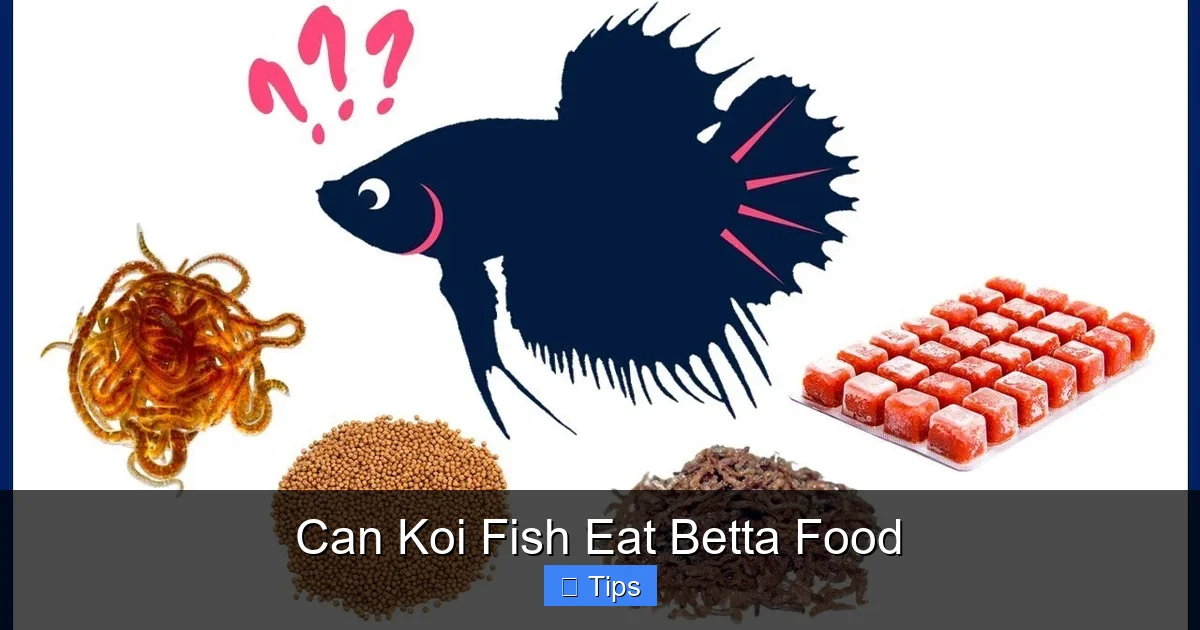
No, koi fish should not regularly eat betta food. While an occasional bite likely won’t cause harm, betta food is formulated for small, carnivorous fish and has a drastically different nutritional profile than what koi require. Koi are large, cold-water, mostly herbivorous omnivores with specific dietary needs for growth, digestion, and color vibrancy. Regularly feeding betta pellets or flakes to koi can lead to malnutrition, digestive issues, poor water quality, and long-term health problems. Always prioritize a high-quality diet designed specifically for koi.
Key Takeaways
- Fundamental Dietary Mismatch: Koi are large, mostly herbivorous omnivores, while bettas are small, carnivorous fish. Their core nutritional needs are opposites.
- Protein Overload Risk: Betta food is extremely high in protein (40-50%+). Koi require much lower protein (25-35%), and excess protein causes fatty liver, kidney stress, and ammonia spikes in the pond.
- Wrong Food Form & Size: Betta pellets are too small and dense for koi to eat properly, often leading to gulping air and digestive issues like swim bladder problems.
- Missing Essential Nutrients: Betta food lacks the specific plant fibers, wheat germ, and vitamin C complexes crucial for koi digestion, immune function, and winter survival.
- Water Quality Danger: High-protein, non-sinking betta food pollutes water quickly, fouling filters and promoting algal blooms harmful to the entire pond ecosystem.
- Occasional Accident is Fine: If a few betta pellets accidentally fall into a koi pond, it is not a crisis. The danger lies in consistent, intentional feeding.
- Solution is Simple: Always use a high-quality, commercially prepared koi pellet or stick that floats or sinks slowly, sized appropriately for your fish.
📑 Table of Contents
- The Great Fish Food Mix-Up: A Common Pond Question
- Koi vs. Betta: A Tale of Two Fish Diets
- Nutritional Breakdown: Why Betta Food Fails for Koi
- The Real-World Consequences: What Happens If You Feed Koi Betta Food?
- What Should You Feed Koi Instead? The Right Diet for Radiance
- What If I’ve Already Fed Betta Food? A Recovery Plan
- The Bottom Line: Respecting the Species
The Great Fish Food Mix-Up: A Common Pond Question
So, you’ve got a beautiful, sprawling koi pond in the backyard. Maybe you also have a sleek betta fish in a tank on the porch or inside. You’re reaching for the food container, and you think, “They’re both fish, right? Can koi fish eat betta food?” It’s an honest question, born from a desire to simplify and maybe save a few dollars. But the answer is a firm and important no, not as a regular diet. While the two species share the watery element, their evolutionary paths, biology, and nutritional blueprints are worlds apart. Feeding your koi a diet of betta food is like feeding a dairy cow a steak-only diet—it might consume it, but it’s a recipe for serious health fallout. This isn’t about being picky; it’s about meeting the fundamental biological needs of magnificent, long-lived creatures. Let’s dive into the why, the what, and the how to keep your koi thriving.
Koi vs. Betta: A Tale of Two Fish Diets
To understand why koi fish eating betta food is problematic, we first need to meet the dietary demands of each fish on its own terms. They are polar opposites in the fish world.
Visual guide about Can Koi Fish Eat Betta Food
Image source: bettasource.com
The Koi: A Gentle Grazing Giant
Think of the koi (Cyprinus rubrofuscus) as the cow of the ornamental pond. In the wild, their ancestors foraged along river bottoms and in marshes, sifting through mud and vegetation. They are cold-water fish with a digestive system built for processing significant amounts of plant matter—algae, duckweed, insects, and crustaceans. Their ideal diet is high in easily digestible carbohydrates and plant-based proteins, with moderate animal protein. They are opportunistic omnivores with a strong herbivorous lean. Their long, looping intestines are designed to break down fibrous materials. A key component is wheat germ, which provides essential vitamins and aids digestion, especially in cooler water when their metabolism slows. They also require specific nutrients to maintain their spectacular scale colors, which come from carotenoids found in Spirulina algae and certain vegetables.
The Betta: A Fiery Little Carnivore
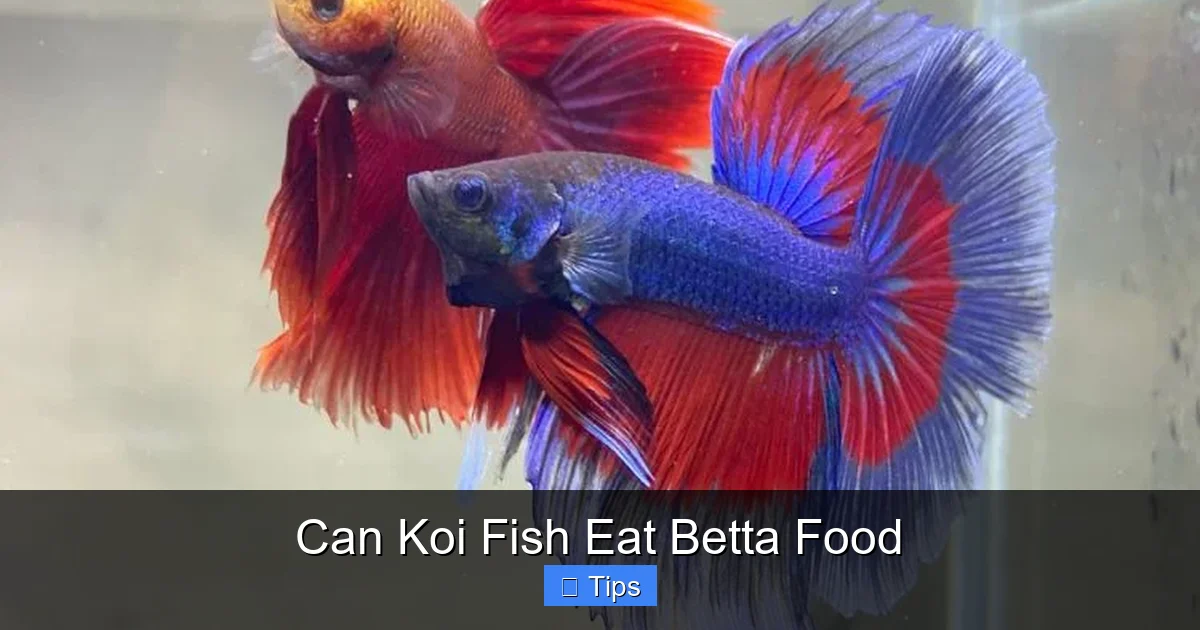
Now, picture the betta (Betta splendens). This is a fish born from the stagnant, warm puddles and rice paddies of Southeast Asia. It’s a tropical, surface-dwelling fish and a true carnivore (more accurately, an insectivore). In its natural habitat, it hunts insects that fall on the water’s surface, as well as tiny crustaceans and mosquito larvae. Its short, simple gut is built for a diet that is extremely high in protein and fat from animal sources. Betta food—whether pellets, flakes, or frozen foods like brine shrimp—is engineered to be around 40-50% protein or more. It’s dense, often designed to float (as they are top-feeders), and packed with animal proteins and fats to fuel their active, territorial nature and those spectacular flowing fins. Their nutritional needs are almost a mirror image of the koi’s.
Nutritional Breakdown: Why Betta Food Fails for Koi
Let’s look at the label on a typical betta pellet versus a koi pellet. The differences aren’t subtle; they are stark and biologically significant.
Visual guide about Can Koi Fish Eat Betta Food
Image source: hepper.com
The Protein Problem: Too Much of a “Good” Thing
This is the most critical issue. Betta food’s protein content often exceeds 45%. For a koi, this is dangerously high. Koi require a protein level of 25-35% for growth and can drop to as low as 20% for maintenance in cooler temperatures. Why is excess protein bad for koi? Their bodies aren’t efficient at processing it. The unused nitrogen from the protein is excreted as ammonia via their gills and waste. This directly poisons your pond water, leading to toxic ammonia spikes that stress or kill fish and force your biofilter to work overtime. Internally, a long-term high-protein diet forces the liver and kidneys into overdrive, leading to conditions like fatty liver disease and renal failure. It’s a slow, insidious form of poisoning from the inside out.
The Carbohydrate & Fiber Deficit
Koi need energy from carbohydrates. Quality koi foods use wheat, corn, and soybean meal to provide this. They also include dietary fiber from ingredients like alfalfa, beet pulp, and soybean hulls. This fiber is essential for proper gut motility and digestion in a fish with a long intestinal tract. Betta food is almost exclusively protein and fat-based, with minimal complex carbs or fiber. Without fiber, koi can suffer from constipation, bloating, and swim bladder disorders. The swim bladder, a gas-filled organ for buoyancy control, is directly affected by poor digestion and constipation, causing the fish to float erratically or sink and struggle to rise.
Missing the Magic: Vitamins & Minerals
Koi have specific vitamin requirements, particularly for Vitamin C (ascorbic acid), which they cannot synthesize. It’s vital for collagen production (healthy scales and fins), wound healing, and immune response. Koi foods are heavily fortified with stable Vitamin C. Betta foods contain some, but not at the levels or stability needed for a 20-pound koi’s system. Similarly, koi require specific mineral balances for scale luster and bone development. The mineral profile in betta food is formulated for tiny fish and is inadequate for a koi’s massive skeletal structure.
The Physical Form: Size and Density Matter
Betta pellets are tiny, often 1-2mm in diameter, and very dense. A koi will gulp these down whole without much chewing. This can cause them to swallow air at the surface, leading to gas buildup and buoyancy issues. The dense pellet can also swell in their stomach, causing discomfort and potential blockages. Koi food comes in a range of sizes—from small “starter” pellets for fry to large “barley straw” shaped sticks for adult fish. These are designed to be easily nibbled and broken down by a koi’s mouth and digestive system. Some high-quality koi foods are also sinking or slow-sinking, encouraging natural bottom-foraging behavior and reducing gulping of air.
The Real-World Consequences: What Happens If You Feed Koi Betta Food?
It’s not just theoretical. Feeding your koi the wrong food has tangible, negative outcomes for the fish and your entire pond environment.
Visual guide about Can Koi Fish Eat Betta Food
Image source: i.ytimg.com
For the Koi: A Slow Decline
In the short term, you might not see anything. Koi are hardy. But over weeks and months, the signs emerge. You may notice:
- Poor Growth & “Pot Bellies”: Young koi (koi fry or “tosai”) will grow stunted. Adults may develop a swollen, soft abdomen from fatty liver or constipation.
- Dull, Faded Colors: The vibrant reds (hi), whites (shiro), and blacks (sumi) will lose their luster without the proper carotenoids and vitamins.
- Increased Susceptibility to Disease: A weakened immune system from poor nutrition makes koi prone to bacterial infections (like Aeromonas), parasites, and fungal attacks.
- Digestive Distress: Watch for stringy feces, constipation, and erratic swimming (floating to one side, difficulty diving), all signs of swim bladder or gut inflammation.
For Your Pond: A Water Quality Nightmare
The water pays the price first. Betta food, being so rich and dense, will not be fully consumed. Koi are messy eaters, and any uneaten high-protein pellets dissolve rapidly. This creates an immediate surge in ammonia (NH3/NH4+) and later, nitrite. Your biofilter, populated with beneficial bacteria, will be overwhelmed. You’ll see a spike in nitrate (NO3-) as well, which fuels algal blooms. The water may become cloudy with bacterial growth. The result? A stressful, toxic environment for all pond life, including your beneficial bacteria, plants, and other fish. Cleaning the filters becomes a constant, smelly chore. The beautiful, clear water you desire turns into a green, soupy mess.
What Should You Feed Koi Instead? The Right Diet for Radiance
The solution is simple and rewarding. Invest in a high-quality koi food from a reputable brand. Look for these hallmarks:
- Protein Content: 28-32% for growing koi in warm water; 20-25% for maintenance in cooler seasons (below 65°F/18°C).
- Key Ingredients: Wheat germ as a top ingredient (for digestibility and winter feeding), fish meal (for amino acids), soybean meal, corn, and alfalfa meal (for fiber).
- Color Enhancers: Spirulina algae, krill meal, or astaxanthin for vibrant reds and oranges.
- Vitamin C: A stabilized, high-dose form (often listed as ascorbic acid or a protected form like L-ascorbyl-2-polyphosphate).
- Form: Choose floating pellets/sticks for easy observation of feeding, or sinking pellets for natural foraging. Ensure the size matches your fish’s mouth.
Feeding Practices: More Than Just the Food
How you feed is as important as what you feed. Follow the “5-Minute Rule”: offer only as much food as your koi can consume in 5 minutes, 2-3 times daily in warm weather (above 65°F/18°C). Feed in the same spot to establish routine. In spring and fall, switch to a wheat germ-based, low-protein food when water temperatures are between 50-65°F (10-18°C). Below 50°F (10°C), stop feeding entirely, as their digestive systems shut down. Always use a pond thermometer to guide you. Supplement their diet with natural pond treats: they’ll happily nibble on water lettuce, water hyacinth, romaine lettuce (blanched and clipped to the side), orange slices, or shelled peas (a great natural laxative). This mimics their natural grazing and adds valuable nutrients.
What If I’ve Already Fed Betta Food? A Recovery Plan
Don’t panic if you’ve made the mistake. Here’s your action plan:
- Stop Immediately: Cease all betta food. Remove any visible uneaten pellets from the pond with a net.
- Test Your Water: Perform a full water test for ammonia, nitrite, nitrate, and pH. If ammonia or nitrite is present, perform a partial water change (25-50%) with dechlorinated water to dilute toxins.
- Boost Beneficial Bacteria: Add a liquid or powder bacterial supplement to your filter and pond to help the existing bacteria colony process the sudden nitrogen load more efficiently.
- Switch to Proper Koi Food: Begin feeding a high-quality, easily digestible koi food (often a “premium” or “color enhancing” formula is good) at a reduced amount (maybe 50% of normal) for a week to allow their systems to adjust.
- Monitor Your Fish: Watch for signs of stress or digestive distress. If a koi is severely constipated or buoyant, you may need to treat with a pea diet (cooked, shelled peas only) for a few days to clear the system.
- Be Patient: Water quality will stabilize. The koi’s digestion will normalize. It may take a few weeks to see their colors return as their nutrition improves.
The key is proactive water management and a swift return to the correct diet. Koi are resilient, and with proper care, they will recover from a dietary mishap.
The Bottom Line: Respecting the Species
At the end of the day, the question “Can koi eat betta food?” is about more than just a yes or no. It’s about understanding and respecting the animal in your care. Koi are not small fish. They are long-lived (often 25-35 years), large, and have complex physiological needs based on their cold-water, grazing heritage. Betta food is a specialized tool for a very different job. Using the wrong tool doesn’t just fail to get the job done; it can break the tool and damage everything around it. By choosing the right koi food, you are investing in the health of your fish, the clarity of your water, and the long-term joy of your pond. You’re not just feeding fish; you’re sustaining a living work of art. Make the choice that honors that.
Frequently Asked Questions
Can I give my koi a few betta pellets as a treat?
Yes, a very small number of betta pellets (a pinch for a large pond) on rare occasion is not dangerous. The risk comes from making it a staple. Think of it like giving a human a candy bar—fine rarely, catastrophic daily.
How long can koi survive on betta food before it causes harm?
There’s no exact timeline, as it depends on pond size, water changes, and fish size. However, consistent feeding (even for 2-4 weeks) will begin to degrade water quality and place stress on the fish’s organs. Long-term (months) use will absolutely lead to chronic health issues.
What is the absolute best food I can buy for my koi?
Look for a reputable brand (like Hikari, Pentair, Omega Sea, or Dainichi) with wheat germ as a primary ingredient. For all-around feeding in warm water, a 28-32% protein pellet is excellent. For color, choose one with Spirulina or krill. Always buy fresh and store food in a cool, dry place to preserve vitamin content.
My koi are acting hungry all the time. Should I feed them more betta food?
No. Koi are naturally opportunistic and will always seem hungry. Overfeeding, especially with the wrong food, is the #1 cause of poor water quality. Stick to the 5-minute rule. If they are constantly scavenging, it may indicate they are not getting enough natural forage (algae, bugs) or their primary food is nutritionally inadequate. Switch to a proper koi food first.
Can I mix betta food with koi food to make it last longer?
We strongly advise against it. Mixing defeats the purpose of a balanced koi diet. You’ll still be introducing excess protein and lacking key nutrients. It’s better to feed a smaller amount of 100% proper koi food than to dilute it with inappropriate food.
What are the first signs that my koi are suffering from a poor diet?
The earliest signs are often seen in the water: persistent cloudiness, high ammonia/nitrate despite normal filtration, and excessive stringy waste. For the fish, look for faded colors, a rounded or swollen abdomen, lethargy, erratic swimming (floating problems), and poor growth in younger fish.