Can I Put Female Betta with Discus Fish

While it is technically possible to house a female betta with discus fish, it is generally not recommended due to significant differences in water temperature, pH preferences, and the betta’s territorial nature. Discus require very warm, soft, and acidic water, while female bettas prefer slightly cooler temperatures and harder water. Successfully keeping them together demands a large, heavily planted tank and careful monitoring of aggressive behavior.
Key Takeaways
- Water Parameter Conflict: Discus need very warm (82-88°F), soft, acidic water (pH 5.5-6.5), while female bettas thrive in slightly cooler (76-82°F), harder water with a pH of 6.5-7.5.
- Temperament Risk: Female bettas, though less aggressive than males, can still be territorial and may nip at the slow-moving, long-finned discus, causing stress or injury.
- Tank Size is Critical: A successful mixed tank requires a minimum of 55 gallons, ideally 75 gallons or more, to provide distinct territories and reduce aggression.
- Alternative Tank Mates: There are many safer and more compatible tank mates for both species that share similar water requirements without the high risk of conflict.
- Expert-Level Challenge: This combination is best suited for experienced aquarists who can closely monitor water chemistry, fish behavior, and have a backup plan ready.
📑 Table of Contents
- Introduction: A Beautiful but Risky Combination
- Understanding the Discus Fish: The King of the Aquarium
- Understanding the Female Betta: A Colorful and Feisty Companion
- The Core Conflict: Why This Mix is So Challenging
- How to Increase Your Chances of Success (If You Must Try)
- Better Alternatives for Your Community Tank
- Conclusion: A Final Verdict on Mixing Female Bettas and Discus
Introduction: A Beautiful but Risky Combination
So, you’re staring at your stunning discus fish, with their majestic fins and graceful movements, and then you glance over at your feisty female betta, with her vibrant colors and sassy personality. A thought pops into your head: “Could these two beauties live together?” It’s a common question among aquarium enthusiasts looking to create a diverse and visually striking community tank. The idea of combining the elegant discus with the hardy and colorful betta is undeniably appealing.
However, the answer to “can I put a female betta with discus fish?” isn’t a simple yes or no. It’s more of a “proceed with extreme caution.” While it’s not completely impossible, it’s a pairing that comes with a unique set of challenges that even seasoned fish keepers find daunting. The core of the problem lies in the very different needs of these two species. Discus are often called the “kings of the aquarium,” but they are delicate, sensitive creatures with very specific requirements. Female bettas, on the other hand, are tough, adaptable, and can be surprisingly aggressive.
In this comprehensive guide, we’ll dive deep into the world of both species. We’ll explore their ideal environments, their typical behaviors, and the critical factors you must consider before even thinking about placing them in the same tank. We’ll give you the honest truth about the risks involved and provide practical advice on how to increase your chances of success if you decide to attempt this challenging mix. By the end, you’ll have all the information you need to make the best decision for your aquatic pets.
Understanding the Discus Fish: The King of the Aquarium
Before we can even discuss mixing species, we need to understand what makes a discus fish tick. Discus (Symphysodon spp.) are cichlids native to the slow-moving, heavily vegetated rivers of the Amazon Basin. This origin dictates everything about their care in captivity. They are not just beautiful; they are demanding.
Ideal Water Parameters for Discus
Discus are notoriously sensitive to water conditions. They require pristine, stable water to thrive. Any fluctuation can cause them stress, leading to disease. Here are their non-negotiable requirements:
- Temperature: This is the biggest hurdle. Discus need very warm water, ideally between 82°F and 88°F (28°C to 31°C). This elevated temperature is crucial for their metabolism and overall health.
- pH Level: They thrive in acidic water, with a pH range of 5.5 to 6.5. This mimics the soft, blackwater conditions of their natural habitat.
- Water Hardness: Discus require very soft water, with a general hardness (gH) of 1-4 and a carbonate hardness (kH) of 0-3.
- Ammonia and Nitrite: These must always be at 0 ppm. Discus are extremely sensitive to even trace amounts of these toxins.
Diet and Behavior
Discus are slow, deliberate eaters. They can be picky and often prefer high-quality foods like frozen bloodworms, brine shrimp, and specialized discus pellets. Their feeding pace is a critical factor when considering tank mates. A fast, aggressive eater like a betta will easily outcompete a discus for food, leaving the discus stressed and undernourished.
In terms of behavior, discus are generally peaceful but can be shy, especially when first introduced to a new tank. They are schooling fish and feel most secure in groups of five or more. A single discus is often a stressed discus. They are not typically aggressive, but they can hold their own in a community of other peaceful fish. Their slow, elegant movements and long, flowing fins make them a target for fin-nippers.
Understanding the Female Betta: A Colorful and Feisty Companion
Female bettas (Betta splendens) are often misunderstood. Many people think only male bettas are aggressive, but females have their own unique personalities. They are just as hardy and adaptable as their male counterparts, but their needs are quite different from those of a discus.
Ideal Water Parameters for Female Bettas
Female bettas are labyrinth fish, meaning they can breathe atmospheric air. This makes them incredibly resilient in a variety of water conditions, but they still have preferences for optimal health.
- Temperature: They prefer a temperature range of 76°F to 82°F (24°C to 28°C). While they can survive at higher temperatures, it can accelerate their metabolism and shorten their lifespan.
- pH Level: They are more adaptable than discus, thriving in a pH range of 6.5 to 7.5, which is slightly acidic to neutral.
- Water Hardness: They can tolerate a wider range of hardness, from 5 to 20 dGH.
Personality and Behavior
Female bettas are known for being territorial and can be aggressive, especially towards fish that they perceive as a threat. This includes fish with long, colorful fins that resemble another betta. A discus, with its large, round body and flowing fins, could easily trigger a betta’s aggression. While they are often sold as a “community” fish, female bettas do best with specific tank mates. They are fast, agile swimmers and voracious eaters. They will not hesitate to claim the best spots in the tank and will chase away any fish that encroaches on their territory. For more information on suitable companions, check out our guide on what fish you can put with your betta.
The Core Conflict: Why This Mix is So Challenging
Now that we understand each species individually, let’s put them side-by-side and see why the question “can I put female betta with discus fish” is so complex. The problems are immediate and significant.
1. The Temperature Dilemma
This is the most critical issue. Discus demand water temperatures in the 82-88°F range. A female betta can survive at 82°F, but anything above that is pushing it. Sustained high temperatures can cause a betta to become hyperactive, stressed, and more prone to disease. It also lowers the oxygen levels in the water, which, while less of a problem for the labyrinth-breathing betta, can stress the discus. Finding a “compromise” temperature is a lose-lose situation for one or both species.
2. Water Chemistry Mismatch
Discus need soft, acidic water. While a betta can live in this environment, it is not ideal for them. They have evolved to thrive in a wider range of conditions, including harder, more neutral water. Maintaining the low pH and softness required by discus often requires specialized substrates, RO water, and chemical additives. This level of maintenance is not for the beginner and adds another layer of complexity to an already difficult mix.
3. The Aggression and Fin-Nipping Risk
This is a two-way street. A female betta may see the slow-moving, long-finned discus as a rival or a threat. She may chase and nip at the discus’s fins, causing severe stress and potential injury. Conversely, a group of discus, while generally peaceful, can be intimidating to a single betta. Their size and numbers can make the betta feel cornered and defensive, leading to her becoming the aggressor. The discus’s slow movement makes them an easy target for a quick, nippy betta.
4. Competition for Food
A betta is a pig. She will eat anything that fits in her mouth and will do so with incredible speed. A discus is a slow, methodical eater. In a mixed tank, the betta will get most of the food, leaving the discus to scavenge. This can lead to malnutrition and increased stress for the discus, weakening their immune system and making them susceptible to disease.
How to Increase Your Chances of Success (If You Must Try)
Despite all the warnings, some aquarists are determined to try. If you are an experienced fish keeper with a well-established tank and a backup plan, here are the steps you must take to give this combination the best possible chance of working.
1. The Right Tank Size and Setup
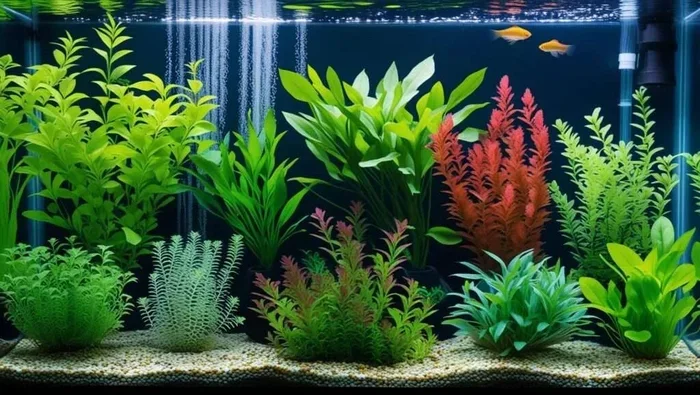
A small tank is a death sentence for this mix. You need a minimum of 55 gallons, but a 75-gallon or larger tank is highly recommended. The larger volume of water helps dilute toxins and provides space for territories. The tank must be heavily planted with live plants like Java fern, Amazon swords, and Vallisneria. These plants provide hiding spots, break sightlines, and help maintain water quality. Use a dark, fine sand or specialized planted tank substrate to help maintain the low pH the discus need. Driftwood is also essential, as it releases tannins that naturally lower pH and provide cover.
2. Prioritize the Discus School
Never keep a single discus. You must keep a group of at least five to six discus. This makes them feel secure and allows them to exhibit natural schooling behavior. A confident school of discus is more likely to hold its own against a betta than a single, stressed individual. Introduce the discus to the tank first, and let them establish their territory for a few weeks before adding the betta. This prevents the betta from claiming the entire tank as her own.
3. Meticulous Water Management
You will need to perform frequent, large water changes (50% or more, 2-3 times a week) to keep ammonia and nitrite at zero. You will likely need to use a mix of RO water and tap water to achieve the perfect soft, acidic parameters. A high-quality test kit is non-negotiable. You must monitor pH, ammonia, nitrite, and nitrate levels constantly. The temperature should be set to a compromise of around 82°F, which is the upper limit for the betta and the lower limit for the discus.
4. Strategic Feeding
You must ensure the discus get enough food. This may involve target feeding the discus with a turkey baster or feeding them in one corner of the tank while distracting the betta with a treat in another corner. A varied, high-quality diet is essential for both species to maintain their immune systems.
5. Have a Backup Plan
This is the most important step. You must have a second, fully cycled tank ready to go. If the betta is relentlessly harassing the discus, or if the discus are outcompeting the betta for food, you must be prepared to separate them immediately. Do not wait and hope things will get better. Stress in fish leads to disease and death very quickly. For more details on compatible species, you can read our article on which fish you can put with a betta.
Better Alternatives for Your Community Tank
Given the significant challenges, it’s often best to choose a different path. There are many stunning and compatible tank mates for both species that will create a beautiful, harmonious aquarium without the high risk.
Safer Tank Mates for Discus
When looking for discus companions, focus on small, peaceful fish that thrive in the same warm, soft, acidic water. Excellent choices include:
- Cardinal Tetras or Rummy-Nose Tetras: These are classic discus tank mates. They are small, schooling, and share the same water requirements. Their bright colors complement the discus beautifully.
- Corydoras Catfish: A school of small, peaceful Corydoras like the Sterbai or Panda Cory is perfect for cleaning the bottom of the tank. They also prefer warmer temperatures.
- German Blue Rams: These small, colorful cichlids are another great choice. They are peaceful enough for a discus tank but have enough personality to hold their own.
Safer Tank Mates for Female Bettas
For a female betta, you want fast, peaceful fish that won’t compete with her for territory and don’t have long, flashy fins. Good options include:
- Harlequin Rasboras: These are fast, schooling fish that are peaceful and active. They make excellent betta tank mates.
- Ember Tetras: Small, peaceful, and schooling, they add a splash of color without triggering aggression.
- Corydoras Catfish: A small school of Corydoras is a perfect bottom-dwelling companion for a betta.
- Amano Shrimp or Cherry Shrimp: These are great cleanup crew members, but there is a small risk the betta might eat them. For a detailed list of companions, see our article on can I put other fish with a betta.
Conclusion: A Final Verdict on Mixing Female Bettas and Discus
So, can you put a female betta with discus fish? The final answer is that while it is biologically possible, it is a high-risk, expert-level undertaking that is generally not recommended. The fundamental differences in their environmental needs, particularly water temperature and chemistry, create a constant compromise that is stressful for both species. The betta’s territorial nature and the discus’s slow, delicate disposition make for a potentially dangerous combination.
The most responsible choice for the well-being of your fish is to house them in separate, species-appropriate setups. A dedicated discus tank, with its warm, soft water and a school of their own kind, is a breathtaking display. A separate, well-planted community tank for your female betta, filled with fast, peaceful schooling fish, is equally stunning. By choosing this route, you ensure that both your discus and your betta can thrive, not just survive. You’ll be rewarded with healthy, vibrant fish that display their best colors and behaviors, making for a truly rewarding aquarium experience.
Frequently Asked Questions
Can a female betta kill a discus fish?
While a female betta is unlikely to kill a large, healthy discus outright, she can cause severe stress, fin damage, and secondary infections through constant harassment. A stressed discus is highly susceptible to disease, which can be fatal.
What is the minimum tank size for a female betta and discus?
The absolute minimum tank size for this combination is 55 gallons, but a 75-gallon or larger tank is strongly recommended. The extra space is crucial for reducing aggression and establishing separate territories.
What water temperature is best for both species?
A compromise temperature of around 82°F (28°C) is the best you can achieve. This is at the upper limit of a betta’s comfort zone and the lower limit for a discus, meaning neither species will be in its ideal environment.
Are female bettas less aggressive than males?
Yes, female bettas are generally less aggressive than males, but they are still territorial and can be nippy, especially towards slow-moving fish with long fins. They are not a guaranteed peaceful community fish.
What are some signs of stress in a discus?
Signs of stress in a discus include loss of color, hiding constantly, rapid breathing, refusal to eat, and the appearance of black vertical bars on their body (though some stress bars are normal).
Can I keep a single discus with a betta?
No, this is a very bad idea. Discus are schooling fish and require the company of their own kind to feel secure. A single discus will be highly stressed, making it an easy target for a betta’s aggression.