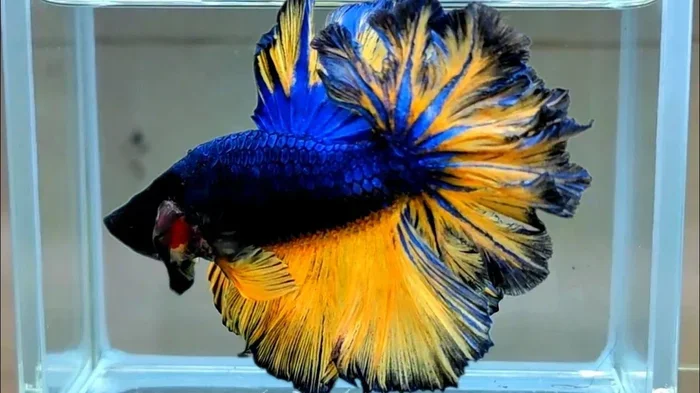
How Much Sunlight Does a Betta Fish Need

Betta fish need 8 to 10 hours of light per day, mimicking their natural day-night cycle. Too much direct sunlight can cause algae blooms and stress, while too little light affects their color and health. The best approach combines indirect natural light with a quality aquarium LED.
If you own a betta fish or are thinking about getting one, you might wonder about one simple but important question: how much sunlight does a betta fish need? The answer is not as straightforward as you might think. Too much sun can harm your fish, and too little can make them dull and stressed.
Getting the light right is one of the easiest ways to keep your betta happy and healthy. Light affects their color, their sleep, their appetite, and even how long they live. In this guide, we will break down everything you need to know about betta fish light needs. You will learn the ideal hours of light, the dangers of direct sun, and how to set up the perfect lighting for your tank.
Let us dive in and make sure your betta has the best environment possible.
Key Takeaways
- 8 to 10 hours of light daily is the sweet spot for betta fish health and color.
- Direct sunlight is risky because it spikes tank temperature and triggers algae growth.
- Indirect natural light paired with an LED bulb gives the best results for your betta.
- Too little light can fade your betta’s colors and disrupt its sleep cycle.
- A consistent light schedule helps your betta feel safe and reduces stress.
- Live plants need light too, so balance plant needs with your betta’s comfort.
📑 Table of Contents
- Why Light Matters for Betta Fish
- How Much Sunlight Does a Betta Fish Need
- Risks of Too Much Sunlight
- Risks of Too Little Light
- Best Lighting Setups for Betta Tanks
- How Sunlight Affects Betta Fish Health and Lifespan
- Common Mistakes About Betta Fish Lighting
- Quick Tips for Perfect Betta Lighting
- Conclusion
Why Light Matters for Betta Fish
Betta fish are native to the warm, shallow waters of Southeast Asia. In the wild, they live in rice paddies, slow-moving streams, and floodplains where they get a natural mix of light and shade. Their bodies have evolved to follow a day-night cycle just like ours.
Light plays several key roles in your betta’s life:
- Color enhancement: Proper light brings out the brilliant reds, blues, and greens in your betta’s fins.
- Sleep regulation: Bettas need darkness to rest properly, just like humans do.
- Circadian rhythm: A consistent light schedule helps your fish feel safe and maintain normal behavior.
- Plant health: If you have live plants in the tank, light keeps them alive and thriving.
- Mood and activity: Well-lit tanks encourage natural swimming and exploration.
Without the right amount of light, your betta can become stressed, lose its vibrant colors, or develop irregular sleep patterns. This is why understanding betta fish light requirements is so important for every fish owner.
How Much Sunlight Does a Betta Fish Need
The short answer is that betta fish need about 8 to 10 hours of light per day. This mimics the natural daylight hours in their tropical homeland. However, the type of light matters just as much as the duration.
Direct Sunlight vs. Indirect Light
Not all light is created equal. There is a big difference between placing your tank in direct sunlight and using indirect natural light.
Direct sunlight hits the tank without anything blocking it. This can cause several serious problems:
- Temperature spikes: Direct sun can rapidly heat your tank water. Bettas need stable temperatures between 76 and 82 degrees Fahrenheit. A sudden spike can be fatal.
- Algae blooms: Direct sun feeds algae like crazy. Your tank can turn green within days, making it hard to see your fish and creating unhealthy water conditions.
- Uneven heating: Sunlight often heats one side of the tank more than the other, creating hot spots that stress your betta.
Indirect light is much safer. This means placing the tank near a window with a sheer curtain, or using a room with bright ambient light. Indirect light gives your betta a natural day-night cycle without the dangers of direct exposure.
The Ideal Light Schedule
Consistency is the secret to great lighting for your betta. Here is what a healthy light schedule looks like:
- Morning light: Turn on your aquarium light at around 7 or 8 AM.
- Daytime period: Keep the light on for 8 to 10 hours.
- Evening darkness: Turn off the light at around 7 or 8 PM.
- Nighttime rest: Keep the tank in complete darkness for 10 to 12 hours.
Try to stick to this schedule every single day. Bettas thrive on routine. If you suddenly change the light pattern, your fish may become confused and stressed. Using a timer for your aquarium light is a great way to keep things consistent without thinking about it.
If you are curious about how light and overall care connect, you can check out what a betta fish needs to stay healthy in general. Proper lighting is just one piece of the puzzle.
Risks of Too Much Sunlight
Many new fish owners make the mistake of putting their betta tank in a sunny windowsill. It looks beautiful, but it can cause real problems. Let us look at what happens when your betta gets too much sunlight.
Algae Overgrowth
Algae loves sunlight, and it loves it a lot. When your tank sits in direct sun, algae spores multiply rapidly. You will notice a green film forming on the glass, on your plants, and even on the substrate. Excessive algae does more than just look bad. It consumes oxygen in the water and can throw your tank’s ecosystem out of balance.
Temperature Problems
Betta fish are tropical creatures that need warm, stable water. Direct sunlight can easily push tank temperatures above 85 degrees Fahrenheit. At that point, your betta becomes stressed, its immune system weakens, and it becomes vulnerable to diseases. In extreme cases, overheating can kill your fish within hours.
Stress and Behavioral Changes
Constant bright light can make bettas feel exposed and anxious. In the wild, bettas seek out shaded areas under leaves and debris. A tank that is blasted with direct sun all day does not give them a place to retreat. Signs of light-related stress include:
- Hiding or staying in one corner of the tank
- Loss of appetite or refusal to eat
- Faded colors as the fish becomes stressed
- Erratic swimming or lethargy
If you notice any of these signs, move your tank away from direct sunlight immediately. Your betta will thank you for it.
Risks of Too Little Light
On the flip side, not enough light is also a problem. Many people assume that bettas can live in dark corners, but that is not true. Bettas need a proper day-night cycle to stay healthy.
Faded Colors
One of the first things you will notice with insufficient light is that your betta starts looking dull. The vibrant reds and blues fade into a pale, washed-out version of their former selves. This happens because light stimulates the cells that produce pigment in betta fish scales.
Disrupted Sleep Patterns
Bettas need darkness to produce melatonin, the hormone that regulates sleep. Without a clear distinction between day and night, your betta may swim erratically at night or refuse to rest. Over time, sleep deprivation weakens the immune system and shortens your betta’s lifespan.
Plant Death
If your tank has live plants, they need light to photosynthesize. Without enough light, plants die and begin to decay, which releases harmful substances into the water. This creates a vicious cycle that affects the entire tank environment.
Best Lighting Setups for Betta Tanks
Now that you know the risks of too much and too little light, let us talk about the best ways to light your betta tank. There are several options, and each has its pros and cons.
LED Aquarium Lights
LED lights are the gold standard for betta tanks. They are energy-efficient, produce very little heat, and come with adjustable settings. You can set them to a gentle, warm tone that brings out your betta’s colors without being too harsh.
Look for LED lights that are specifically designed for aquariums. They usually come with a timer function, which makes it easy to maintain a consistent light cycle for betta fish. Some models even simulate a sunrise and sunset, which is a nice touch that mimics natural conditions.
Natural Indirect Light
Placing your tank near a window with a sheer curtain is a great way to add natural light without the dangers of direct sun. The curtain filters the light and prevents hot spots. This works well in combination with an LED light, giving your betta a natural feel during the day.
Just be careful about room temperature. If the window gets very hot during the afternoon, the heat can still affect your tank even through a curtain. Monitor your water temperature regularly.
Fluorescent Lights
Standard fluorescent lights work okay for betta tanks, but they are not as efficient as LEDs. They produce more heat and do not offer the same color spectrum options. If you already have a fluorescent fixture, it can work, but upgrading to an LED is a smart long-term investment.
How Sunlight Affects Betta Fish Health and Lifespan
You might be wondering whether light quality actually affects how long your betta lives. The answer is yes. Research and experienced aquarists agree that proper lighting contributes to a longer, healthier life for betta fish.
When a betta is kept in ideal lighting conditions, several positive things happen:
- Stronger immune system: A well-rested fish with a normal sleep cycle can fight off diseases more effectively.
- Better appetite: Bettas in properly lit tanks tend to eat more eagerly and maintain a healthy weight.
- Brighter colors: This is not just cosmetic. Vibrant coloration is a sign of a healthy, stress-free fish.
- Natural behavior: Your betta will swim more actively, explore its environment, and display natural behaviors like building bubble nests.
On the other hand, poor lighting can shorten your betta’s life. Chronic stress from incorrect light exposure weakens the fish over time. If you want your betta to live a full, healthy life, getting the light right is one of the simplest things you can do.
For more information on how long betta fish can live under proper care, check out how long a betta fish lives with the right setup.
Common Mistakes About Betta Fish Lighting
Let us quickly cover some mistakes that even experienced fish keepers sometimes make when it comes to lighting.
Leaving the Light On 24/7
This is one of the most common errors. Some people think more light equals a happier fish. In reality, 24-hour light causes extreme stress, prevents sleep, and accelerates algae growth. Always give your betta a clear dark period every night.
Placing the Tank in Direct Sunlight
As we discussed earlier, direct sun is dangerous. It is tempting to place the tank on a sunny windowsill for a pretty view, but the risks far outweigh any aesthetic benefits.
Using Household Bulbs
A regular desk lamp or household bulb is not designed for aquarium use. These bulbs often produce too much heat and the wrong light spectrum. Stick to purpose-built aquarium lighting.
Ignoring the Light Schedule
Even the best aquarium light will not help if you forget to turn it on and off. Set a timer and let it handle the schedule for you. Consistency is the key to a healthy betta.
Quick Tips for Perfect Betta Lighting
Here are some fast, actionable tips you can use right away:
- Use a timer: Set your aquarium light to turn on and off at the same times every day.
- Keep it indirect: Place the tank away from windows that get direct afternoon sun.
- Choose LED lights: They are cool, efficient, and give you the best color for your betta.
- Limit light to 8 to 10 hours: More is not better. Stick to this range for optimal health.
- Watch for algae: If you see green buildup on the glass, your light duration or intensity may be too high.
- Add floating plants: Plants like duckweed provide natural shade and help diffuse light in the tank.
Conclusion
So how much sunlight does a betta fish need? The answer is 8 to 10 hours of indirect light per day, with a consistent schedule that includes a dark nighttime period. Direct sunlight should be avoided at all costs because it causes temperature spikes, algae blooms, and stress. The best approach combines indirect natural light with a quality aquarium LED that you can control with a timer.
Getting the lighting right is one of the simplest and most impactful things you can do for your betta. It affects their colors, their sleep, their mood, and their overall health. With the tips in this guide, you are well on your way to creating the perfect lit environment for your betta fish. Your fish will reward you with vibrant colors, active behavior, and a long, happy life.
Remember, a well-lit tank is a happy tank. Take the time to set up proper lighting today, and your betta will thrive for years to come.
Frequently Asked Questions
Can betta fish survive without any light?
Betta fish can survive for short periods without light, but they should not live in complete darkness long-term. Lack of light causes faded colors, disrupted sleep, and stress. Always provide 8 to 10 hours of light per day to keep your betta healthy and vibrant.
Is sunlight better than artificial light for betta fish?
Indirect sunlight can be beneficial, but it is hard to control. Artificial LED lights give you precise control over intensity, duration, and color temperature. For most fish owners, a quality aquarium LED is the safest and most reliable choice for meeting betta fish light requirements.
What happens if I leave my betta tank light on all night?
Leaving the light on 24 hours a day prevents your betta from sleeping and causes severe stress. It also triggers massive algae growth in the tank. Bettas need 10 to 12 hours of darkness every night to maintain a healthy sleep cycle and strong immune system.
How do I know if my betta is getting too much light?
Signs of too much light include your betta hiding frequently, fading colors, loss of appetite, and heavy algae growth in the tank. If you notice these symptoms, reduce the light duration and move the tank away from any direct sun exposure immediately.
Do betta fish need light at night?
No. Betta fish need complete darkness at night to rest properly. Light at night disrupts their sleep cycle and causes chronic stress. Make sure to turn off all aquarium lights and any room lights that shine directly into the tank during nighttime hours.
Can I use a regular room lamp to light my betta tank?
A regular room lamp is not ideal because it produces uneven light and may generate too much heat near the tank. It is much better to use a dedicated aquarium LED light designed for the size of your tank. These lights provide the right spectrum and intensity for both your betta and any live plants in the tank.