Is Striper Fishing Better at Night
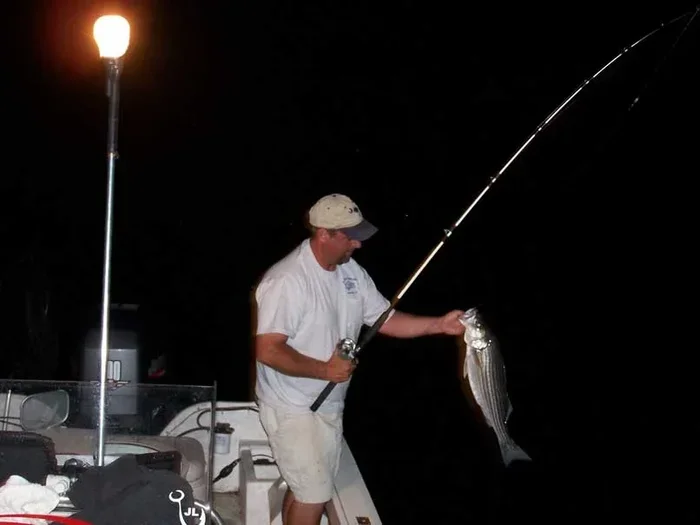
Striper fishing at night can be a game-changer for anglers targeting these hard-fighting fish. Many anglers find that night striper fishing offers calmer water, fewer crowds, and better feeding activity. In this guide, you will learn the best techniques, gear, and safety tips for a successful nighttime striper session.
Key Takeaways
- Stripers feed aggressively at night: Lower light triggers active feeding patterns.
- Cooler night temperatures drive stripers into shallower water.
- Use glow sticks and lanterns to see your line and detect bites.
- Safety is critical when fishing in the dark.
- Best bait for night striper fishing includes live shad, eels, and cut bait.
- Moon phase matters: Full moon nights can be the most productive.
📑 Table of Contents
- Is Striper Fishing Better at Night?
- Why Stripers Bite Better at Night
- Best Gear for Night Striper Fishing
- Top Baits and Lures for Night Striper Fishing
- Techniques for Catching Stripers After Dark
- Safety Tips for Night Striper Fishing
- Common Mistakes to Avoid When Night Striper Fishing
- Expert Insights and Pro Tips
- Conclusion: Is Striper Fishing Better at Night?
Is Striper Fishing Better at Night?
If you have ever wondered whether striper fishing at night is worth the effort, the answer is a resounding yes for many anglers. Stripers, also known as striped bass, are predatory fish that become more active after dark. Nighttime offers a unique set of conditions that can make your trip far more productive than a daytime outing. In fact, experienced anglers often plan their trips around the best time for striper fishing at night to maximize their success rate.
So, what makes night so special for targeting stripers? The simple answer is that these fish rely heavily on their lateral line system to detect prey. In low-light conditions, this sense becomes their primary tool for hunting. As a result, stripers move into shallower areas and feed more boldly than they do during the day. This is great news for anyone looking to hook into some serious fights.
However, fishing for stripers after sunset requires a different approach than daytime angling. You need the right gear, a solid safety plan, and an understanding of how these fish behave in the dark. This guide will walk you through everything you need to know to make your next nighttime striper fishing trip a success. From tackle selection to safety protocols, we have you covered.
Why Stripers Bite Better at Night
Understanding fish behavior is the first step to putting more fish on the boat. Stripers are ambush predators that prefer to use the cover of darkness to their advantage. During the day, bright sunlight forces them deeper into the water column where they are harder to target. At night, they can roam freely across shallower flats and structure zones.
The Lateral Line Advantage
Stripers possess a highly sensitive sensory organ called the lateral line. This system runs along the length of their body and detects vibrations in the water. When visibility is low, the lateral line sensitivity of stripers increases significantly. They can feel your bait moving, the splash of a lure, or even the vibration of your boat motor.
This means your presentation needs to create plenty of action. Vibration-heavy lures and live bait rigs that move naturally are ideal for triggering strikes. Think of it this way: you are essentially calling the fish to you using sound and movement rather than sight.
Water Temperature and Feeding Windows
Another major factor is water temperature. As the sun sets and the air cools, surface water temperatures drop. Stripers prefer cooler water, especially during the warmer months. This thermal shift pushes them from deep summer haunts into shallower feeding grounds. The water temperature change at dusk creates a prime feeding window that often lasts several hours.
Most experts agree that the two hours after sunset and the two hours before sunrise are the absolute best time for striper fishing at night. These are known as the major feeding periods. During these windows, stripers are actively hunting and are less picky about what they strike.
Best Gear for Night Striper Fishing
You cannot use the same setup during the day that you use at night. Darkness demands specialized gear that helps you see, feel, and detect bites effectively. Having the right equipment can be the difference between a great night and a frustrating one.
Rods and Reels
For nighttime striper fishing, you want a medium to medium-heavy spinning rod between seven and eight feet long. This gives you the leverage needed for fighting big fish and the distance to cast further into the dark. Pair it with a sturdy spinning reel spooled with 30 to 50 pound braided line.
Braided line has no stretch, which means you feel every nibble. Mono line tends to absorb subtle vibrations, making it harder to detect bites in the dark. Many anglers also like to add a fluorocarbon leader for some shock absorption and near-invisibility in the water.
Lighting Essentials
Light is your best friend on a night bite. You need several types of illumination:
- Headlamp: Keeps your hands free for rigging and fighting fish.
- Battery lantern: Lights up the deck and your bait.
- Green or red light stick: Submersible glow sticks help you track your line.
- Spotlight: Useful for spotting surface feeding activity.
Place a glow stick on your line or rig to see bites from a distance. Many experienced anglers use submersible green lights that attract plankton and baitfish, which in turn draws stripers to your boat. It is a clever trick that can turn a slow night into a hot one.
Top Baits and Lures for Night Striper Fishing
Your choice of bait can make or break your trip. Stripers are opportunistic feeders, but they have clear preferences when it is dark. The key is to offer something that creates a strong scent trail and visible action in the water.
Live Bait Options
Live bait is the number one producer for night striper fishing. The best options include:
- Live shad: The most popular choice across the country. A lively shad on a treble hook is almost irresistible.
- Live eels: Excellent for deeper water and big trophy stripers. Eels wriggle constantly, creating strong vibrations.
- Spot ponies and bunker: Great alternatives if shad are not available in your area.
Use a sturdy Carolina rig with a fish-finder sinker to keep your bait suspended at the desired depth. Let it swim naturally and wait for the telltale bumps on your line. Patience is critical with live bait at night.
Artificial Lures
While live bait reigns supreme, certain lures can also produce excellent results at night. Choose lures that make noise and vibrate strongly. Top picks include:
- Bucktail jigs: Loaded with soft plastic trailers, these create tons of underwater action.
- Topwater plugs: The explosive surface strikes at night are unforgettable. Use a rattling topwater lure to call fish up.
- Submersible swim shads: These mimic fleeing baitfish and work well on a slow retrieve.
One trick is to buzz a spinnerbait slowly near the surface. The flash and vibration draw striper strikes even in pitch-black conditions. Match the hatch by selecting lure sizes that resemble the local baitfish population.
Techniques for Catching Stripers After Dark
Knowing the right techniques gives you a real edge on the water. Stripers respond differently at night compared to daytime, so you need to adjust your approach accordingly.
Trolling and Drifting
Trolling is one of the most effective methods for covering water at night. Slowly troll your bait or lures along known striper structures like drop-offs, ledges, and submerged humps. The key is to keep your speed slow enough that the bait looks natural. Most anglers troll at about one to two miles per hour during nighttime sessions.
Drifting is another productive technique, especially in rivers and tidal areas. Let the current carry you and your bait over productive holding areas. Use a drift sock to control your speed and keep your bait in the strike zone longer. This drift fishing technique works exceptionally well for catching active stripers that have moved shallow to feed.
Anchored Fishing
If you find a productive spot, do not be afraid to anchor and fish vertically. This is especially effective when stripers are suspended under the boat. Drop your bait directly to the fish and gently lift it to create action. Many night anglers anchor over deep channels and use fish finders to locate suspended stripers below them. This method can produce nonstop action during peak feeding periods.
Safety Tips for Night Striper Fishing
Fishing at night is exciting, but it also comes with risks that you must manage. Safety should always be your top priority. Before you head out, make sure you are fully prepared for the challenges of darkness.
Navigation and Boat Safety
Dark water hides underwater hazards like rocks, logs, and shallow flats. Always slow down in unfamiliar areas and use your navigation lights properly. Keep your boat well-maintained and ensure all safety equipment is on board and accessible. A marine flashlight or spotlight is essential for spotting buoys and markers.
Let someone know your fishing plan and expected return time. Bring a fully charged cell phone in a waterproof case and consider a personal locator beacon if you are fishing in remote areas. These simple precautions can save your life.
Personal Safety
Fishing alone at night is not recommended. Bring a buddy whenever possible. Wear a life jacket, especially when the boat is moving or you are fighting a large fish. Striper fishing at night often involves long battles, and fatigue can set in quickly. Stay hydrated and bring extra layers because temperatures can drop significantly after sunset.
Keep your deck clear of loose lines and tackle. Slipping on a wet deck in the dark is a real danger. Use non-slip mats and be mindful of your footing at all times. Remember that a safe angler is a happy angler.
Common Mistakes to Avoid When Night Striper Fishing
Even experienced anglers can fall into traps that ruin their nighttime sessions. Here are the most common mistakes to watch out for:
- Using too much light: Bright lights can spook fish and ruin your night bite. Use only what you need to see your gear and stay safe.
- Ignoring the wind: Wind pushes baitfish and stripers together. Position your boat downwind of where you think the fish are holding.
- Going too fast: Whether trolling or drifting, excessive speed makes your bait look unnatural. Slow down and let the bait do the work.
- Skipping the depth finder: A good fish finder is your eyes in the dark. Use it to locate structure and suspended fish before they disappear for the night.
- Being impatient: Night striper fishing often requires longer waits between bites. Stay alert and keep your line in the water as much as possible.
Avoiding these simple pitfalls can dramatically improve your results. Many anglers give up too early because they expect nonstop action like they see during the day. Night fishing is about quality over quantity, and each strike is often a powerful, memorable event.
Expert Insights and Pro Tips
To give you an edge, here are some pro tips from experienced night striper anglers:
- Watch the moon phase: The best striper fishing at night often happens during the full moon. Bright moonlight increases plankton activity, which draws baitfish and stripers shallow. New moon nights can also be excellent because the total darkness triggers aggressive feeding.
- Listen to your surroundings: At night, your ears become as important as your eyes. Listen for baitfish popping on the surface and the distinctive boil of a feeding school of stripers. This tells you exactly where to cast or troll.
- Keep your hooks sharp: Night bites can be soft, and sharp hooks are your insurance against lost fish. Check your hooks frequently and replace them at the first sign of dullness.
- Practice at home first: If you are new to night fishing, practice your rigging and lighting setup in your driveway before heading out on the water. This removes frustration and lets you focus entirely on fishing once you arrive.
These small details add up to big results. The more prepared you are, the more confident you will feel on the water. Confidence alone can make the difference between a good night and a legendary one.
Conclusion: Is Striper Fishing Better at Night?
To answer the big question, yes, striper fishing at night offers some serious advantages that daytime simply cannot match. The calm water, active feeding, and reduced pressure from other anglers all combine to create ideal conditions. By understanding striper behavior, using the right gear, and following proven techniques, you can dramatically increase your catch rate. Always prioritize safety and respect the water, and you will be rewarded with unforgettable fishing experiences. So grab your gear, charge your headlamp, and head out for a nighttime striper session. The fish are waiting for you.
Frequently Asked Questions
What time is best for striper fishing at night?
The best time is typically the two hours after sunset and the two hours before sunrise. These are the major feeding periods when stripers are most active and likely to strike aggressively.
What is the best bait for night striper fishing?
Live shad is the most popular and productive bait for catching stripers at night. Live eels and cut bait are also excellent choices, especially for targeting larger trophy fish.
Do you need special gear for striper fishing at night?
Yes, you should use medium to medium-heavy spinning rods, braided line for sensitivity, and plenty of lighting such as headlamps, lanterns, and glow sticks on your line to detect bites.
Is striper fishing at night safe?
It can be very safe if you take proper precautions. Always wear a life jacket, bring a buddy, use proper navigation lights, and let someone know your plans before heading out on the water.
Does the moon phase affect striper fishing at night?
Yes, the moon phase has a significant impact. Full moon nights tend to produce the best results because increased light levels boost plankton and baitfish activity, which draws stripers into shallower water.
Can you catch stripers at night using artificial lures?
Yes, you can. Topwater plugs, bucktail jigs, and vibrating lures all work well at night. Choose lures that produce sound and vibration to attract stripers in low-light conditions.