How Much Food Does a Betta Fish Need Daily
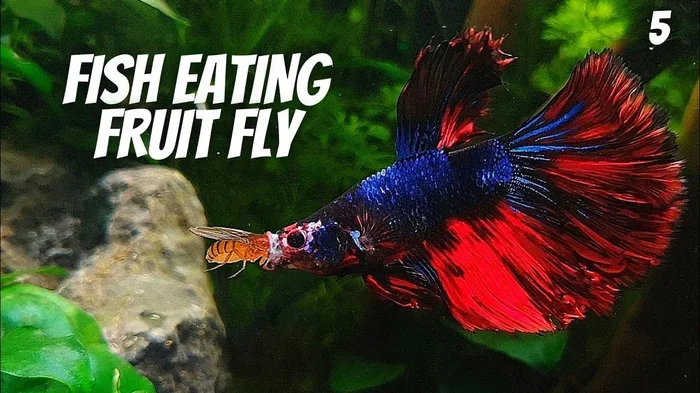
How much food does a betta fish need daily? A betta fish typically needs 1-2 small pellets or 1-2 teaspoons of food per meal, fed once or twice a day. Understanding your betta’s daily food needs is crucial for preventing overfeeding, maintaining betta fish health, and keeping your aquarium water clean. This guide covers everything about betta fish feeding, portions, and best practices.
Key Takeaways
- Portion Size: A betta fish needs only 1-2 pellets or 1-2 teaspoons of food per meal, which is much less than most owners think.
- Feeding Frequency: Feed your betta once or twice daily. Skipping one day occasionally is perfectly fine and can benefit their health.
- Overfeeding Is Harmful: Too much food leads to bloating, poor water quality, and a shorter lifespan. Uneaten food is a major problem.
- Food Variety Matters: A mix of high-quality pellets, frozen, and live food provides the best betta fish nutrition.
- Watch for Hunger Signs: A hungry betta will swim to the top, flare at food, or show visible weight loss. These cues help you adjust portions.
📑 Table of Contents
- Why Feeding Amounts Matter for Your Betta Fish
- How Much Food Does a Betta Fish Need Daily?
- Best Food Types for Your Betta Fish
- How Often Should You Feed Your Betta Fish?
- Common Feeding Mistakes to Avoid
- Tips for Creating the Perfect Betta Fish Feeding Routine
- How Much Food Should I Feed My Betta Fish? A Recap
Why Feeding Amounts Matter for Your Betta Fish
Getting the right amount of food for your betta fish is more important than most people realize. These colorful little creatures have tiny stomachs. They are not built to eat large meals. In fact, a betta’s stomach is roughly the size of its eye. That is incredibly small.
When you overfeed your betta, the consequences can be serious. Overfeeding betta fish leads to bloating, swim bladder problems, and dirty water. Leftover food rots at the bottom of the tank. This creates harmful ammonia spikes. Your betta fish health suffers greatly when the water quality drops.
On the flip side, underfeeding is also risky. Your fish may become malnourished. It can lose its vibrant colors and become lethargic. Finding the sweet spot is key. This guide will show you exactly how to do it right.
How Much Food Does a Betta Fish Need Daily?
So, how much food does a betta fish need daily? The answer is simpler than you might think. A betta fish needs about 1 to 2 small pellets per meal. If you are using flakes, that is about 1 to 2 teaspoons of food per feeding session.
Most experts recommend feeding your betta once or twice a day. That means the total daily amount is very modest. You might be surprised at how little food your betta actually needs. Many owners are shocked to learn they have been giving way too much food all along.
Understanding Betta Fish Portions
Portions depend on a few factors. Let us break them down:
- Age: Young bettas (fry) need more frequent feedings. They may eat 3-4 times a day with tiny amounts. Adult bettas do well with 1-2 meals per day.
- Size: A larger betta may handle 2 pellets per meal. A smaller one may only need 1. Watch your fish to find the right fit.
- Activity Level: A very active betta may need slightly more food. A betta in a small tank may not move much and needs less.
- Food Type: Pellets are more calorie-dense than flakes. You may need fewer pellets than flakes to satisfy your fish.
Here is a quick comparison to help you visualize the right betta fish portions:
| Food Type | Amount Per Meal | Feeding Frequency |
|---|---|---|
| Pellets | 1-2 small pellets | 1-2 times daily |
| Flakes | 1-2 teaspoons | 1-2 times daily |
| Frozen/Live Food | 2-3 pieces (like brine shrimp) | 1-2 times daily |
| Freeze-Dried Food | 1-2 pieces | 1-2 times daily |
Betta Fish Feeding Schedule by Age
Your betta’s age changes everything. Young betta fry are growing fast. They need more food spread across multiple feedings. Adult bettas are content with a simpler schedule. Here is a breakdown:
- Fry (0-3 months): Feed 3-4 times daily with crushed pellets or microworms.
- Juvenile (3-6 months): Feed 2 times daily with small pellets.
- Adult (6+ months): Feed 1-2 times daily with full-sized pellets.
Quick Tip: If you are ever unsure, feed less. A slightly hungry betta will still be active and healthy. An overfed betta will look bloated and uncomfortable.
Best Food Types for Your Betta Fish
Not all betta fish food is created equal. The type of food you choose matters just as much as the amount. Your betta is a carnivore. It needs protein-rich food to thrive. Let us look at the best options for your betta fish diet.
High-Quality Pellets
Pellets are the gold standard for betta fish feeding. They are specifically formulated for bettas. Good pellets sink slowly, which mimics natural hunting behavior. They also have a high protein content, usually around 35-45%. Look for brands with real fish meal as the first ingredient.
Betta fish pellets should be small and round. Avoid floating pellets. These can cause your betta to gulp air, leading to swim bladder issues. Sinking pellets are a much better choice.
Flakes
Flakes are convenient but not always the best option. They tend to float and break apart quickly. This means your betta may not get a full meal. Uneaten flakes also pollute the tank fast. If you use flakes, soak them in water first. This makes them easier to eat and digest.
Frozen and Live Food
Frozen and live foods are excellent for adding variety. They are packed with nutrients and protein. Great options include:
- Bloodworms
- Brine shrimp
- Daphnia
- Mosquito larvae
These foods are close to what a betta would eat in the wild. They make a great supplement to pellets. Just thaw frozen food before dropping it in the tank. Live food carries a higher risk of parasites, so buy from trusted sources.
Freeze-Dried Food
Freeze-dried food is a convenient alternative to frozen. It has a longer shelf life and is easy to store. However, it can be dry. Soak it in tank water for a minute before feeding. This prevents your betta from getting constipated.
Expert Insight: Dr. Andrew Weber, a tropical fish specialist, recommends a base diet of high-quality pellets with frozen bloodworms as a treat twice a week. This combination covers all nutritional needs and keeps meals interesting for your betta.
What to Avoid Feeding Your Betta
Some foods are bad for bettas. Stay away from:
- Goldfish food (wrong nutritional balance)
- Tropical fish flakes (not enough protein for bettas)
- Human food like bread or crackers (poor nutrition and dirty water)
- Overly fatty foods (can cause liver problems)
How Often Should You Feed Your Betta Fish?
Now that you know how much food does a betta fish need daily, let us talk about timing. How often to feed betta fish depends on their age and routine. For most adult bettas, feeding once or twice a day works perfectly.
Here is a simple feeding schedule you can follow:
- Morning: Drop 1-2 pellets into the tank. Watch your betta eat. Remove any uneaten food after 5 minutes.
- Evening (optional): Give another small meal if you choose to feed twice daily. Again, 1-2 pellets or a teaspoon of flakes.
Some experienced keepers recommend fasting your betta once a week. This means giving no food for one full day. Fasting helps clear their digestive system. It also prevents overfeeding. Many betta owners find this practice keeps their fish healthier long-term.
Quick Tip: Always feed at the same time each day. Bettas are creatures of habit. A consistent schedule reduces stress and keeps them eager to eat.
Signs Your Betta Is Hungry
Not sure if your betta is truly hungry? Watch for these clues:
- Swimming to the top of the tank when you walk by
- Flaring fins or displaying at food
- Searching the bottom of the tank actively
- Visible weight loss or faded colors
If your betta shows these signs, it may need a slightly larger portion or more frequent meals. But remember, these behaviors can also signal boredom. Adding enrichment like live food can help.
Common Feeding Mistakes to Avoid
Even experienced betta owners make feeding errors. These mistakes are easy to fix once you know about them. Let us look at the most common problems with betta fish feeding.
Overfeeding
This is the number one mistake. It is also the most dangerous. Overfeeding leads to a bloated belly, swim bladder disorder, and filthy water. Bettas will eat everything you give them. They do not know when to stop. You have to be the one to control portions.
Common Mistakes: Giving food because your betta “looks hungry” when you pass by. This is usually not genuine hunger. It is a learned behavior. Your betta associates your presence with food. Stick to the schedule and ignore the begging.
Ignoring Uneaten Food
Any food your betta does not eat must be removed. Uneaten food decomposes fast. It releases ammonia and nitrites into the water. This is a direct threat to betta fish health. Use a small net to scoop out leftovers after each feeding session.
Feeding Only One Food Type
Pellets alone are good but not perfect. Your betta needs variety for balanced betta fish nutrition. Rotate between pellets, frozen bloodworms, and brine shrimp. This keeps your betta engaged and healthy.
Using the Wrong Food
Not all commercial betta food is quality. Some brands use fillers like cornstarch and wheat. These have very little nutritional value. Always read the ingredient list. The first ingredient should be a real protein source like fish meal or shrimp meal.
Feeding Too Much at Once
Even if you feed the right number of pellets, dropping them all at once can be a problem. Your betta might eat some and ignore the rest. Try breaking the meal into two smaller rounds. Wait a minute between each. This encourages better eating habits.
Tips for Creating the Perfect Betta Fish Feeding Routine
Now let us put it all together. Here is how you can build a routine that keeps your betta happy, healthy, and well-fed.
Step 1: Choose the Right Food
Pick a high-quality pellet as the staple. Add frozen or freeze-dried food as treats. A good betta fish feeding guide always starts with quality ingredients. Avoid cheap brands full of fillers.
Step 2: Set a Schedule
Choose morning and evening times that work for you. Consistency is everything. Your betta will learn the schedule and get excited at feeding time. This is a fun bonding experience for both of you.
Step 3: Measure Portions
Do not eyeball it. Use a small scoop or tweezers. Drop 1-2 pellets per feeding. If using flakes, measure 1-2 teaspoons. This takes the guesswork out of betta fish portions.
Step 4: Watch Your Betta Eat
Stay nearby for the first 5 minutes. Make sure your betta is actually eating. If your betta ignores food, something may be wrong. Check the water temperature. Bettas eat less when the water is too cold. The ideal temp water for bettas is 76-82°F (24-28°C).
Step 5: Clean Up
After 5 minutes, remove anything your betta did not eat. This simple habit keeps your tank clean and your betta safe. It takes only seconds but makes a huge difference.
Step 6: Fast Once a Week
Give your betta a rest day. Skip feeding for 24 hours once a week. This helps digestion and prevents waste buildup. Your betta will not starve. They can easily go a day without food. In fact, how long can a betta fish live without food is up to two weeks in extreme cases. One day is nothing for them.
Quick Tip: Keep a feeding journal if you are unsure. Note the date, amount, and your betta’s behavior. Over time, you will see patterns. This helps you fine-tune the perfect routine.
How Much Food Should I Feed My Betta Fish? A Recap
Let us bring it all together. If you are asking yourself, “how much do I feed my betta fish,” here is the simple answer again. Feed 1-2 pellets or 1-2 teaspoons of food per meal. Do this once or twice a day. Remove leftovers. Add variety. Fast occasionally. That is all there is to it.
Understanding how much to feed a betta fish is one of the most important things you can do as an owner. It affects your fish’s health, energy, colors, and lifespan. A well-fed betta is a happy betta. And a happy betta can live 3-5 years or even longer in great conditions.
Your betta depends on you for every meal. Take this responsibility seriously. Follow the portions. Stick to the schedule. Your fish will reward you with vibrant colors and active behavior. How much food does a betta fish need daily is a simple question with a simple answer. Just remember: less is more when it comes to betta fish feeding.
Now you have the knowledge. Go apply it. Your betta will thank you for it.
Frequently Asked Questions
How much food does a betta fish need daily?
A betta fish needs about 1 to 2 small pellets or 1 to 2 teaspoons of flakes per day. You can split this into one or two meals. The exact amount depends on your betta’s size, age, and activity level. Always start with less and adjust based on how much your fish eats.
Can I feed my betta fish twice a day?
Yes, feeding your betta twice a day is perfectly fine and even recommended by many experts. Just keep each meal small. One or two pellets per feeding is enough. Make sure to remove any uneaten food after a few minutes to keep the tank clean.
What happens if I overfeed my betta fish?
Overfeeding can cause bloating, swim bladder problems, and dirty water. Uneaten food rots and raises ammonia levels. This can make your betta very sick. The best way to avoid this is to feed small portions and remove leftovers promptly.
How often should I feed my betta fish?
Feed your adult betta once or twice a day. Young betta fry need more frequent feedings, about 3 to 4 times daily. Some experienced keepers also recommend fasting your betta one day a week to help with digestion. A consistent schedule works best for your fish.
Can betta fish go a day without eating?
Yes, betta fish can easily go a day without food. In fact, fasting once a week can be beneficial. It helps clear their digestive system and reduces waste in the tank. A healthy betta can survive without food for up to two weeks, though you should not push this limit.
What is the best food for my betta fish?
The best betta fish diet includes high-quality sinking pellets as a staple. Supplement with frozen or live foods like bloodworms and brine shrimp for variety. Avoid flakes that float and cheap brands with fillers. Look for food where real fish meal or shrimp meal is the first ingredient.