Can Bettas Fish and Swordtails Live Together

Betta fish and swordtails can live together, but it is not always a guaranteed success story. It heavily depends on your specific betta’s personality and how you set up the tank. This guide covers everything you need to know to make this combination work safely.
Key Takeaways
- Temperament Clash: Bettas are territorial and aggressive, while swordtails are active and can be nippy, creating a risky combination.
- Male vs. Female: Female bettas and female swordtails have a much better chance of coexisting peacefully than males.
- Tank Size Matters: A larger tank (20 gallons or more) is essential to provide enough space for both species to establish their own territories.
- Environment is Key: A heavily planted tank with lots of hiding spots and visual barriers reduces stress and aggression for both fish.
- Monitor Closely: You must watch for signs of bullying, fin nipping, or stress, especially during the first few weeks.
- Have a Backup Plan: Always be prepared to separate the fish immediately if fighting occurs to prevent injury or death.
📑 Table of Contents
The Big Question: Can Bettas Fish and Swordtails Live Together?
So, you’ve got a beautiful betta fish, and you’re looking for a colorful, active tank mate. The swordtail, with its iconic, sword-like tail fin, might have caught your eye. It’s a popular, hardy, and attractive fish. But before you run to the pet store, you need to ask the critical question: can bettas fish and swordtails live together?
The short answer is: it’s complicated. It’s not a simple yes or no. While some aquarists have had success, many others have experienced disaster. The outcome depends on a delicate balance of factors, primarily the individual personalities of your fish and the environment you provide. This guide will walk you through everything you need to know to make an informed decision and, if you proceed, give your fish the best possible chance at a peaceful life.
Understanding the Players: Betta vs. Swordtail
To understand why this pairing is tricky, you need to understand the natural behavior of each fish. They come from different worlds with different instincts.
The Betta Fish: A Solitary Warrior
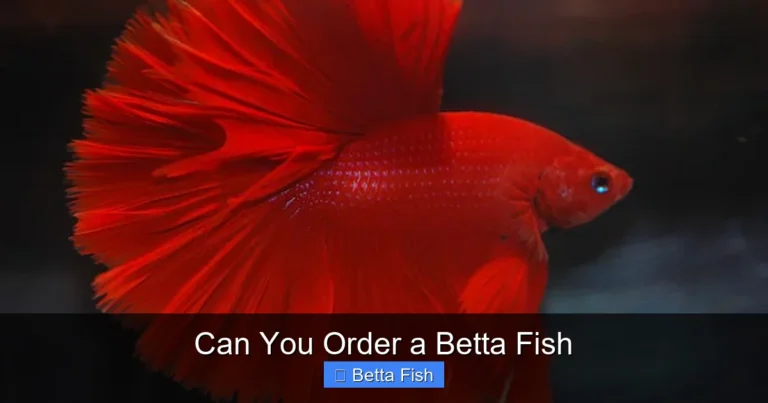
Bettas, also known as Siamese fighting fish, are famous for their stunning colors and flowing fins. They are also famous for their aggression, especially towards other bettas. In the wild, a male betta’s territory is small, and he will fiercely defend it from any intruder he perceives as a threat.
- Territorial Nature: Male bettas are particularly aggressive. They see other fish with bright colors or long, flowing fins as rivals. This is why they are often kept alone.
- Slow Movers: Their long, delicate fins are for display, not for speed. They are not built for a high-energy, fast-paced environment.
- Individual Personalities: Just like people, every betta has a unique personality. Some are relatively chill, while others are absolute terrors. You won’t know your betta’s true temperament until it’s tested.
The Swordtail: A Social Energizer
Swordtails are livebearers, related to guppies and mollies. They are known for the distinctive, sword-like extension on the male’s tail fin. They are generally peaceful community fish, but they have their own set of traits that can clash with a betta.
- Active and Fast: Swordtails are zippy, energetic swimmers. They love to zoom around the tank, which can be incredibly stressful for a slow, calm betta.
- Fin Nippers: This is the biggest red flag. Swordtails are notorious for nipping at the long, flowing fins of other fish. To a swordtail, a betta’s beautiful fins look like a fun toy. This nipping can lead to injury, infection, and immense stress for your betta.
- Social Creatures: They do best in groups. A single swordtail can become stressed, which might make it more likely to act out and nip at tank mates.
The Core Challenges of This Combination
Putting these two species together creates a few major points of conflict. Understanding these challenges is the first step to overcoming them.
The Fin Nipping Problem
This is the most common and dangerous issue. A swordtail’s instinct to nip can be triggered by a betta’s magnificent fins. Even a peaceful swordtail might not be able to resist the temptation. A single nip can tear a betta’s fin, leading to fin rot, a serious and potentially fatal bacterial infection. The constant stress of being chased and nipped will also weaken your betta’s immune system.
Temperament and Activity Mismatch
Imagine a calm, meditative monk trying to live in the middle of a busy playground. That’s what it can feel like for a betta in a tank with active swordtails. The constant, high-energy movement of the swordtails can be a major source of stress. This stress can make the betta more reclusive, less likely to eat, and more susceptible to illness. On the flip side, a particularly aggressive betta might see the fast-moving swordtails as a constant threat and relentlessly chase them, causing the swordtails stress.
Competition for Space
Both species need their own space. A betta needs a calm area to call its own, often near the surface. Swordtails need open swimming lanes. In a small tank, there is no escape from each other. This forced proximity is a recipe for conflict. A lack of space amplifies every other problem, from fin nipping to general aggression.
How to Increase Your Chances of Success
If you are determined to try this pairing, you can take several steps to dramatically improve the odds. This is not about luck; it’s about creating the right conditions.
1. Choose the Right Gender Combination
This is the single most important decision you’ll make. The gender of your fish plays a huge role in their compatibility.
- Best Case Scenario: Female Betta with Female Swordtails. Female bettas are generally less aggressive than males. Female swordtails are also less boisterous than males and lack the long, flashy fins that might trigger a betta’s aggression. This combination has the highest chance of success.
- Risky Scenario: Male Betta with Female Swordtails. This is still risky. The male betta’s aggression is the main variable. His personality will make or break this setup.
- Worst Case Scenario: Male Betta with Male Swordtails. This is a disaster waiting to happen. The male swordtail’s bright colors and active nature will almost certainly be seen as a threat by the male betta. The risk of severe fighting and injury is extremely high. It is strongly recommended to avoid this combination.
2. Go Big on Tank Size
A small tank is your enemy here. You need space to dilute aggression and provide distinct territories. The absolute minimum tank size for this combination is 20 gallons, but a 29-gallon or even a 40-gallon breeder tank is much better. More water volume also helps keep water parameters stable, which is crucial for reducing overall stress.
3. Create a “Furnished” Environment
A bare tank is a battleground. You need to break up sightlines and create hiding spots.
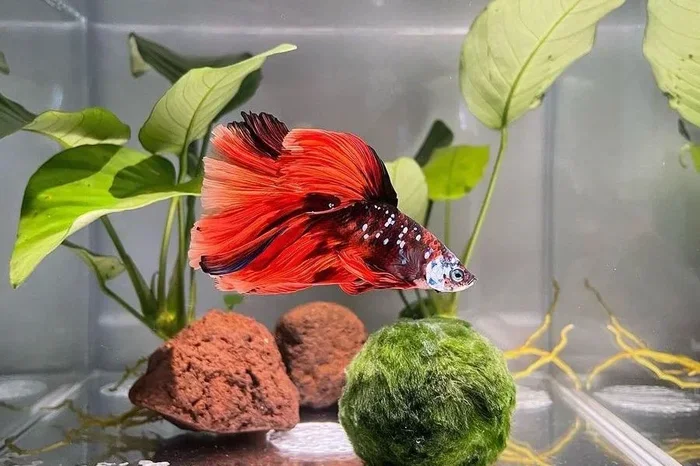
- Live Plants: These are the best option. Plants like Java fern, Anubias, and Hornwort provide excellent cover and make the fish feel secure. They also help with water quality.
- Hiding Spots: Use decorations like caves, driftwood, and rock formations to create little nooks and crannies where a fish can retreat if it feels threatened.
- Floating Plants: Bettas love to rest near the surface. Floating plants like frogbit or water lettuce provide shade and a sense of security for your betta.
4. Introduce the Swordtails First
This is a pro tip. Add the swordtails to the tank and let them settle in for a week or two before introducing the betta. This allows the swordtails to establish their own territories and routines without the betta claiming the entire tank as his own from the start. When you finally add the betta, he will be the “newcomer,” which can sometimes reduce his initial aggression.
5. Have a Backup Plan
This is non-negotiable. You must have a separate, cycled tank or a high-quality tank divider ready to go at all times. If you see relentless chasing, torn fins, or a fish that is constantly hiding and refusing to eat, you need to be able to separate them immediately. Don’t wait and hope things will get better. They usually get worse.
Signs of Trouble to Watch For
Constant observation is key, especially in the first few weeks. You need to be a detective and look for signs of stress or aggression.
- Chasing: Occasional chasing is normal as they establish a pecking order. Relentless, non-stop chasing is a major problem.
- Nipped or Torn Fins: This is a clear sign that the swordtails are bothering the betta. Check your betta’s fins daily for any signs of damage.
- Hiding: If your betta or your swordtails are constantly hiding and never come out to eat or explore, they are too stressed.
- Loss of Color: Stress can cause fish to lose their vibrant colors. A pale fish is often a stressed fish.
- Refusal to Eat: A stressed fish will often go off its food. If one of your fish isn’t eating, something is wrong.
Conclusion: Is It Worth the Risk?
So, can bettas fish and swordtails live together? The answer remains: it depends. It is a high-risk, moderate-reward combination. While it’s possible to make it work, it requires a large, well-decorated tank, the right gender combination, and constant vigilance.
For a beginner, this is not a recommended pairing. The risk of injury or death is significant. If you are an experienced aquarist with a backup plan and are willing to accept the potential consequences, you can try it. However, there are many other, safer community fish that can live with a betta. If you’re looking for more information on compatible tank mates, check out our guide on what other fish can bettas live with.
Ultimately, the health and safety of your fish should always come first. If you have any doubts, it’s always better to err on the side of caution and choose a different, more peaceful tank mate for your beautiful betta.
Frequently Asked Questions
Can a male betta live with swordtails?
It is highly risky and generally not recommended. A male betta’s aggression, combined with a male swordtail’s active nature and bright colors, makes for a very volatile combination. The chances of fighting and injury are extremely high.
Can a female betta live with swordtails?
Yes, this is a much safer option than using a male betta. Female bettas are typically less aggressive, making them more likely to tolerate the company of active tank mates like swordtails, especially if the tank is large and well-planted.
What is the minimum tank size for bettas and swordtails?
The absolute minimum tank size is 20 gallons. However, a larger tank, such as a 29-gallon or 40-gallon, is highly recommended to provide enough space for both species to establish territories and reduce stress.
Why are swordtails a bad tank mate for bettas?
The main reason is that swordtails are known fin nippers. They are often attracted to the long, flowing fins of a betta and may nip at them, causing injury, stress, and potential infection. Their high-energy swimming can also stress out a calm betta.
What are some safer alternatives to swordtails for betta tank mates?
Some safer options include peaceful bottom dwellers like Corydoras catfish or Kuhli loaches, or calm, small schooling fish like Ember tetras or Harlequin rasboras. These fish are less likely to trigger a betta’s aggression. For more ideas, you can read about can molly fish and betta fish live together.
What should I do if my betta and swordtails are fighting?
You must separate them immediately. Use a tank divider or move one of the fish to a separate, cycled tank. Do not wait to see if they will work it out, as the situation will likely escalate and result in serious injury or death.