How Often to Change Betta Fish Water 2 Gallon
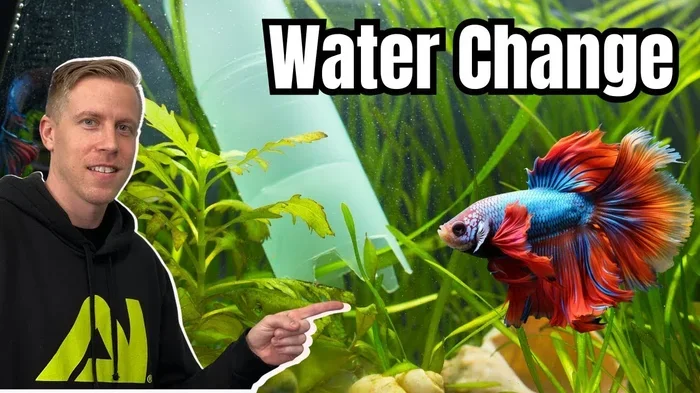
Changing the water in your 2 gallon betta tank is one of the most important parts of betta fish care. You should perform a 25 to 50 percent water change every 5 to 7 days to keep ammonia and nitrate levels low. This guide covers the full how often to change betta fish water 2 gallon routine, including step-by-step instructions, common mistakes, and pro tips.
Keeping your betta fish healthy starts with clean water. A 2 gallon tank is a popular choice for betta owners because it is small enough to fit on a desk but big enough to give your fish room to swim. However, a small tank also means water quality can drop fast. That is why knowing how often to change betta fish water 2 gallon is so important.
Many new betta owners make the mistake of changing water too infrequently or too much at once. Both approaches can cause serious problems. Too little cleaning lets toxins build up. Too much cleaning strips away the good bacteria your tank needs. This guide will walk you through the exact water change schedule you should follow for a 2 gallon setup. You will learn how much water to remove, how to treat new water, and how to keep your betta thriving.
Key Takeaways
- Water changes every 5 to 7 days: A 2 gallon tank needs frequent partial water changes to maintain safe water quality.
- Remove 25 to 50 percent of the water: This amount strikes the right balance between cleaning and preserving beneficial bacteria.
- Use treated water: Always add water conditioner to remove chlorine and chloramine before refilling the tank.
- Match the water temperature: New water should be close to the tank temperature to avoid stressing your betta.
- Avoid full water changes: Replacing all the water at once can crash your tank cycle and harm your fish.
- Watch for warning signs: Cloudy water, strong odors, or lethargic fish mean it is time for a water change.
📑 Table of Contents
- Why Water Changes Matter for Your 2 Gallon Betta Tank
- How Often to Change Betta Fish Water 2 Gallon
- The Step-by-Step Water Change Process
- Common Mistakes to Avoid
- Quick Tips for a Healthier Betta Tank
- Expert Insights on Betta Fish Water Maintenance
- How to Know When It Is Time for a Water Change
- Conclusion
Why Water Changes Matter for Your 2 Gallon Betta Tank
A 2 gallon tank is a closed environment. Your betta produces waste every single day. That waste breaks down into ammonia, which is toxic to fish. Even with a filter, ammonia and nitrates can build up quickly in such a small space. Regular water changes are the best way to keep these harmful substances under control.
When you how to change a betta fish water properly, you remove the built-up toxins and replace them with fresh, clean water. This helps maintain stable water parameters. Stable parameters mean a happy, active betta with vibrant colors and a strong immune system.
The Role of Beneficial Bacteria
Your tank has good bacteria living on the filter media and substrate. These bacteria convert ammonia into nitrite and then into nitrate. Nitrate is less harmful but still builds up over time. Water changes remove the excess nitrate. If you skip water changes, nitrate levels rise. Your betta may become stressed, lose appetite, or develop diseases.
How Tank Size Affects Water Quality
Smaller tanks are more sensitive to changes. A 2 gallon tank has very little water volume. That means even a small amount of waste can make a big difference. A 10 gallon tank can handle waste much better than a 2 gallon tank. This is why a 2 gallon setup needs more frequent maintenance. Understanding how often to change betta fish water 2 gallon is the key to avoiding common water quality problems.
How Often to Change Betta Fish Water 2 Gallon
The general rule for a 2 gallon betta tank is to change 25 to 50 percent of the water every 5 to 7 days. This frequency keeps ammonia and nitrate levels in a safe range. It also gives your betta a clean and comfortable living space.
Here is a simple breakdown of the recommended water change schedule for a 2 gallon tank:
- Every 5 days: Change 50 percent of the water. This is ideal if you do not have a filter or if your betta produces a lot of waste.
- Every 7 days: Change 25 percent of the water. This works well if you have a gentle filter and your tank is stable.
- Every 3 to 4 days: Change 20 percent of the water. This is for tanks without any filtration or for tanks with multiple fish.
Factors That Change How Often You Need to Clean
Not every 2 gallon tank is the same. Several factors can change how often you need to do a water change:
- Filter presence: A filter helps cycle the water and reduces how often you need to change it. But even with a filter, regular changes are still needed.
- Feeding amount: Overfeeding creates more waste. If you feed your betta more than twice a day, you may need to change water more often.
- Room temperature: Warmer water holds less oxygen and can speed up bacterial growth. This may require more frequent changes.
- Live plants: Plants absorb some nitrates. A planted 2 gallon tank may need less frequent water changes.
- Betta health: Sick or stressed fish may need more frequent water changes to support recovery.
Comparison Table: Water Change Frequency by Tank Size
| Tank Size | Water Change % | Frequency | Notes |
|---|---|---|---|
| 1 gallon | 50% | Every 3-4 days | Very sensitive to waste buildup |
| 2 gallon | 25-50% | Every 5-7 days | Most common betta setup |
| 5 gallon | 20-30% | Every 7-10 days | More stable, less frequent changes |
| 10 gallon | 15-20% | Every 10-14 days | Stable cycle, ideal for bettas |
As you can see, the 2 gallon tank falls right in the middle. It needs more attention than a 5 or 10 gallon tank but less than a 1 gallon bowl. Following the right how often to change betta fish water 2 gallon schedule makes a huge difference in your fish’s health.
The Step-by-Step Water Change Process
Doing a water change the right way is just as important as doing it on schedule. Here is a simple, step-by-step guide you can follow every time.
Step 1: Gather Your Supplies
Before you start, make sure you have everything ready:
- A bucket or container dedicated to aquarium use
- A siphon or gravel vacuum
- Water conditioner (such as Seachem Prime or API Tap Water Conditioner)
- A thermometer to check water temperature
- Clean towels or paper towels
Step 2: Remove 25 to 50 Percent of the Water
Use your siphon or gravel vacuum to suck up water from the tank. Start from the bottom to remove debris and waste from the gravel. Do not remove all the water. Keeping some old water preserves the beneficial bacteria colony. If you are unsure about the process, you can learn more about how to do a water change for betta fish in our detailed guide.
Step 3: Prepare Fresh Water
Fill your bucket with clean tap water. Add water conditioner according to the product instructions. This step removes chlorine, chloramine, and heavy metals that are harmful to bettas. Let the water sit for a few minutes after adding conditioner.
Step 4: Match the Temperature
This is a critical step. The new water should be close to the tank water temperature. Sudden temperature changes can shock your betta and cause stress. Use a thermometer to check both the tank and the new water. If you need more guidance on this step, check out our article on how to change betta fish water temperature for expert tips.
Step 5: Add the New Water Slowly
Pour the new water into the tank gently. Avoid pouring directly onto the gravel or decorations. Use a plate or your hand to diffuse the flow. This prevents stirring up debris and minimizes stress for your betta.
Step 6: Check Water Parameters
After the water change, use a test kit to check ammonia, nitrite, nitrate, and pH levels. This helps you confirm that the water is safe. It also gives you a baseline to track over time.
Common Mistakes to Avoid
Even experienced betta owners can make mistakes when doing water changes. Here are the most common errors and how to avoid them.
Mistake 1: Doing a Full Water Change
Some owners think cleaning the tank means dumping all the water out and refilling it. This is a big mistake. A full water change removes all the beneficial bacteria your tank needs. It can also cause a dangerous spike in ammonia. Always stick to partial water changes of 25 to 50 percent.
Mistake 2: Using Untreated Tap Water
Tap water contains chlorine and chloramine, which are deadly to bettas. Never add tap water directly to your tank. Always use a water conditioner to neutralize these chemicals. Skipping this step is one of the fastest ways to harm your fish.
Mistake 3: Ignoring the Temperature
Bettas are tropical fish. They need warm water between 76 and 82 degrees Fahrenheit. Adding cold water during a change can shock their system. Always match the temperature as closely as possible. If you need help with temperature management, visit our guide on how to change betta fish water temperature.
Mistake 4: Changing Water Too Often
More is not always better. Changing water every day or every other day can strip the tank of beneficial bacteria. It can also cause unnecessary stress to your betta. Stick to the 5 to 7 day schedule for best results.
Mistake 5: Forgetting to Clean the Gravel
Debris and fish waste collect in the gravel. When you do a water change, use a gravel vacuum to remove this buildup. Neglecting the gravel leads to poor water quality even after a water change. You can also learn more about maintaining your entire setup by reading our guide on how to clean a 2 gallon betta fish tank.
Quick Tips for a Healthier Betta Tank
Here are some quick and easy tips to make your water change routine smoother and more effective:
- Keep a schedule: Set a reminder on your phone. Consistency is key to maintaining good water quality.
- Use a gravel vacuum: It makes cleanup faster and more thorough. You will remove waste without disturbing the substrate too much.
- Test water regularly: A simple test kit can tell you a lot about your tank health. Test at least once a week.
- Do not overfeed: Uneaten food decays quickly in a 2 gallon tank. Feed small amounts twice a day and remove any leftovers.
- Keep spare water ready: Pre-treat a bucket of water the night before. This saves time on the day of your water change.
- Observe your betta: A healthy betta is active, has bright colors, and eats well. Any changes in behavior may signal water quality issues.
Expert Insights on Betta Fish Water Maintenance
We spoke with experienced betta keepers to get their top advice on maintaining water quality in small tanks. Here is what they had to say.
Consistency beats perfection. Many owners worry about getting the water change exactly right. But the truth is, doing regular partial changes on a consistent schedule matters more than getting every detail perfect. Even a simple 25 percent change done on time is better than a perfect 50 percent change done once a month.
A small tank rewards small efforts. Because a 2 gallon tank has less water volume, even a small change makes a big impact. You do not need expensive equipment or complicated routines. A bucket, a siphon, and water conditioner are all you need. For a deeper dive into maintaining your setup, check out our guide on how to clean a 2 gallon betta fish tank.
Watch your betta for clues. Experienced keepers say your fish will tell you when something is wrong. If your betta is staying near the surface, gasping, or hiding more than usual, check your water parameters first. Often, a simple water change solves the problem.
How to Know When It Is Time for a Water Change
While following a schedule is important, you should also watch for signs that your tank needs attention before the next scheduled change. Here are the most common indicators:
- Cloudy or hazy water: This often signals a buildup of dissolved waste or a bacterial bloom.
- Strong or unpleasant odor: Clean aquarium water should have little to no smell. A rotten smell means it is time to change the water.
- Algae growth: Excess algae can indicate high nitrate levels. A water change can help bring nutrients down.
- Lethargic betta: If your fish is less active than usual, poor water quality could be the cause.
- Loss of appetite: A betta that stops eating may be stressed by bad water conditions.
- Elevated nitrate readings: If your test kit shows nitrates above 20 ppm, a water change is needed.
Staying alert to these signs helps you catch problems early. It also keeps your betta healthy between scheduled water changes. If you want to learn more about handling water change emergencies, read our article on how to save dying betta fish after water change.
Conclusion
Knowing how often to change betta fish water 2 gallon is one of the most important skills every betta owner should have. A simple routine of partial water changes every 5 to 7 days keeps your tank clean, your betta healthy, and your water parameters stable. Remember to remove only 25 to 50 percent of the water each time, always treat new water with conditioner, and match the temperature carefully.
Avoid common mistakes like full water changes, skipping the water conditioner, and ignoring temperature differences. Follow the tips and schedules in this guide, and your 2 gallon betta tank will thrive. Clean water is the foundation of a happy betta. Make water changes a regular part of your routine and enjoy watching your fish flourish.
For more detailed guidance on the water change process, visit our article on how to change a betta fish water and our guide on how to do a water change for betta fish. Both resources offer step-by-step instructions to help you master the art of betta tank maintenance.
Frequently Asked Questions
How often should I change the water in a 2 gallon betta tank?
You should change 25 to 50 percent of the water every 5 to 7 days. This frequency keeps ammonia and nitrate levels safe for your betta. Adjust the schedule based on whether you have a filter and how much you feed your fish.
Can I change all the water in my 2 gallon betta tank at once?
No, you should never do a full water change. Removing all the water strips away beneficial bacteria and can cause an ammonia spike. Stick to partial changes of 25 to 50 percent to keep your tank cycle stable.
What kind of water conditioner should I use for my betta tank?
Use a conditioner that removes chlorine, chloramine, and heavy metals. Popular brands include Seachem Prime and API Tap Water Conditioner. Follow the dosage instructions on the product label for your tank size.
How do I match the temperature of new water to my betta tank?
Use a thermometer to check both the tank water and the new water. They should be within 1 to 2 degrees of each other. Let the new water sit at room temperature or use a heater if needed to reach the right range.
What happens if I do not change my betta water often enough?
Skipping water changes causes ammonia and nitrate levels to rise. This can lead to stress, disease, and even death in bettas. Signs of poor water quality include lethargy, loss of appetite, and cloudy water.
Is a 2 gallon tank too small for a betta fish?
A 2 gallon tank is a common and acceptable size for a single betta. It is small enough to manage but provides enough space for your fish to swim. Regular water changes are essential to keep a 2 gallon tank healthy. For more tips on small tank care, read our guide on maintaining a 2 gallon setup.