Do Betta Fish Make Bubble Nests When They Are Happy
Betta fish create bubble nests primarily for breeding, not necessarily because they are happy. While a healthy environment often encourages nest building, it is more a sign of maturity and instinct than pure joy. Understanding your betta fish behavior helps you provide better care and a thriving habitat.
Key Takeaways
- Bubble nests are breeding tools: Male betta fish build them to protect eggs, not just to show happiness.
- Health indicates activity: A thriving betta fish in clean water is more likely to build a nest.
- Not all males build nests: Age, stress, and individual personality affect nesting behavior.
- Water conditions matter: Warm, clean water with low flow encourages natural bubble nest creation.
- Absence of a nest is normal: Do not worry if your betta fish does not make a bubble nest regularly.
- Observation is key: Watch for other signs of happiness like active swimming and vibrant colors.
- Proper care ensures well-being: Focus on tank size, filtration, and diet for a truly content betta fish.
📑 Table of Contents
- Do Betta Fish Make Bubble Nests When They Are Happy
- Understanding the Purpose of Bubble Nests
- Do All Male Betta Fish Build Nests Regularly
- Signs Your Betta Fish Is Actually Content
- Water Conditions and Nest Building
- Stress Factors That Affect Bubble Nests
- Female Betta Fish and Bubble Nests
- Quick Tips for a Happy Betta Tank
- Expert Insights on Betta Behavior
Do Betta Fish Make Bubble Nests When They Are Happy
Many new fish owners ask a common question: do betta fish make bubble nests when they are happy. It is a beautiful image to imagine. You see a cluster of shiny bubbles at the top of your tank and assume your fish is celebrating. However, the truth is a bit more complex than simple joy.
Bubble nests are fascinating structures. They look like foam rafts floating on the water surface. While seeing one is a good sign, it does not always mean your fish is smiling underwater. We need to look deeper into why these fish build these nests. Understanding this helps you become a better owner.
In this guide, we will explore the real reasons behind bubble nests. We will also look at what truly makes a betta fish content. You will learn how to spot genuine health signs. Let us dive into the world of these colorful aquatic pets.
Understanding the Purpose of Bubble Nests
To answer do betta fish make bubble nests when they are happy, we must first understand what the nest is for. Biologically, the bubble nest is a nursery. Male betta fish build these structures to protect their future offspring. This is an instinct driven by reproduction, not necessarily emotion.
When a male betta is ready to breed, he creates a surface for the eggs. The bubbles are coated with saliva. This makes them sticky and durable. They float on the surface because betta fish eggs need air to survive. The male guards this nest fiercely until the fry hatch.
Here are the main reasons males build nests:
- Reproduction: It is the primary purpose for creating a foam raft.
- Territory: It marks a specific area as his own space.
- Health Indicator: Only healthy males usually have the energy to build them.
So, while happiness is not the direct cause, a fish that feels safe enough to breed is doing well. You can learn more about this behavior in our article on do betta fish bubble nest. This resource explains the biology behind the foam.
The Role of Saliva in Nest Building
Have you ever wondered how the bubbles stay together? Betta fish produce a special secretion. This saliva acts like glue. It allows the bubbles to stick together despite the water movement. Without this natural glue, the nest would fall apart quickly.
This process takes energy. A sick or stressed fish will not waste energy on building a home for babies. Therefore, seeing a nest often means your fish is physically fit. It does not guarantee emotional happiness, but it shows vitality.
Do All Male Betta Fish Build Nests Regularly
You might expect every male betta to build a nest. However, this is not always the case. Some males are prolific builders. Others rarely make one. This leads many owners to ask again: do betta fish make bubble nests when they are happy or is it just luck?
Age plays a huge role here. Young males might not have the instinct yet. Older males might lose interest. Also, some fish are simply more relaxed than others. If your fish does not build a nest, it does not mean he is sad.
Stress is a major factor too. If the tank is too small or the water is dirty, a fish will not breed. They focus on survival instead. You can read more about individual differences at do all male betta fish make bubble nests. This helps manage expectations for new owners.
Factors That Stop Nest Building
Several things can stop a betta from building a nest. It is important to check these if you want to see this behavior.
- Water Flow: Strong currents break the bubbles. Bettas prefer calm water.
- Water Quality: Dirty water causes stress and illness.
- Tank Mates: Aggressive fish can scare a male away from building.
- Temperature: Water that is too cold slows down metabolism.
If you want to encourage nesting, focus on stability. A stable environment makes the fish feel secure. Security is closer to happiness than we think.
Signs Your Betta Fish Is Actually Content
Since nests are not the only sign of joy, what should you look for? There are many other behaviors that show your betta is thriving. Instead of asking do betta fish make bubble nests when they are happy, ask if your fish is active and colorful.
A happy betta fish will swim around with purpose. They will explore their tank. They might even come to the front of the glass when you approach. This shows recognition and comfort. You can learn more about this bond at do betta fish know their owner.
Here are clear signs of a content betta:
- Vibrant Colors: Dull colors often signal stress or sickness.
- Active Fins: Fins should be flared and moving, not clamped down.
- Good Appetite: Eating regularly is a great sign of health.
- Resting Habits: They rest without lying on their side uncomfortably.
Observing these daily habits gives you a better picture than just looking for bubbles. A fish can be healthy without a nest. But a healthy fish usually shows these other traits.
Color Changes and Mood
Betta fish are known for their colors. Did you know their colors can change with their mood? Stress can make colors fade. Excitement can make them pop. This is part of why people think nests mean happiness. The fish looks vibrant when building.
However, color changes happen for many reasons. Age is one factor. You can explore this topic further at do betta fish change color as they age. Understanding these changes helps you avoid unnecessary worry.
Water Conditions and Nest Building
Environment plays a massive role in betta behavior. To see a bubble nest, the water must be right. This brings us back to the question: do betta fish make bubble nests when they are happy with their home?
Bettas are labyrinth fish. They breathe air from the surface. This is why they build nests there. They need easy access to the top. If the water is too turbulent, they cannot build. If the water is too cold, they become lethargic.
Ideal conditions include:
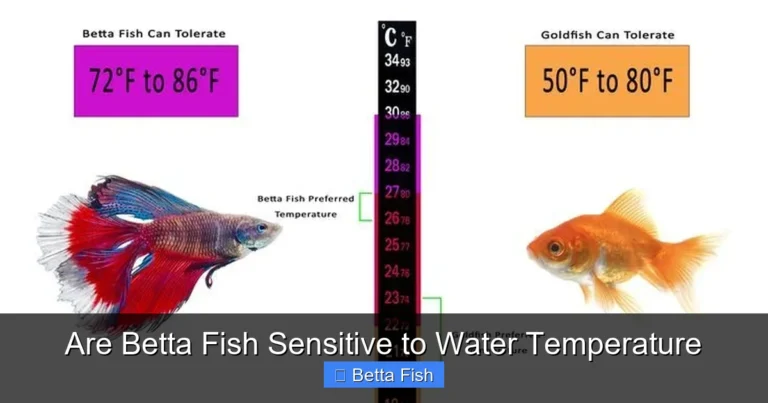
- Temperature: Between 78 and 80 degrees Fahrenheit.
- pH Level: Slightly acidic to neutral water is best.
- Filtration: Gentle filtration is preferred over strong currents.
You might wonder about equipment. Do they like air pumps? Check out do betta fish like air pump circulation for details. Too much surface disturbance can ruin a nest. Gentle circulation is key.
The Importance of Tank Size
Space matters for happiness. A cramped tank causes stress. Stress stops nest building. A larger tank allows for better water stability. It also gives the fish room to swim. Many owners ask if a specific size is best. You can read about this at do betta fish like 10 gallon tank.
A 10-gallon tank is often recommended. It provides space without being too large to maintain. Stability leads to confidence. Confidence leads to natural behaviors like nesting.
Stress Factors That Affect Bubble Nests
Stress is the enemy of bubble nests. If a fish is scared, it will not build. It will hide or stay still. This is a survival mode. We want our fish to be out of survival mode. So, while we ask do betta fish make bubble nests when they are happy, we should also ask what makes them unhappy.
Common stressors include loud noises and sudden movements. Betta fish have good hearing. They can hear music or taps on the glass. Learn more at do betta fish hear music. Keeping the environment calm is crucial.
Decorations can also cause stress. Moving things around too much confuses the fish. They like routine. Find out more at do betta fish get mad when you change their decorations. Consistency helps them feel safe.
Hiding and Resting Behaviors
Where your fish sleeps matters too. Some bettas hide under rocks. Others lay on leaves. If they hide too much, they might be stressed. You can check do betta fish hide under rocks to understand this behavior.
Resting positions are also telling. They often lay on their sides near the bottom or on plants. This is normal. But if they lay on their side at the surface gasping, that is bad. Read more at do betta fish lay on their sides. Knowing the difference saves lives.
Female Betta Fish and Bubble Nests
Most people think only males build nests. This is mostly true. Males do the heavy lifting for breeding. However, females can sometimes build small nests. This is rare but possible. If you see bubbles from a female, do not be too surprised.
You can learn about this exception at can a female betta fish make a bubble nest. It is not common, but it happens. Usually, it indicates a very healthy female. It does not mean she is ready to mate without a male.
When pairing males and females, caution is needed. They can be aggressive. You should read do betta fish kill eachother when they mate before trying breeding. Safety comes first for both fish.
Breeding Risks and Rewards
Breeding is exciting but risky. The male protects the eggs. Sometimes he might eat them if stressed. Sometimes the female might attack the male. It is a complex process. Do not breed just to see a nest. Breed only if you are prepared.
The nest is just the start. Raising fry requires extra care. Water quality must be perfect. Food must be appropriate for tiny mouths. It is a big commitment for any owner.
Quick Tips for a Happy Betta Tank
Creating a happy home is about more than bubbles. It is about overall care. Here are some quick tips to ensure your betta thrives. These steps address the root of do betta fish make bubble nests when they are happy by improving general welfare.
- Maintain Warmth: Use a heater to keep water stable.
- Clean Regularly: Change water weekly to remove toxins.
- Add Plants: Live plants provide hiding spots and oxygen.
- Avoid Overfeeding: Too much food pollutes the water.
- Dim Lighting: Bright lights can stress some fish at night.
These steps create a low-stress environment. A low-stress environment encourages natural behaviors. Natural behaviors include nesting, swimming, and exploring.
Common Mistakes to Avoid
Even well-meaning owners make mistakes. Avoid these common errors to keep your fish happy.
- Small Bowls: These are too small and dirty for long-term health.
- Cold Water: Bettas are tropical fish and need heat.
- Sharp Decor: Rough items can tear their delicate fins.
- Ignoring Signs: Lethargy or color loss needs attention.
Fixing these issues improves life quality. A better life often leads to nesting. But remember, the nest is a bonus, not the only goal.
Expert Insights on Betta Behavior
Experts agree that behavior is complex. We cannot ask the fish how they feel. We must interpret actions. A bubble nest is a strong instinct. It shows biological function. But happiness is a state of well-being.
A well-cared-for fish is more likely to express instincts. So, in a way, a nest shows the fish feels safe enough to reproduce. That is a form of contentment. But it is not the same as human happiness.
Focus on longevity and health. A fish that lives a long life is a success. Nesting is just one part of that life. Enjoy the colors and the personality. Those are the true rewards of ownership.
Key Takeaways for Owners
To wrap up this section, remember these points:
- Instinct vs Emotion: Nests are for babies, not feelings.
- Health First: A healthy fish is the happiest fish.
- Environment: Clean, warm, calm water is essential.
- Patience: Let your fish settle into their home.
By following this advice, you support their natural needs. This is the best way to care for them.
Frequently Asked Questions
Do betta fish blow bubbles when happy?
Betta fish blow bubbles primarily to build nests for breeding, not specifically when they are happy. However, a healthy and relaxed fish is more likely to engage in this behavior. You can read more about this at do betta fish blow bubbles when happy.
Do betta fish build nests at day or night?
Betta fish usually build bubble nests during the day when they are most active. They need light to see and energy to create the foam structures. Learn more about their timing at do betta fish build nests at day or night.
Do betta fish leave their eyes open when they sleep?
Yes, betta fish do not have eyelids, so they sleep with their eyes open. You can tell they are resting by their reduced movement and relaxed fins. Check out do betta fish leave there eyes open when the sleep for more details.
Do betta fish breathe when sleeping?
Yes, betta fish continue to breathe while they are sleeping. Their metabolism slows down, but they still need oxygen from the water and air. Find out more at do betta fish breathe when sleeping.
Do betta fish like acidic water?
Betta fish prefer slightly acidic to neutral water conditions. Extreme acidity can harm them, so maintaining a stable pH is important. Read more about water preferences at do betta fish like acidic water.
Do betta fish like air filters?
Betta fish can live with air filters, but they prefer gentle water flow. Strong currents from filters can stress them and destroy bubble nests. Learn about their filtration needs at do betta fish like air filters.
=== CONCLUSION ===
So, do betta fish make bubble nests when they are happy? The answer is nuanced. The nest is a sign of health and instinct, not just emotion. It shows your fish is mature and feels secure enough to breed. However, a lack of a nest does not mean your fish is unhappy.
Focus on providing the best care possible. Clean water, warm temperatures, and a spacious tank are key. Watch for active swimming and bright colors. These are the true signs of a thriving pet. Enjoy the beauty of your betta fish every day.
By understanding their needs, you build a stronger bond. Your fish will live a longer, healthier life. And who knows, you might just see those beautiful bubbles someday.