Can You Put a Plecostomus with a Betta Fish
Yes, a plecostomus can share a tank with a betta fish under the right conditions, but it isn’t a guaranteed success. Proper tank size, hiding places, and careful monitoring are essential to prevent aggression and keep both fish healthy.
Key Takeaways
- Tank size matters: A minimum of 20‑30 gallons is recommended for a betta‑pleco combo.
- Temperament varies: Not all bettas are aggressive; choose a calm male or a female betta.
- Pleco size: Young “bristlenose” plecos stay small and are safer companions than larger common plecos.
- Hiding spots are crucial: Plants, caves, and driftwood give the pleco places to retreat.
- Water parameters must match: Both species thrive in 76‑82 °F (24‑28 °C) and pH 6.5‑7.5.
- Monitor behavior daily: Early signs of stress help you act before serious injury occurs.
- Alternative algae eaters: If the pairing fails, consider a smaller algae‑eating snail or shrimp.
📑 Table of Contents
- Introduction: The Betta‑Pleco Question
- Understanding the Two Species
- Tank Requirements for a Peaceful Pair
- Choosing the Right Pleco for Your Betta
- Step‑by‑Step Guide to Introducing a Pleco to a Betta Tank
- Signs of Compatibility and Warning Signals
- Maintenance Tips for a Shared Tank
- Conclusion: Is the Betta‑Pleco Pair Worth Trying?
Introduction: The Betta‑Pleco Question
If you’ve ever stared at a sleek, orange‑finned betta and a shaggy, algae‑scrubbing plecostomus, you’ve probably wondered whether they could coexist. The idea is appealing – a vibrant betta to admire and a pleco that keeps the tank clean. Yet, mixing fish is never as simple as “nice‑to‑have.” Compatibility depends on temperament, tank size, water conditions, and even the specific species of pleco.
In this guide we’ll walk through everything you need to know before you answer the question, “Can you put a plecostomus with a betta fish?” You’ll get practical tips on tank setup, daily care, and warning signs to watch for. By the end, you’ll be able to decide if this duo is right for your aquarium or if you should look for a different algae eater.
Understanding the Two Species
Betta Fish Basics
Betta fish (Betta splendens) are native to shallow, warm waters of Thailand. Males are famous for their flamboyant fins and territorial nature, while females are generally less aggressive but still defend their space. They thrive in temperatures of 76‑82 °F (24‑28 °C) and like a slightly acidic to neutral pH (6.5‑7.5). Because they breathe air from the surface using a labyrinth organ, they can survive in smaller water volumes, but that does not mean they enjoy cramped conditions.
Plecostomus Overview
The term “plecostomus” covers many catfish species in the Loricariidae family. The most common hobbyist varieties are the common pleco (Hypostomus plecostomus) and the bristlenose pleco (Ancistrus sp.). Plecos are nocturnal, bottom‑dwelling algae eaters that love hiding among driftwood, rocks, and plants. They prefer the same temperature range as bettas but need a larger footprint because they can grow 12‑24 inches (30‑60 cm) depending on the species.
Temperament Comparison
Betta males can be fiercely territorial, especially toward fish that display bright colors or fin movement that mimics a rival. Plecos, on the other hand, are generally passive. Their armored plates and slow movements usually keep them out of betta’s line of sight. However, a curious pleco may wander into the betta’s territory, provoking a flare‑up. The key is to choose a calm betta and a pleco that stays mostly at the bottom.
Tank Requirements for a Peaceful Pair
Size and Space
While a single betta can live in a 5‑gallon tank, adding a pleco changes the equation dramatically. A minimum of 20 gallons (75 L) is recommended for a small bristlenose pleco and a male betta. If you opt for a larger common pleco, aim for 30‑40 gallons (115‑150 L) to give the catfish room to grow without crowding the betta.
Filtration and Water Flow
Plecos love well‑oxygenated water because they are active grazers. A gentle sponge filter or a low‑flow hang‑on filter works well; it won’t create a current that stresses the betta, yet it provides enough turnover for the pleco’s waste. Remember to perform weekly 25‑30% water changes to keep nitrate levels low.
Decor and Hiding Places
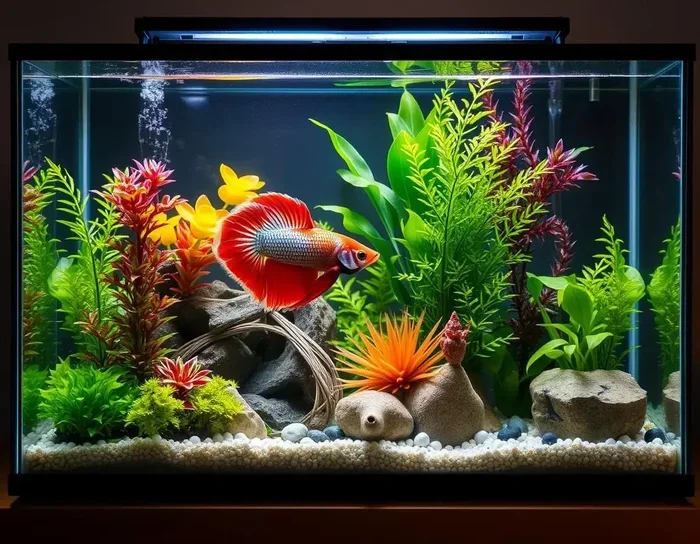
- Driftwood: Offers natural grazing surfaces for plecos and hides for the betta.
- Plants: Live plants like Java fern, Anubias, or mosses create vertical layers that break the line of sight.
- Caves and PVC tubes: Provide a secure retreat for the pleco if the betta becomes curious.
These elements not only reduce stress but also mimic the pleco’s natural habitat, encouraging it to graze on algae rather than on tank décor.
Lighting and Temperature
Both fish enjoy a moderate photoperiod of 8‑10 hours a day. Use a gentle LED fixture to avoid stressing the betta. Keep the heater set between 78‑80 °F (25‑27 °C) – a comfortable middle ground for both species.
Choosing the Right Pleco for Your Betta
Bristlenose Pleco – The Safer Betta Companion
Bristlenose plecos stay under 6 inches (15 cm) when fully grown, making them ideal for community tanks. Their “bushy” snouts also give them an endearing look. Because they are smaller, they generate less bioload, and they are less likely to outgrow a 20‑gallon tank.
Common Pleco – A Riskier Choice
Common plecos can reach 12‑24 inches (30‑60 cm) and produce a significant waste load. If you already have a large, well‑filtered aquarium, a common pleco might work, but the risk of territorial aggression from a betta increases as the pleco gets bigger and more active.
Other Algae Eaters to Consider
If you’re unsure about a pleco, other algae‑eating species such as the **Siamese algae eater** or **ninja nerite snail** are smaller and less likely to trigger betta aggression. For more on algae eaters, see our article Can You Have An Algae Eater With A Betta Fish.
Step‑by‑Step Guide to Introducing a Pleco to a Betta Tank
1. Quarantine the New Pleco
Always quarantine any new fish for at least two weeks. This prevents the introduction of parasites that could stress both the betta and the pleco.
2. Prepare a Neutral “Transition” Tank
Set up a separate 5‑gallon tank with the same temperature and pH as the main aquarium. Let the pleco acclimate here for 24‑48 hours.
3. Use the “Bag Float” Method
When moving the pleco to the betta’s tank, float the sealed bag in the aquarium for 15‑20 minutes to equalize temperature. Then slowly add small amounts of tank water to the bag over another 15 minutes.
4. Release Gently Near a Hiding Spot
Place the pleco at the base of a driftwood piece or inside a cave. This gives it an immediate refuge and reduces the chance of a direct encounter with the betta.
5. Observe for 48‑72 Hours
Watch the betta’s behavior. A few flares are normal, but constant chasing, nipping, or loss of color indicates incompatibility.
6. Adjust as Needed
If aggression persists, consider adding more décor, moving the pleco to the opposite side of the tank, or, as a last resort, rehoming one of the fish.
Signs of Compatibility and Warning Signals
Positive Indicators
- The betta remains relaxed, displays normal colors, and does not constantly flare.
- The pleco is actively grazing on algae and using hiding spots without stress.
- Both fish eat well and show normal growth.
Red Flags
- Frequent chases, fin nipping, or torn fins on either fish.
- Loss of appetite or hiding for prolonged periods.
- Visible stress marks such as white‑spot disease or fungal growth.
If you notice any of these issues, separate the fish immediately to prevent injury. For more on general fish compatibility, read Can You Put A Betta With Other Fish.
Maintenance Tips for a Shared Tank
Feeding Both Species
Feed the betta high‑quality pellets or frozen foods once or twice daily. Offer the pleco sinking algae wafers or fresh vegetables (zucchini, cucumber) a few times a week. Avoid over‑feeding; excess food fuels algae and can cloud the water.
Cleaning and Water Changes
Perform a 25‑30% water change weekly. Use a siphon to clean the substrate, but be careful not to disturb the pleco’s hiding spots. Spot‑clean any algae growth on the glass to keep the pleco’s grazing area limited to natural surfaces.
Health Checks
Inspect both fish weekly for signs of disease. Check the pleco’s gill covers for slime and the betta’s fins for ragged edges. Early detection makes treatment easier.
Conclusion: Is the Betta‑Pleco Pair Worth Trying?
Putting a plecostomus with a betta fish can work, but it requires thoughtful planning, a suitably sized tank, and vigilant observation. A small bristlenose pleco in a 20‑gallon aquarium gives the best chance of success, while larger common plecos often outgrow the space and increase aggression risk. If you’re prepared to invest in proper décor, filtration, and daily monitoring, the combination can provide a vibrant, low‑maintenance community tank. If not, there are plenty of other peaceful tank mates—such as snails, shrimp, or smaller algae eaters—that will coexist happily with your betta.
Frequently Asked Questions
Can a male betta live with a plecostomus?
Yes, a calm male betta can live with a small bristlenose pleco in a well‑planted, 20‑gallon tank, but you must watch for any signs of aggression.
Do plecostomus need a heated tank?
Plecos thrive in temperatures between 76‑82 °F, which matches the betta’s preferred range, so a single heater works for both.
How often should I feed a plecostomus?
Feed algae wafers or vegetables 2‑3 times a week; over‑feeding can cause water quality problems.
What size pleco is safe for a betta tank?
A bristlenose pleco that stays under 6 inches is the safest choice for a community tank with a betta.
Can I keep a pleco with other community fish besides bettas?
Yes, plecos do well with peaceful schooling fish like neon tetras or guppies, provided the tank is large enough and has plenty of hiding places.
What should I do if my betta attacks the pleco?
Immediately separate the fish. Increase décor, provide more hiding spots, or consider rehoming one of the species if aggression continues.