Which Betta Fish Lives the Longest
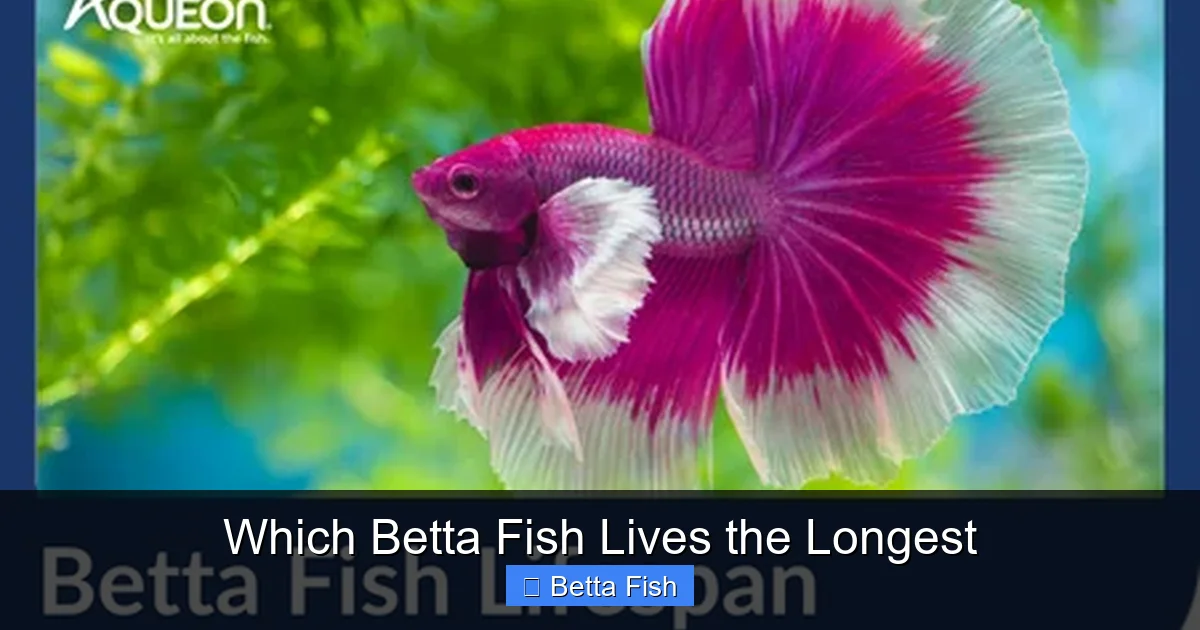
While the average betta fish lives 2-4 years, certain varieties and exceptional care can extend their lifespan to 5-7+ years. The longest-lived bettas are typically robust wild-types or well-bred Plakats, but genetics alone aren’t enough. Ultimately, a betta’s longevity hinges on three pillars: superior genetics from a reputable source, a spacious and stable aquatic environment, and a balanced, nutritious diet. By focusing on these areas, you can give your betta the best chance at a long, vibrant life.
Key Takeaways
- Genetics are the foundation: A betta’s potential lifespan is set by its genes. Wild-caught or responsibly bred “wild-type” and Plakat bettas often have stronger genetic lines than extreme show varieties like the large-finned Halfmoon.
- Environment is non-negotiable: A properly cycled 5+ gallon tank with a heater, filter, and regular water changes is the single most important factor in determining how long a betta fish lives, far outweighing its specific variety.
- Diet directly impacts vitality: High-quality, protein-rich pellets supplemented with occasional frozen or live foods build a strong immune system and prevent common diseases that shorten life.
- Stress is the silent killer: Poor water quality, incompatible tank mates, loud vibrations, and improper temperatures create chronic stress that suppresses the immune system and leads to premature death.
- There’s no “magic” variety: While some types have genetic advantages, any betta—male, female, Halfmoon, or Crowntail—can live a long life with meticulous, species-appropriate care.
- Pet store bettas often have a disadvantage: Bettas from large retailers frequently endure poor conditions and inbreeding, giving them a shorter starting lifespan than those from dedicated, ethical breeders.
- Proactive care beats reactive treatment: Observing your betta daily for subtle changes in behavior or appearance and maintaining pristine water is more effective than trying to cure a serious illness once it develops.
📑 Table of Contents
- The Myth and Reality of Betta Fish Lifespan
- The Genetic Lottery: Comparing Betta Varieties
- The Environmental Imperative: Creating a Forever Home
- Nutrition: Building a Strong Foundation from the Inside
- Dispelling the Longevity Myths
- The Blueprint for a 5+ Year Betta
- The Final Fin: A Commitment to Years, Not Months
The Myth and Reality of Betta Fish Lifespan
You’ve probably heard it: “Betta fish only live a year or two.” Maybe you had a betta as a kid that seemed to pop its clogs after a few months in a tiny, decorative vase. That unfortunate experience has cemented a reputation for the Siamese fighting fish as a disposable pet. But here’s the truth they don’t tell you in the pet store brochure: with the right care, a betta fish can be a companion for half a decade or even longer. The question “which betta fish lives the longest?” isn’t about finding a mythical, immortal variety. It’s a window into understanding the intricate dance between genetics, environment, and dedicated husbandry. This article will dismantle the myths, compare the different types of bettas, and give you the concrete, actionable blueprint to not just keep your betta alive, but to help it thrive for years to come.
Setting the Baseline: What’s “Normal”?
Let’s establish a realistic playing field. The oft-cited average lifespan for a betta fish (Betta splendens) is 2 to 4 years. This number is a statistical average, heavily weighted by the millions of bettas sold in tiny cups and bowls with no heating or filtration. In those conditions, a year is a good run. However, when provided with proper care—a heated, filtered tank of appropriate size, a nutritious diet, and low stress—the baseline shifts dramatically. Under these ideal circumstances, a 4 or 5-year-old betta is no longer a senior; it’s simply a well-cared-for adult. Reports of bettas living 6, 7, and even 9 years are not internet folklore; they are the documented results of enthusiasts who treat their betta not as a decoration, but as a living, feeling creature with specific needs. So, when we ask which lives longest, we’re really asking: which betta has the best genetic starting point and the most resilient biology to withstand the occasional slip in care, and how can we optimize that environment for any betta we choose?
The Genetic Lottery: Comparing Betta Varieties
Not all bettas are built the same. Centuries of selective breeding for color, fin length, and aggression have created distinct branches within the species. These branches often come with trade-offs, particularly between extreme ornamental traits and hardiness. Understanding these genetic lines is the first step in answering our core question.
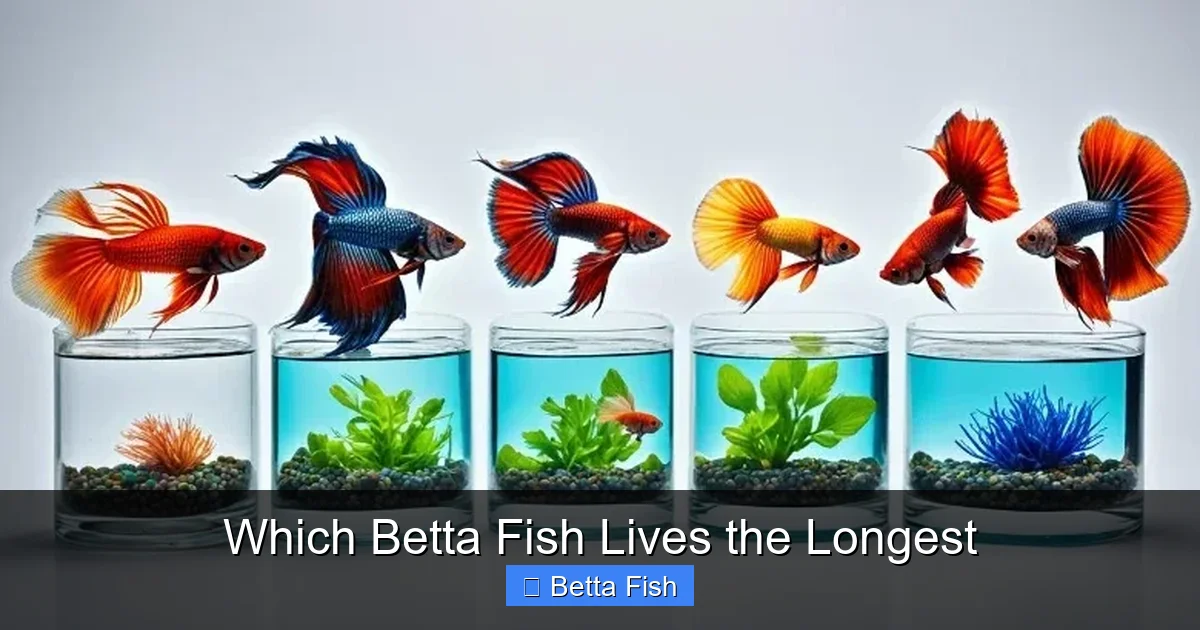
Visual guide about Which Betta Fish Lives the Longest
Image source: qwikbetta.com
Wild-Type and Plakat (PK) Bettas: The Endurance Athletes
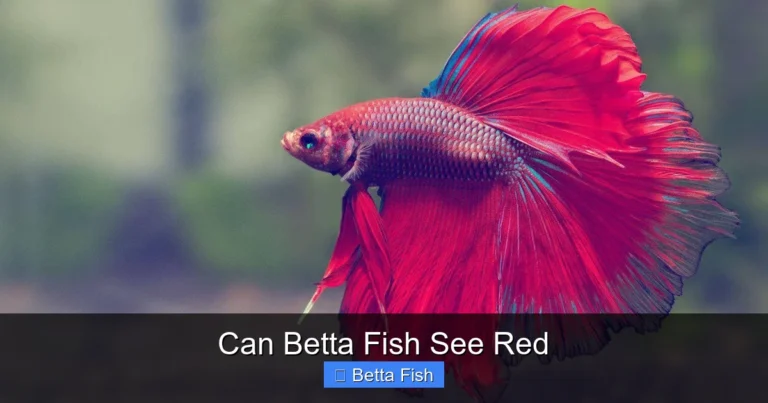
If you’re looking for the genetic blueprint for longevity, look to the wild. Wild-type bettas (often sold as “Native” or “Wild” bettas) retain the short, sturdy fins and aggressive, intelligent temperament of their ancestors from the rice paddies of Thailand. Their bodies are built for survival: compact, powerful swimmers with less fin surface area to tear or develop issues like fin rot. Similarly, the Plakat (PK) is the domesticated cousin of the wild type. Bred for fighting (and now for beauty within short-fin standards), Plakats have a robust, muscular body and short, thick fins that are less prone to damage and infection. Both types are generally considered the hardiest and most active of all betta varieties. Their genetics prioritize function over flash, resulting in a stronger immune system and a higher tolerance for minor water parameter fluctuations. An owner of a healthy Plakat or wild-type often remarks on their betta’s boundless energy, curiosity, and apparent resilience. For a betta with the highest genetic potential to live a long life, these are your top contenders.
The Showstoppers: Halfmoon, Rosetail, and Giant Bettas
Then we have the glamour queens and kings of the betta world: the Halfmoon (HM), with its spectacular 180-degree tail flare, and its more extreme relatives like the Rosetail (with extra, overlapping rays) and Deltas. These fish are breathtaking. But that magnificent fin comes at a cost. Those long, flowing, delicate rays are prone to tearing on tank decor, getting caught in filters, and succumbing to fin rot more easily. The breeding focus on maximal fin size has, in many lines, come at the expense of body robustness and immune competence. It’s not that Halfmoons can’t live long lives—they absolutely can with pristine care—but they often start life with a genetic predisposition to fin and immune system issues. Giant bettas, bred for their massive size (often 3-4 inches vs. the standard 2-2.5), present another set of considerations. Their large bodies can put more strain on their organs, and they often have higher metabolic demands, requiring more food and potentially more pristine water to thrive into old age. They are stunning but may have a slightly more fragile constitution.
Gender Matters: Males vs. Females
There’s a persistent belief that female bettas live longer than males. The reasoning often points to the male’s famously large, flowing fins being more cumbersome and stressful. While it’s true that males of the show varieties can expend more energy maintaining their fins and are more prone to fin-related injuries, the difference in lifespan is not a hard and fast rule. A well-cared-for male Halfmoon in a spacious, plant-filled tank with no sharp edges can live just as long as a female. Conversely, a stressed female in poor water will not outlive him. The key differentiator is not gender itself, but the type of finnage. A female Halfmoon (which is less common) still has large fins. A female Plakat has the same hardy, short finnage as a male Plakat. So, when comparing, it’s more accurate to compare a long-finned male to a long-finned female, and a short-finned male to a short-finned female.
The Source is Everything: Breeder vs. Big Box Store
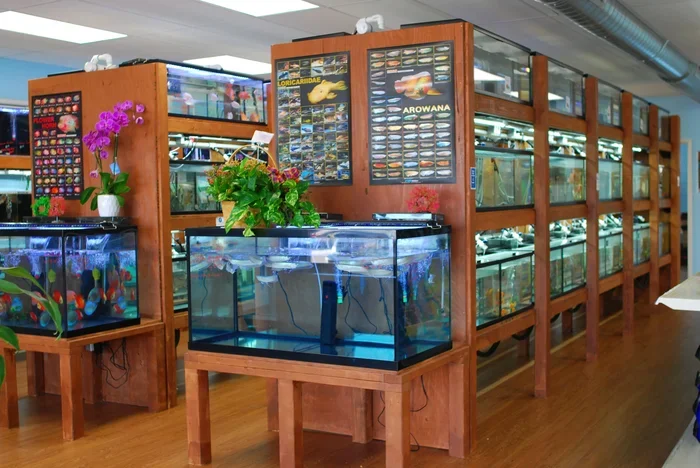
This might be the most critical genetic factor of all. Where your betta comes from dramatically impacts its lifespan potential. Mass-produced bettas from large chain pet stores often come from huge, commercial farms in Southeast Asia. The breeding focus is on maximum color and finnage for visual appeal, with less regard for long-term health and genetic diversity. These fish endure brutal shipping conditions (often in small, cold cups for days) before arriving at the store, where they may sit in tiny, dirty display cups for weeks. This entire process is a massive stressor that can weaken their immune system permanently. In contrast, a betta from a reputable, ethical breeder is a different animal. These breeders prioritize health, temperament, and genetic vigor. Their fish are raised in proper setups, fed high-quality food, and are only shipped under controlled, healthy conditions. You are paying for a stronger genetic foundation and a fish that hasn’t had its lifespan permanently compromised before you even bring it home. For the absolute best chance at a long-lived betta, seek out a specialized breeder or a high-quality local fish store (LFS) that sources from them.
The Environmental Imperative: Creating a Forever Home
Genetics load the gun, but environment pulls the trigger. You could have a betta with the genetic longevity of a Galápagos tortoise, but if you keep it in a dirty, cold, tiny bowl, it will die young. Conversely, you can take a betta from a less robust line and give it the best possible environment, and it may surprise you with its resilience. This is the area where you have the most control, and it is absolutely paramount.
Visual guide about Which Betta Fish Lives the Longest
Image source: diyseattle.com
Tank Size: It’s Not “Just a Fish”
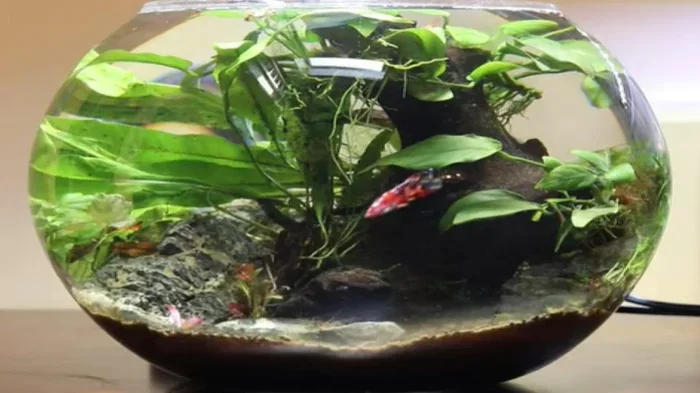
The “betta in a vase” myth is perhaps the most damaging. Bettas are not plants. They are active, intelligent fish that need space. A minimum of 5 gallons is the universally accepted standard among serious betta keepers for a single betta. Why? Because water volume is stability. In a 1-gallon bowl, a single serving of food can foul the entire water column in hours, and temperature swings are drastic. In a 5-gallon tank, those same toxins are diluted, and temperature is more stable. More space also means you can create a proper ecosystem with plants (live or silk), hiding spots, and gentle filtration—all of which reduce stress. A stressed betta is a sick betta. A 5-gallon tank isn’t a luxury; it’s the baseline for ethical care and a long life. Larger is always better if you have the space.
Heating and Filtration: The Non-Negotiables
Heat: Bettas are tropical fish. Their ideal temperature range is 78-80°F (25.5-26.5°C). A consistent temperature in this range is crucial for their metabolism, immune function, and digestion. A small, adjustable aquarium heater is mandatory for any tank under ~10 gallons in a typical room. Cold water (< 74°F) slows their metabolism, makes them lethargic, and suppresses their immune system, making them susceptible to diseases like Ich and velvet, which can be fatal.
Filtration: A common misconception is that a betta’s labyrinth organ allows it to breathe air, so it doesn’t need a filter. This is dangerously false. The labyrinth organ is a supplement for oxygen-poor water, not a replacement for clean water. A gentle filter (like a sponge filter or a hang-on-back with a flow adjuster) does three vital things: it houses beneficial bacteria that process toxic ammonia and nitrite, it physically removes debris, and it oxygenates the water. A cycled filter is the heart of a healthy nitrogen cycle, without which your betta will slowly poison itself with its own waste. “Water changes only” is not a sustainable long-term strategy for a bioactive system.
Water Quality: The Invisible Lifeline
This is where most beginners fail. You cannot see ammonia, nitrite, or nitrate. You must test your water. A liquid test kit (like the API Freshwater Master Test Kit) is a must-have tool. The goal is to establish a fully cycled tank before adding your betta. The nitrogen cycle is the process where beneficial bacteria colonize your filter and substrate, converting deadly ammonia (from fish waste) to nitrite (also deadly) and finally to nitrate (much less toxic, removed by water changes). A cycled tank has 0 ppm ammonia and 0 ppm nitrite, with nitrate kept below 20 ppm via weekly water changes. For a 5-gallon tank, a 25-50% weekly water change with a gravel vacuum is standard practice. Using a water conditioner (like Seachem Prime) to detoxify tap water chlorine/chloramine is also essential. Consistent, high water quality is the #1 preventative medicine you can provide.
Decor and Tank Mates: Safety and Stimulation
Your betta’s tank should be a sanctuary, not an obstacle course. Avoid any decor with sharp edges or rough textures that can tear those precious fins. Use smooth-leafed silk plants or live plants like Java fern, Anubias, or Marimo moss balls. Provide hiding spots—caves, PVC pipes, or dense plant thickets—so your betta can retreat and feel secure. A stressed betta that has no place to hide is a chronically stressed betta. Regarding tank mates: the rule is “nothing that nip fins or compete for the surface.” Good candidates include small, peaceful schooling fish like ember tetras or harlequin rasboras (in a properly sized, heavily planted tank), or invertebrates like Amano shrimp or nerite snails. Never house two male bettas together (they will fight to the death), and be extremely cautious with female bettas (sororities require expert-level setup and monitoring). For maximum lifespan simplicity, a single betta in a species-only tank is the safest, least stressful option.
Nutrition: Building a Strong Foundation from the Inside
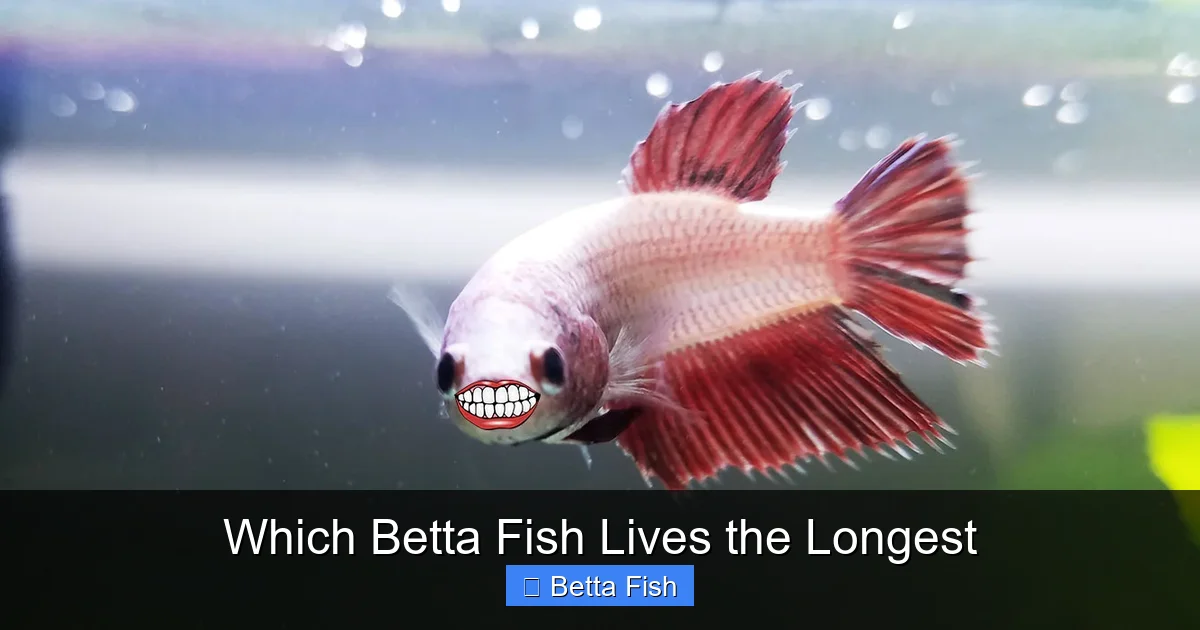
You are what you eat, and that holds true for fish. A poor diet leads to poor health, constipation, swim bladder issues, and a weakened immune system. Feeding your betta correctly is a daily investment in its longevity.
Visual guide about Which Betta Fish Lives the Longest
Image source: bettafish.org
The Pellet Principle: Quality Over Quantity
High-quality betta pellets should be the staple of your betta’s diet. Look for pellets where the first few ingredients are whole fish or seafood (like salmon, shrimp, krill), not fillers like wheat flour or soybean meal. Brands like New Life Spectrum OPTI-BETTA, Hikari Betta Bio-Gold, or Bug Bites are excellent choices. These pellets are formulated to provide complete nutrition. Feed only what your betta can consume in 2-3 minutes, once or twice a day. A common mistake is overfeeding, which fouls water and leads to obesity and constipation. A betta’s stomach is roughly the size of its eye—that’s a useful visual guide. One or two pellets per feeding for a small betta, three or four for a larger one, is often sufficient.
The Importance of Dietary Variety
Just as you wouldn’t eat only cereal every day, your betta needs variety. Supplement its pellet diet 2-3 times a week with high-protein, low-fat treats. The best options are:
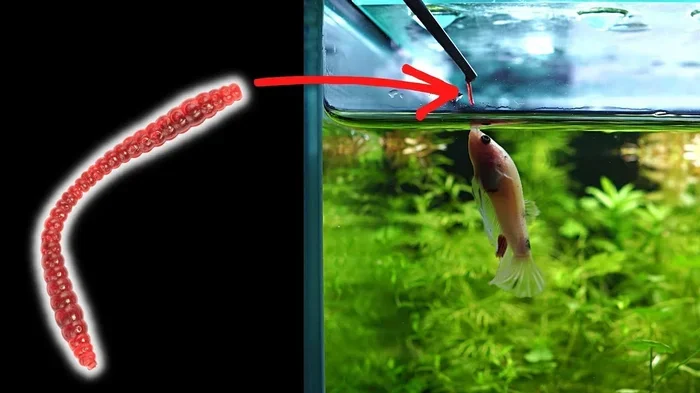
- Frozen Foods: Bloodworms, brine shrimp, and daphnia are perfect. They are high in protein and easy to digest. Thaw a small cube in a dish of tank water and offer a few morsels.
- Live Foods: Daphnia and microworms are excellent. They provide mental stimulation as the betta hunts and are packed with nutrients. (Only source from a trusted, clean culture to avoid introducing parasites).
- Blanched Vegetables: For fiber and to aid digestion, a tiny piece of blanched zucchini or a skinned pea (halved) once a week can help prevent constipation, a common issue.
This variety mimics a natural diet, provides different nutrients, and keeps your betta interested in its food.
Foods to Avoid
Steer clear of generic “tropical fish” flakes—betta will often not eat them, and they dissolve and foul water quickly. Avoid foods with excessive plant-based fillers. Never feed your betta mammalian meat like beef or chicken—its digestive system cannot process the fats and proteins properly, leading to serious health issues. And, of course, no bread or human food scraps.
Dispelling the Longevity Myths
The betta world is rife with misinformation that directly impacts how long owners expect their fish to live and, consequently, how they care for it. Let’s clear the air.
Myth 1: “Bettas Can Live in Bowls or Vases.”
This is the granddaddy of all myths, born from marketing ploys. A bowl is an ecological death sentence. It has no filtration, no heater, and minimal water volume. The water quality plummets within days, temperature swings are severe, and there is zero enrichment. A betta in a bowl is on a fast track to a short, stressful life. It might survive a year, but it will not thrive. The “plant roots purify the water” idea is false; the plant itself is producing waste and consuming oxygen at night.
Myth 2: ” Bettas Only Live a Year, So Why Bother?”
As established, this is a self-fulfilling prophecy caused by poor care. The potential lifespan is 5+ years. Believing the one-year myth sets an incredibly low bar and excuses inadequate setup and maintenance. Changing this mindset is the first step toward becoming a responsible, long-term betta keeper.
Myth 3: “Wild Bettas Live Longer Than Captive Ones.”
This is a tricky one. In their natural habitat, wild bettas face predators, habitat destruction, drought, and pollution. Their average lifespan in the wild is likely shorter than a well-cared-for captive betta. The advantage of a wild-type or responsibly bred captive betta is its genetic hardiness, which makes it more likely to reach its full genetic potential in captivity. But the controlled, predator-free, consistently fed environment of a good aquarium is inherently safer than the wild.
Myth 4: “Bigger Fins Mean a More Fragile, Shorter Life.”
While it’s true that extreme finnage like Rosetails is more prone to injury, this is an environmental management issue, not an absolute lifespan sentence. A Halfmoon in a tank with no sharp plants, a gentle filter intake covered with a sponge, and excellent water quality can live just as long as a Plakat. The fin type itself doesn’t dictate a fixed lifespan; it dictates the to prevent fin-related complications. A neglected Halfmoon will have a much shorter life than a well-maintained one.
The Blueprint for a 5+ Year Betta
Putting it all together, here is your actionable plan to maximize the lifespan of whichever betta you choose.
Step 1: Choose Wisely
Prioritize a reputable source. Seek a local betta breeder or a high-quality local fish store. If buying online, research the breeder extensively. Look for bettas that are active, alert, and have undamaged, flowing fins. Consider a Plakat or wild-type for the hardiest start, but don’t discount a Halfmoon if you’re prepared to manage its needs.
Step 2: Set Up for Success Before You Buy
Do not buy the betta first. Set up and fully cycle the tank weeks in advance. This means: add substrate, decor, water (treated with conditioner), the filter, and the heater. Add a source of ammonia (pure ammonia or a bacteria starter) and test the water daily until you see ammonia -> nitrite -> nitrate, and then 0/0/<10. This establishes the beneficial bacteria colony. Only when the cycle is complete should you acclimate your new betta.
Step 3: Master the Daily and Weekly Routine
- Daily: Check your betta’s behavior. Is it active? Eating? Any changes? Look for signs of illness: clamped fins, lethargy, white spots (Ich), gold dust (Velvet), torn or rotting fins. Observe its gills for rapid movement (a sign of poor water quality or disease).
- Weekly: Test your water parameters (ammonia, nitrite, nitrate, pH). Perform a 25-50% water change with a gravel vacuum to remove detritus. Clean the filter media (rinse in old tank water, not tap water, to preserve bacteria). Trim any dying plant leaves. Wipe the glass.
Step 4: Feed a Premium, Varied Diet
Stick to high-quality pellets as a base. Supplement 2-3x weekly with frozen daphnia or bloodworms. Fast your betta one day a week to aid digestion. Remove any uneaten food after 5 minutes. Watch for signs of constipation (swollen abdomen, difficulty swimming) and adjust diet with blanched peas if needed.
Step 5: Provide Enrichment
A bored betta is a stressed betta. Use a mirror for a few minutes a day to let it “flare” (a natural exercise, but don’t overdo it). Use a pipette to target-feed. Rearrange plants/decor occasionally (in a separate container) to give it a “new” environment to explore. A curious betta is a healthy betta.
The Final Fin: A Commitment to Years, Not Months
So, which betta fish lives the longest? The answer is a combination: a genetically robust Plakat or wild-type from an ethical breeder, raised in a properly cycled, heated, and filtered 5+ gallon tank, fed a high-quality varied diet, and observed daily by a dedicated keeper. But the most important takeaway is this: any betta has the potential for a long life if given the chance. The “which” matters far less than the “how.” The betta you bring home from the store today, regardless of its fin type, has the genetic potential to live 5 years. The limiting factor will almost certainly be the environment you provide. By shattering the myths of the bowl and the one-year lifespan, you are not just choosing a pet; you are making a 5-year (or more) commitment to a living being. You are choosing to be the architect of its long, healthy, and vibrant life. The next time you see a betta, don’t see a disposable decoration. See a resilient, intelligent survivor waiting for the chance to show you just how long and beautifully it can live.
Frequently Asked Questions
Do male or female betta fish live longer?
There is no definitive scientific proof that one gender consistently outlives the other. Any perceived difference is usually due to the fact that male bettas of show varieties (like Halfmoons) have larger, more delicate fins that can be more prone to injury and stress. A female Plakat and a male Plakat, with their similar robust bodies, have comparable longevity potential. Lifespan is determined far more by genetics, overall care, and fin type than by gender alone.
Does tank size really affect a betta’s lifespan that much?
Absolutely, and it’s one of the most critical factors. A larger tank (minimum 5 gallons) provides water volume that dilutes toxins, stabilizes temperature, and reduces stress. It allows for proper cycling with a filter, which is essential for maintaining water quality over the long term. A betta in a 1-gallon bowl lives in a constantly fluctuating, polluted environment that will inevitably shorten its life, regardless of its genetics.
How can I tell if my betta is getting old?
Bettas don’t have a dramatic “old age” like mammals. Signs of a senior betta (typically 4+ years) include: decreased activity and curiosity, spending more time resting on the bottom or a plant, faded or duller colors, slightly less frequent eating, and fins that may become a bit more ragged or slower to recover from minor damage. These are gradual changes, not sudden decline. Excellent water quality and diet can help slow these aging processes.
Do wild betta fish live longer than pet bettas?
In their natural habitat, wild bettas face countless threats like predators, habitat loss, pollution, and drought, so their average lifespan in the wild is likely shorter than a well-cared-for captive betta. However, the genetic hardiness of true wild-types or well-bred “wild-type” captive lines means they are often more resilient to disease and poor water conditions than extreme captive-bred varieties, allowing them to more easily reach their full 5-7 year potential in a good aquarium.
Can a betta from a pet store live as long as one from a breeder?
It’s possible, but the odds are stacked against it. Pet store bettas often endure stressful shipping, poor in-store care, and come from breeding lines focused on appearance over long-term health. A betta from an ethical breeder is selected for vigor, raised in optimal conditions, and starts life with a much stronger genetic and physical foundation. For the highest chance of maximum longevity, sourcing from a reputable breeder is the superior choice.
What is the absolute maximum lifespan recorded for a betta fish?
There are well-documented, credible reports of bettas living between 7 and 9 years. These exceptional cases always share common threads: the fish was a hardy variety like a Plakat or wild-type, it was acquired from a quality source, and it was kept in a meticulously maintained, spacious, heated, and filtered tank with an excellent diet. While 9 years is an outlier, a lifespan of 5-7 years is an achievable and realistic goal for any dedicated keeper providing top-tier care.