How to Preserve Betta Fish Bones
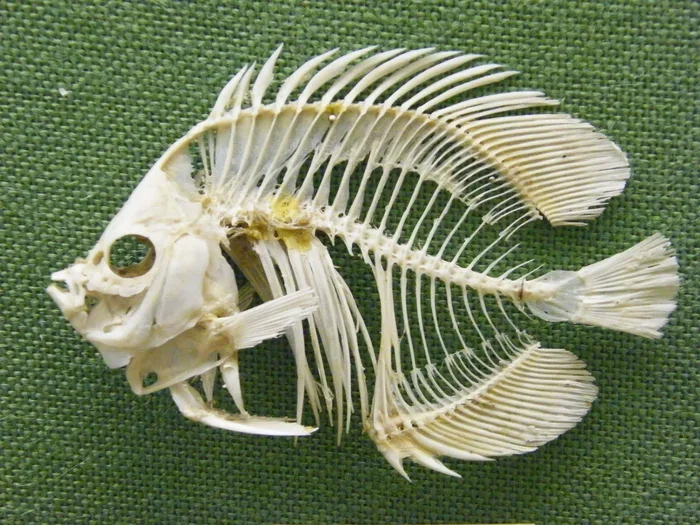
Preserving betta fish bones is a meaningful way to honor your pet after they pass. This guide walks you through every step, from gentle cleaning to proper storage. You will learn safe methods that keep bones intact and free from decay.
Losing a betta fish is never easy. These little creatures bring so much joy and color to our lives. When they pass away, many owners want to keep something meaningful. Preserving betta fish bones is one way to hold onto that memory. It might sound unusual, but the process is simpler than you think. With the right steps, you can keep your betta’s remains safe and clean for years to come.
Before you start, it helps to understand what you are working with. Betta fish bones are small and delicate. They can break easily if handled roughly. The goal is to clean them gently and let them dry naturally. This guide will show you exactly how to do that. You will also learn common mistakes to avoid and tips for long-term storage.
Whether you want a keepsake or simply wish to handle the remains respectfully, this article has you covered. Let us walk through the process together. By the end, you will feel confident and ready to preserve your betta fish bones at home.
Key Takeaways
- Start with proper removal: Handle your betta fish remains gently and carefully to avoid damaging fragile bones.
- Use natural cleaning methods: Water and air drying are the safest ways to clean and preserve bones without chemicals.
- Storage matters: Keep preserved bones in a dry, cool place away from moisture and direct sunlight.
- Patience is key: The full drying process can take several weeks, so resist the urge to rush it.
- Know when to seek help: If bones are too fragile or decayed, consult a taxidermist or veterinarian for guidance.
📑 Table of Contents
Why People Preserve Betta Fish Bones
There are many reasons someone might want to preserve their betta fish bones. For some, it is about memorializing a beloved pet. For others, it is a learning experience about fish anatomy. Whatever your reason, the process is the same. Understanding your motivation can help you stay patient during the process.
Some people keep bones as a personal tribute. Others use them for educational purposes. Children especially enjoy learning about fish skeletons. No matter the reason, preserving bones is a respectful way to say goodbye. It also connects you to the natural cycle of life in a tangible way.
Honoring Your Pet
Betta fish are more than just pets. They become part of the family. When a betta passes, the grief can feel real and deep. Preserving the bones gives you something physical to hold onto. It is a quiet tribute that many owners find comforting. The small skeleton reminds you of the life and personality your fish had.
Educational Value
Betta fish skeletons are fascinating. They show how these beautiful creatures are built. Teachers and students alike can learn from preserved specimens. The bones reveal the structure of a fish’s body. You can see how the spine, ribs, and jaw work together. It is a hands-on way to explore biology without needing a lab.
What You Will Need
Gathering your supplies before you start makes the process much smoother. You do not need anything fancy. Most items are already in your home. Here is a simple list of what you will need.
- A small container or jar with a lid
- Distilled or bottled water
- A soft toothbrush or small brush
- Paper towels or a clean cloth
- A flat tray or plate
- A warm, dry area with good airflow
- Tweezers for handling small bones
Using distilled water is important. Tap water contains chlorine and minerals that can damage bones over time. If you are not sure about your water quality, How To Use Tap Water Conditioner For Betta Fish can help you understand what is in your tap water and why it matters for fish care overall.
Step-by-Step Guide to Preserving Betta Fish Bones
The preservation process is straightforward. It does take time, but each step is simple. Follow these instructions carefully for the best results.
Step 1: Handle the Remains Gently
As soon as your betta fish passes, handle the body with care. Use clean hands or soft tweezers. Avoid pulling or tugging on any part of the body. Rough handling can break fragile bones before you even start. Place the fish in a clean container with a small amount of water if needed.
If the fish has been dead for a while, examine the body carefully. Look for any signs of decay or soft tissue remaining. The less soft tissue on the bones, the easier the cleaning process will be. If you are unsure how to handle the remains respectfully, check out How To Safely Dispose Of A Dead Betta Fish for guidance on proper handling.
Step 2: Remove Soft Tissue
This is the most important step. Soft tissue left on bones will cause decay and odor. Use a soft toothbrush to gently scrub away any remaining flesh. Work slowly and carefully. Do not press too hard or you might damage the bones.
You can also let nature do the work. Place the fish in a container with a small amount of water and let it sit for a few days. Natural decomposition will soften the tissue. This method is slower but very gentle on the bones. Just make sure the container is covered to prevent insects or debris from getting in.
Step 3: Rinse the Bones Thoroughly
Once all soft tissue is removed, rinse the bones under cool running water. Use your fingers or a soft brush to remove any remaining debris. Be gentle. Betta fish bones are tiny and can crumble if handled too roughly.
Rinse until the water runs clear. This tells you that most loose material has been removed. Pat the bones dry with a paper towel before moving to the next step.
Step 4: Air Dry the Bones
Place the rinsed bones on a clean tray or plate. Spread them out so they do not touch each other. Put the tray in a warm, dry area with good airflow. A room with a fan works well. Avoid direct sunlight, which can make bones brittle and fade any natural color.
The drying process takes time. Depending on the size of the fish, it can take anywhere from one to three weeks. Check on the bones every few days. If any feel damp or flexible, they are not ready yet. Let them continue drying until they feel completely hard and light.
Step 5: Store the Preserved Bones
Once the bones are fully dry, they are ready for storage. Place them in a small container with a tight-fitting lid. A glass jar works great. You can arrange the bones in a natural position or keep them separated for easy viewing.
Add a small packet of silica gel to the container. This absorbs any moisture and prevents mold growth. Store the jar in a cool, dry place. Avoid bathrooms or areas with high humidity. With proper storage, preserved betta fish bones can last for many years.
Common Mistakes to Avoid
Preserving bones is a delicate process. Small mistakes can ruin the outcome. Here are the most common errors people make and how to avoid them.
- Rushing the drying process: Heat or forced drying can crack and warp bones. Let nature take its course.
- Using harsh chemicals: Bleach or strong cleaners will damage bone structure. Stick to water and gentle brushing.
- Handling bones too roughly: Betta fish bones are very fragile. Always use soft tools and a gentle touch.
- Storing bones in a damp area: Moisture is the enemy of preserved bones. Always choose a dry storage spot.
- Skipping the rinsing step: leftover tissue will cause odor and attract pests. Rinse until the water runs completely clear.
Avoiding these mistakes will save you a lot of frustration. Patience and gentle handling are the keys to success.
Tips for Long-Term Preservation
Once your betta fish bones are preserved, you want them to last. A few simple habits will keep them in great condition for years.
- Check the storage container monthly. Look for any signs of moisture or mold.
- Replace silica gel packets every few months to maintain dryness.
- Avoid moving the container too often. Vibrations can cause fragile bones to shift and break.
- Keep the container out of direct sunlight. UV rays can weaken and discolor bones over time.
- Label the container with the date and your betta fish’s name if you wish.
If you ever notice any cracks or damage, you can carefully repair bones with a tiny drop of clear glue. Use tweezers to place the bone back in position and let it dry completely before returning it to storage.
Proper care for your betta fish during its life also affects the quality of the bones after passing. How To Properly Take Care Of Betta Fish ensures your fish stays healthy, which means stronger bones and a better preservation outcome when the time comes.
When to Seek Professional Help
Sometimes bones are too damaged or decayed to preserve at home. This is okay. Not every situation will work perfectly. If the fish passed away from illness or severe decomposition, the bones may be too fragile. In these cases, a professional can help.
Taxidermists and veterinary specialists have experience with bone preservation. They use advanced techniques that can save even damaged specimens. Do not feel discouraged if your first attempt does not go perfectly. Learning takes practice, and each experience teaches you something new.
Conclusion
Preserving betta fish bones is a thoughtful and meaningful process. It allows you to keep a lasting memory of your beloved pet. The steps are simple, but they require patience and gentle hands. From careful removal to thorough drying and proper storage, each stage matters. Avoid common mistakes, follow the guide, and you will have a beautiful preserved skeleton to treasure.
Remember, this is a personal journey. There is no right or wrong way to honor your fish. Whether you keep the bones as a keepsake or use them for learning, the effort shows love and respect. Take your time, enjoy the process, and create something lasting from the bond you shared with your betta fish.
Frequently Asked Questions
How long does it take to preserve betta fish bones?
The full process usually takes two to four weeks. The drying phase alone can take one to three weeks depending on the environment. Humidity and temperature both affect drying time. Patience is the most important ingredient in this process.
Can I use bleach to clean betta fish bones?
No, bleach is too harsh and will damage the bone structure. It can also leave chemical residues that cause odor over time. Stick to gentle brushing with water and a soft toothbrush for the safest results.
Is it safe to handle betta fish bones with bare hands?
Yes, it is safe once the bones are fully cleaned and dried. However, always wash your hands before and after handling. If the fish passed from disease, wear gloves during the cleaning process to stay protected.
Can I preserve bones from a betta fish that died of illness?
You can, but the bones may be more fragile. Illness can weaken bone structure before death. Handle with extra care and consider consulting a professional if the bones feel too soft or crumble easily.
What is the best container for storing preserved betta fish bones?
A glass jar with a tight-fitting lid works best. Glass does not absorb moisture or odors. Add a small silica gel packet to keep the inside dry. Store the jar in a cool, dark place away from direct sunlight.
How do I know if the bones are fully dry?
Fully dried bones feel hard, light, and brittle. If any bone feels flexible or damp, it needs more time. Check each bone individually. Once every bone passes the hardness test, they are ready for storage.