Can Betta Fish Live with Minnows
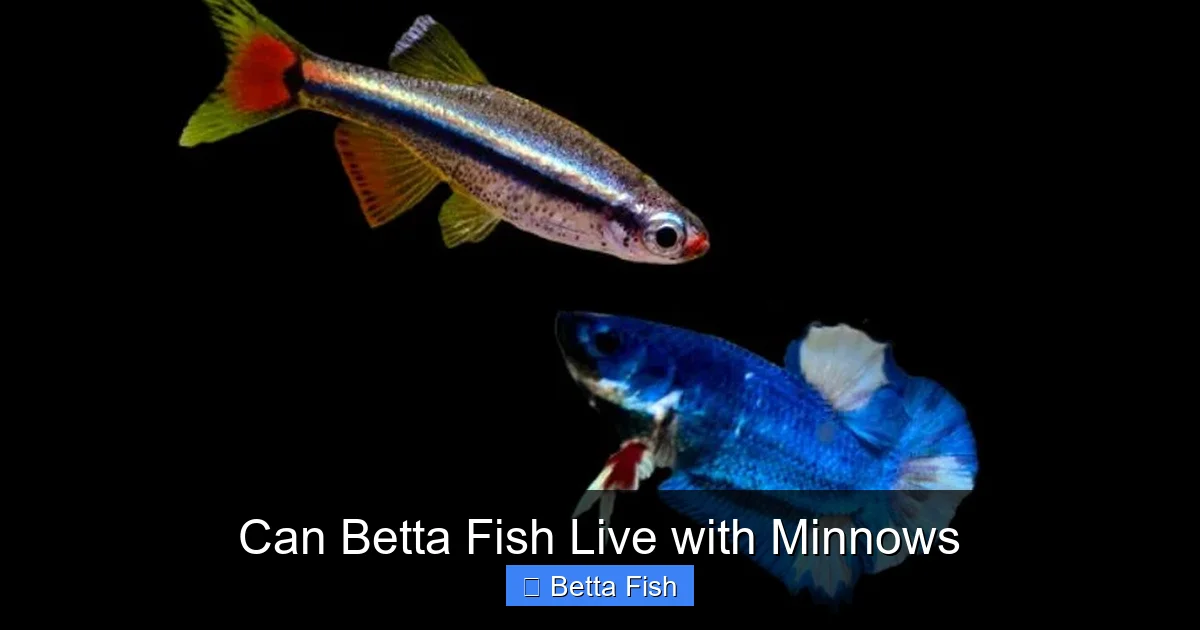
Betta fish can live with certain types of minnows, but success depends heavily on tank size, water conditions, and the specific minnow species you choose. White Cloud Mountain Minnows and some other peaceful, cool-water species can work in larger setups, but many common minnows have different temperature needs and may trigger aggression. Always monitor behavior closely and have a backup plan if things go wrong.
Key Takeaways
- Not all minnows are good tank mates for bettas. Some species have very different temperature and water requirements, making cohabitation difficult or even dangerous for both fish.
- White Cloud Mountain Minnows are the most commonly recommended minnow species to keep with bettas. They are peaceful, hardy, and can tolerate a wider temperature range than many other minnows.
- Tank size matters enormously. A minimum of 20 gallons is strongly recommended when housing bettas with any minnow species to reduce territorial stress and aggression.
- Temperature compatibility is a major challenge. Bettas need warm water (76–82°F), while many minnows prefer cooler water, creating a compromise zone that must be carefully managed.
- Schooling behavior of minnows can stress bettas. Minnows are schooling fish that need groups of 6 or more, which increases the bioload and activity level in the tank.
- Individual betta temperament plays a huge role. Some bettas are naturally more aggressive, while others are relatively docile. Always assess your specific fish before introducing tank mates.
- Always have a backup plan. Keep a separate tank or container ready in case the arrangement doesn’t work out, and never leave aggressive interactions unchecked.
📑 Table of Contents
- Can Betta Fish Live With Minnows? What You Need to Know
- Understanding Betta Fish Behavior and Temperament
- What Types of Minnows Are We Talking About?
- The Temperature Challenge: Finding Common Ground
- Tank Size and Setup Requirements
- How to Introduce Minnows to Your Betta’s Tank
- Pros and Cons of Keeping Bettas With Minnows
- Alternative Tank Minnows and Other Compatible Fish
- Final Thoughts: Making the Right Choice for Your Fish
Can Betta Fish Live With Minnows? What You Need to Know
If you’ve ever stared at your betta fish swimming solo in a tank and thought, “Maybe they’d enjoy some company,” you’re not alone. One of the most common questions in the aquarium hobby is whether betta fish can live with minnows. It’s a fair question. Bettas are stunning, personality-packed fish, and minnows are small, active, and fun to watch. On paper, they seem like they could make great neighbors. But the reality is a bit more complicated than that.
The short answer is: sometimes, yes — but it depends on several important factors. The type of minnow, the size of your tank, water temperature, and your individual betta’s personality all play critical roles. In this guide, we’ll break down everything you need to know so you can make the best decision for your fish. Whether you’re a beginner or a seasoned aquarist, understanding the dynamics between bettas and minnows will help you create a peaceful, thriving aquarium.
Before we dive in, it’s worth noting that bettas are naturally territorial and can be aggressive, especially males. This doesn’t mean they can never have tank mates — many betta owners successfully keep their fish with other species. But it does mean you need to be thoughtful and strategic about who you introduce. Let’s explore the details.
Understanding Betta Fish Behavior and Temperament
Why Bettas Can Be Tricky Tank Mates
Bettas, also known as Siamese fighting fish, earned that name for a reason. In the wild, male bettas are highly territorial and will fight other males — sometimes to the death. This instinct doesn’t disappear in a home aquarium. Even in a community setting, a betta may see smaller, colorful, or fast-moving fish as a threat or an intruder.
Female bettas tend to be less aggressive than males, but they can still display territorial behavior. Some bettas are naturally more laid-back and tolerant, while others will attack anything that moves near their space. The tricky part is that you often won’t know which category your betta falls into until you introduce a potential tank mate.
Signs Your Betta Might Be Aggressive
Before adding any minnows to your betta’s tank, observe your betta’s behavior carefully. Signs of aggression include flaring gills, charging at the glass when they see their reflection, attacking your hand near the tank, and generally being hyper-reactive to movement. If your betta displays these behaviors frequently, adding minnows could be risky.
On the other hand, if your betta seems calm, curious, and relatively unbothered by outside stimuli, they may be a better candidate for community living. For a deeper dive into betta compatibility with other species, check out our guide on can a betta fish live with other fish.
What Types of Minnows Are We Talking About?
The Many Species Called “Minnows”
The term “minnow” is actually a broad label applied to many small freshwater fish, particularly those in the Cyprinidae family. When people ask about keeping minnows with bettas, they’re usually referring to one of a few common species. The most important distinction is between tropical minnows and cold-water minnows, because their care requirements are very different.
Here are some of the most common minnow species you might encounter:
- White Cloud Mountain Minnows (Tanichthys albonubes): These are small, hardy, and peaceful fish with beautiful iridescent stripes. They’re the most commonly recommended minnow species for betta tanks.
- Rosy Red Minnows (Pimephales promelas): Often sold as feeder fish, these are inexpensive but prefer cooler water and may not be ideal companions for bettas.
- Zebra Danios (Danio rerio): While not technically called minnows, they’re closely related and sometimes grouped with them. They’re fast, active, and can sometimes stress bettas with their constant movement.
- Fathead Minnows (Pimephales promelas): Another common feeder fish that prefers cooler temperatures and may not thrive in betta-warm water.
White Cloud Mountain Minnows: The Best Bet
Among all minnow species, White Cloud Mountain Minnows are widely considered the best option for living alongside bettas. Here’s why: they’re peaceful, they don’t have long flowing fins that might trigger a betta’s aggression, and they can tolerate a temperature range of 64–72°F. While that’s slightly cooler than a betta’s ideal range, there’s enough overlap to find a comfortable middle ground around 74–76°F.
They’re also schooling fish, which means you’ll need at least 6 of them to keep them happy and stress-free. A group of White Clouds adds beautiful movement to a tank without being overly aggressive or territorial. Their silver and gold coloring provides a nice contrast to a betta’s vibrant hues without being so flashy that the betta feels threatened.
The Temperature Challenge: Finding Common Ground
Why Temperature Matters So Much
One of the biggest obstacles to keeping bettas with minnows is temperature compatibility. Bettas are tropical fish that thrive in water between 76°F and 82°F. Many minnow species, including White Cloud Mountain Minnows, are subtropical or cool-water fish that prefer temperatures between 64°F and 72°F. This creates a real challenge because you can’t perfectly satisfy both species at the same time.
The good news is that there’s a compromise zone. A temperature of 74°F to 76°F is generally acceptable for both species, even if it’s not perfect for either. At this temperature, your betta will be slightly cooler than ideal but still healthy, and your minnows will be slightly warmer than their preference but still comfortable. It’s a balancing act, but it can work.
What Happens If the Temperature Is Wrong
If the water is too warm (above 78°F), your minnows may become stressed, have shortened lifespans, and be more susceptible to disease. Minnows in warm water also have faster metabolisms, which means they produce more waste and require more oxygen — both of which can degrade water quality.
If the water is too cool (below 72°F), your betta’s immune system may weaken, their metabolism slows down, and they become lethargic. A cold betta is a stressed betta, and stressed bettas are more likely to become aggressive or sick. Maintaining a stable, appropriate temperature is absolutely essential for any mixed-species tank.
Tank Size and Setup Requirements
Why Bigger Is Always Better
If you’re planning to keep betta fish with minnows, tank size is non-negotiable. A 5-gallon tank — which is the minimum for a single betta — is far too small for any additional fish. You need at least a 20-gallon tank to give both your betta and a school of minnows enough space to establish their own territories and avoid constant conflict.
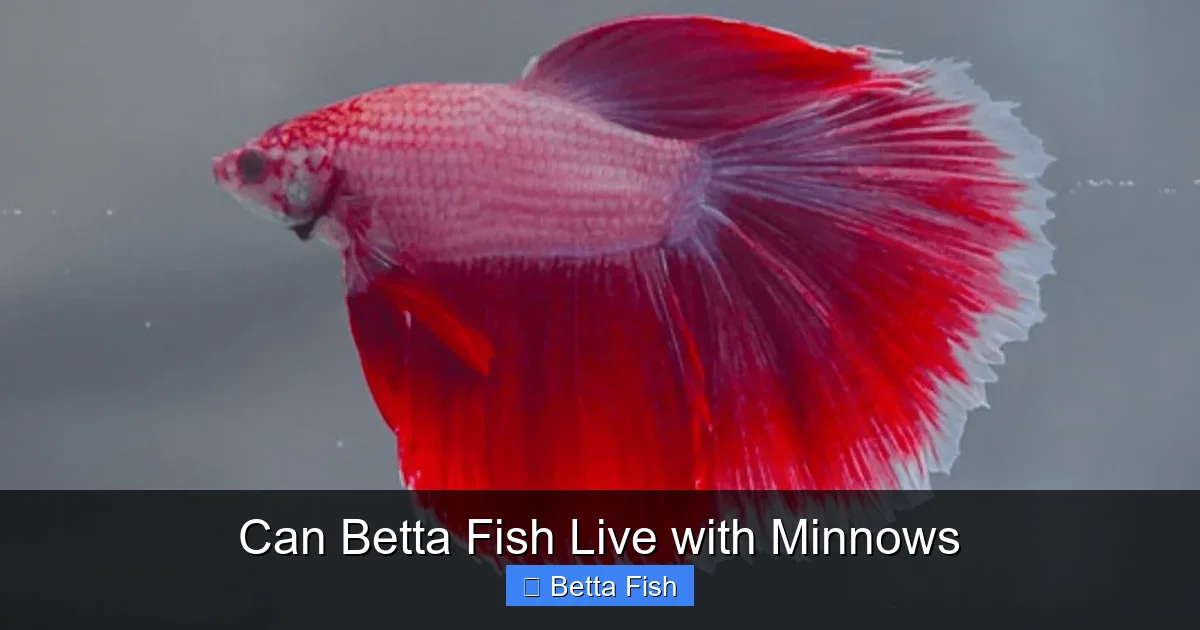
Visual guide about Can Betta Fish Live with Minnows
Image source: aniimad.com
A larger tank provides several key benefits:
- More swimming space reduces the chances of your betta feeling crowded or threatened by the minnows’ activity.
- Better water quality because larger volumes of water dilute waste more effectively, which is important when you have more fish producing ammonia.
- Territorial separation — in a spacious tank, your betta can claim one area as their own while the minnows occupy another zone.
- Room for decorations and plants that provide hiding spots and break lines of sight, reducing stress for all fish.
Ideal Tank Setup for Bettas and Minnows
When setting up a shared tank, think about creating an environment that meets the needs of both species. Here’s what I recommend:
- Live plants: Java fern, Amazon sword, and floating plants like water sprite provide cover and help reduce aggression. Plants also improve water quality and create a more natural environment.
- Hiding spots: Caves, driftwood, and rock formations give your betta places to retreat when they want privacy. Minnows also appreciate places to hide if they feel threatened.
- Open swimming areas: Minnows are active swimmers and need open water in the middle and upper levels of the tank. Keep the center relatively clear while planting heavily around the edges and bottom.
- Gentle filtration: Both bettas and minnows prefer calm water. A sponge filter or a hang-on-back filter with a baffle will keep the water clean without creating strong currents.
- Dim to moderate lighting: Bettas don’t love bright lights, and subdued lighting helps reduce stress for all tank inhabitants.
How to Introduce Minnows to Your Betta’s Tank
Preparation Is Everything
Rushing the introduction process is one of the biggest mistakes you can make. Before adding any minnows, make sure your tank is fully cycled, stable, and has been running for at least 4–6 weeks. Test your water parameters regularly and ensure ammonia and nitrite levels are at zero, with nitrates below 20 ppm.
It’s also a good idea to quarantine new minnows in a separate tank for 2–4 weeks before adding them to your betta’s home. This helps prevent the introduction of diseases or parasites and gives you a chance to observe the minnows for any health issues.
Step-by-Step Introduction Process
Here’s a proven method for introducing minnows to a betta tank:
- Rearrange the tank decor before adding the minnows. This disrupts your betta’s established territory and makes the environment feel “new” to everyone, reducing the betta’s instinct to defend “their” space.
- Add the minnows first if possible, allowing them to settle in before the betta encounters them. If the betta is already in the tank, use a breeder box or clear container to hold the minnows in the tank for a few hours so the betta can see them without being able to attack.
- Observe for at least 30 minutes after releasing the minnows. Watch for signs of aggression from the betta, such as flaring, chasing, or nipping. Some initial curiosity and mild flaring is normal, but sustained aggression is a red flag.
- Monitor daily for the first two weeks. Check for torn fins, stressed behavior, hiding, or any signs that the arrangement isn’t working. Early intervention is key if problems arise.
When to Separate the Fish
Sometimes, despite your best efforts, the pairing just doesn’t work. If your betta is relentlessly attacking the minnows, or if the minnows are nipping at your betta’s fins, you need to separate them immediately. Chronic stress from aggression can lead to illness and even death for both species. Having a backup tank or large container ready before you start the introduction process is always a smart move.
Pros and Cons of Keeping Bettas With Minnows
The Advantages
When it works, keeping bettas with minnows can be a beautiful and rewarding setup. Here are some of the benefits:
- Visual appeal: A school of minnows swimming in the upper levels while a betta patrols the middle and lower areas creates a dynamic, visually stunning display.
- Natural behavior: Both species tend to display more natural, active behaviors in a community setting compared to being kept alone.
- Algae control: Some minnow species will graze on algae, helping to keep your tank cleaner between maintenance sessions.
- Mental stimulation: Having other fish in the tank can provide enrichment for your betta, preventing boredom and associated behavioral issues.
The Disadvantages
Of course, there are also significant risks and drawbacks to consider:
- Aggression risk: Your betta may attack the minnows, causing injury or death. This is the most common and serious concern.
- Temperature compromise: Neither species will be at their absolute ideal temperature, which can affect long-term health and lifespan.
- Increased bioload: More fish means more waste, which requires more frequent water changes and better filtration.
- Fin nipping: Some minnow species may nip at your betta’s long, flowing fins, causing damage and stress.
- Cost and complexity: A larger tank, more equipment, and more fish mean higher costs and more maintenance.
Alternative Tank Minnows and Other Compatible Fish
If Minnows Don’t Work Out
If you’ve decided that minnows aren’t the right fit for your betta, don’t worry — there are plenty of other options. Our comprehensive guide on what other fish can live with betta fish covers many compatible species in detail. Some popular alternatives include:
- Ember Tetras: Small, peaceful, and warm-water tolerant, these tiny orange fish are excellent betta companions.
- Corydoras Catfish: Bottom-dwelling, peaceful, and completely uninterested in bothering bettas. They’re great cleanup crew members too.
- Harlequin Rasboras: Peaceful, colorful, and similar in size to minnows, but better suited to tropical temperatures.
- Snails and shrimp: If you want to add life to your tank without the risk of fin nipping, consider keeping betta fish with snails or betta fish with shrimp.
Species to Avoid
Just as important as knowing what works is knowing what doesn’t work. Avoid keeping bettas with:
- Guppies: Their bright colors and flowing fins often trigger betta aggression. Learn more in our article about whether bettas can live with guppies.
- Goldfish: Completely incompatible in terms of temperature, tank size, and water needs. Check out can a betta fish live with goldfish for the full explanation.
- Other bettas: Male bettas should never be kept together, and even females can be risky in small groups. Read more at can betta fish live with other betta fish.
- Aggressive or fin-nipping species: Tiger barbs, some tetros, and other semi-aggressive fish are poor choices for betta tanks.
Final Thoughts: Making the Right Choice for Your Fish
So, can betta fish live with minnows? The answer is a cautious yes — with the right species, the right setup, and the right betta personality. White Cloud Mountain Minnows are your best bet, but even then, success isn’t guaranteed. You need a large tank (20+ gallons), a carefully managed temperature around 74–76°F, plenty of plants and hiding spots, and a betta with a relatively calm disposition.
The most important thing you can do is prioritize the well-being of all your fish. If the arrangement isn’t working, don’t hesitate to separate them. No aquarium setup is worth the suffering of your pets. Start with thorough research, prepare your tank properly, introduce the fish slowly, and monitor the situation closely. With patience and care, you may just create a beautiful, harmonious community tank that both you and your fish will love.
Remember, every betta is different. What works for one person’s fish may not work for yours. Trust your instincts, observe your fish daily, and never stop learning. The aquarium hobby is all about experimentation and adaptation, and the more you understand your fish, the better equipped you’ll be to give them the happy, healthy life they deserve.
Frequently Asked Questions
Can betta fish live with White Cloud Mountain Minnows?
Yes, White Cloud Mountain Minnows are one of the best minnow species to keep with bettas. They are peaceful, hardy, and can tolerate temperatures around 74–76°F, which overlaps with a betta’s acceptable range. However, you need at least a 20-gallon tank and a group of 6 or more minnows for them to feel secure.
What temperature is best for a betta and minnow shared tank?
A temperature of 74°F to 76°F is the best compromise for both species. Bettas prefer 76–82°F and White Cloud Mountain Minnows prefer 64–72°F, so this middle ground keeps both species healthy and comfortable. Use a reliable heater and thermometer to maintain stability.
How many minnows should I keep with my betta?
Minnows are schooling fish and should be kept in groups of at least 6. A smaller group will cause stress and anxiety for the minnows, which can lead to health problems and behavioral issues. In a 20-gallon tank, 6–8 White Cloud Mountain Minnows alongside one betta is a good ratio.
Will my betta attack the minnows?
It depends on your individual betta’s temperament. Some bettas are naturally aggressive and will attack any tank mates, while others are more docile. Always monitor the introduction closely and be prepared to separate the fish if aggression occurs. Rearranging the tank decor before adding minnows can help reduce territorial behavior.
Can Rosy Red Minnows live with betta fish?
Rosy Red Minnows are not ideal tank mates for bettas. They prefer cooler water (65–72°F) and are often sold as feeder fish, which means they may not be as healthy or well-cared-for as other species. White Cloud Mountain Minnows are a much better choice for a betta community tank.
Do I need a bigger tank to keep bettas with minnows?
Absolutely. A minimum of 20 gallons is strongly recommended when keeping bettas with any minnow species. A larger tank reduces territorial aggression, provides better water quality, and gives both species enough space to swim and establish their own areas. Smaller tanks significantly increase the risk of conflict and stress.