How Much Watrflow for a Betta Fish
Understanding how much waterflow for a betta fish is crucial for your pet’s health and happiness. Bettas prefer gentle, low-current water because their long fins make them weak swimmers. The right filter and flow rate create a clean tank without stressing your fish.
Keeping a betta fish healthy starts with one simple thing many beginners overlook: water flow. The way water moves inside your tank has a huge impact on how happy and active your betta feels. Too much current can exhaust your fish, while too little can lead to dirty water. Finding the sweet spot is the key to a thriving betta habitat.
If you have ever wondered how much waterflow for a betta fish is just right, you are in the right place. This guide breaks everything down in simple terms. You will learn what flow rate works best, which filters to choose, and how to spot warning signs your fish is uncomfortable. By the end, you will feel confident setting up a tank that your betta will love.
Betta fish come from slow-moving waters in Southeast Asia. They live in rice paddies, shallow streams, and calm ponds. Their long, flowing fins look beautiful but make them clumsy swimmers in strong currents. This is why matching the water flow to their natural environment is so important. Let us dive into everything you need to know.
Key Takeaways
- Betta fish thrive in low water flow: Their long fins and small fins make them poor swimmers in strong currents.
- Sponge filters are the best choice: They provide gentle filtration without creating harsh water movement.
- Watch for stress signs: Clamped fins, hiding, and difficulty swimming mean the flow is too strong.
- Adjustable filters give you control: You can fine-tune the flow rate to match your betta’s comfort level.
- Tank placement matters: Position the filter output away from your betta’s favorite resting spots.
- Regular maintenance keeps flow balanced: Clean filters and partial water changes prevent flow problems.
📑 Table of Contents
- Why Water Flow Matters for Betta Fish
- How Much Waterflow for a Betta Fish Is Ideal
- Best Filter Types for Betta Fish
- Signs Your Betta Is Uncomfortable With Water Flow
- How to Reduce Water Flow in Your Betta Tank
- Maintaining Proper Water Flow Over Time
- Common Mistakes to Avoid
- Expert Insights on Betta Water Flow
- Conclusion
Why Water Flow Matters for Betta Fish
The water flow in your tank directly affects your betta’s daily life. Bettas are not built for fast-moving water. Their oversized fins create drag, making it hard for them to swim against a strong current. When the flow is too high, your fish has to work harder just to stay in place.
Over time, too much water movement causes stress. Stressed bettas become more prone to illness. They may stop eating, hide constantly, or develop clamped fins. On the other hand, gentle flow keeps your betta comfortable. It lets them swim naturally without struggling. A calm tank also helps maintain stable temperature and cleanliness.
Proper water circulation is still important. You do not want stagnant water. The goal is to create a gentle flow that filters the tank without pushing your betta around. Think of it like a soft breeze on a still lake rather than a rushing river.
The Betta’s Natural Habitat
In the wild, bettas live in warm, slow-moving waters. The current in their natural environment is barely noticeable. Plants and debris slow down any water movement. This is the kind of environment you want to recreate in your tank. Mimicking their natural habitat reduces stress and encourages natural behavior like building bubble nests and exploring.
How Much Waterflow for a Betta Fish Is Ideal
There is no single number that fits every tank. The ideal flow depends on tank size, filter type, and your individual betta’s personality. However, a good rule of thumb is to aim for a flow rate that turns the tank water over 4 to 5 times per hour. For a 5-gallon tank, that means a filter rated around 20 to 25 gallons per hour.
Many filters come with adjustable flow settings. This is a huge advantage for betta owners. You can start at a lower setting and increase it slightly if needed. Always observe your fish after making any changes. If your betta looks relaxed and swims freely, you have found the right balance.
How much waterflow for a betta fish really comes down to your fish’s comfort. Some bettas are more tolerant of current than others. Younger bettas often handle slightly more flow than older ones. Pay attention to your individual fish and adjust accordingly.
Flow Rate Guidelines by Tank Size
Here is a simple breakdown of recommended flow rates based on tank size:
- 3-gallon tank: 12 to 15 gallons per hour (GPH)
- 5-gallon tank: 20 to 25 GPH
- 10-gallon tank: 40 to 50 GPH
- 20-gallon tank: 80 to 100 GPH
These numbers are starting points. Always adjust based on your betta’s behavior. If your fish looks stressed, lower the flow. If the water seems stagnant, increase it slightly.
Best Filter Types for Betta Fish
Choosing the right filter is one of the most important decisions you will make. Not all filters work well for bettas. Some create too much current, while others do not provide enough filtration. Here are the best options.
Sponge Filters
Sponge filters are the gold standard for betta tanks. They provide gentle, even filtration without creating strong currents. Air pumps push water through the sponge, which traps debris and grows beneficial bacteria. These filters are affordable, quiet, and very safe for bettas.
Sponge filters also serve as a great home for beneficial bacteria that help cycle your tank. If you are setting up a new tank, a sponge filter is an excellent choice. You can find them in many sizes to match your tank. They are especially good for small betta tanks where other filters might be too powerful.
Hang-On-Back (HOB) Filters
HOB filters hang on the back of the tank and draw water through a cartridge. They offer good mechanical and biological filtration. However, many HOB filters are too strong for bettas. The water returns to the tank with a noticeable flow that can trouble your fish.
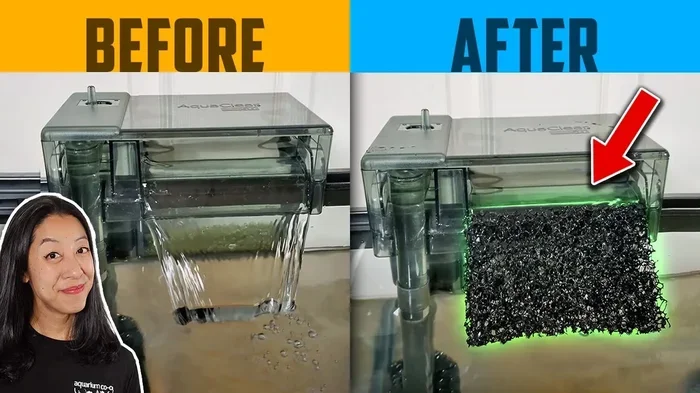
If you choose an HOB filter, look for one with an adjustable flow valve. You can partially block the output to reduce current. Some hobbyists baffle the return stream using a sponge pre-filter. This softens the water as it re-enters the tank.
Internal Filters
Internal filters sit inside the tank and are easy to install. They work well for small tanks and provide adjustable flow. Look for models with a foam intake that prevents your betta from being pulled toward the filter. These filters are compact and effective for tanks under 10 gallons.
Signs Your Betta Is Uncomfortable With Water Flow
Betta fish are expressive creatures. They show clear signs when something in their environment is wrong. Watching for these signals helps you catch flow problems early.
Clamped fins are one of the most common signs. When a betta holds its fins close to its body, it usually means stress. If you notice this behavior near the filter output, the current is likely too strong.
Hiding or staying in one spot is another red flag. Bettas like to explore, but a fish that constantly hides behind decorations may be avoiding the current. Some bettas will rest on the substrate or hide in plants to escape the flow.
Difficulty swimming is a serious sign. If your betta struggles to stay upright or gets pushed around by the current, the flow is too high. Healthy bettas should be able to swim freely and comfortably.
Rapid gilling can also indicate stress from water flow. When a betta breathes quickly at the surface, it may be reacting to the constant push of water. Reducing the flow often fixes this behavior quickly.
Quick Tips for Monitoring Flow Comfort
- Watch your betta for 15 minutes after turning on the filter.
- Note where your fish likes to spend most of its time.
- If your betta avoids the filter output area, reduce the flow.
- Use a small piece of sponge to baffle strong filter returns.
How to Reduce Water Flow in Your Betta Tank
If your filter is too strong, you do not need to buy a new one. There are several simple ways to reduce water flow in your tank. These solutions work well for most setups and are easy to try at home.
Use a Baffle
A baffle is any material that breaks up the water flow. Many hobbyists use a sponge pre-filter on the filter output. This softens the returning water and spreads it out more evenly. You can also use a piece of filter floss or even a plastic bottle cut to fit over the output tube.
Baffles are one of the simplest and most effective ways to reduce water flow for betta fish. They do not reduce filtration quality. They simply make the current gentler as it re-enters the tank.
Adjust the Filter Settings
If your filter has an adjustable knob or dial, use it. Turn the flow down until your betta looks comfortable. Some filters allow you to point the output in a different direction too. Pointing the flow toward the glass or the substrate reduces the current in your betta’s swimming area.
Add Live Plants
Live plants are a natural way to slow down water flow. They create obstacles that break up currents and provide cover for your betta. Plants like java fern, anubias, and java moss grow well in betta tanks. They also improve water quality and add a natural, calming look to your setup.
Position the Filter Output Carefully
Where the filter output sits in your tank matters a lot. Point it toward the glass wall instead of the open water. This spreads the flow across a wider surface and reduces direct current in the main swimming area. You can also angle the output downward toward the substrate.
Maintaining Proper Water Flow Over Time
Keeping the right water flow is not a one-time setup. It requires regular attention and maintenance. Over time, filters get dirty, flow rates change, and your betta’s needs may shift. Staying on top of maintenance keeps everything balanced.
Regular Filter Maintenance
Clean your filter media every 2 to 4 weeks. Rinse sponge filters in removed tank water, never tap water. Tap water kills beneficial bacteria that help maintain water quality. Clean filters run more efficiently and maintain consistent flow rates.
Always check that the filter is working properly after cleaning. A clogged filter may reduce flow, while a dirty impeller can create uneven current. A quick inspection during each cleaning session helps catch problems early.
Partial Water Changes
Regular water changes keep your tank healthy and help maintain proper flow. Replace about 25% of the tank water every week. Use a siphon vacuum to remove debris from the substrate. This prevents buildup that can affect water movement and quality.
If you are new to water changes, check out this guide on how to do a water change for betta fish. It covers everything step by step in simple language.
Monitor Tank Conditions
Use a thermometer and a water test kit to keep your tank conditions stable. Bettas prefer water temperatures between 78 and 80 degrees Fahrenheit. Temperature changes can affect how your betta responds to water flow. Warmer water holds less oxygen, which can make strong currents feel even more stressful.
Testing for ammonia, nitrite, and nitrate levels also helps. Poor water quality adds stress on top of flow issues. Keeping your tank clean and well-cycled supports a healthy environment for your betta.
Setting up your tank correctly from the start makes a big difference. If you need help with the initial setup, read this guide on how to set up a fish tank for betta fish. It covers all the essentials for creating a comfortable home.
Common Mistakes to Avoid
Many betta owners make mistakes when it comes to water flow. Here are the most common ones and how to avoid them.
- Buying a filter that is too powerful: Always check the GPH rating and adjust it down for bettas.
- Ignoring your betta’s behavior: Your fish will tell you if the flow is wrong. Watch for signs of stress.
- Pointing the filter output directly at your betta: This creates a strong current in one area of the tank.
- Using an air stone that creates too much surface agitation: While air stones add oxygen, they can also increase surface flow and create ripples your betta may not like.
- Forgetting to clean the filter: A dirty filter can either reduce flow or create uneven currents as debris builds up.
Avoiding these mistakes keeps your betta healthy and your tank running smoothly. Small adjustments make a big impact over time.
Expert Insights on Betta Water Flow
Experienced betta keepers agree that less is more when it comes to water flow. Most experts recommend the gentlest filter that still maintains good water quality. A well-maintained sponge filter is often enough for a single betta in a 5 to 10 gallon tank.
Some hobbyists use a two-filter setup with both set to low flow. This provides redundancy and keeps the water moving gently from multiple directions. It also ensures that if one filter fails, the other continues to maintain water quality.
If you want to learn more about general betta care, this guide on how to care for a betta fish 101 covers all the basics in detail.
Remember that every betta is different. Some enjoy a tiny bit more current than others. The key is to observe your fish and make adjustments as needed. There is no one-size-fits-all answer to how much waterflow for a betta fish. Your individual fish will guide you to the right balance.
Conclusion
Getting the water flow right for your betta fish is one of the simplest ways to improve their quality of life. Bettas need gentle, low-current water that mimics their natural habitat. Sponge filters, adjustable output, and regular maintenance all play a role in achieving the perfect balance.
Watch your fish closely. Their behavior tells you everything you need to know about whether the flow is too strong or just right. Make small adjustments as needed and keep your tank clean. With the right setup, your betta will thrive and show off its beautiful colors every day.
How much waterflow for a betta fish really comes down to one thing: your fish’s comfort. Keep the current gentle, the water clean, and your betta will reward you with vibrant health and lively behavior. Start with these tips today and watch your betta flourish in its calm, comfortable home.
Frequently Asked Questions
Can a betta fish live in a tank with a strong filter?
Yes, but only if you reduce the flow. Strong filters can be adjusted using baffles, sponge pre-filters, or flow control valves. Always observe your betta after making changes to ensure the current is comfortable for them.
What type of filter is best for a betta fish tank?
Sponge filters are the best choice for betta tanks. They provide gentle filtration without creating strong currents. They are affordable, quiet, and safe for bettas with long fins. Hang-on-back filters also work if you adjust the flow rate downward.
How can I tell if the water flow is too strong for my betta?
Watch for clamped fins, hiding behavior, difficulty swimming, and rapid gilling. If your betta avoids the filter output or stays in one corner, the current is likely too high. Reducing the flow or adding a baffle usually fixes these issues quickly.
Do betta fish like any water movement at all?
Yes, bettas do need some water movement. Gentle flow helps distribute heat, filter waste, and maintain oxygen levels. The key is keeping the current soft and low. Think of a gentle ripple rather than a strong stream.
How often should I check my betta’s filter flow rate?
Check the flow rate once a week during your regular tank maintenance. Clean the filter media every 2 to 4 weeks. After any filter cleaning or adjustment, watch your betta for a few hours to make sure they are comfortable with the new flow level.
Can I use two sponge filters in a betta tank?
Absolutely. Two sponge filters set to low flow provide excellent filtration and gentle water movement. This setup also offers backup if one filter stops working. It is a great option for tanks 10 gallons and larger where a single sponge filter may not be enough.