How Much Do Betta Fish Eat Flakes
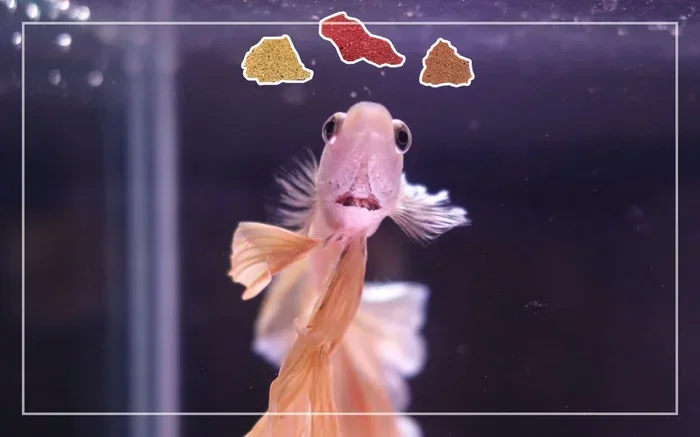
Betta fish should eat 2-3 small pinches of flakes per day, split into 1-2 feedings. Overfeeding is the biggest mistake new owners make, and it can seriously harm your fish. This guide covers portion sizes, feeding frequency, and the best flakes for your betta.
If you own a betta fish, you have probably wondered whether you are feeding it the right amount. How much do betta fish eat flakes is one of the most common questions new fish owners ask. The answer might surprise you — it is far less than most people think.
Betta fish are small but mighty eaters when it comes to appetite. Their tiny stomachs are about the size of their eyeball, which means they cannot handle large meals. Feeding too many flakes can lead to serious health problems. On the flip side, underfeeding can leave your betta weak and unhappy. Getting the portion size right is the key to a long, healthy life for your betta.
In this guide, we will walk you through everything you need to know about feeding betta fish flakes. You will learn the right amount, how often to feed, which flakes to choose, and common mistakes to avoid. Let us dive in.
Key Takeaways
- Feed 2-3 small pinches of flakes daily, divided into one or two meals for optimal digestion.
- Overfeeding is the #1 killer of betta fish and leads to bloating, swim bladder issues, and poor water quality.
- Soak flakes before feeding to prevent them from expanding in your betta’s stomach and causing discomfort.
- High-quality tropical flakes with real fish meal as the first ingredient provide the best nutrition for bettas.
- Watch your betta’s appetite and waste to adjust portions and keep your fish thriving.
- Flakes are convenient but not the only option — pellets, frozen, and live foods add variety and nutrition.
- Feeding frequency matters as much as portion size — stick to a consistent daily routine for best results.
📑 Table of Contents
How Much Flakes Should You Feed a Betta Fish?
The general rule is simple: 2 to 3 small pinches of flakes per day. But “small pinch” can mean different things depending on the brand and size of the flakes. A good benchmark is to offer only what your betta can consume within 2 minutes.
Here is a quick breakdown of daily feeding amounts based on your betta’s size:
- Small betta (under 2 inches): 1 to 2 small pinches per day
- Medium betta (2 to 3 inches): 2 to 3 small pinches per day
- Large betta (over 3 inches): 3 to 4 small pinches per day
These amounts assume you are feeding flakes as the main diet. If you mix in other foods like pellets or frozen brine shrimp, reduce the flake portion accordingly. Quality matters just as much as quantity. Cheap flakes are mostly filler and offer very little nutrition, so your betta will need to eat more to get what it needs.
Why Portion Control Matters
Betta fish have a very sensitive digestive system. Their stomachs are tiny, and eating too much at once can cause the stomach to stretch uncomfortably. Over time, this leads to chronic digestive issues. Controlling portions keeps the digestive system working smoothly and prevents a host of health problems.
When bettas eat too many flakes, the uneaten food sinks to the bottom of the tank and decays. This spikes ammonia and nitrite levels in the water, which is toxic to your fish. So portion control is not just about your betta’s stomach — it is also about keeping the tank clean and safe.
How Often Should You Feed Betta Fish Flakes?
Feeding frequency is just as important as portion size. Most experts recommend feeding betta fish flakes once or twice a day. A single daily feeding works well for many owners, while twice-daily feeding can be better for active, growing bettas.
Here is what a typical feeding schedule looks like:
- Morning feeding: Offer a small pinch of flakes at the same time each day.
- Evening feeding (optional): If you choose to feed twice a day, give a second small pinch 8 to 12 hours later.
Consistency is key. Bettas thrive on routine. When you feed them at the same times every day, their bodies adjust and digestion improves. Skipping a day occasionally is fine and can even help with digestion, but do not make it a habit.
One feeding per day is often enough for adult bettas. Younger bettas under 6 months old may benefit from two smaller feedings to support their growth. If you are unsure, start with once daily and watch how your betta responds.
Signs Your Betta Is Eating the Right Amount
Knowing whether you are feeding the right amount gets easier with observation. Here are some positive signs that your feeding routine is working:
- Your betta has a rounded but not bloated belly
- It is active and swimming freely throughout the tank
- It eagerly approaches food at feeding time
- Its colors remain vibrant and bright
- Waste output is normal, not excessive
On the other hand, signs of overfeeding include floating flakes left uneaten after several minutes, a distended belly, and cloudy water shortly after feeding. Underfeeding signs include lethargy, fading colors, and your betta ignoring food.
Expert Insight: Many experienced betta keepers recommend fasting your betta for one day per week. This gives the digestive system a break and helps prevent constipation and bloating. It is a simple practice that makes a big difference in long-term betta health.
Best Flakes for Betta Fish
Not all flakes are created equal. The type of flake you choose has a huge impact on your betta’s nutrition and overall health. High-quality flakes should list real fish meal or whole fish as the first ingredient, not wheat flour or fillers.
What to Look for in Betta Flakes
When shopping for flakes, check the nutrition label carefully. Here are the key ingredients to look for:
- Protein content: Aim for flakes with 30% to 45% protein. Bettas are carnivores and need protein-rich food.
- Whole fish meal: This should be the first ingredient, not fish meal by-products.
- Low filler content: Avoid flakes heavy in wheat, soy, or corn starch.
- Added vitamins: Vitamins A, C, and E support immune health and color vibrancy.
- Omega fatty acids: These promote healthy fins and a shiny coat.
If you are comparing options, you might want to read our guide on do betta fish eat tropical fish flakes to understand how tropical flakes compare to betta-specific options.
Flakes vs. Pellets: Which Is Better?
This is a debate that comes up often among betta owners. Both flakes and pellets have their pros and cons. Here is a quick comparison:
| Feature | Flakes | Pellets |
|---|---|---|
| Sinking or Floating | Float initially, then sink | Varies by brand (sinking or floating) |
| Nutrition Density | Lower per piece | Higher per piece |
| Ease of Portioning | Easy to pinch off small amounts | Easy to count individual pellets |
| Water Clarity | Can cloud water if uneaten | Less likely to cloud water |
| Cost | Generally cheaper | Slightly more expensive |
| Betta Acceptance | Most bettas love them | Most bettas accept them well |
Many owners choose to use a combination of both. Flakes make a great daily staple, while pellets add nutritional density. You can also mix in occasional treats like frozen bloodworms or brine shrimp for variety.
Common Mistakes When Feeding Betta Fish Flakes
Even well-meaning owners make mistakes when it comes to feeding their bettas. Here are the most common ones, and how to avoid them.
Overfeeding
This is the number one mistake. It is tempting to dump a bunch of flakes into the tank because your betta looks hungry. But remember, their stomach is tiny, and they will eat far more than they need if given the chance. Overfeeding leads to obesity, swim bladder disorder, and poor water quality. Stick to the 2-minute rule and remove any uneaten flakes promptly.
Feeding Too Fast
Some flakes expand quickly when they hit the water. If you drop a large clump in, your betta might swallow a piece that is already expanding in its stomach. This can cause discomfort and bloating. Soak flakes in a small cup of tank water for 30 seconds before feeding to pre-expand them. This makes them easier to digest and safer for your fish.
Ignoring Water Quality After Feeding
Uneaten flakes decompose fast. Within hours, they release ammonia into the water. Even small amounts of ammonia can stress or harm your betta. Always remove uneaten food after feeding using a small net or turkey baster. This keeps the water clean and your fish healthy.
Skipping Variety Entirely
While flakes are a convenient staple, they should not be the only thing your betta eats. A varied diet supports better nutrition and keeps your betta interested in food. Consider rotating in high-quality pellets, frozen foods, or even live foods on occasion.
Quick Tip: If you want to learn more about how feeding habits compare, check out how much do I feed a betta fish for practical advice on daily feeding routines.
Not Warming Flakes Before Feeding
Cold flakes can cause digestive issues in bettas. Before adding flakes to the tank, let the container sit at room temperature for a few minutes. Better yet, soak them in a small amount of tank-temperature water. This small step can make a big difference in digestion and appetite.
Creating a Feeding Routine That Works
The best feeding routine is one you can stick to consistently. Bettas are creatures of habit, and a predictable schedule reduces stress and supports healthy digestion. Here is how to build a routine that works for both you and your fish.
Start by picking two consistent feeding times each day. Many owners find that morning and evening work best because these times align with natural feeding patterns. Bettas are most active during daylight hours, so a morning feeding matches their natural energy levels.
Keep a simple log for the first few weeks. Write down what you fed, how much, and how your betta responded. Over time, you will notice patterns. Maybe your betta eats faster on certain days, or it seems less interested after a heavy feeding. Tracking these details helps you fine-tune the routine and catch potential problems early.
If you ever need to travel, consider an automatic fish feeder. These devices release small, controlled portions of flakes at set intervals. Just make sure to test it a few days before your trip to ensure it is dispensing the right amount. Too much is still too much, even with an automatic feeder.
For more on building a solid feeding habit, you might find our article on how often do betta fish eat helpful for understanding the ideal frequency.
Adjusting the Routine Over Time
As your betta ages, its metabolism slows down. Older bettas need fewer calories and may do better with one feeding per day instead of two. Young bettas, especially those under a year old, have faster metabolisms and may need slightly more food or an extra feeding session.
Seasonal changes can also affect appetite. Bettas tend to eat less in cooler water temperatures because their metabolism slows. If your tank heater is not maintaining a steady temperature between 76 and 82 degrees Fahrenheit, your betta’s appetite may drop. Check your heater regularly to make sure it is working properly.
Key Takeaways
- Feed 2-3 small pinches of flakes daily, split into one or two meals.
- Soak flakes before feeding to prevent digestive discomfort.
- Choose high-protein flakes with real fish meal as the first ingredient.
- Remove uneaten food promptly to protect water quality.
- Fast your betta one day per week to support digestion.
- Adjust portions as your betta ages and its metabolism changes.
Conclusion
How much do betta fish eat flakes is a question with a straightforward answer: 2 to 3 small pinches per day, fed consistently at the same times. The real secret is not just about the amount but about the quality of the flakes, the consistency of the routine, and the discipline to avoid overfeeding.
Your betta fish depends on you for its nutrition and well-being. By following the guidelines in this article, you are giving your fish the best chance at a long, healthy, and vibrant life. Remember to watch your betta closely, adjust portions as needed, and never be afraid to mix things up with different food types for a balanced diet.
Start today by evaluating what you are currently feeding your betta. Are the flakes high quality? Are the portions appropriate? Is the schedule consistent? Small changes can lead to big improvements in your betta’s health and happiness.
Frequently Asked Questions
Can betta fish eat flakes every day?
Yes, betta fish can eat flakes every day. In fact, daily feeding is recommended for most bettas. Just make sure to stick to the right portion size of 2 to 3 small pinches per day and choose high-quality flakes with good protein content. Avoid feeding the same flakes exclusively forever — rotate in pellets or frozen foods for a more balanced diet.
What happens if I overfeed my betta fish flakes?
Overfeeding causes bloating, swim bladder issues, and constipation in bettas. Excess flakes also decay in the tank, spiking ammonia levels and degrading water quality. This can lead to stress, disease, and even death. Always feed only what your betta can consume within 2 minutes and remove any leftovers promptly.
How do I know if my betta is still hungry after eating flakes?
Bettas are opportunistic eaters and will beg for food even when they are full. A good way to tell if your betta needs more food is to check its belly — it should be slightly rounded but not bloated or distended. If your betta immediately eats a second portion and seems very eager, it may still be hungry. However, if it eats slowly or ignores food, it is likely satisfied.
Can baby betta fish eat flakes?
Baby bettas, also known as fry, can eat crushed flakes or very fine microflakes. Their stomachs are even smaller than adult bettas, so portions should be tiny — just a few flakes crumbled into the water. Feed baby bettas 2 to 3 times a day in very small amounts to support their rapid growth without overloading their digestive systems.
Should I soak betta flakes before feeding?
Yes, soaking flakes for about 30 seconds in tank-temperature water before feeding is a great practice. This causes the flakes to expand before your betta eats them, which prevents them from swelling inside your fish’s stomach and causing bloating or digestive discomfort. It also makes the flakes softer and easier for your betta to eat.
Are flakes or pellets better for betta fish?
Both flakes and pellets can form a healthy diet for bettas. Flakes are convenient and easy to portion, while pellets tend to be more nutrient-dense. Many experienced keepers use a combination of both. The most important factor is the quality of the food — look for options with high protein content and minimal fillers regardless of whether you choose flakes or pellets.