Can Betta Fish Eat Tetra Color Flakes

Betta fish can safely enjoy Tetra Color flakes when offered correctly. These flakes provide balanced nutrition, but they should complement a varied diet and be fed in proper portions. Follow our feeding guidelines to keep your betta healthy and colorful.
Key Takeaways
- Safe occasional treat: Tetra Color flakes are safe for bettas if given in moderation.
- Complete nutrition: The flakes contain protein, vitamins, and minerals that support growth and color.
- Supplement, not replace: Use flakes alongside live or frozen foods for optimal health.
- Watch portion size: Over‑feeding can cause swim‑bladder issues and cloudy water.
- Check ingredients: Avoid brands with excessive fillers or artificial dyes.
- Observe your betta: Look for appetite, digestion, and color changes after feeding.
- Quality matters: Choose reputable brands and store flakes properly to retain freshness.
📑 Table of Contents
Introduction: Why the Question Matters
When you first set up a betta tank, the grocery aisle can feel like a maze. You see colorful packets of “tropical flakes,” “betta pellets,” “goldfish flakes,” and, of most interest, Tetra Color flakes. It’s natural to wonder, “Can betta fish eat Tetra Color flakes?” The answer isn’t a simple yes or no; it depends on nutrition, feeding habits, and your fish’s individual needs.
Betta fish (Betta splendens) are native to shallow, warm waters of Thailand. In the wild they hunt insects and larvae, which means they thrive on protein‑rich meals. Commercial foods try to mimic that diet, but not all flakes are created equal. This article breaks down everything you need to know—from the ingredients in Tetra Color flakes to practical feeding tips—so you can feed your betta confidently.
Understanding Betta Nutrition
What a Betta Needs Daily
Betta fish require:

Visual guide about Can Betta Fish Eat Tetra Color Flakes
Image source: meilunbio.com
- High‑quality protein: 30‑40% of their diet should come from animal sources.
- Essential fatty acids: Help maintain bright fins and healthy skin.
- Vitamins & minerals: Especially A, C, and B‑complex for immunity and coloration.
- Fiber: Small amounts aid digestion.
If a food source hits these targets, it’s generally safe.
How Flakes Compare to Other Betta Foods
Flakes are convenient, but they sit on the lower end of the protein spectrum compared with live or frozen foods like daphnia, brine shrimp, or bloodworms. That’s why many hobbyists use a mixed‑feeding approach.
For a deeper dive into betta diet basics, see our article What Can Betta Fish Eat.
What’s Inside Tetra Color Flakes?
Ingredient Breakdown
Tetra Color flakes typically list the following:

Visual guide about Can Betta Fish Eat Tetra Color Flakes
Image source: oss.tan8.com
- Fish meal or krill meal – primary protein source.
- Wheat or corn gluten – filler and carbohydrate.
- Vitamin and mineral premix – A, D, E, B‑complex.
- Natural color enhancers – often from algae or carotenoids.
- Preservatives – low‑level antioxidants to keep the product fresh.
The protein level usually ranges from 30‑35%, which is acceptable for bettas when combined with other foods.
Potential Red Flags
Watch out for flakes that contain:
- Excessive soy or wheat – can cause digestive upset.
- Artificial dyes – may stress sensitive bettas.
- Very low protein (<25%) – not sufficient for a carnivorous species.
Feeding Tetra Color Flakes to Your Betta
How Much and How Often?
Offer a pinch (about the size of your fingertip) once or twice daily. A betta’s stomach is roughly the size of its eye, so a few bites are enough. Remove any uneaten flakes within 2‑3 minutes to keep water quality high.

Visual guide about Can Betta Fish Eat Tetra Color Flakes
Image source: eiga-pop.com
Combining Flakes with Other Foods
Use flakes as a staple, but supplement with:
- Live or frozen bloodworms (once or twice a week).
- Brine shrimp or daphnia for variety.
- Occasional betta pellets for a denser protein source.
This rotation mimics a natural diet and prevents boredom.
Practical Feeding Tips
- Pre‑soak flakes: If your water is very soft, a quick dip in tank water softens the flakes, making them easier to eat.
- Watch for aggression: Some bettas may snap at flakes if they’re used to live prey. Patience and gradual introduction help.
- Store properly: Keep the bag sealed in a cool, dry place. Moisture leads to mold.
Potential Risks and How to Avoid Them
Over‑Feeding and Water Quality
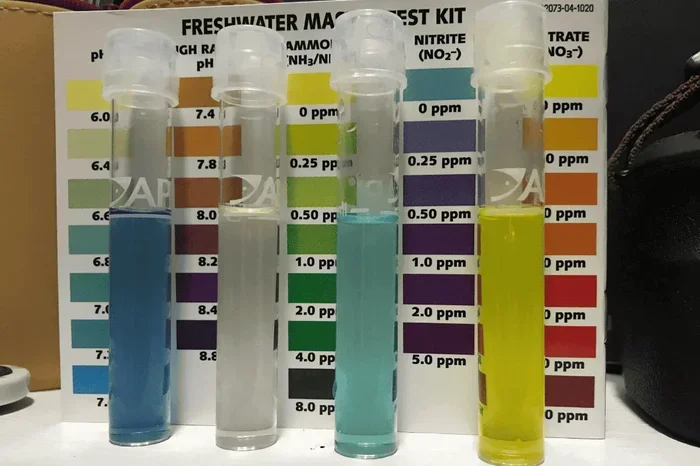
Too many flakes can cloud the water, fuel algae growth, and cause swim‑bladder problems. Test your water weekly; if ammonia spikes, cut back on flake portions.
Allergic Reactions and Digestive Issues
Some bettas are sensitive to wheat or soy. If you notice bloating, constipation, or loss of color, switch to a wheat‑free formula or increase live food.
When Flakes Aren’t the Best Choice
Young fry, ill bettas, or breeding adults have higher protein needs. In those cases, prioritize high‑protein pellets or frozen foods. For more on feeding specific diets, read Can Betta Fish Eat Tropical Flakes.
Choosing the Right Brand
What to Look For on the Label
- Protein ≥30% from animal sources.
- No artificial colors or flavors.
- Clear expiration date.
- Positive reviews from betta keepers.
Recommended Brands
While we can’t endorse every product, many hobbyists trust Tetra’s “Color” line for its consistent quality. Pair it with a reputable betta pellet brand for a balanced diet.
Conclusion: A Balanced Approach Keeps Your Betta Bright
Yes, betta fish can eat Tetra Color flakes safely, provided you feed them in moderation, watch the ingredients, and supplement with protein‑rich live foods. By understanding your betta’s natural diet and using flakes as part of a varied menu, you’ll help your fish stay healthy, active, and vibrantly colored for years to come.
Additional Resources
Looking for more feeding ideas? Check out these related reads:
Frequently Asked Questions
Can bettas eat Tetra Color flakes every day?
Yes, but only as part of a varied diet. Limit flakes to a small pinch once or twice daily and supplement with live or frozen foods.
Are Tetra Color flakes high enough in protein for bettas?
Most Tetra Color flakes contain 30‑35% protein, which is adequate when combined with other protein sources like bloodworms or pellets.
What should I do if my betta shows signs of constipation after eating flakes?
Reduce the amount of flakes, increase the proportion of high‑protein foods, and consider adding a peeled pea to aid digestion.
Can I feed my betta the same flakes I use for community tropical fish?
While bettas can eat many tropical flakes, choose a formula with higher animal protein and no excessive fillers to meet their carnivorous needs.
Do the bright colors in Tetra Color flakes affect my betta’s coloration?
The natural pigments (carotenoids) can enhance a betta’s colors, but genetics and overall health play larger roles.
How long can I store opened Tetra Color flakes?
Seal the bag tightly and keep it in a cool, dry place. Use within 2‑3 months for best freshness; discard if you notice a sour smell or mold.