Can Betta Fish Die of Boredom
Betta fish are intelligent and need more than just water to thrive. Without proper enrichment, they can become stressed, which may lead to illness or even death. This guide explains how boredom affects bettas and what you can do to prevent it.
Key Takeaways
- Enrichment is essential: Betta fish need mental and physical stimulation to stay healthy.
- Stress can be fatal: Chronic boredom can weaken the immune system and increase mortality risk.
- Observe behavior: Changes in color, activity, or appetite often signal boredom‑related stress.
- Simple upgrades work: Adding plants, toys, and varied feeding routines can make a big difference.
- Tank size matters: A larger, filtered tank reduces stress more than a tiny bowl.
- Regular maintenance: Clean water and proper temperature keep your betta’s mind and body happy.
- Seek help early: If you suspect boredom, act fast to avoid serious health issues.
📑 Table of Contents
Introduction: Why Boredom Is a Real Threat for Betta Fish
When most people think about betta fish, they picture a bright, flowing tail flaring in a tiny bowl. The truth is, bettas are curious, active creatures that evolved in the shallow, vegetation‑rich waters of Southeast Asia. In the wild they explore, hunt, and interact with their environment constantly.
In a home aquarium, especially a small, bare bowl, a betta can quickly run out of things to do. This lack of stimulation isn’t just “boring” – it can cause chronic stress, suppress the immune system, and in severe cases lead to death. So, can betta fish die of boredom? The short answer is yes, if the boredom turns into prolonged stress.
Understanding Betta Behavior and Needs
Natural instincts in a domestic setting
Betta fish (Betta splendens) are surface dwellers that love to dart up and down, investigate objects, and flare their fins when excited or threatened. They are also territorial and enjoy establishing a “home base.” In a sparse tank, these instincts have nowhere to go.
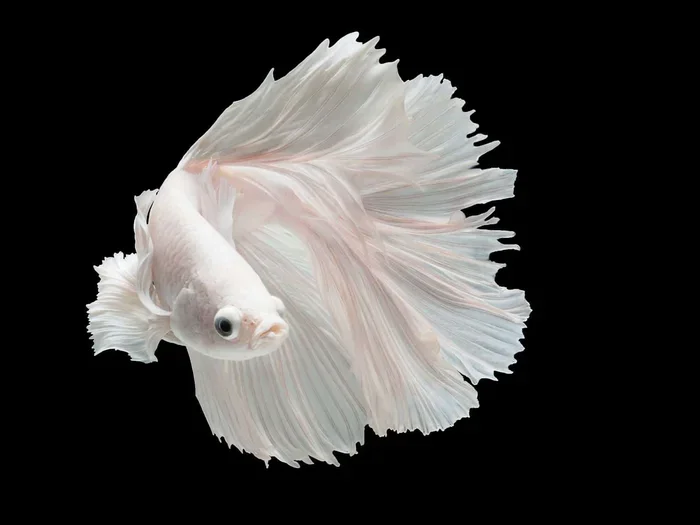
Visual guide about Can Betta Fish Die of Boredom
Image source: kanpurtourism.in
What boredom looks like
Signs that a betta is bored often overlap with signs of illness, making it tricky to diagnose. Look for:
- Repeatedly swimming in circles or along the glass
- Staring at one spot for long periods
- Loss of color vibrancy
- Reduced appetite or refusing to eat
- Excessive hiding or staying motionless
If you notice several of these behaviors together, boredom‑related stress may be the culprit.
How Boredom Can Lead to Death
Stress hormones and the immune system
When a betta is bored, it experiences chronic stress. This triggers cortisol release, which, over time, weakens the fish’s immune response. A weakened immune system makes the betta more vulnerable to common ailments like fin rot, ich, and fungal infections.
Visual guide about Can Betta Fish Die of Boredom
Image source: signin.co.kr
Secondary health problems
Stress can also affect water quality indirectly. A bored betta may over‑eat or not eat at all, leading to excess waste or poor digestion. Both conditions raise ammonia and nitrite levels, creating a toxic environment that can be fatal.
Real‑world examples
Many hobbyists have reported sudden declines in a betta’s health after months of keeping it in a plain bowl. In some cases, the fish dies with no obvious external cause, prompting the question, “can betta fish die of boredom?” The answer often lies in the unseen stress that compromised the fish’s health.
Practical Ways to Enrich Your Betta’s Life
Upgrade the tank size and filtration
First and foremost, move your betta out of a tiny bowl and into a minimum 5‑gallon tank with a gentle filter. A larger space encourages natural swimming patterns and improves water stability.
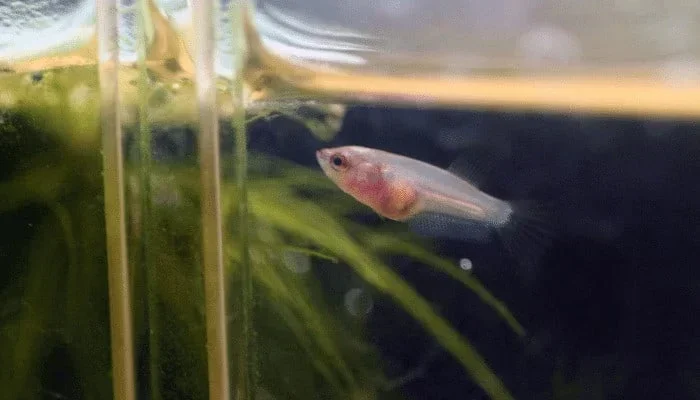
Visual guide about Can Betta Fish Die of Boredom
Image source: pasokoncalendar.com
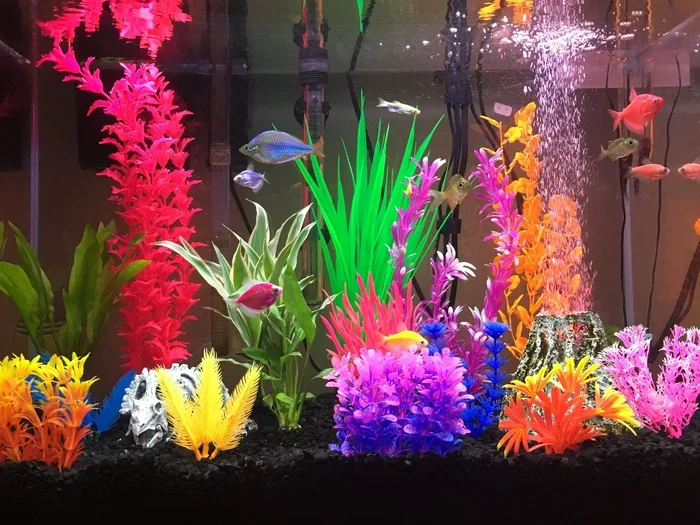
Live plants and décor
Adding live or silk plants provides hiding spots and visual interest. Floating plants mimic the betta’s natural surface habitat, encouraging natural foraging behavior.
Toys and interactive items
Simple items like a small mirror (used briefly), a ping‑pong ball, or a Betta-specific “play tunnel” can spark curiosity. Rotate toys every few weeks to keep the environment fresh.
Feeding variety
Offer a mix of high‑quality pellets, frozen brine shrimp, and daphnia. Changing the feeding schedule slightly (e.g., feeding in the morning one day, evening the next) stimulates natural hunting instincts.
Training and conditioning
Betta fish can learn simple tricks, such as swimming through a hoop. Use positive reinforcement—reward with a favorite food when they succeed. This mental workout is excellent for preventing boredom.
Monitoring Health: When to Act
Regular observation checklist
Spend a few minutes each day watching your betta. Note any changes in:
- Swimming pattern
- Fin posture
- Color intensity
- Feeding response
Keeping a simple log helps you spot trends early.
Water testing and maintenance
Test water weekly for ammonia, nitrite, nitrate, and pH. Even a perfectly enriched tank can become hazardous if water parameters slip.
When boredom turns to illness
If you see signs of fin rot, white spots, or a sudden loss of appetite, treat the underlying issue immediately. A healthy, enriched environment will aid recovery.
Helpful resources
For guidance on sudden deaths, see our article Why Did My Betta Fish Die All Of A Sudden. Understanding the broader picture can help you prevent boredom‑related decline.
Frequently Overlooked Factors
Lighting cycles
Betta fish benefit from a consistent 10‑12 hour light cycle. Too much light can stress them; too little can make them lethargic.
Noise and vibrations
While bettas don’t “hear” like us, strong vibrations from nearby speakers or heavy foot traffic can cause stress. Place the tank in a calm corner.
Companion compatibility
Some owners wonder if adding tank mates can alleviate boredom. While certain peaceful species can coexist, many bettas become aggressive. If you consider companions, read What Fish Can Live With A Male Betta for safe options.
Conclusion: Keep Your Betta Curious, Healthy, and Happy
In short, can betta fish die of boredom? Yes—prolonged mental stagnation can lead to stress, disease, and ultimately death. The good news is that preventing boredom is simple and inexpensive. By providing a larger, planted tank, varied enrichment, and attentive care, you give your betta a vibrant, stimulating life.
Remember, a happy betta is a healthy betta. Watch for subtle behavior changes, maintain pristine water, and keep the environment fresh. Your betta will reward you with dazzling colors, graceful fins, and endless curiosity for years to come.
Frequently Asked Questions
Can a betta fish become depressed from lack of stimulation?
Yes, bettas can show signs of depression such as lethargy, loss of color, and reduced appetite when they lack mental and physical enrichment.
Is a small bowl enough for a betta’s mental health?
No. While bettas can survive in small bowls, the limited space often leads to boredom and stress. A 5‑gallon tank with plants is far better.
How often should I change the décor to keep my betta interested?
Rotate toys, plants, or décor every 2‑3 weeks. This prevents your betta from becoming accustomed to the same environment.
Can adding a mirror help reduce boredom?
Briefly showing a mirror can stimulate a betta’s natural flaring behavior, but use it sparingly to avoid excessive stress.
What are the safest tank mates for a betta?
Peaceful, non‑aggressive fish like small rasboras or certain shrimp can coexist, but always research compatibility first.
Should I feed my betta live food to keep it engaged?
Live foods such as brine shrimp or daphnia provide mental stimulation and mimic natural hunting, making them excellent occasional treats.