When Betta Fish Sleep
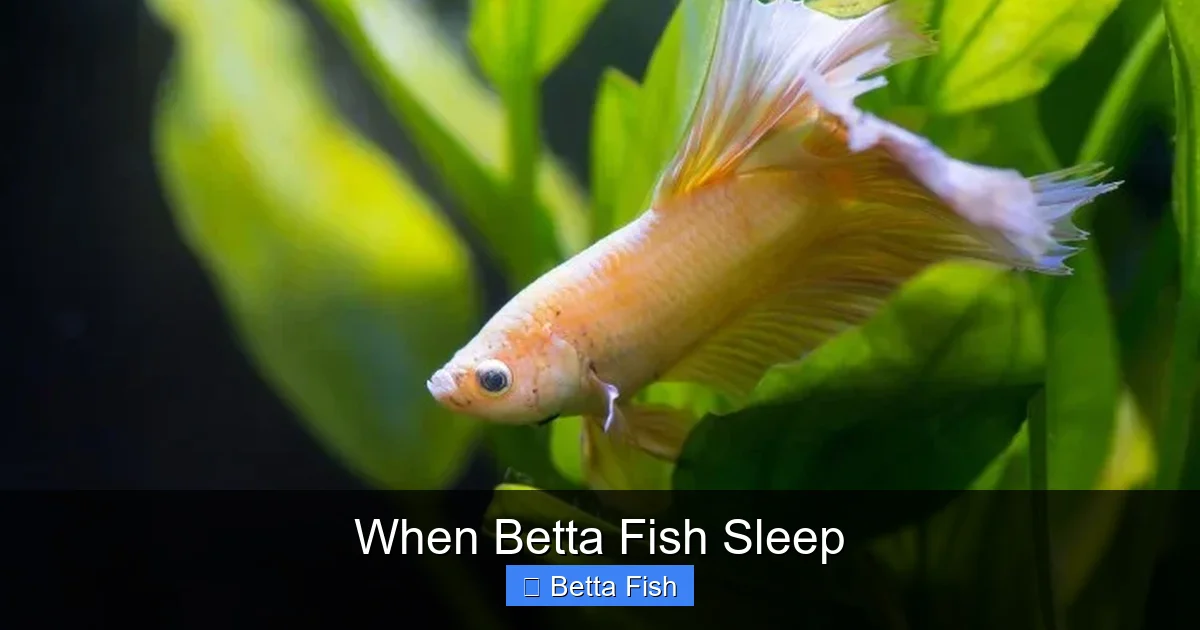
Betta fish do sleep, but not like humans. They experience light periods of rest throughout a 24-hour cycle, often in unusual positions like on the tank bottom, floating, or even upside down. Recognizing true sleep versus a health issue is crucial, as is providing a dark, peaceful environment with proper resting spots to support their natural rhythms and overall health.
You’ve probably seen it. That heart-stopping moment when you glance at your betta fish’s tank and see your vibrant, finned friend lying motionless on the gravel, floating upside down at the surface, or wedged stiffly between a plant leaf and the glass. Your breath catches. Is he okay? Did he pass away overnight? Then, with a slow, deliberate flick of a fin, he moves. He’s fine. He was just… sleeping. Welcome to the wonderfully weird world of betta fish sleep. Understanding when and how betta fish sleep is one of the most important, yet often overlooked, aspects of their care. It’s the key to decoding their behavior, ensuring their well-being, and becoming a truly attentive betta parent.
Unlike us, betta fish don’t tuck themselves into a cozy bed for eight hours. Their sleep is a fascinating adaptation shaped by their wild, often predator-filled habitats in the shallow, warm waters of Southeast Asia. Their rest is light, intermittent, and can look alarmingly like a medical emergency to the untrained eye. This complete guide will dive deep into everything you need to know about when betta fish sleep. We’ll explore their unique sleep physiology, decode their strangest sleeping positions, teach you how to tell a sleeping betta from a sick one, and provide actionable tips to create the perfect sleep sanctuary in your aquarium. By the end, you’ll look at your resting betta not with panic, but with understanding and confidence.
Key Takeaways
- Bettas experience light, scattered rest periods: They do not have a long, consolidated sleep cycle like mammals but take numerous short naps day and night.
- Their sleeping positions are bizarre and varied: It’s normal for bettas to sleep on their side, on the substrate, wedged in plants, or floating at the surface, often looking “dead.”
- Darkness is essential for proper rest: Bettas need a consistent light-dark cycle (10-12 hours of darkness) to maintain healthy sleep patterns and reduce stress.
- Provide designated resting spots: Floating leaves, broad-leafed plants, and smooth ledges are critical for giving your betta a safe, comfortable place to sleep.
- Learn to distinguish sleep from sickness: Key differences include responsiveness to stimuli (food, movement), breathing rate, and the context of the behavior.
- Poor sleep leads to health and behavioral issues: Chronic sleep deprivation can weaken the immune system, increase stress, and exacerbate aggression or lethargy.
- Age affects sleep behavior: Younger bettas are more active, while older fish may sleep longer and more frequently as their energy declines.
📑 Table of Contents
- Understanding Betta Fish Sleep Patterns: It’s Not What You Think
- The Bizarre and Varied Sleeping Positions of a Betta
- How to Tell If Your Betta Is Sleeping or Sick: A Critical Skill
- Creating the Ideal Sleep Environment for Your Betta
- Debunking Common Myths About Betta Sleep
- The Importance of Healthy Sleep for Betta Well-being and Behavior
- Conclusion: Embracing the Restful Betta
Understanding Betta Fish Sleep Patterns: It’s Not What You Think
The first and most fundamental thing to grasp is that betta fish, like most fish, do not have a sleep cycle comparable to humans or even typical pets like cats and dogs. They lack a neocortex—the part of the brain associated with deep, REM sleep in mammals. Instead, they experience periods of reduced metabolic activity and heightened rest. Think of it less as “sleeping” and more as “entering a state of suspended animation” or “recharging.”
Do Betta Fish Actually Sleep?
Yes, absolutely. All animals require some form of rest to conserve energy, repair cells, and consolidate memories. For bettas, this rest manifests as a significant slowdown in their activity level. Their breathing becomes slower and more labored (you might see their gills moving less frequently), their responsiveness to mild stimuli decreases, and they will often find a secure spot to remain still for anywhere from a few minutes to a couple of hours. These rest periods can happen multiple times throughout a 24-hour period, with no strict division between “night” and “day” sleep, though they are heavily influenced by the light cycle in their environment.
The Science Behind Their Rest: Unihemispheric Sleep
Some fish species exhibit a fascinating phenomenon called unihemispheric sleep, where one half of the brain sleeps while the other remains alert. While definitive studies on bettas are limited, it’s widely believed they possess a similar, albeit simpler, capability. This evolutionary adaptation allows them to rest while still maintaining a basic level of awareness for predators. It explains why your sleeping betta might suddenly dart away if you tap the glass too hard—part of its brain was still on watch. This light, fragmented sleep pattern is why they can appear to be “on” and active for seemingly endless periods, punctuated by these sudden, motionless pauses.
The Bizarre and Varied Sleeping Positions of a Betta
This is the section that causes the most new betta owners to panic. The betta’s sleep posture is a masterclass in looking completely dead. There is no “normal” sleeping position. Their labyrinth organ, which allows them to breathe atmospheric air, gives them incredible freedom in how and where they rest. They are not constrained by needing to keep water flowing over gills in a specific way like some fish.

Visual guide about When Betta Fish Sleep
Image source: aquariumsphere.com
Common (and Alarming) Betta Sleep Poses
You might observe your betta in any of these seemingly distressing positions:
- On the Substrate (Tank Bottom): Lying on their side, sometimes partially buried in sand or gravel. This is extremely common, especially on soft substrates.
- Floating at the Surface: Motionless, often with their head pointing down or their body vertical. They may be taking a gulp of air and then just… staying there.
- Upside Down: Yes, it’s a thing. Floating or resting on the bottom with their belly up. This is perhaps the most shocking pose, but it is frequently normal for a betta.
- Wedged in Decor: Trapped between a plant leaf and the glass, resting on a ledge under a decoration, or curled inside a hollow log.
- Hanging Vertically: Nose up or down in the water column, perfectly still.
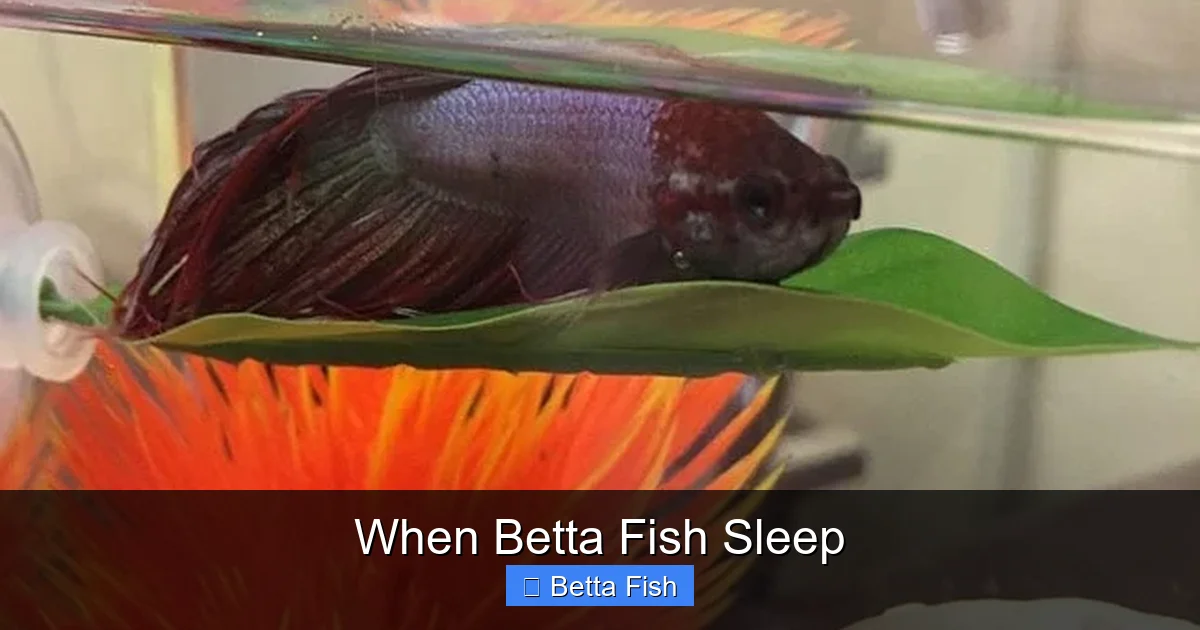
- On a Leaf: Using a broad-leafed plant (real or fake) as a hammock. This is a favorite and a sign of a very comfortable betta.
The common thread in all these positions is complete stillness. During these periods, their vibrant colors may also fade slightly—a natural stress response (chromatophore relaxation) that helps them blend into their surroundings when vulnerable. This color paling during rest is perfectly normal and should not be confused with the permanent dulling of a sick fish.
Why Do They Sleep Like This?
The answer is twofold: physiology and instinct. Physiologically, their labyrinth organ means they aren’t desperate to keep water moving over their gills. They can gulp air and be still. Instinctually, in the wild, these odd, motionless positions in dense vegetation or on the bottom help them avoid detection by birds and other predators. A betta floating vertically among reeds or lying on a leaf is an incredibly difficult target. Your aquarium decor mimics this wild habitat, and your betta is simply reverting to its deepest instincts.
How to Tell If Your Betta Is Sleeping or Sick: A Critical Skill
This is the million-dollar question for every betta owner. The difference between a peacefully resting fish and a fish in peril can be subtle but is vital. You must learn to observe context and response.

Visual guide about When Betta Fish Sleep
Image source: aquariumbuddies.com
The “Poke Test” and Other Observational Tools
The most reliable method is a gentle, non-stressful stimulus. Do not bang on the glass. Instead, try one of these:
- Observe the Gills: A sleeping betta will have slow, steady gill movements. A sick betta (especially with ammonia poisoning or severe infection) may have rapid, labored, or almost non-existent gill movement.
- Gently Shadow the Tank: Stand near the tank and make your presence known. A sleeping betta will often show a slight change in position or a slow fin movement within a minute of sensing your shadow.
- Offer a Tempting Treat: Gently drop a tiny piece of thawed frozen bloodworm or a daphnia near its resting spot. A sleeping but healthy betta will eventually stir, swim over, and eat with normal interest. A sick betta will ignore food completely or be unable to reach it.
- Check the Environment: Is it during the fish’s typical “night” (dark period)? Is the tank quiet and calm? If yes, the behavior is more likely sleep.
Red Flags: When Stillness is Definitely Sickness
While odd positions are normal, these accompanying signs point to disease:
- Persistent Clamped Fins: A sleeping betta’s fins are relaxed, even if pressed against its body. A sick betta’s fins are held tightly and rigidly against its body at all times.
- Erratic Breathing: Gasping at the surface constantly, or gills flapping extremely fast and labored, even when still.
- External Signs: Visible sores, patches of missing scales, cotton-like growths (fungus), raised scales (dropsy), or severe fin rot.
- Complete Unresponsiveness: No reaction to food dropped directly in front of its face after several minutes, or no movement even when you gently net the area around it (be very careful with this).
- Constant Positioning: If the fish is *always* in the same odd spot, 24/7, with no periods of normal activity, this is a major concern.
When in doubt, err on the side of caution. Quarantine the fish in a hospital tank and begin a close observation regimen. It’s always better to investigate a false alarm than to miss a developing illness.
Creating the Ideal Sleep Environment for Your Betta
Just as you need a dark, quiet bedroom, your betta needs a tank environment that signals rest and provides security. Neglecting this is a common cause of chronic stress.
Visual guide about When Betta Fish Sleep
Image source: memfish.net
The Non-Negotiable: A Proper Light-Dark Cycle
This is the single most important environmental factor for betta fish sleep. Bettas, native to shallow, vegetated waters, are accustomed to a predictable cycle of sunlight and darkness. You must provide 10-12 hours of complete darkness per 24-hour period. Leaving the aquarium light on 24/7 is a form of psychological torture for your betta. It disrupts their rest, causes chronic stress (leading to faded colors, clamped fins, and a weakened immune system), and can promote excessive algae growth.
Practical Tip: Use a simple outlet timer for your aquarium light. Set it to turn on for 8-10 hours during the day when you are most likely to be home to enjoy the tank, and turn off automatically at night. If you have a tank in a room with no natural light, the timer is even more critical. During the dark period, avoid using bright room lights directly on the tank if possible.
Designing a Sleep-Friendly Aquascape
Your betta needs places to sleep that feel safe. A bare tank is a stressful tank.
- Floating Resting Spots: This is crucial. Betta leaves (silk or live) that float on the surface are their favorite. It allows them to be near the air they breathe while feeling secure. Live plants like Salvinia or Duckweed also work.
- Broad-Leafed Plants: Live or silk plants with wide leaves (like Anubias, Java Fern) provide perfect hammocks just below the surface.
- Soft Ledges and Caves: Smooth, non-abrasive decorations with flat tops or small, open caves allow bettas to rest on a shelf or hide in a dark nook. Avoid rough textures that can tear their delicate fins.
- Gentle Water Flow: Strong currents are exhausting and prevent rest. Ensure your filter output is directed away from preferred resting spots, or use a spray bar to diffuse the flow. A filter with an adjustable flow rate is ideal.
- Substrate Choice: While they will sleep on bare glass, a soft, fine-grained sand or smooth gravel is more comfortable for a fish that likes to lounge on the bottom.
Debunking Common Myths About Betta Sleep
Misinformation about betta behavior is rampant. Let’s clear up some persistent myths.
Myth 1: “If My Betta Sleeps on the Bottom, He’s Dying.”
This is the most common panic trigger. As established, sleeping on the substrate is a perfectly normal, instinctual behavior. It only becomes a problem if it’s coupled with other signs of illness (see the previous section). A healthy betta will have active periods where it explores, flares, and swims normally.
Myth 2: “Bettas Need Constant Light to See Their Beautiful Colors.”
False. Bettas have good vision in various light conditions. Their stunning colors are for communication and intimidation, not for requiring constant spotlight. A proper dark period is far more important for their health than you having a 24-hour color display. Their colors will actually be more vibrant when viewed after a restful dark period.
Myth 3: “They Sleep with Their Eyes Open.”
Fish don’t have eyelids, so they cannot close their eyes. They do, however, have a protective mucus layer over their cornea. Their “sleep” is a state of neurological rest, not ocular. They are not visually processing their environment in the same way during these rest periods.
Myth 4: “My Betta is Lazy/Depressed Because He Sleeps So Much.”
First, assess the environment. Is the light cycle correct? Are there stressors like a loud room, aggressive tank mates, or poor water quality? If all is well, consider the betta’s age. Older bettas (2+ years) naturally slow down and rest more. Increased sleep is a normal part of aging, not necessarily a sign of depression. However, a sudden, dramatic increase in lethargy and sleep in a previously active betta is a red flag for water quality issues or illness.
The Importance of Healthy Sleep for Betta Well-being and Behavior
Prioritizing proper sleep isn’t just about preventing a freak-out; it’s foundational husbandry.
Immune Function and Stress Reduction
Chronic sleep deprivation is a severe stressor. A stressed betta produces cortisol, which suppresses the immune system. This makes the fish far more susceptible to common diseases like fin rot, velvet, and dropsy. A well-rested betta has a robust immune response and is better able to fight off pathogens present in even the cleanest tank.
Impact on Personality and Activity
You will see the true personality of a betta that is well-rested. They will be more curious, more likely to flare at their reflection or your finger, and more engaged during feeding times. They will build bubble nests more enthusiastically (a sign of contentment and readiness to spawn). Conversely, a sleep-deprived betta can be listless, unresponsive, and may even become more irrationally aggressive due to being in a constant state of low-grade stress and irritability. You wouldn’t want to interact with a person who never sleeps; the same applies to your fish.
Longevity and Quality of Life
There’s a direct link between good sleep and lifespan in most animals. While specific studies on bettas are scarce, the principle holds. By mimicking their natural rest cycles and providing a safe place to sleep, you are reducing cumulative stress on their little bodies. This can translate to a longer, healthier, and more vibrant life—potentially extending their 2-4 year average lifespan towards the upper end of that range.
Conclusion: Embracing the Restful Betta
Understanding when betta fish sleep transforms your perspective from one of anxiety to one of attentive observation. Those bizarre, motionless poses are not emergencies; they are your betta engaging in a deeply instinctual, necessary behavior. Your role is to be the architect of their peace. By establishing a strict dark period with a timer, providing an aquascape rich with floating leaves and gentle hiding spots, and learning to read the subtle difference between a napping fish and a struggling one, you provide an invaluable foundation for health.
Your betta’s sleep is a window into its comfort and security in the captive world you’ve created. The next time you see your magnificent Siamese fighting fish suspended upside down in the water column, take a quiet moment. Don’t reach for the net. Just watch. Appreciate the strange, beautiful trust it has shown by resting so vulnerably in your care. That stillness is not a sign of death, but a sign of a life being lived with the deep, instinctual peace it deserves. You are not just a betta owner; you are the guardian of its rest.
Frequently Asked Questions
Is it normal for a betta fish to sleep upside down?
Yes, it is very common and usually normal. Betta fish can sleep in virtually any orientation due to their labyrinth organ. However, if the upside-down position is persistent, accompanied by clamped fins, labored breathing, or a lack of normal activity, it could indicate a swim bladder disorder or severe illness.
How long do betta fish sleep for?
Bettas do not sleep for long, continuous stretches. They take numerous short naps lasting from a few minutes to a couple of hours throughout the day and night. In a 24-hour period with a proper light-dark cycle, their total rest time can add up to a significant portion of the day, but it is always fragmented.
Do betta fish need a special place to sleep?
While they will sleep anywhere, providing designated resting spots like floating betta leaves, broad-leafed plants, or smooth ledges greatly reduces stress. These spots mimic their natural habitat, give them a sense of security, and prevent them from resting on rough gravel where they could damage their fins.
Should I turn off my betta’s light at night?
Absolutely, yes. Bettas require 10-12 hours of complete darkness for healthy sleep cycles and to prevent chronic stress. Use an automatic timer for your aquarium light to ensure a consistent schedule. Constant lighting will weaken their immune system and cause long-term harm.
Can betta fish sleep with other fish in the tank?
It depends entirely on the tank mate. In a community with peaceful, non-fin-nipping fish that do not harass the betta, it can work. However, the betta may still feel stressed and seek isolated resting spots. In a tank with aggressive or curious fish, the betta will be constantly disturbed and unable to rest safely, leading to stress and potential injury.
Why does my old betta fish sleep more than he used to?
Increased sleep and reduced activity are normal signs of aging in betta fish, typically becoming noticeable after 2-3 years of age. Their metabolism slows, and they have less energy. As long as he still shows periods of normal activity, eats well, and shows no other signs of disease, this is a natural part of his life cycle.