Can Betta Fish Be Pregnant
Betta fish don’t get pregnant the way mammals do, but females can carry eggs after mating. Understanding the breeding cycle, spotting ripe eggs, and providing proper care will help you raise healthy fry. Follow these simple steps and avoid common mistakes for a successful betta breeding experience.
Key Takeaways
- Betta fish aren’t pregnant: Females are “gravid” and hold fertilized eggs, not a live embryo.
- Spawning signs are clear: A swollen belly, vertical stripes, and a “spawning swap” indicate readiness.
- Separate a breeding tank: A calm, filtered tank with proper water parameters protects eggs and fry.
- Egg‑to‑fry care matters: Remove parents after spawning, keep water clean, and feed fry infusoria or microworms.
- Male bettas cannot get pregnant: They only fertilize eggs and may become aggressive during breeding.
- Internal links help: Learn more about spotting pregnancy‑like signs and tank mates for a thriving community.
- Patience pays off: Successful breeding often requires several attempts and careful observation.
📑 Table of Contents
- Introduction: Why the Question Matters
- 1. Understanding Betta Reproduction: Gravid, Not Pregnant
- 2. How to Tell If Your Betta Is Gravid
- 3. Setting Up the Perfect Breeding Tank
- 4. The Spawning Process: From Egg to Fry
- 5. Raising Betta Fry: Feeding and Growth
- 6. Common Mistakes and How to Avoid Them
- Conclusion: Embrace the Gravid Journey
Introduction: Why the Question Matters
If you’ve ever watched a beautiful female betta swish her tail and wondered, “Can betta fish be pregnant?” you’re not alone. Betta owners love the dramatic colors and graceful fins, but the breeding side of these fish is shrouded in myth. Some people think a betta can carry babies inside her, like a dog or a cat. Others hear the word “gravid” and assume pregnancy is the same as in mammals.
Getting the facts straight is essential for two reasons. First, it helps you give the right care during the critical spawning period. Second, it prevents needless stress for both fish and keeper. In this friendly guide we’ll walk through what “pregnant” really means for bettas, how to spot the signs, set up a safe breeding environment, and raise healthy fry. By the end, you’ll know exactly what to expect when your betta is ready to reproduce.
1. Understanding Betta Reproduction: Gravid, Not Pregnant
What does “gravid” mean?
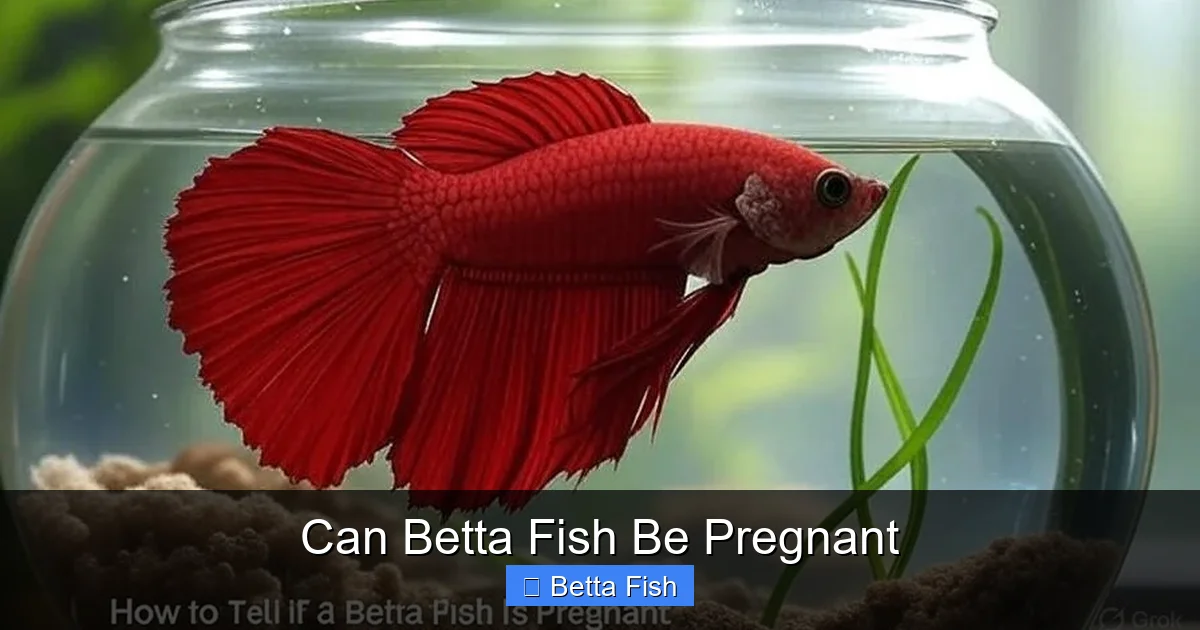
In fish terminology, a female that is carrying fertilized eggs is called gravid. The eggs develop outside the body, attached to the female’s belly or a bubble nest built by the male. Because the eggs are not inside the mother’s body, the word “pregnant” is technically inaccurate.
Visual guide about Can Betta Fish Be Pregnant
Image source: calculatordiary.com
The breeding cycle in simple steps
- Courtship: The male flares his fins and displays his colors to attract a female.
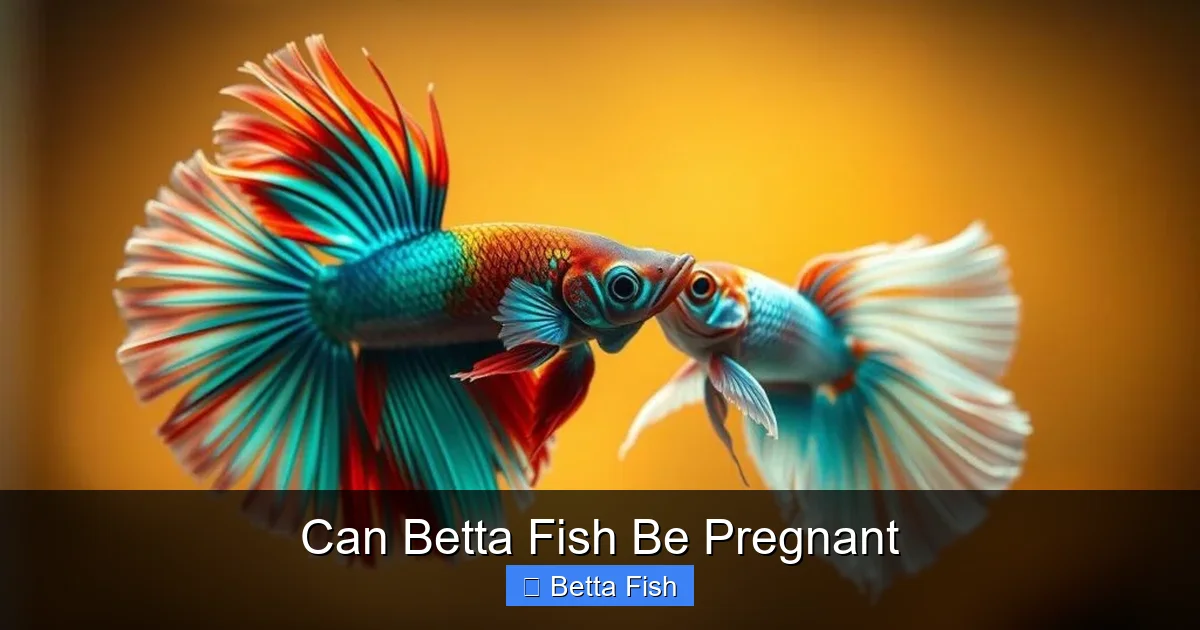
- Spawning swap: The female releases eggs, and the male fertilizes them as they fall.
- Bubble nest: The male gathers the sticky eggs into his bubble nest at the water surface.
- Egg development: Over 2‑4 days the eggs hatch into fry.
- Fry care: Fry remain in the nest for a few days before becoming free‑swimming.
Knowing these steps helps you answer the core question: Can betta fish be pregnant? The short answer is no, but a female can be gravid, meaning she is temporarily carrying fertilized eggs.
2. How to Tell If Your Betta Is Gravid
Physical clues
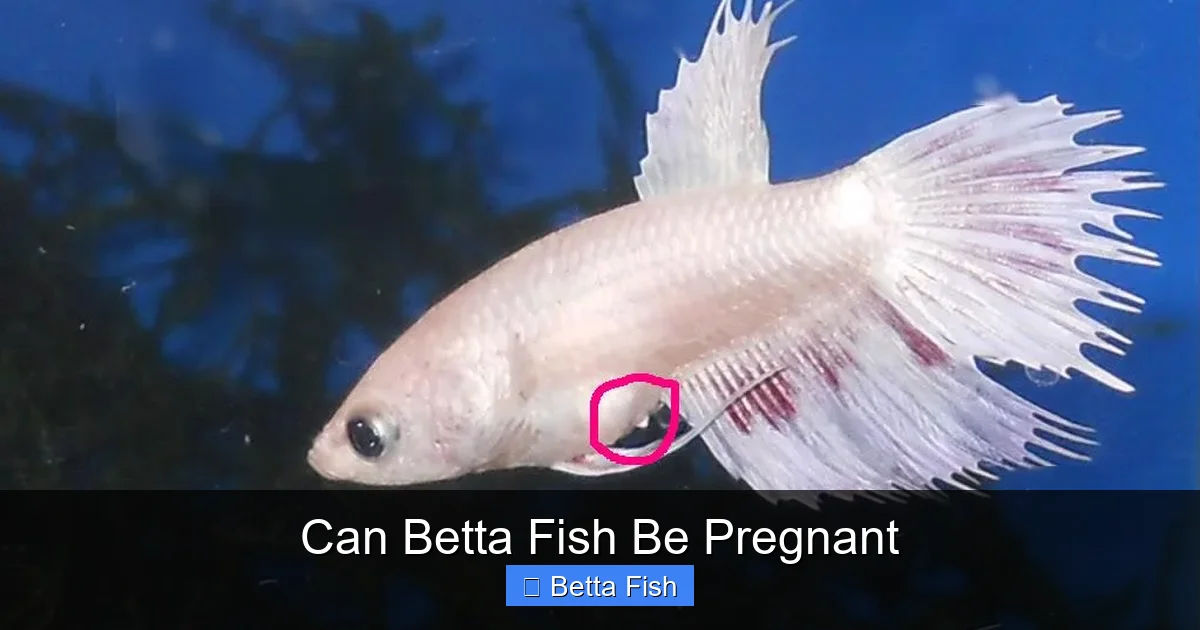
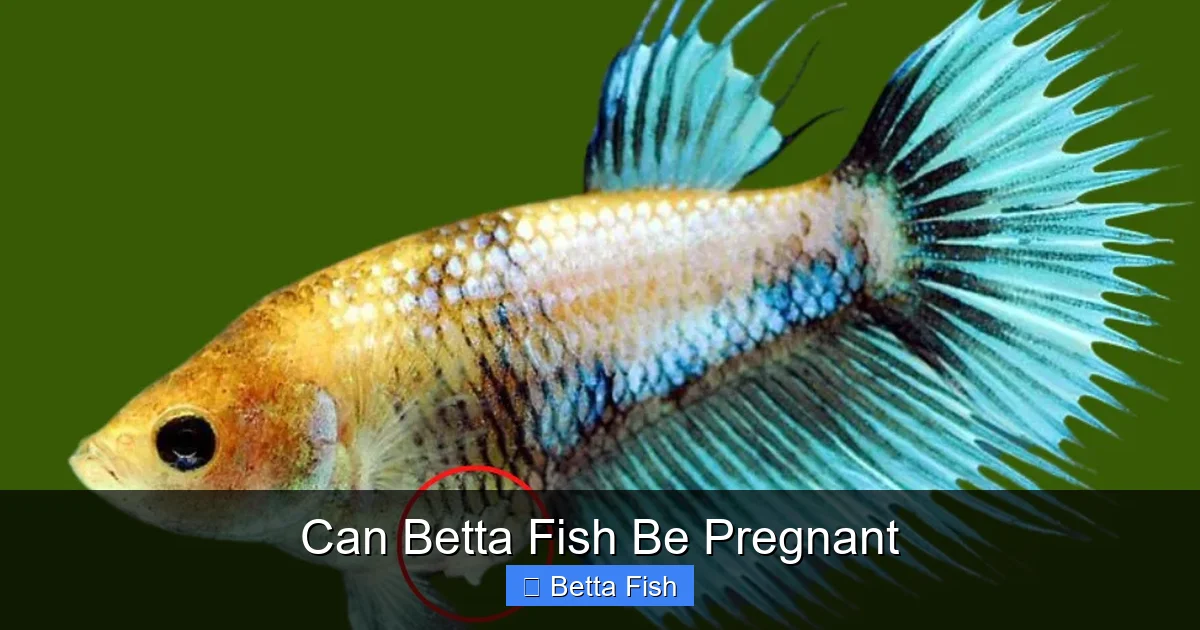
When a female is ready to spawn, her abdomen swells noticeably. You may also see a darker vertical stripe running from her dorsal fin to her vent. The belly will feel slightly firm to the touch, like a small balloon.
Visual guide about Can Betta Fish Be Pregnant
Image source: koibettafish.com
Behavioral signs
- Increased activity and frequent “wiggling” near the water surface.
- More frequent hiding in plants or decorations as she prepares a safe spot.
- Occasional “spawning swap” attempts with a male even if you haven’t introduced one yet.
For a deeper dive on spotting these signs, check our article How Can You Tell If Your Betta Fish Is Pregnant. It explains the visual cues in detail and includes photos to compare.
3. Setting Up the Perfect Breeding Tank
Tank size and equipment
A 5‑gal (20‑liter) tank is ideal for a breeding pair. It provides enough space for a bubble nest while keeping water parameters stable. Equip the tank with a gentle sponge filter to avoid sucking up eggs, and a heater set between 78‑80°F (25‑27°C).
Visual guide about Can Betta Fish Be Pregnant
Image source: i.pinimg.com
Water parameters
- pH: 6.5‑7.5
- Hardness: Soft to moderately hard (4‑10 dGH)
- Temperature: 78‑80°F (25‑27°C)
Maintain a stable environment for at least a week before introducing the pair. Sudden changes can stress the fish and delay spawning.
Creating a bubble nest
Place a piece of smooth slate or a leaf near the water surface. Males love flat surfaces to attach bubbles. Use a dim light to encourage nest building; bright lighting can make the male nervous.
For more ideas on compatible tank mates, see our guide Can Betta Fish Be With Other Fish. While most breeding setups are single‑pair, knowing which species can coexist helps if you plan a community tank after the fry are raised.
4. The Spawning Process: From Egg to Fry
Introducing the pair
Place the male and female in a neutral container together for 10‑15 minutes. Observe their interaction. If the male flares and the female displays the gravid belly, they are ready.
Spawning swap and egg fertilization
The female will rise to the surface, release a clutch of 20‑200 eggs, and the male will immediately fertilize them. The male then gathers the sticky eggs into his bubble nest.
Post‑spawning care
- Remove the female after spawning to prevent her from eating eggs.
- Keep the male in the tank for 2‑3 days to guard the nest.
- Feed the male small live foods (brine shrimp) to keep his energy up.
5. Raising Betta Fry: Feeding and Growth
First food: Infusoria
Newly hatched fry are tiny and need microscopic food. Infusoria cultures can be grown in a separate jar with wheat grass and a few drops of fish food.
Transition to microworms
After 4‑5 days, fry will be big enough for microworms. Offer a few drops of water from the fry tank to the microworm culture to keep the food fresh.
Water changes
Perform 25‑30% water changes daily for the first week. Use a water conditioner that removes chlorine and chloramines but leaves beneficial bacteria intact.
Weaning to powdered fry food
By two weeks, fry can handle finely ground betta pellets. Gradually increase pellet size as they grow.
6. Common Mistakes and How to Avoid Them
Keeping the female too long
If the female stays after spawning, she may eat the eggs. Remove her promptly.
Over‑feeding the male
Too much food can foul the water, harming the eggs. Feed small portions twice daily.
Using the wrong filter
Strong power filters can suck up eggs and fry. A sponge filter or a gentle hang‑on back filter with a pre‑filter sponge works best.
Assuming male pregnancy
Some owners wonder Can Male Betta Fish Get Pregnant. The answer is no; males only fertilize and guard the eggs.
Conclusion: Embrace the Gravid Journey
While the phrase “can betta fish be pregnant” can be misleading, understanding the gravid stage unlocks a rewarding breeding experience. By recognizing the signs, setting up a proper tank, and providing diligent care, you’ll watch tiny betta fry hatch and grow into the vibrant fish you love. Remember, patience and observation are your best tools. Happy breeding!
Frequently Asked Questions
Can a female betta fish get “pregnant”?
She becomes gravid, meaning she carries fertilized eggs externally, not pregnant like mammals.
How long does it take for betta eggs to hatch?
Eggs usually hatch in 2‑4 days, depending on water temperature and quality.
Do male bettas take care of the eggs?
Yes, the male builds a bubble nest and guards the eggs until they hatch, then may care for fry for a few days.
Can I keep other fish with a breeding betta pair?
It’s best to keep the pair alone during spawning; other fish can stress them and may eat eggs.
What should I feed betta fry in the first week?
Infusoria or finely crushed fry food are ideal for the first few days, then move to microworms.
Is it normal for a betta to show a swollen belly without a male?
Yes, a female can become gravid after storing eggs from a previous spawn, even if the male is removed.