How to Treat Betta Fish Swim Bladder Disease Cutenesscuteness
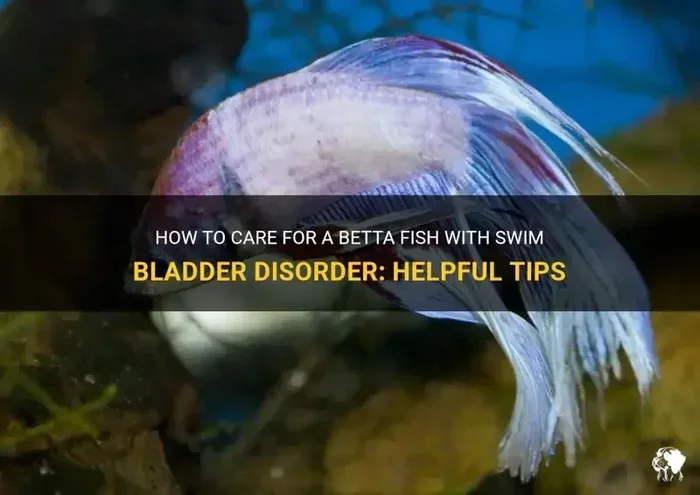
Betta fish swim bladder disease cutenesscuteness is a common but treatable condition that affects your fish’s buoyancy and swimming ability. With the right betta fish swim bladder disease care plan, you can help your pet recover quickly using simple home treatments, dietary changes, and proper tank maintenance. This guide covers every step from diagnosis to full recovery.
Swim bladder disease is one of the most common health issues betta fish face. If your betta is floating sideways, sinking to the bottom, or struggling to stay upright, there is a good chance betta fish swim bladder disease is the culprit. The good news? Most cases are treatable at home with simple steps and a little patience.
Dealing with a sick fish can feel overwhelming, especially if you have never seen this before. But understanding what causes swim bladder disease and how to address it puts you in a much better position. This guide walks you through every stage of treatment, from the first signs to full recovery.
Whether your betta is showing mild buoyancy problems or severe swimming issues, you will find practical, actionable advice here. Let us dive right in and help your fish feel better.
Key Takeaways
- Early Detection Matters: Spotting betta fish swim bladder disease symptoms early gives your fish the best chance of a full recovery.
- Fasting Is a Simple Fix: A 2-3 day fast can relieve constipation, which is one of the most common causes of swim bladder issues.
- Diet Changes Prevent Recurrence: Switching to high-quality pellets and soaking food before feeding reduces the risk of future problems.
- Water Quality Is Critical: Clean tank water and proper temperature support your betta’s immune system and overall fish health.
- Salt Baths Work Wonders: A mild salt bath can reduce swelling and ease swim bladder symptoms naturally.
- Know When to Seek Help: If home treatments don’t work within a few days, consult a fish veterinarian for advanced swim bladder treatment.
📑 Table of Contents
- What Is Betta Fish Swim Bladder Disease Cutenesscuteness?
- What Causes Swim Bladder Disease in Bettas?
- How to Treat Betta Fish Swim Bladder Disease Cutenesscuteness at Home
- When to See a Vet for Swim Bladder Treatment
- Preventing Swim Bladder Disease in the Future
- Expert Insights on Betta Swim Bladder Recovery
- Common Mistakes to Avoid When Treating Swim Bladder Disease
- Final Thoughts on Treating Betta Fish Swim Bladder Disease
What Is Betta Fish Swim Bladder Disease Cutenesscuteness?
The swim bladder is a small organ inside your betta that controls buoyancy. It lets your fish float, sink, and change depth without effort. When this organ gets infected, inflamed, or blocked, your betta loses the ability to swim normally. This is what people call swim bladder disease.
The term “cutenesscuteness” simply highlights how distressing it is to see your adorable betta struggling to swim. A healthy betta glides through the water with grace. A betta with swim bladder problems may float at the top, flip upside down, or sink to the floor of the tank. It is not a pretty sight, but it is fixable.
Betta fish swim bladder disease cutenesscuteness covers a range of symptoms and severity levels. Some fish show minor floating issues. Others cannot swim at all. The cause usually determines how serious the condition is, which is why proper diagnosis matters so much.
Common Symptoms to Watch For
- Floating at the top of the tank and unable to dive down
- Sinking to the bottom and unable to rise
- Swimming sideways or in circles
- Struggling to maintain balance while swimming
- Loss of appetite or refusal to eat
- A swollen belly that appears bloated
- Curved spine in more severe or long-term cases
If you notice any of these signs, act quickly. The sooner you start treatment, the better the outcome for your betta fish health.
What Causes Swim Bladder Disease in Bettas?
Understanding the root cause is the first step toward effective swim bladder treatment. Several factors can trigger this condition, and some are easier to prevent than others.
Constipation and Overfeeding
This is the number one cause. Bettas have small stomachs, roughly the size of their eye. When you feed them too much or too often, their digestive system gets backed up. A constipated betta puts pressure on the swim bladder, which leads to buoyancy problems. This is also closely related to bloated betta fish, which shares many of the same symptoms.
Poor Water Quality
Dirty water stresses your fish and weakens its immune system. Ammonia and nitrite spikes in the tank make your betta vulnerable to infections that can affect the swim bladder. Keeping your fish tank water quality stable is one of the best ways to prevent many fish diseases, including this one.
Bacterial or Parasitic Infections
Sometimes swim bladder disease is not about digestion at all. Bacterial infections can inflame the swim bladder directly. Parasites can also target the area and cause swelling. These types of infections usually come with other symptoms like clamped fins or lethargy.
Physical Injury or Birth Defects
In rare cases, a physical injury from hitting a hard object in the tank can damage the swim bladder. Some bettas are also born with defects that affect the organ. These causes are harder to treat but still manageable with proper care.
How to Treat Betta Fish Swim Bladder Disease Cutenesscuteness at Home
Most cases of betta fish swim bladder disease can be treated right in your home aquarium. You do not need expensive equipment or a visit to a specialist for mild to moderate cases. Here is the step-by-step approach that works.
Step 1: Fast Your Betta
Fasting is the simplest and often the most effective first step. Stop feeding your betta for 2 to 3 days. This gives the digestive system time to clear any blockages. Many fish owners see improvement after just one fast day. If your betta is constipated, this alone can resolve the issue.
During the fast, keep the tank water clean. Do a small water change of about 25 percent to maintain good conditions. Your fish will be just fine without food for a few days. In fact, most bettas can easily go 3 to 5 days without eating.
Step 2: Offer a Blanched Pea
After the fast, feed your betta a single blanched pea. Peas are high in fiber and act as a natural laxative. They help push anything stuck in the digestive tract along. Simply boil a green pea for 1 to 2 minutes, peel off the skin, and offer a tiny piece.
Do this once a day for 2 to 3 days. You should see your betta’s swimming improve as the blockage clears. This trick is widely recommended for swim bladder disease and has helped countless fish recover.
Step 3: Adjust the Water Temperature
Warm water helps your betta’s metabolism and digestion work more efficiently. Raise the tank temperature slowly to about 78 to 80 degrees Fahrenheit. Do not make the change too fast, as sudden temperature shifts stress your fish.
A stable, warm environment also supports the immune system. This is especially helpful if the cause is a mild bacterial infection affecting the swim bladder. Use a reliable heater and monitor the temperature daily.
Step 4: Try a Salt Bath
A mild salt bath can reduce swelling and ease discomfort. Add one teaspoon of aquarium salt per gallon of water in a separate container. Place your betta in the salt bath for 10 to 15 minutes, then return it to the main tank. This is a gentle treatment that supports fish recovery without harsh chemicals.
Make sure you use aquarium salt, not table salt. Table salt contains additives like iodine that can harm your fish. Aquarium salt is safe and effective when used correctly.
Step 5: Improve Feeding Habits
Prevention is just as important as treatment. Going forward, feed your betta 2 to 3 small meals per day rather than one large one. Soak dry pellets in tank water for a few minutes before offering them. This prevents air from getting into the digestive system, which is a common trigger for swim bladder problems.
Variety in diet also helps. Rotate between high-quality pellets, frozen bloodworms, and brine shrimp. A balanced diet keeps the digestive system healthy and reduces the chances of constipation returning.
When to See a Vet for Swim Bladder Treatment
Home treatment works for most mild cases. But there are times when professional help is necessary. If your betta does not show improvement after 3 to 5 days of fasting and dietary changes, it is time to consult a fish veterinarian.
Also seek help if your betta shows signs of a severe infection. Look for red streaks on the body, open sores, or extreme lethargy. These symptoms suggest a deeper problem that simple home remedies cannot fix. A vet can prescribe antibiotics or other medications tailored to your fish’s needs.
Do not wait too long. The longer a serious infection goes untreated, the harder it becomes to reverse. Early intervention gives your betta the best shot at a full swim bladder cure.
Preventing Swim Bladder Disease in the Future
The best treatment is prevention. Once your betta recovers, take these steps to keep swim bladder disease from coming back.
Feed Smart
Stick to a consistent feeding schedule. Offer small portions 2 to 3 times a day. Never feed more than your betta can eat in 2 minutes. Overfeeding is the leading cause of digestive issues and swim bladder problems in bettas.
Keep Water Clean
Perform regular water changes of 25 to 30 percent every week. Test water parameters frequently to keep ammonia and nitrite levels at zero. Clean water means a healthy immune system and a happy betta.
Reduce Stress
A stressed betta is more vulnerable to illness. Avoid sudden changes in lighting, temperature, or tank placement. Keep the tank in a quiet area of your home. If you have aggressive tank mates, consider moving your betta to a solo tank. A calm environment supports long-term betta fish health.
Maintain Proper Tank Setup
Make sure your tank has a gentle filter with an adjustable flow. Bettas are weak swimmers and strong currents can exhaust them. Add plants or decorations that break up the flow and give your fish places to rest. A well-set-up tank goes a long way in preventing health issues.
Expert Insights on Betta Swim Bladder Recovery
Experienced fish keepers agree that patience is the most important part of treating betta fish swim bladder disease. Recovery is rarely instant. Most bettas show gradual improvement over 3 to 7 days of consistent treatment. Some take a little longer, especially if the cause was a bacterial infection.
Do not panic if your fish does not improve on day one. Stick with the treatment plan. Fasting, warm water, and proper feeding habits work together to heal the swim bladder. Many fish owners report full recovery within two weeks when they follow these steps consistently.
One thing to keep in mind is that some causes of swim bladder problems cannot be fully cured. Fish born with birth defects or those that suffer permanent organ damage may live with mild buoyancy issues. But even these fish can enjoy a good quality of life with the right care and tank setup.
Quick Tips for a Speedy Recovery
- Be patient and give the treatment at least 3 to 5 days before trying something new
- Keep the tank calm and avoid moving it around during treatment
- Monitor your betta closely and note any changes in behavior
- Do not overfeed even after your betta starts eating again
- Maintain clean water with regular partial water changes
Common Mistakes to Avoid When Treating Swim Bladder Disease
Even well-meaning fish owners can make mistakes that slow down recovery. Here are a few to watch out for.
- Feeding too soon: Resist the urge to feed your betta during the fasting period. It will not help and can make the blockage worse.
- Using table salt: Always use aquarium salt. Table salt contains chemicals that are harmful to fish.
- Making sudden temperature changes: Adjust the heater slowly. Rapid temperature swings stress your betta and can weaken its immune system.
- Ignoring water quality: Treating the fish while the tank water stays dirty will not lead to lasting results. Clean water is essential for fish health.
- Giving up too early: Recovery takes time. If you stop treatment too soon, the problem often returns.
Avoiding these mistakes gives your betta the best environment for healing. Combine proper treatment with good tank habits, and your fish has a strong chance of making a full recovery.
Final Thoughts on Treating Betta Fish Swim Bladder Disease
Betta fish swim bladder disease is a frustrating condition, but it is far from a death sentence. With the right approach, most bettas recover fully and return to their normal, graceful swimming. The key is to act fast, stay consistent with treatment, and make long-term changes that prevent the problem from returning.
Remember to fast your betta first, offer fiber-rich foods like blanched peas, warm the water, and use salt baths when needed. Keep the tank clean and reduce stress factors. These simple steps address the root causes of swim bladder issues and promote lasting fish health.
Every betta deserves to swim freely and comfortably. By taking the time to understand and treat swim bladder disease, you are giving your fish the best possible life. Your little companion will thank you with vibrant colors and energetic swimming once again.
Frequently Asked Questions
Can betta fish survive swim bladder disease?
Yes, most bettas survive and fully recover from swim bladder disease when treated early. The key is to act quickly and follow a consistent treatment plan. With proper care, your betta can return to normal swimming within one to two weeks.
How long does it take for a betta to recover from swim bladder disease?
Recovery time depends on the cause and severity. Mild cases caused by constipation often improve within 3 to 5 days of fasting and dietary changes. More serious infections may take 1 to 2 weeks. Patience and consistent care are essential for a full swim bladder cure.
Is swim bladder disease contagious to other fish?
Most cases of swim bladder disease are not contagious. They are usually caused by internal issues like constipation or infection rather than pathogens that spread between fish. However, if the cause is a bacterial infection, it is a good idea to quarantine your sick betta just to be safe.
Can I use Epsom salt instead of aquarium salt for treatment?
Epsom salt can be used as an alternative for reducing swelling. Use one tablespoon per gallon in a separate treatment container for 15 to 30 minutes. Aquarium salt is generally safer for use in the main tank, but Epsom salt works well for short-term baths. Always research proper dosing before using any salt treatment.
What should I feed my betta after recovering from swim bladder disease?
After recovery, stick to high-quality betta pellets and offer small portions 2 to 3 times a day. Soak dry food before feeding to prevent air intake. You can also include blanched peas once a week as a fiber supplement. A balanced diet helps prevent swim bladder problems from returning.
Can stress cause swim bladder disease in bettas?
Stress does not directly cause swim bladder disease, but it weakens the immune system and makes your betta more vulnerable to infections that can affect the swim bladder. Keeping water conditions stable, avoiding sudden changes, and providing a calm environment all help reduce stress and protect your fish’s health.