How Can We Feed Betta Fish
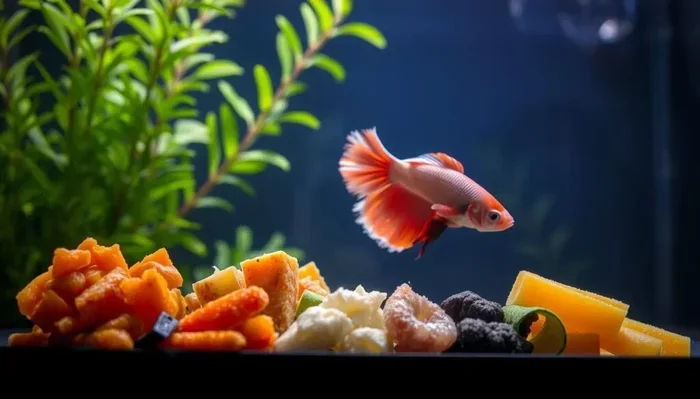
Feeding betta fish correctly is essential for their vibrant health and long lifespan. Offer small portions of high-quality pellets or frozen brine shrimp 1-2 times daily, removing any uneaten food after five minutes. A balanced diet prevents bloating and keeps your fish active, so always vary their meals with occasional treats like daphnia or bloodworms.
Key Takeaways
- Feed betta fish 2-3 times daily with small portions they can finish in under two minutes.
- Use high-quality betta pellets as the staple diet for balanced nutrition and health.
- Avoid overfeeding at all costs since bettas have small stomachs and are prone to bloating.
- Supplement with frozen or live foods like brine shrimp and bloodworms for variety and enrichment.
- Skip feeding one day per week to support digestion and prevent constipation in your betta.
- Remove uneaten food promptly to keep tank water clean and maintain healthy ammonia levels.
📑 Table of Contents
- Understanding What Betta Fish Need to Eat
- Best Foods You Can Give Your Betta Fish
- How to Feed Your Betta Fish the Right Way
- Feeding Schedule and Portion Control
- Common Feeding Mistakes and How to Fix Them
- Special Feeding Considerations for Different Betta Types
- Key Takeaways on Feeding Your Betta Fish
Understanding What Betta Fish Need to Eat
So you want to know how can we feed betta fish properly? Great question. These colorful little swimmers are some of the most popular pets in the world, and for good reason. They are stunning, personality-packed, and surprisingly hardy. But here is the thing many new betta owners miss: feeding them is not just about dropping food into the tank and walking away. It actually matters a lot what you feed them, how often, and how much.
In the wild, betta fish are carnivorous predators. They hunt insects, larvae, and small crustaceans near the surface of stagnant waters in Southeast Asia. This means their betta fish diet needs to be rich in animal-based protein. A well-planned feeding routine keeps your betta energetic, colorful, and living a long life. On the flip side, poor feeding choices can lead to health issues, dull coloration, and even a shortened lifespan. Let us break it all down for you.
What Makes a Good Betta Fish Diet?
Bettas are obligate carnivores. That means their bodies are built to process meat and protein far better than plant matter. Here is what their ideal diet looks like:
- Protein-rich food as the main staple (at least 40-50% protein content)
- A mix of live food, frozen food, and high-quality pellets
- Occasional treats like bloodworms, brine shrimp, or small insects
- Minimal plant-based matter, though some vegetable content can aid digestion
Think of it like this: you would not survive on junk food alone, right? Your betta feels the same way. A nutritious food rotation is the foundation of good betta fish care.
Best Foods You Can Give Your Betta Fish
Now let us talk about the actual foods you can offer. There are tons of options out there, but not all of them are created equal. Some are packed with nutrients, while others are basically filler. Here is a breakdown of the best choices.
High-Quality Pellets
Premium betta pellets are probably the most convenient and balanced option. Look for pellets specifically formulated for bettas. These are usually protein-rich food sources with minimal fillers. Brands like Hikari Betta Bio-Gold and Fluval Bug Bites are solid picks. Pellets sink slowly, which encourages natural foraging behavior.
Frozen and Freeze-Dried Foods
Frozen bloodworms and brine shrimp are absolute staples for betta owners. They are packed with protein and closely mimic what bettas would eat in the wild. Freeze-dried versions work too, but they can lose some nutritional value during the drying process. Always thaw frozen foods before dropping them into the tank. This prevents bloating and makes it easier for your betta to eat.
You can learn more about the safety and benefits of feeding bloodworms to betta fish in our detailed guide.
Live Foods
Nothing beats live food for triggering your betta’s natural hunting instincts. Brine shrimp, daphnia, and microworms are excellent choices. Most bettas go absolutely crazy for live food. It also encourages active movement, which is great for their overall health. You can culture brine shrimp at home or buy them from pet stores.
If you are curious about other live options, check out our article on feeding brine shrimp to betta fish.
Can Betta Fish Eat Human Food?
Some human foods are safe in small amounts. Cooked peas (shelled), tiny pieces of salmon, and mashed egg yolk can work as occasional treats. However, these should never replace their main diet. Always avoid bread, crackers, or anything processed. If you want to explore this further, read our guide on feeding human food to betta fish.
Foods to Avoid
Just as important as knowing what to feed is knowing what NOT to feed. Here is a quick list of foods to keep away from your betta:
- Bread and bread crumbs
- Crackers or chips
- Raw vegetables like lettuce or raw peas
- Dog or cat food (wrong protein balance)
- Goldfish flakes (nutritionally inadequate for bettas)
How to Feed Your Betta Fish the Right Way
Knowing what to feed is only half the battle. How can we feed betta fish correctly is just as important. The method you use affects digestion, water quality, and even your betta’s behavior.
Feeding Technique
Here is a simple step-by-step approach:
- Thaw frozen foods before adding them to the tank.
- Drop a small amount near the surface. Bettas are surface feeders, so this matches their natural behavior.
- Watch your betta eat. Remove any uneaten food after 2-3 minutes.
- Repeat this process 1-2 times daily.
Uneaten food rots quickly and tanks your betta fish tank water quality. This leads to ammonia spikes, which can make your fish seriously sick.
Hand Feeding Your Betta
Some bettas get really excited when their owner hand-feeds them. It can be a fun bonding experience. However, it is not necessary. If you do try it, use tiny pinches of food and be patient. Some bettas are shy at first but warm up quickly. Just make sure your hands are clean and free of any soap or lotion residue.
Using a Turkey Baster or Pipette
This is a great trick many experienced betta owners use. You can use a clean turkey baster or pipette to target-feed your betta. This is especially helpful if you have a picky eater or want to give a specific treat without messing up the rest of the tank. It also helps control portion sizes perfectly.
Feeding Schedule and Portion Control
One of the biggest mistakes new betta owners make is overfeeding. It is honestly very easy to do because bettas always seem hungry. But their stomachs are tiny, roughly the size of their eye. Here is what a healthy feeding routine looks like.
How Often Should You Feed a Betta?
Adult bettas do well with one to two small meals per day. Some experienced keepers recommend feeding every other day to give the digestive system a break. Young bettas or betta fry may need 2-3 smaller feedings per day since they are growing rapidly. You can learn more about daily feeding frequency in our article on feeding betta fish everyday.
How Much Should You Feed?
As a general rule, feed only what your betta can consume in about 2 minutes. For pellets, that is usually 2-3 pellets per feeding. For frozen foods, a small pinch is plenty. Remember, it is better to slightly underfeed than overfeed. An overweight betta is an unhealthy betta.
| Feeding Scenario | Recommended Amount | Frequency |
|---|---|---|
| Adult Betta (Pellets) | 2-3 pellets per meal | 1-2 times daily |
| Adult Betta (Frozen Food) | 1-2 bloodworms or shrimp | 1-2 times daily |
| Betta Fry | Infusoria or microworms | 2-3 times daily |
| Senior Betta | 1-2 pellets per meal | Once daily |
Fasting Days Are Beneficial
Yes, bettas can and sometimes should fast. Skipping a day of feeding once a week helps clear out their digestive system. This prevents constipation and bloating. Many experienced hobbyists fast their bettas on weekends as part of a healthy betta fish lifespan maintenance strategy.
Common Feeding Mistakes and How to Fix Them
Even experienced fish keepers can slip up. Here are some of the most common feeding habits mistakes and how you can correct them quickly.
Overfeeding
This is hands-down the number one killer of pet bettas. It is so easy to drop too much food in the tank. Overfeeding leads to obesity, swim bladder disorder, and dirty water. If your betta looks round and bloated, you are probably feeding too much. Cut back immediately and remove leftover food from the tank.
Our detailed guide on overfeeding betta fish covers this topic extensively if you want to dig deeper.
Feeding the Same Food Every Day
Just like humans, bettas need variety. Eating the same thing every single day gets boring, nutritionally. Rotate between pellets, frozen foods, and occasional live food. This ensures a well-rounded betta fish diet and keeps mealtime exciting for your fish.
Ignoring Water Quality After Feeding
Food that sinks to the bottom and rots creates ammonia. Always skim the surface and check the bottom of your tank after feeding. A good filter helps, but it cannot handle excess food buildup alone. Regular water changes (25-50% weekly) are essential for betta fish health.
Feeding Too Close to Lights
Bettas have natural feeding times tied to light cycles. Feed them shortly after lights turn on and again before lights go off. This mimics their natural feeding time in the wild and encourages normal activity patterns.
Quick Tips to Avoid Common Mistakes
- Set a feeding alarm or reminder so you do not accidentally feed twice
- Use a measuring spoon or pinching method for consistent portions
- Always remove uneaten food after a few minutes
- Keep a feeding log if you are tracking your betta’s meals
Special Feeding Considerations for Different Betta Types
Not all bettas are the same. Different types and life stages have slightly different feeding needs. Let us break this down.
Young Betta Fish and Fry
Baby bettas and fry need very small, frequent meals. Infusoria, microworms, and freshly hatched brine shrimp nauplii are perfect for them. They need to eat 2-3 times daily. Growth is rapid during the first few months, so nutrition is critical. A protein-rich food diet during this stage sets them up for a healthy adult life.
Senior Betta Fish
Older bettas may slow down and eat less. Their metabolism decreases with age. Switch to softer foods and reduce portions slightly. You might also want to soak pellets briefly before feeding to make them easier to chew. Watch for weight loss and adjust accordingly.
Siamese Fighting Fish vs. Plakat Bettas
Both are bettas, but their activity levels differ. Plakat (short-finned) bettas tend to be more active swimmers and may burn more calories. Show bettas with long, flowing fins might eat at a similar rate but can be prone to swim bladder issues due to their body shape. Either way, the core how can we feed betta fish principles remain the same. Quality food, proper portions, and consistency win the day.
Betta Fish and Vegetable Matter
While bettas are primarily carnivorous, a tiny bit of plant matter can help with digestion. Cooked and shelled peas are a classic recommendation. Mash them slightly and offer a small piece once a week. You can read more about this in our guides on feeding vegetables to betta fish and feeding peas to betta fish.
Avoid giving raw vegetables. Bettas simply cannot digest plant fiber efficiently. Stick to small amounts of cooked options as an occasional supplement.
Key Takeaways on Feeding Your Betta Fish
So let us wrap this all up. Learning how can we feed betta fish properly comes down to a few core principles. First, offer a varied diet with high-quality protein sources. Second, stick to a consistent feeding routine with proper portion control. Third, avoid the trap of overfeeding, which causes more harm than good. Fourth, keep your tank clean and remove leftover food promptly. Fifth, adjust feeding strategies based on your betta’s age, activity level, and health.
Your betta fish depends on you for everything. A thoughtful feeding plan does not just keep them alive, it helps them thrive. Bright colors, active swimming, and a long betta fish lifespan all start with what goes into their mouth. Take the time to get it right, and your betta will reward you with years of beauty and personality.
Start today. Pick a quality pellet, grab some frozen bloodworms or brine shrimp, and give your betta the meal they deserve. They will thank you for it, even if they show it through a little fin flutter at the top of the tank.
Frequently Asked Questions
How Can We Feed Betta Fish Properly Every Day?
Feed your betta fish two small meals per day, morning and evening. Use only what they can consume in two to three minutes to prevent overfeeding and water contamination.
What Should You Feed Betta Fish for Best Nutrition?
A balanced diet includes high-quality betta pellets, frozen bloodworms, brine shrimp, and occasional daphnia. These foods provide the protein-rich nutrition bettas need to stay vibrant and healthy.
Can Betta Fish Eat Regular Fish Flakes?
Betta fish can eat flakes, but they often lack the protein levels bettas require. Choose flakes specifically formulated for bettas or supplement with pellet food for better nutrition.
How Much Food Is Enough for a Betta Fish?
Give your betta two to three pellets or a small pinch of food per meal. Their stomachs are roughly the size of their eye, so less is always more when it comes to feeding.
What Happens If You Overfeed a Betta Fish?
Overfeeding can cause bloating, constipation, and poor water quality from uneaten food. Always remove any leftover food after feeding to keep the tank clean and your fish healthy.
How Can We Feed Betta Fish When Going on Vacation?
Use an automatic fish feeder or ask a trusted friend to feed your betta once per day. Pre-measure portions before you leave to ensure your fish gets the right amount while you are away.