How to Take Care of Betta Fish Petmdpetmd
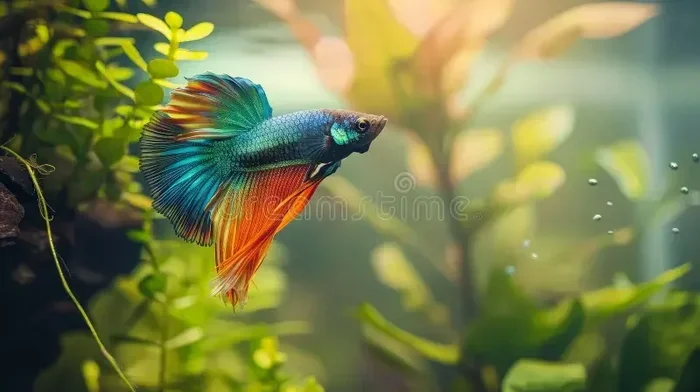
Taking care of a betta fish doesn’t have to be hard. This guide covers everything you need to know about betta fish care petmdpetmd, from setting up the perfect tank to feeding the right diet. You will learn simple steps to keep your betta happy, healthy, and vibrant for years to come.
If you have a betta fish or are thinking about getting one, you want to do right by your new pet. how to take care of betta fish petmdpetmd is a topic that comes up a lot, and for good reason. Betta fish are beautiful, unique creatures that bring a lot of joy to a home. But they also need proper care to stay healthy and happy.
Many people think bettas are low-maintenance fish because they can survive in small bowls. That is a myth. In reality, bettas thrive when you give them the right environment, food, and attention. This guide will walk you through everything you need to know. We will cover tank setup, water conditions, feeding, common health issues, and more. By the end, you will feel confident and ready to provide the best betta fish care possible.
Whether you are a complete beginner or have had bettas before, there is always something new to learn. Let us dive in and make sure your fish lives its best life.
Key Takeaways
- Tank Size Matters: A minimum 5-gallon tank gives your betta room to thrive and reduces stress.
- Water Quality Is Critical: Keep the temperature between 76-82°F and use a water conditioner to remove harmful chemicals.
- Diet Affects Health: Feed high-quality betta pellets and occasional treats, but avoid overfeeding.
- Watch for Warning Signs: Knowing the signs of stress and illness helps you act fast and save your fish.
- Regular Maintenance: Weekly water changes and tank cleaning prevent most common betta health problems.
- Avoid Common Mistakes: Small bowls, cold water, and overcrowding are the top reasons bettas struggle.
📑 Table of Contents
Setting Up the Perfect Betta Tank
The foundation of great betta fish care petmdpetmd starts with the right tank. Many pet stores sell bettas in tiny cups or vases. That is not a suitable long-term home. Your betta needs space to swim and explore.
How Big Should the Tank Be?
A 5-gallon tank is the minimum size for a single betta. This gives your fish enough room to move around comfortably. Larger tanks, like 10 gallons, are even better. They make it easier to maintain stable water conditions.
Here are some quick tank size guidelines:
- 1-3 gallons: Too small. Only acceptable for temporary housing.
- 5 gallons: The minimum recommended size for one betta.
- 10 gallons or more: Ideal for a single betta or a small community setup.
Essential Tank Equipment
You will need a few key items to set up a healthy environment. First, a water conditioner is a must. Tap water contains chlorine and chloramine that can harm your fish. A conditioner neutralizes these chemicals instantly.
Next, consider a small aquarium heater. Bettas are tropical fish and need warm water. A heater keeps the temperature steady between 76 and 82 degrees Fahrenheit. A thermometer helps you monitor the temperature daily. A gentle filter is also important, but make sure the current is not too strong. Bettas prefer slow-moving water.
Water Quality and Temperature
how to take care of betta fish water is one of the most important parts of betta fish care. Clean, warm water keeps your fish healthy and active. Dirty or cold water leads to stress, illness, and a shortened lifespan.
The Right Temperature Range
Bettas need warm water to thrive. The ideal range is 76 to 82 degrees Fahrenheit. If the water drops below 74 degrees, your betta may become sluggish and lose its appetite. Cold water also weakens the immune system, making your fish more vulnerable to disease.
Using an aquarium heater with a thermostat makes this easy. Just set it and check the temperature regularly with a thermometer. Sudden temperature changes can shock your fish, so always adjust the heater gradually.
Water Changes and Cleaning
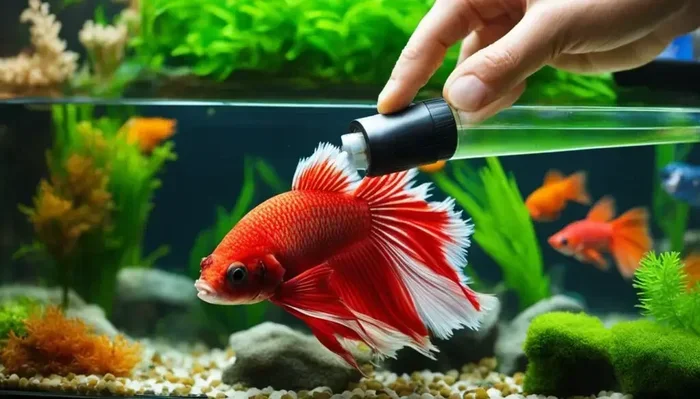
You should do partial water changes every week. Replace about 25 to 30 percent of the tank water with fresh, conditioned water. This removes waste buildup and keeps the environment clean.
For a 5-gallon tank, a weekly routine looks like this:
- Siphon out 25 percent of the water from the bottom of the tank.
- Rinse the gravel gently to remove debris.
- Add fresh water that has been treated with a conditioner.
- Check the temperature to make sure it matches the tank.
Never do a full water change all at once. That removes beneficial bacteria that help break down waste. Keeping a stable nitrogen cycle in your tank is essential for long-term betta fish health.
Feeding Your Betta Fish Properly
Feeding is a big part of how to take care of betta fish petmdpetmd. Bettas are carnivores by nature. They need a protein-rich diet to stay vibrant and energetic. Many people make the mistake of feeding their betta generic flake food. That does not give them the nutrition they need.
Best Foods for Bettas
High-quality betta pellets should be the staple of your fish’s diet. Look for pellets where the first ingredient is fish meal or shrimp. These provide the protein bettas need. You can also offer frozen or live foods as treats. Bloodworms, brine shrimp, and daphnia are all excellent options.
Here is a simple feeding guide:
- Daily staple: 2 to 3 betta pellets, twice a day.
- Treats: Frozen or live food, 2 to 3 times per week.
- Portion size: Only what your fish can eat in 2 minutes.
Overfeeding: The Biggest Feeding Mistake
Overfeeding is one of the most common problems in betta fish care. Bettas have small stomachs, and uneaten food rots in the water, polluting it. This leads to poor water quality and health problems. If your betta’s belly looks round and swollen, you are probably feeding too much.
Skip one feeding day per week. This helps your fish’s digestive system stay healthy. It also gives the tank a chance to clear out waste naturally.
Common Health Issues and How to Prevent Them
Even with the best care, bettas can get sick sometimes. Knowing the signs of a sick betta fish helps you catch problems early. The sooner you act, the better the chances of recovery.
Signs Your Betta May Be Unwell
Watch for these common warning signs:
- Clamped fins: Fins held close to the body instead of spread out.
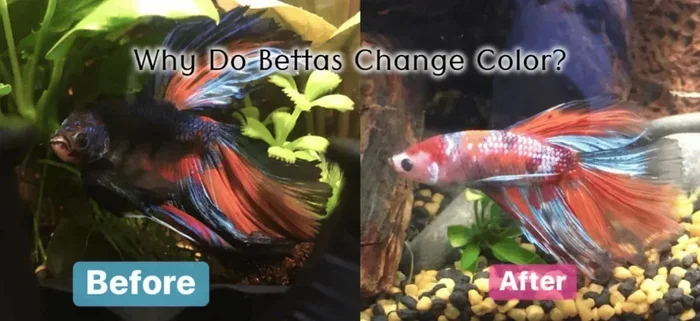
- Loss of color: Fading or dullness in the body and fins.
- Not eating: Refusing food for more than two days.
- Lethargy: Spending most of the time at the bottom or hiding.
- White spots on the body: A sign of ich, a common parasitic infection.
- Red or inflamed gills: May indicate a bacterial infection.
Prevention Tips
The best way to keep your betta healthy is through prevention. Maintain clean water, feed a balanced diet, and keep the temperature stable. Avoid placing the tank in direct sunlight or near drafty windows. Temperature swings stress your fish and weaken its immune system.
If you notice any signs of illness, act quickly. how to care for a sick betta fish often starts with isolating the fish in a quarantine tank. This prevents the spread of disease and makes treatment easier. You can also do a water change and check the parameters to rule out water quality issues.
Creating a Comfortable Habitat
A happy betta is a healthy betta. Beyond water and food, the overall environment matters. Bettas are curious fish that enjoy exploring their surroundings. Making the tank comfortable goes a long way in how to properly care for betta fish.
Decorations and Hiding Spots
Add some live or silk plants to the tank. Bettas love to rest on leaves and explore greenery. Avoid sharp plastic decorations that can tear their delicate fins. Caves and hiding spots give your betta a sense of security, which reduces stress.
Can Betta Fish Live with Other Fish?
This is a common question in betta fish care. The short answer is: it depends. Male bettas are aggressive toward other bettas and fish with long, flowing fins. Female bettas can sometimes live in small groups called sororities, but this requires careful setup.
Good tank mates for bettas include:
- Neon tetras
- Corydoras catfish
- Snails like mystery snails
- Small bottom-dwelling fish
Always monitor your fish when introducing new tank mates. If you see aggression or fin nipping, separate the fish immediately.
Common Mistakes to Avoid in Betta Fish Care
Learning from other people’s mistakes saves you time and heartache. Here are the most common errors fish keepers make when caring for bettas.
Keeping Bettas in Tiny Bowls
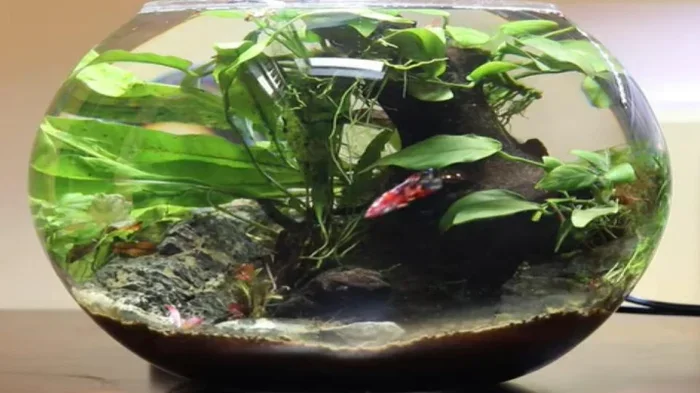
This is the number one mistake. Tiny bowls do not provide enough space, oxygen, or room for a filter and heater. A bowl also makes it nearly impossible to maintain stable water conditions. Your betta deserves better than a cramped cup.
Ignoring the Water Cycle
New tanks need time to establish a healthy bacteria colony. This is called the nitrogen cycle. Skipping this step leads to ammonia spikes that can be deadly. Always cycle your tank before adding your betta. If you are unsure how to do this, look up guides on how to properly care for betta fish to learn the steps.
Not Doing Regular Maintenance
Setting up a tank is not a one-time job. You need to test the water, change the water, and clean the filter regularly. Skipping maintenance leads to a slow decline in water quality that your fish may not show obvious signs of until it is too late.
How Long Do Betta Fish Live with Proper Care?
With the right setup and consistent care, bettas can live between 3 and 5 years. Some well-cared-for bettas even reach 7 years. This is a big commitment, but it is also very rewarding. Watching your fish thrive and show off its colors is one of the joys of fish keeping.
The key is consistency. Small daily habits like checking the temperature, feeding the right amount, and doing weekly water changes add up over time. Your betta will thank you with vibrant colors, active swimming, and a long, healthy life.
Final Thoughts on Betta Fish Care
Learning how to take care of betta fish petmdpetmd is a journey that starts with the basics and grows from there. You do not need to be an expert to give your betta a great life. Start with a proper tank, clean water, good food, and a watchful eye. These simple steps make all the difference.
Remember, every fish is different. Pay attention to your betta’s behavior and adjust your care routine as needed. If something seems off, do not wait. Act fast and address the issue. Your betta depends on you for everything, and the effort you put in will be repaid with a beautiful, lively companion for years to come.
Keep learning, keep observing, and enjoy the process. how to take care of betta fish becomes second nature once you see your fish thriving. And that is the best feeling in the world.
Frequently Asked Questions
What is the minimum tank size for a betta fish?
A 5-gallon tank is the minimum recommended size for a single betta. While bettas can survive in smaller containers, a 5-gallon tank gives them enough space to swim, explore, and stay healthy. Larger tanks are even better because they make it easier to maintain stable water conditions.
How often should I change my betta fish water?
You should do a partial water change of about 25 to 30 percent every week. This removes waste, excess food, and harmful chemicals from the tank. Always use a water conditioner when adding fresh water to neutralize chlorine and chloramine from tap water.
What should I feed my betta fish?
High-quality betta pellets should be the main part of your betta’s diet. You can supplement this with frozen or live foods like bloodworms, brine shrimp, and daphnia. Feed only what your fish can eat in about two minutes, twice a day, and skip one feeding day per week to support digestion.
Why is my betta fish not eating?
A betta that refuses food may be stressed, sick, or uncomfortable with the water temperature. Check that the water is between 76 and 82 degrees Fahrenheit and that the tank is clean. If your betta still refuses food for more than two days, look for other signs of illness and consider consulting a fish health guide or a veterinarian.
Can betta fish live with other fish?
Male bettas are usually too aggressive to share a tank with other bettas or fish with long fins. However, they can sometimes live peacefully with small, peaceful community fish like neon tetras, corydoras, or snails. Always monitor the tank closely when introducing new tank mates and be ready to separate them if needed.
How can I tell if my betta fish is stressed?
Common signs of stress in bettas include clamped fins, loss of color, lethargy, rapid breathing, and hiding frequently. Stress is often caused by poor water quality, incorrect temperature, aggressive tank mates, or lack of hiding spots. Addressing the underlying cause usually helps your betta return to its normal, active behavior.