Can Betta Fish and Glofish Be in the Same Tank
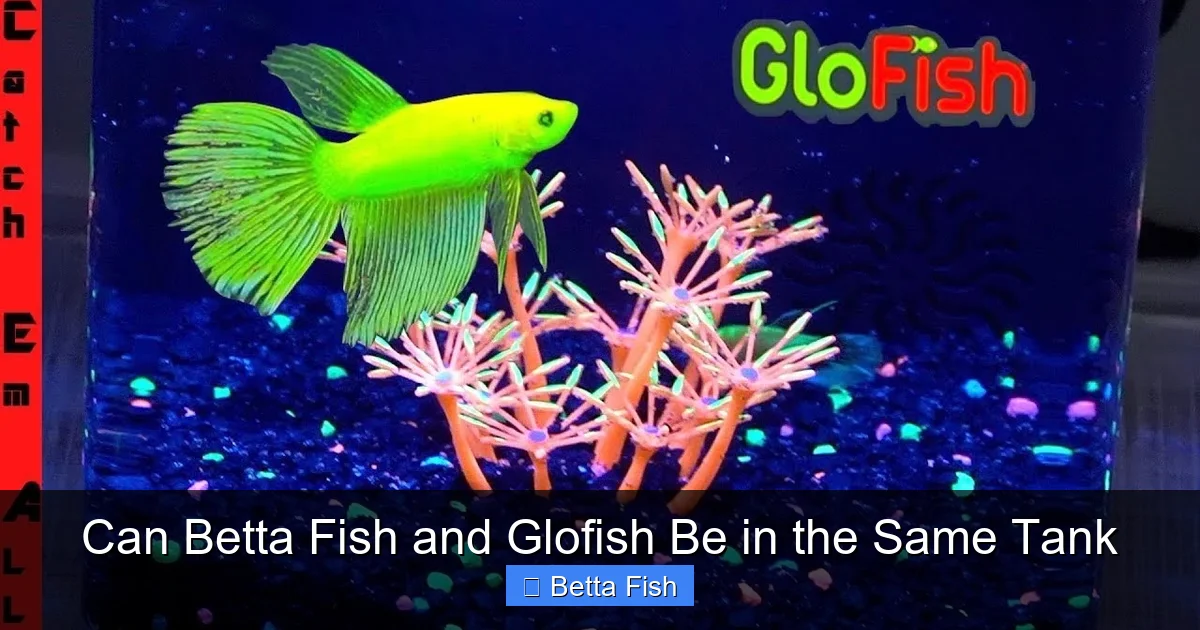
Betta fish and GloFish can live together, but only under very specific conditions. Key factors include tank size, temperament, water parameters, and careful monitoring. Follow our step‑by‑step guide to create a safe, colorful home for both species.
Key Takeaways
- Tank size matters: A minimum of 20 gallons gives enough space for territories.
- Choose the right betta: Peaceful or female bettas are less likely to attack GloFish.
- Match water parameters: Both species thrive at 76‑82°F and a pH of 6.5‑7.5.
- Provide plenty of hiding spots: Plants, caves, and driftwood reduce stress.
- Monitor behavior daily: Early signs of aggression require immediate action.
- Start with a quarantine period: Treat new fish separately for 2‑4 weeks.
- Use compatible tank mates: Small, non‑aggressive species complement the community.
📑 Table of Contents
Introduction: A Bright Idea or a Risky Mix?
Imagine a tank that glows with the neon colors of GloFish while a regal betta flaunts its flowing fins. The visual appeal is undeniable, and many hobbyists ask, “Can betta fish and GloFish be in the same tank?” The short answer is yes—if you set it up correctly. This article walks you through everything you need to know, from temperament to water chemistry, so you can decide whether this combo is right for you.
We’ll cover the science behind each species, practical tank‑setup tips, and how to spot trouble before it becomes a problem. By the end, you’ll have a clear plan to create a peaceful, eye‑catching community aquarium.
Understanding the Species
Betta Fish: Personality and Needs
Betta fish (Betta splendens) are famous for their aggressive streak, especially males. They are labyrinth fish, meaning they can breathe air from the surface, which makes them tolerant of lower oxygen levels. However, they still need clean, warm water, a stable temperature (76‑82°F), and a pH between 6.5 and 7.5. Their diet consists of high‑protein flakes, pellets, and occasional live foods.
Visual guide about Can Betta Fish and Glofish Be in the Same Tank
Image source: i.ytimg.com
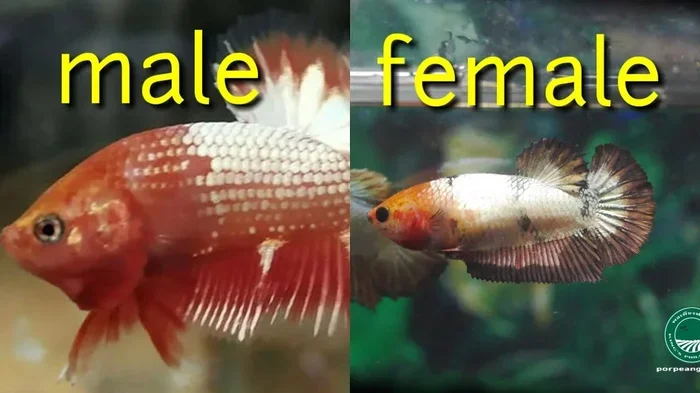
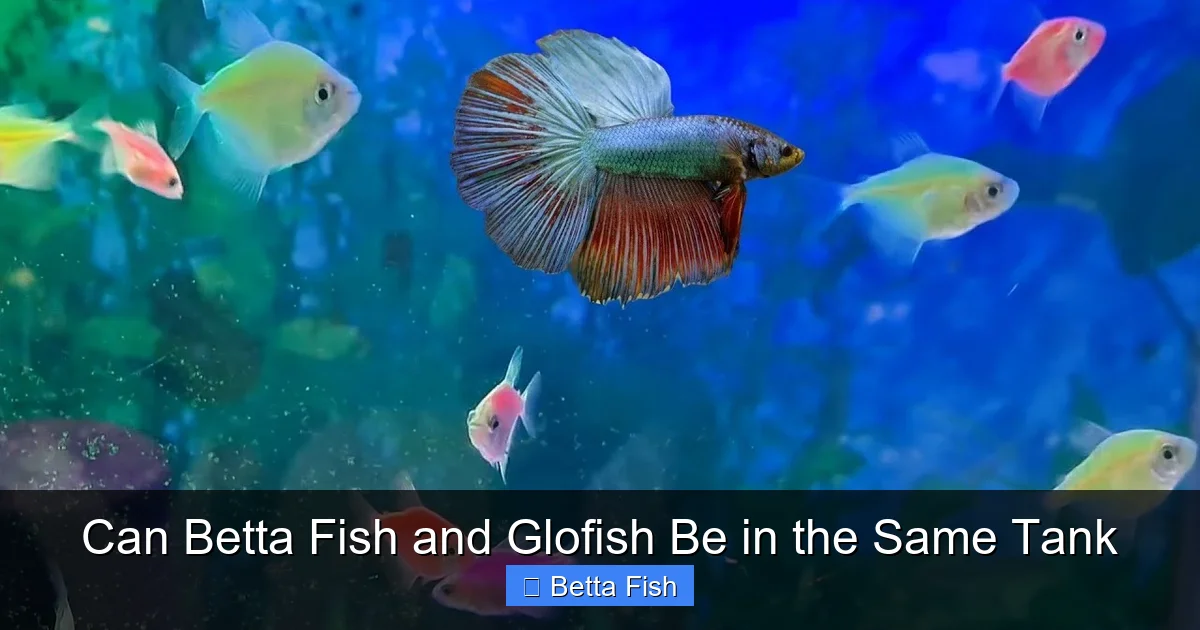
Female bettas are generally less territorial than males, and “peaceful” bettas (often called “dwarf” or “half‑moon” varieties) may tolerate other fish better. For more on betta compatibility, see our guide on Can Two Male Betta Fish Be In The Same Tank.
GloFish: The Living Neon
GloFish are genetically modified zebrafish, tetras, or barbs that fluoresce under blue light. They are small (1‑2 inches), fast‑moving, and very peaceful. Their water requirements match those of regular tropical community fish: 74‑80°F, pH 6.5‑7.5, and moderate flow. They enjoy a planted tank with open swimming space.
Because GloFish are schooling fish, they feel safest in groups of at least six. Their bright colors can be a stunning contrast to a betta’s fins, but the visual appeal only works if both species feel secure.
Key Compatibility Factors
Temperament and Aggression
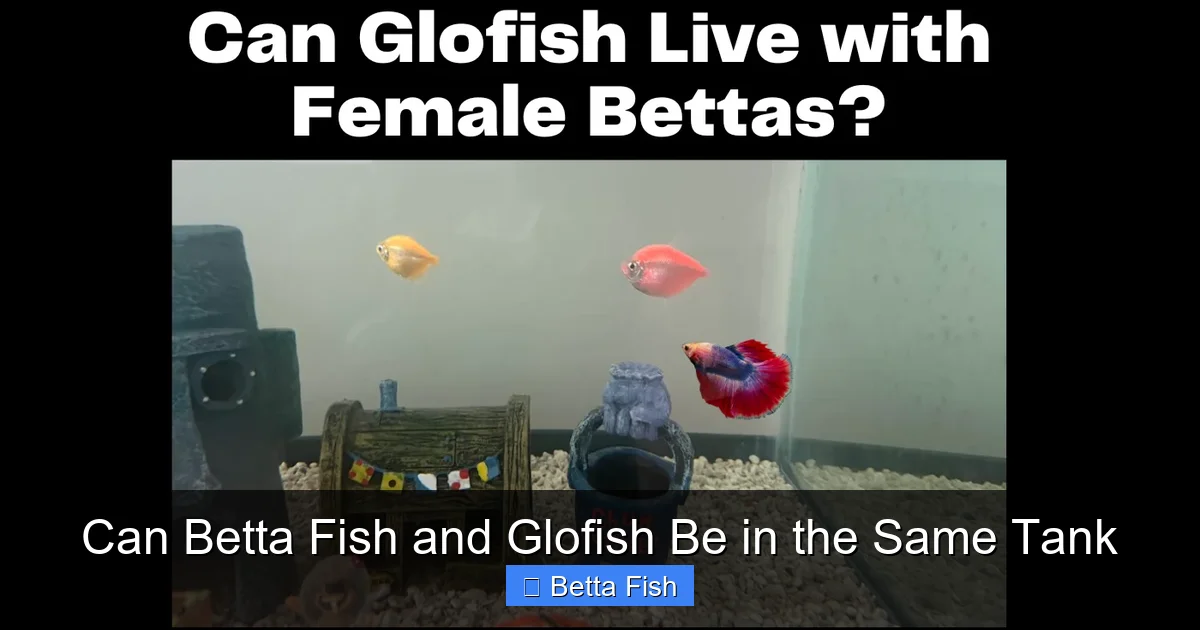
The biggest hurdle is aggression. Male bettas may see the fast‑moving GloFish as rivals or prey. Female or “peaceful” bettas are more likely to coexist peacefully. If you’re set on a male betta, you’ll need plenty of visual barriers and a larger tank to diffuse aggression.
Visual guide about Can Betta Fish and Glofish Be in the Same Tank
Image source: i.ytimg.com
Tank Size and Layout
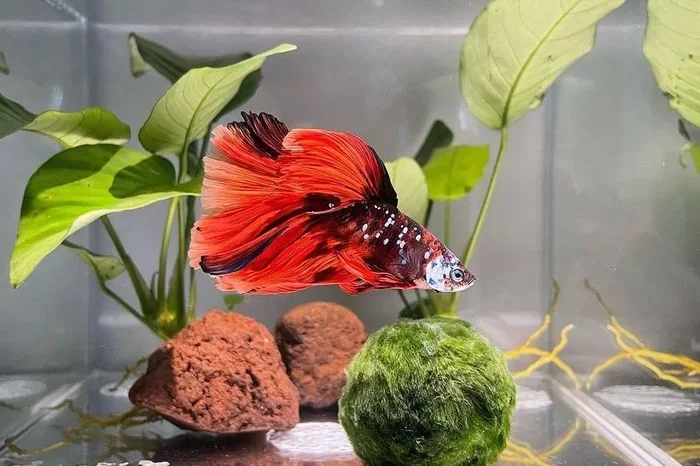
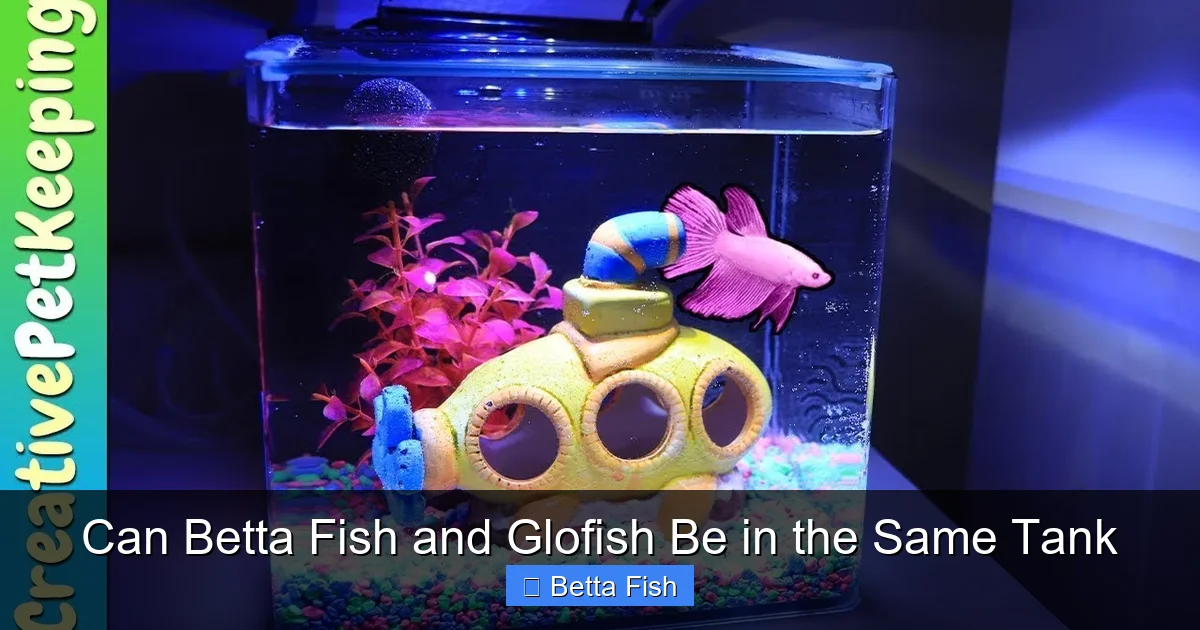
A 20‑gallon long tank is the sweet spot. It offers enough horizontal space for territories and a dense planting scheme. Use live plants, silk moss, and driftwood caves to break lines of sight. Remember, a cramped tank amplifies stress.
Water Parameters
Both species thrive at similar temperatures (76‑80°F) and pH (6.5‑7.5). Keep ammonia and nitrite at 0 ppm, and nitrate below 20 ppm. A reliable heater and a good filtration system are essential.
Lighting
GloFish need a blue‑rich light to show their fluorescence, but too much light can stress bettas. Aim for a moderate photoperiod (8‑10 hours) with a dimmable LED that offers both white and blue spectrums. A floating plant canopy can also reduce direct light intensity.
Diet Compatibility
Both bettas and GloFish accept high‑quality dry foods, but bettas also need occasional protein treats. Feed the betta in a separate area or at a different time to avoid competition.
Step‑by‑Step Setup Guide
1. Choose the Right Tank
- Minimum 20 gallons, preferably a long aquarium.
- Glass or acrylic with clear sides for observation.
- Secure lid – bettas are notorious jumpers.
2. Install Filtration and Heating
Use a gentle sponge filter or a low‑flow hang‑on‑back filter. Set the heater to 78°F and let the system run for 24 hours before adding fish.
Visual guide about Can Betta Fish and Glofish Be in the Same Tank
Image source: fishtankexpert.com
3. Add Substrate and Décor
- Fine sand or fine‑grained gravel (2‑3 inches deep).
- Live plants such as Java fern, Anubias, and Vallisneria.
- Silk or resin decorations – avoid plastic that can tear betta fins.
4. Cycle the Tank
Run the nitrogen cycle for at least 4‑6 weeks. Test for ammonia, nitrite, and nitrate. Only proceed when ammonia and nitrite read 0 ppm.
5. Quarantine New Arrivals
Keep bettas and GloFish in separate quarantine tanks for 2‑4 weeks. This prevents disease spread and allows you to observe any hidden health issues.
6. Introduce the Betta First
Acclimate the betta slowly using the drip method. Let it explore the tank for a few days while you watch for signs of stress.
7. Add GloFish Slowly
When the betta is settled, introduce a small school of GloFish (3‑4 individuals) using the same drip acclimation. Increase the group to 6‑8 after a week if all looks calm.
8. Monitor and Adjust
Watch for fin nipping, chasing, or hiding. If aggression spikes, add more plants or consider a tank divider.
Signs of Compatibility or Conflict
Positive Indicators
- Both species swim actively and eat normally.
- GloFish school together without scattering.
- Bettas display normal flaring without constant chasing.
Warning Signs
- Betta repeatedly attacks or bites GloFish.
- GloFish hide constantly and lose color vibrancy.
- Frequent fin damage or loss of scales.
If you notice any of these, act quickly: increase hiding spots, lower water flow, or consider moving one species to a separate tank.
Alternative Tank Mates for Betta and GloFish
If the betta‑GloFish combo proves too stressful, consider these peaceful companions that share similar water needs:
- Neon Tetras
- Harlequin Rasboras
- Corydoras catfish (bottom dwellers)
- Snails such as Nerite or Mystery (see our guide on Can Snails Be In A Tank With Betta Fish)
Conclusion: Proceed with Care
In short, betta fish and GloFish can share a tank if you respect each species’ needs. Choose a peaceful betta, provide ample space, and create lots of visual barriers. Keep water parameters stable, and always monitor behavior. With patience and the right setup, you’ll enjoy a dazzling aquarium that showcases both the elegance of a betta and the neon glow of GloFish.
Frequently Asked Questions
Can a male betta live with GloFish?
Yes, but it’s risky. Male bettas are territorial and may attack fast‑moving GloFish. Use a large tank, plenty of plants, and watch for aggression.
Do female bettas get along better with GloFish?
Female bettas are generally less aggressive, making them a safer choice for a mixed community tank.
What tank size is ideal for betta and GloFish together?
A minimum of 20 gallons is recommended to provide enough territory and hiding spots for both species.
How many GloFish should I keep with a betta?
Start with a small group of 3‑4 and increase to 6‑8 once you’re sure the betta isn’t aggressive.
Do I need special lighting for GloFish?
GloFish show their fluorescence best under blue‑rich LED lighting. Keep the photoperiod to 8‑10 hours to avoid stressing the betta.
What should I do if my betta attacks the GloFish?
Immediately add more plants or a tank divider to create separate zones. If aggression continues, consider rehoming one of the species.