Can Betta Fish and Ghost Shrimp
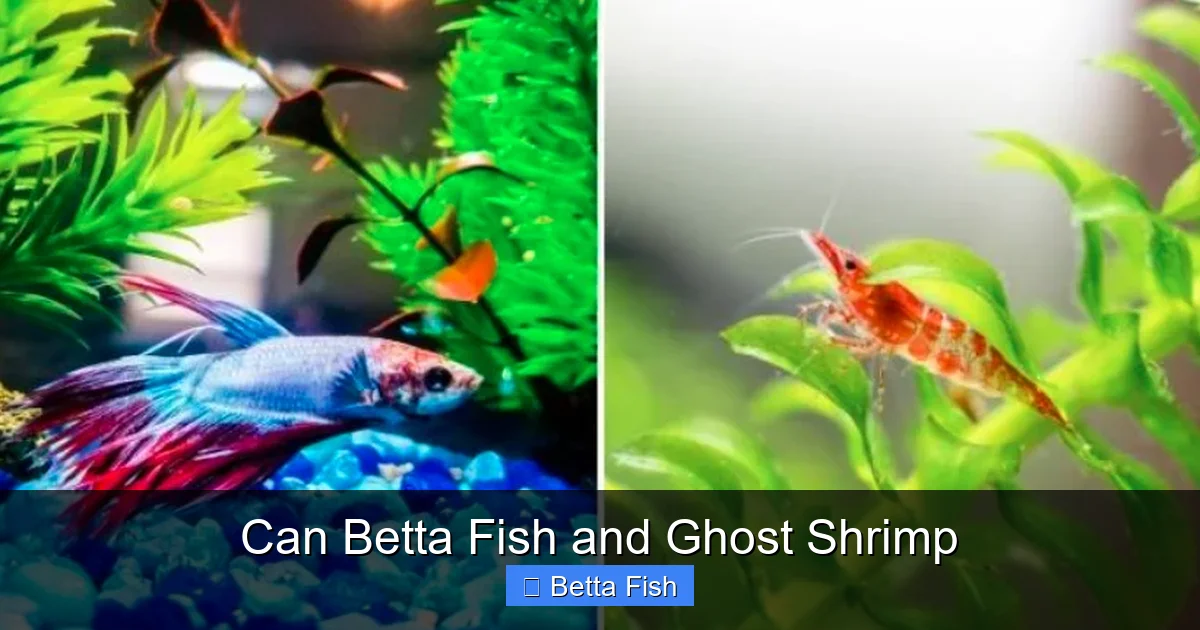
Can betta fish and ghost shrimp share a tank? Yes— with the right setup and careful monitoring, these colorful creatures can coexist peacefully. Learn how to create a safe environment, choose compatible bettas, and keep your shrimp thriving.
Key Takeaways
- Compatibility depends on temperament: Not all bettas are aggressive; choose a peaceful individual.
- Tank size matters: A minimum of 10‑gallon provides enough space and hiding spots for shrimp.
- Provide plenty of cover: Live plants, caves, and driftwood reduce stress for both species.
- Feed wisely: Offer shrimp-safe foods and avoid over‑feeding to prevent leftover scraps that attract betta attacks.
- Monitor behavior daily: Early signs of stress let you intervene before injuries occur.
- Water parameters should suit both: Keep temperature 76‑80°F, pH 6.5‑7.5, and soft to moderately hard water.
- Regular water changes are crucial: Clean water supports shrimp molting and betta health.
📑 Table of Contents
Introduction: A Colorful Question
If you’ve ever stared at a vibrant betta swimming its graceful loops and wondered whether a tiny, translucent ghost shrimp could share the spotlight, you’re not alone. Many hobbyists ask, can betta fish and ghost shrimp live together without drama? The answer isn’t a simple yes or no—it’s a blend of biology, tank design, and personality.
In this guide we’ll break down everything you need to know: from the natural instincts of bettas and ghost shrimp, to the ideal aquarium setup, feeding strategies, and red‑flag behaviors to watch for. By the end, you’ll feel confident deciding if these two species can become tank‑mates in your home.
Understanding the Players
Betta Fish: The Siamese Fighter
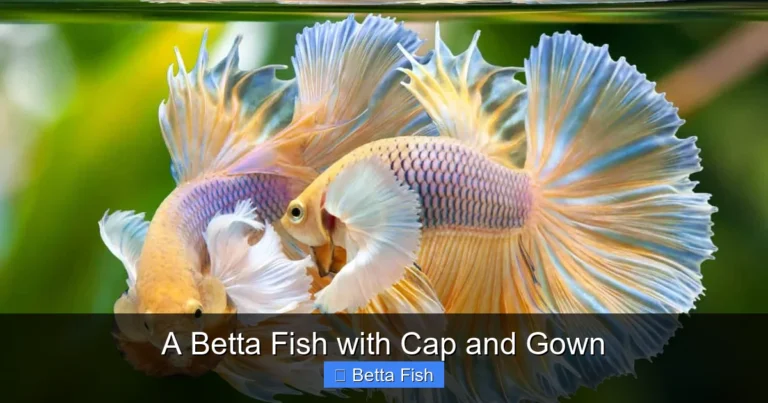
Betta splendens, commonly called the Siamese fighting fish, are native to shallow rice paddies of Thailand. Males are famous for their flamboyant fins and territorial nature. In the wild they guard small territories and will attack anything that resembles a rival male.
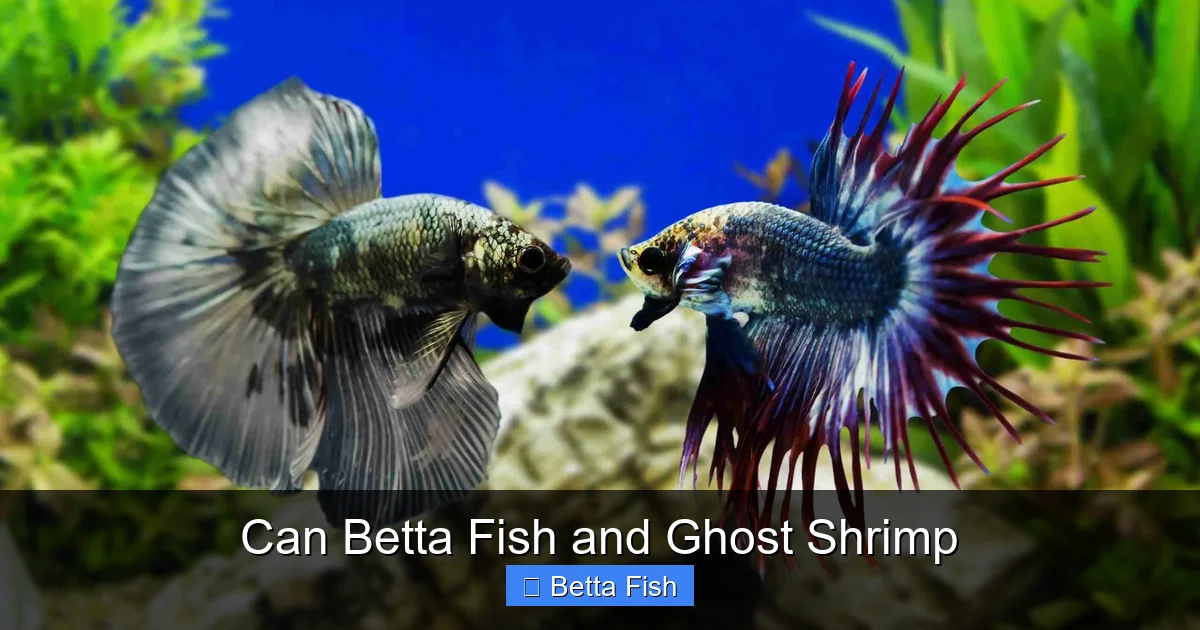
Visual guide about Can Betta Fish and Ghost Shrimp
Image source: fishkeepingwisdom.com
Ghost Shrimp: The Transparent Clean‑Up Crew
Ghost shrimp (Palaemonetes sp.) are tiny, nearly invisible crustaceans that love to scavenge leftover food and algae. They are peaceful, quick to hide, and can molt several times a month. Their delicate exoskeleton makes them vulnerable to aggressive tank mates.
Why Pair Them?
Many aquarists love the contrast: a bright betta against the ghost shrimp’s ghostly silhouette. Shrimp also help keep the tank clean, and watching them forage can add a fascinating layer of activity.
Assessing Compatibility
Temperament Tests
Before you introduce a ghost shrimp, observe your betta’s behavior. A betta that flares only when you tap the glass or shows mild curiosity is a good candidate. Aggressive bettas that constantly chase reflections may view shrimp as prey.
Visual guide about Can Betta Fish and Ghost Shrimp
Image source: theshrimpfarm.com
Size Considerations
Adult ghost shrimp are 1‑1.5 inches long. Choose a betta that is at least 2‑3 inches to reduce the chance of the shrimp being seen as a snack. Larger, well‑fed bettas are often less likely to hunt.
Gender Matters
Male bettas are generally more territorial than females, but individual personalities vary. Some hobbyists report success with a female betta and ghost shrimp, while others have peaceful male bettas. Can you keep male and female betta fish together provides insight into gender dynamics that can help you decide.
Setting Up the Ideal Tank
Tank Size and Shape
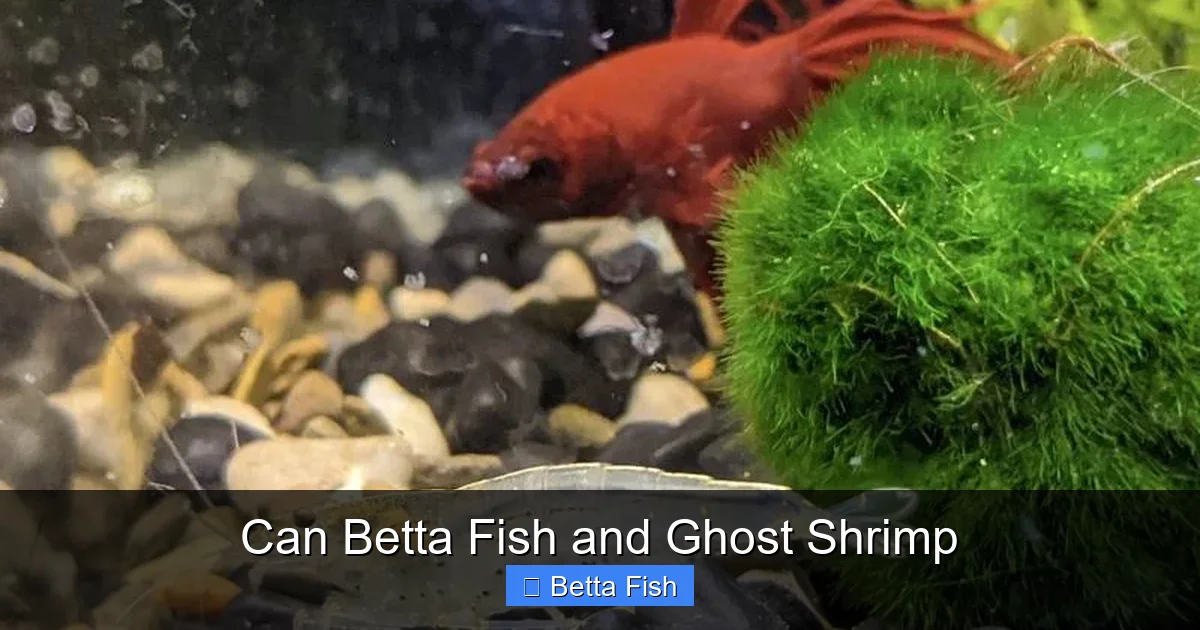
Although bettas can survive in small bowls, a community tank needs space. Aim for at least a 10‑gallon (38‑liter) tank with a wide base. This gives shrimp room to explore and bettas enough territory to claim without feeling cramped.
Visual guide about Can Betta Fish and Ghost Shrimp
Image source: ouraquariumlife.com
Water Parameters
- Temperature: 76‑80°F (24‑27°C) – both species thrive here.
- pH: 6.5‑7.5 – slightly acidic to neutral.
- Hardness: 4‑12 dGH – soft to moderately hard water supports shrimp molting.
Maintain stable parameters with a reliable heater and a good filter that creates gentle water flow. Ghost shrimp dislike strong currents, so adjust the filter’s output or use a spray bar.
Hiding Places and Plant Life
Live plants like Java moss, Anubias, and floating duckweed create natural cover. Add ceramic caves, driftwood tunnels, and PVC pipes. The more hiding spots, the less likely a betta will see a shrimp as a target.
Lighting
Moderate lighting (8‑10 hours a day) encourages plant growth without stressing the betta. Too bright light can make ghost shrimp more visible, potentially increasing predation risk.
Feeding Both Species Safely
What to Feed Betta Fish
High‑quality betta pellets are the staple. Supplement with frozen or live brine shrimp, bloodworms, and occasional daphnia. What can betta fish eat gives a full list of safe foods.
Feeding Ghost Shrimp
Ghost shrimp will scavenge leftovers, but you can also provide algae wafers, blanched spinach, and specialized shrimp pellets. Feed a pinch once daily; over‑feeding creates waste that can cloud the water.
Feeding Strategies to Prevent Conflict
- Feed betta at one end of the tank and shrimp on the opposite side.
- Use a feeding ring or separate feeding cup for the shrimp.
- Remove uneaten food after 5 minutes to avoid attracting the betta.
Monitoring and Maintaining Harmony
Daily Observation Checklist
- Is the betta flaring at the shrimp?
- Do shrimp hide constantly or show normal foraging?
- Any signs of fin damage on the betta or missing shrimp?
Signs of Stress
Stressed bettas may hide, lose color, or develop ragged fins. Shrimp stress appears as lethargy, a pale body, or failure to molt. If you notice these signs, consider rearranging décor or separating the tank temporarily.
Water Maintenance
Perform 20‑30% water changes weekly. Use a water conditioner that removes chlorine and chloramine, which are harmful to shrimp. Test ammonia, nitrite, and nitrate regularly; keep ammonia and nitrite at 0 ppm and nitrate below 20 ppm.
When to Separate
If aggression persists after a week of adjustment, it’s safest to move the shrimp to a separate refugium or a dedicated shrimp tank. Their safety is more important than a mixed display.
Success Stories and Common Pitfalls
Real‑World Example
Emily, a beginner hobbyist, kept a male betta with a group of three ghost shrimp in a 12‑gallon planted tank. She added dense Java moss and a driftwood tunnel. After two weeks, the betta showed curiosity but never attacked. The shrimp thrived, molting regularly, and the tank remained crystal clear.
Common Mistakes to Avoid
- Overcrowding: Too many shrimp in a small tank increases stress.
- Choosing an aggressive betta: Some bettas view any movement as prey.
- Skipping quarantine: Introducing sick shrimp can spread disease to the betta.
- Ignoring water quality: Poor water leads to shrimp molting problems and betta illness.
Conclusion: Making the Decision
So, can betta fish and ghost shrimp share a peaceful home? Absolutely—provided you select a calm betta, give plenty of hiding places, maintain ideal water conditions, and keep a close eye on interactions. The reward is a vibrant, dynamic aquarium where the betta’s flamboyance complements the ghost shrimp’s subtle elegance.
Take the time to set up the tank correctly, feed responsibly, and monitor daily. When done right, you’ll enjoy watching your betta’s graceful swims and your shrimp’s quiet foraging—proof that even the most unlikely tank mates can become friends.
Frequently Asked Questions
Can betta fish eat ghost shrimp?
Yes, a particularly aggressive betta may view a ghost shrimp as food, especially if the shrimp is small or the betta is hungry.
Do ghost shrimp need a special diet?
Ghost shrimp are omnivores that thrive on algae, bio‑film, and shrimp‑specific pellets. Supplement with blanched vegetables for best health.
What tank size is best for betta and ghost shrimp?
A minimum of 10 gallons provides enough swimming space and hiding spots for both species.
How can I tell if my betta is aggressive toward shrimp?
Watch for repeated flares, chasing, or nipping at the shrimp. If the shrimp constantly hide and appear stressed, the betta may be aggressive.
Are there any shrimp species safer than ghost shrimp?
Yes, larger shrimp like Amano or Cherry shrimp are often less likely to be eaten, but they still need ample cover.
Where can I learn more about mixing bettas with other tank mates?
Check out our article on Can Betta Fish Live With Shrimp for broader compatibility tips.