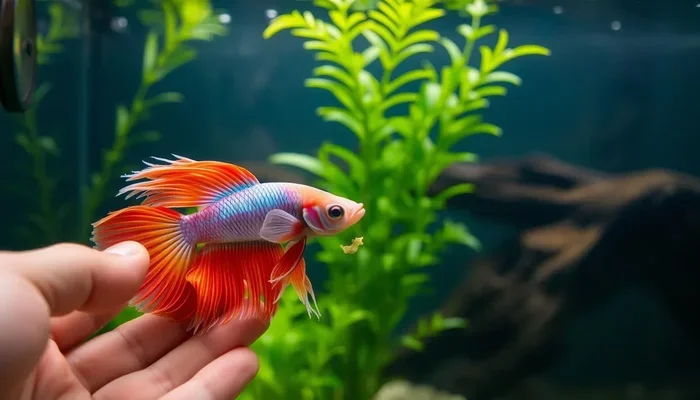
Can Betta Fish Survive the Nitrogen Cycle
Betta fish are sensitive to poor water conditions, and the nitrogen cycle plays a crucial role in their survival. While they can tolerate low levels of ammonia and nitrite briefly, prolonged exposure can be fatal. Understanding how the nitrogen cycle works and taking proper precautions will help ensure your betta thrives in a healthy, stable environment.
Key Takeaways
- The nitrogen cycle is essential: It converts toxic ammonia into less harmful nitrates, creating a safe environment for betta fish.
- Bettas are sensitive to ammonia and nitrite: Even small amounts can cause stress, illness, or death if not managed properly.
- Fishless cycling is safest: Cycling a tank before adding your betta reduces the risk of exposure to harmful toxins.
- Regular water changes are critical: During cycling, frequent water changes help keep toxin levels low and protect your betta.
- Test your water often: Using a reliable test kit allows you to monitor ammonia, nitrite, and nitrate levels throughout the process.
- Patience pays off: A fully cycled tank takes 4–6 weeks but ensures long-term health and stability for your betta.
- Signs of distress matter: Lethargy, loss of appetite, or gasping at the surface may indicate poor water quality—act quickly.
📑 Table of Contents
- Can Betta Fish Survive the Nitrogen Cycle?
- What Is the Nitrogen Cycle?
- How the Nitrogen Cycle Affects Betta Fish
- How to Safely Cycle a Tank with a Betta
- Signs Your Betta Is Struggling During the Cycle
- Tips for Maintaining a Healthy Cycled Tank
- Common Mistakes to Avoid
- Conclusion: Yes, Bettas Can Survive—with Your Help
Can Betta Fish Survive the Nitrogen Cycle?
If you’re new to keeping betta fish, you’ve probably heard about something called the “nitrogen cycle.” It sounds complicated, but it’s actually one of the most important things to understand if you want your betta to live a long, healthy life. So, can betta fish survive the nitrogen cycle? The short answer is yes—but only if you do it right.
The nitrogen cycle is a natural process that happens in every aquarium. It helps break down waste like fish poop, uneaten food, and decaying plants. Without this cycle, toxic substances would build up in the water and poison your fish. But here’s the catch: during the early stages of the cycle, harmful chemicals like ammonia and nitrite spike to dangerous levels. And bettas? They’re especially sensitive to these toxins.
In this article, we’ll walk you through everything you need to know about the nitrogen cycle and how it affects your betta. We’ll cover what the cycle is, why it matters, how to protect your fish during the process, and what signs to watch for if something goes wrong. Whether you’re setting up your first tank or trying to fix a cycling issue, this guide has got you covered.
What Is the Nitrogen Cycle?
The Basics of Aquarium Cycling
The nitrogen cycle is nature’s way of cleaning your aquarium. Think of it like a filtration system—but instead of using a machine, it relies on beneficial bacteria. These tiny helpers live in your filter, substrate, and decorations. Their job? To convert harmful waste products into safer compounds.
Here’s how it works: when your betta eats, it produces waste. Uneaten food and dead plant matter also break down. All of this creates ammonia, which is highly toxic to fish. In a cycled tank, good bacteria called Nitrosomonas eat the ammonia and turn it into nitrite. Nitrite is still dangerous, but another type of bacteria—Nitrobacter—converts it into nitrate, which is much less harmful. Finally, you remove nitrates by doing regular water changes.
This whole process doesn’t happen overnight. It takes time—usually 4 to 6 weeks—for enough beneficial bacteria to grow and keep up with the waste. That’s why patience is key when setting up a new tank.
Why the Nitrogen Cycle Matters for Bettas
Betta fish are often sold as “easy” pets that can live in tiny bowls. But that’s a myth. In reality, bettas need clean, stable water to thrive. They’re tropical fish with delicate gills and organs. Even low levels of ammonia or nitrite can burn their gills, damage their fins, and weaken their immune system.
Without a properly cycled tank, your betta is basically swimming in poison. Over time, this leads to stress, disease, and eventually death. That’s why understanding the nitrogen cycle isn’t just helpful—it’s essential for responsible betta care.
How the Nitrogen Cycle Affects Betta Fish
Ammonia: The Silent Killer
Ammonia is the first major threat during the nitrogen cycle. It’s invisible and odorless in small amounts, but it’s incredibly harmful. When ammonia levels rise above 0.25 parts per million (ppm), your betta starts to suffer. Symptoms include red or inflamed gills, lethargy, loss of appetite, and gasping at the surface for air.
In severe cases, ammonia burns can appear as streaks or patches on your betta’s body. If left untreated, organ failure and death can follow within days. That’s why testing your water regularly is so important—especially during the first few weeks of a new setup.
Nitrite: The Oxygen Blocker
Once ammonia-eating bacteria establish themselves, nitrite levels begin to rise. Nitrite is dangerous because it interferes with your betta’s ability to carry oxygen in its blood. Even if there’s plenty of oxygen in the water, your fish can suffocate because its blood can’t transport it properly.
This condition is sometimes called “brown blood disease” because the blood turns chocolate-brown instead of bright red. Signs of nitrite poisoning include rapid gill movement, erratic swimming, and lying at the bottom of the tank. Like ammonia, nitrite should always be kept at 0 ppm in a healthy aquarium.
Nitrate: The Lesser Evil
Nitrate is the final product of the nitrogen cycle. While it’s far less toxic than ammonia or nitrite, high levels (above 40 ppm) can still stress your betta and lead to health problems over time. Regular partial water changes—about 25% per week—are the best way to keep nitrate under control.
Some aquarists also use live plants to absorb nitrates naturally. Plants like java fern, anubias, and hornwort are great choices for betta tanks because they’re hardy, low-light, and provide hiding spots for your fish.
How to Safely Cycle a Tank with a Betta
Option 1: Fishless Cycling (Recommended)
The safest way to cycle a tank is without any fish in it. This method, called fishless cycling, lets you build up beneficial bacteria before your betta ever enters the water. Here’s how to do it:
- Set up your tank with a filter, heater (bettas need 76–82°F), and dechlorinated water.
- Add a source of pure ammonia (without surfactants) or a pinch of fish food to start producing waste.
- Test your water every day with a liquid test kit (like API Master Test Kit).
- Wait for ammonia to spike, then drop as nitrite appears. Eventually, nitrite will also drop and nitrate will rise.
- Once ammonia and nitrite read 0 ppm and nitrate is present, your tank is cycled!
This process usually takes 4–6 weeks. It might feel slow, but it’s the kindest and most effective way to prepare a home for your betta.
Option 2: Fish-In Cycling (Use with Caution)
Sometimes, people add their betta to a new tank right away—either because they didn’t know better or didn’t have time to cycle first. If you find yourself in this situation, don’t panic. You can still protect your fish with extra care.
During fish-in cycling, you’ll need to do frequent water changes—sometimes daily or every other day—to keep ammonia and nitrite as close to 0 ppm as possible. Use a water conditioner that detoxifies ammonia (like Seachem Prime) and test your water constantly. Feed your betta sparingly to reduce waste, and avoid overstocking the tank.
It’s not ideal, but with diligence, your betta can survive the process. Just remember: the less stress your fish experiences, the better its chances.
Signs Your Betta Is Struggling During the Cycle
Even with precautions, your betta might show signs of distress during the nitrogen cycle. Knowing what to look for can save its life. Watch for these red flags:
- Gasping at the surface: This often means low oxygen or high nitrite levels.
- Clamped fins: Your betta holds its fins close to its body when stressed or sick.
- Loss of color: A healthy betta is vibrant. Fading colors can signal poor water quality.
- Lethargy or hiding: If your betta isn’t moving much or stays in one spot, something’s wrong.
- Refusing to eat: Stress from toxins can kill your betta’s appetite.
If you notice any of these symptoms, test your water immediately. If ammonia or nitrite is above 0 ppm, do a 50% water change right away and add a detoxifying conditioner. Keep testing daily until levels stabilize.
Tips for Maintaining a Healthy Cycled Tank
Test Your Water Weekly
Even after your tank is cycled, don’t assume everything’s fine. Test your water weekly to make sure ammonia and nitrite stay at 0 ppm and nitrate stays below 40 ppm. A quick test takes just minutes and gives you peace of mind.
Don’t Overclean Your Filter
Your filter is home to most of your beneficial bacteria. When you clean it, never rinse the media under tap water—chlorine kills the good guys! Instead, gently swish it in a bucket of old tank water during water changes.
Avoid Overfeeding
Extra food = extra waste = more ammonia. Feed your betta only what it can eat in 2–3 minutes, once or twice a day. Remove any uneaten food after feeding.
Keep the Tank Warm and Stable
Bettas are tropical fish. A consistent temperature between 76°F and 82°F keeps their metabolism and immune system strong. Sudden temperature swings can stress them and make them more vulnerable to poor water quality.
Common Mistakes to Avoid
Many betta owners accidentally harm their fish during the nitrogen cycle by making simple mistakes. Here are the top ones to avoid:
- Skipping the cycle: Adding a betta to an uncycled tank is risky and often fatal.
- Overstocking: More fish = more waste. Stick to one betta per 5-gallon tank minimum.
- Ignoring water tests: You can’t see or smell ammonia. Always test!
- Using untreated tap water: Chlorine and chloramines kill beneficial bacteria and harm your betta.
- Panicking and changing too much water: Large, frequent changes can crash your cycle. Stick to 25–50% changes unless levels are dangerously high.
Learning from others’ mistakes can save your betta a lot of suffering. Take your time, do your research, and always prioritize your fish’s health over convenience.
Conclusion: Yes, Bettas Can Survive—with Your Help
So, can betta fish survive the nitrogen cycle? Absolutely—but only if you give them the right conditions. The nitrogen cycle isn’t something to fear; it’s something to respect. By understanding how it works and taking steps to protect your betta, you’re setting your fish up for a long, happy life.
Remember: a cycled tank isn’t just about bacteria. It’s about creating a stable, clean, and stress-free environment where your betta can show off its beautiful colors and playful personality. Whether you choose fishless cycling or carefully manage a fish-in cycle, your effort will pay off.
Your betta depends on you. With a little knowledge and a lot of care, you can master the nitrogen cycle and become the best betta parent possible. And trust me—your fish will thank you for it.
Frequently Asked Questions
How long does the nitrogen cycle take for a betta tank?
The nitrogen cycle typically takes 4 to 6 weeks to complete in a new aquarium. During this time, beneficial bacteria colonies grow and establish themselves to process ammonia and nitrite. Patience is key—rushing the process can endanger your betta’s health.
Can I put my betta in a tank that’s still cycling?
It’s not recommended, but if you must, perform frequent water changes and use a water conditioner like Seachem Prime to detoxify ammonia and nitrite. Monitor water parameters daily and keep feeding minimal to reduce waste.
What are safe ammonia levels for betta fish?
Ammonia should always be at 0 ppm in a cycled tank. Even levels as low as 0.25 ppm can stress or harm your betta. If you detect ammonia, do a partial water change immediately and investigate the cause.
How often should I test my betta’s water during cycling?
Test your water every day during the initial cycling phase. Once the tank is established, weekly tests are sufficient to ensure ammonia and nitrite remain at 0 ppm and nitrate stays under 40 ppm.
Do live plants help with the nitrogen cycle?
Yes! Live plants absorb nitrates as nutrients, helping to keep your water cleaner between changes. They also provide oxygen and hiding places, which reduce stress for your betta. Hardy plants like java fern and anubias are excellent choices.
What should I do if my betta is gasping at the surface?
Gasping usually indicates poor water quality—often high nitrite or low oxygen. Test your water right away. If ammonia or nitrite is present, do a 50% water change and add a detoxifying conditioner. Increase surface agitation to boost oxygen levels.