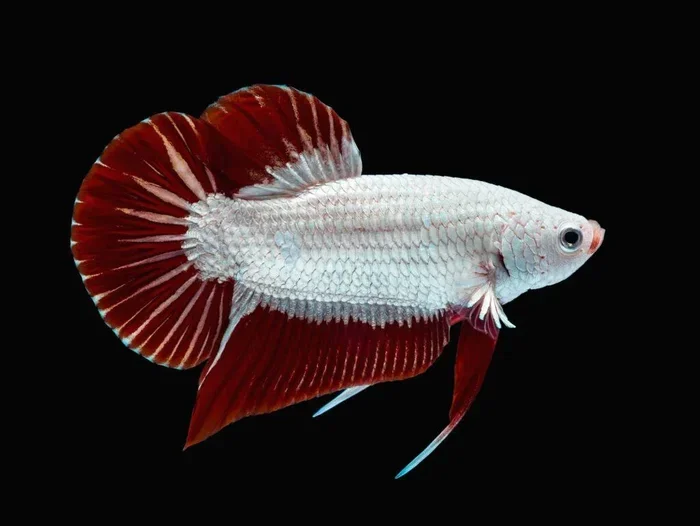
Can a Male and Female Better Fish Live Together

Can a male and female betta fish live together? In most cases they will fight, but with the right tank size, plants, and careful introductions you can sometimes keep a pair peacefully. Read on for step‑by‑step advice, common pitfalls, and alternatives.
Key Takeaways
- Aggression is the norm: Male bettas are naturally territorial and will often attack females.
- Tank size matters: A minimum of 20‑gallon, heavily planted tanks give both fish space to avoid each other.
- Introduce slowly: Use a divider or a clear acrylic sheet for the first 24‑48 hours.
- Watch for signs: Flaring, chasing, and loss of color indicate stress and imminent fighting.
- Consider alternatives: A single betta, a sorority of females, or a community tank with peaceful tank mates.
- Water quality is critical: Stable parameters reduce stress and lower aggression.
- Know the legalities: Some local regulations prohibit housing multiple bettas together.
📑 Table of Contents
Introduction: The Big Question
If you’ve ever walked into a pet store and seen that dazzling male betta flaunting his fins, you’ve probably wondered whether you could keep a male and a female together. The short answer is “it’s complicated.” Betta fish (Betta splendens) are famous for their aggression, especially males. Yet many hobbyists dream of a tiny underwater romance.
This article breaks down the science, the practical steps, and the common mistakes that lead to broken fins. By the end, you’ll know exactly when a male‑female pairing is possible and when it’s safer to keep them apart.
Understanding Betta Behavior
Territorial instincts
Male bettas are built to defend a territory. In the wild they guard a small patch of water, chasing away rivals. This instinct translates into a tank environment: any newcomer, especially another betta, is seen as an intruder.

Visual guide about Can a Male and Female Better Fish Live Together
Image source: petshun.com
Female temperament
Females are less aggressive but still have a hierarchy. In a group (a “sorority”), they establish a pecking order and may nip at each other. When placed with a male, a female’s primary response is to flee, which can trigger the male’s chase response.
Why the myth persists
Some owners report short‑term peace, leading to the belief that male‑female pairs can live together. Often those stories omit the inevitable escalation that occurs after a few days of stress.
Setting Up a Tank for a Pair
Size and shape
Big is better. A minimum of 20 gallons (75 L) with a long, rectangular shape lets each fish claim a side. A tall, narrow tank limits swimming space and increases aggression.

Visual guide about Can a Male and Female Better Fish Live Together
Image source: articles.hepper.com
Plants and decorations
Live plants such as Java fern, Anubias, and Amazon swords create natural barriers. Add driftwood and rock caves to give each betta a hiding spot. The goal is visual separation without a solid divider.
Filtration and water parameters
- Temperature: 78‑80 °F (25‑27 °C)
- pH: 6.5‑7.5
- Ammonia & nitrite: 0 ppm
- Hardness: 3‑4 dGH
Stable water reduces stress hormones that fuel aggression.
Lighting and flow
Soft lighting mimics their natural habitat and reduces territorial displays. Gentle water flow (no strong currents) lets the fish glide without being forced into each other’s space.
Step‑by‑Step Introduction Process
1. Quarantine both fish
Keep each betta in a separate hospital tank for at least two weeks. This prevents disease transfer and lets you assess health.

Visual guide about Can a Male and Female Better Fish Live Together
Image source: thesprucepets.com
2. Use a clear divider
Place a transparent acrylic sheet in the tank, dividing it in half. The fish can see each other but cannot touch. Observe for 24‑48 hours. If either fish flares constantly, the pairing is likely a bad idea.
3. Swap sides
After the first day, gently move the fish to the opposite side. This tests whether aggression is tied to a specific spot.
4. Remove the divider
If both fish have been calm, slowly lift the divider for a few minutes each day, watching closely. Increase the exposure time gradually.
5. Monitor daily
Even after full removal, keep a close eye for the next two weeks. Look for:
- Flaring or gill covers expanding
- Chasing or constant swimming at the same spot
- Loss of color or appetite
Any sign of stress warrants immediate separation.
When the Pair Won’t Work
Signs it’s time to separate
If fights break out, the risk of fin loss, infection, and death spikes dramatically. Don’t gamble—move the loser to a separate tank and consider rehoming the other.
Alternative setups
- Sorority: Keep 4‑6 females together in a well‑planted, spacious tank.
- Single betta: The safest and most common choice for beginners.
- Community tank: Pair a male betta with peaceful species like tetras, rasboras, or snails—never another betta.
Legal and ethical considerations
Some regions classify bettas as “aggressive fish,” restricting multiple bettas in one tank. Always check local pet regulations.
Common Myths Debunked
Myth: “If they’re the same size, they’ll get along.”
Size equality does not reduce territorial drive. Even a small male will chase a larger female if he feels his space is threatened.
Myth: “Adding more plants will stop fights.”
Plants help but cannot fully mask a male’s instinct to defend a territory. They are a tool, not a guarantee.
Myth: “A male will breed with a female without a problem.”
Breeding requires a carefully controlled environment, a “bubble nest,” and a calm male. Most hobbyists see more harm than benefit from attempting breeding in a community tank.
Conclusion: Make an Informed Decision
So, can a male and female betta fish live together? The answer is: only under very specific conditions—large, heavily planted tanks, a slow introduction, and constant vigilance. For most hobbyists, the risk outweighs the reward, and a single betta or a female sorority is the safer, more enjoyable route.
Remember, a happy betta is a healthy betta. Choose the setup that lets your fish thrive, not just survive.
Frequently Asked Questions
Can a male and female betta fish live together peacefully?
Only in a large, well‑planted tank with careful introduction. Even then, aggression can appear after a few days.
What tank size is recommended for a male‑female betta pair?
A minimum of 20 gallons (75 L) with plenty of hiding spots and visual barriers.
How long should I keep a divider in place?
Start with 24‑48 hours, then gradually increase exposure. If any aggression appears, keep the divider permanently.
What are the signs that a betta is stressed?
Flaring, constant swimming at the surface, loss of color, reduced appetite, and torn fins are all red flags.
Is breeding a good reason to keep a male and female together?
Breeding requires a controlled environment and a calm male. For most hobbyists, the risks of fighting outweigh the benefits.
Can I keep other fish with a male betta instead of a female?
Yes, peaceful species like neon tetras, rasboras, or snails can share a tank, but never another betta. See What Fish Can Live With A Male Betta for safe options.