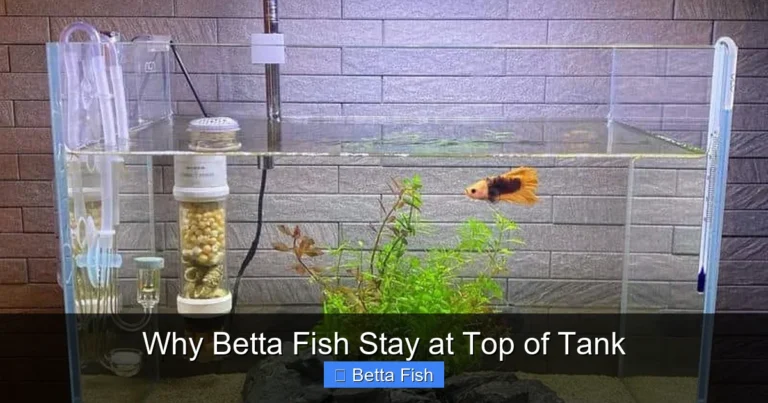
Why Is My Betta Fish Face Swollen

Seeing a puffy, swollen face on your betta can be alarming, but it’s often a sign of treatable issues like infection, injury, or water problems. This guide explains the top reasons behind facial swelling, how to spot warning signs, and step‑by‑step actions you can take to help your fish recover quickly.
Key Takeaways
- Swelling isn’t always fatal: Early detection and proper treatment can save a betta with a swollen face.
- Water quality is critical: Poor parameters are a leading cause of facial edema and infections.
- Infections often follow injuries: Scratches, bites, or fin nipping can let bacteria enter and cause swelling.
- Parasites and fungi are common culprits: Look for spots, cotton‑like growth, or flake‑like debris.
- Nutrition matters: A balanced diet strengthens the immune system and reduces swelling risk.
- Quarantine is key: Treating a sick betta in a separate tank prevents spread to tank mates.
- Regular observation saves lives: Daily checks for changes in behavior or appearance catch problems early.
📑 Table of Contents
- Introduction: When Your Betta’s Face Looks Puffed
- 1. Water Quality – The Hidden Trigger
- 2. Bacterial and Fungal Infections
- 3. Physical Injuries and Fin Nipping
- 4. Parasites – The Sneaky Swellers
- 5. Nutritional Deficiencies and Poor Diet
- 6. Systemic Illnesses – When Swelling Is a Symptom
- Putting It All Together: A Step‑by‑Step Action Plan
- Conclusion: A Swollen Face Is a Call for Care
Introduction: When Your Betta’s Face Looks Puffed
Imagine coming home after a long day, turning on the aquarium light, and seeing your betta’s face looking like a tiny balloon. It’s a shocking sight that can make any fish keeper’s heart skip a beat. The good news? A swollen face is usually a symptom, not the disease itself. By understanding the “why is my betta fish face swollen” question, you can act fast and often reverse the problem.
In this article we’ll break down the most common reasons for facial swelling, show you how to spot related warning signs, and give you a clear, step‑by‑step plan to treat your betta. We’ll keep the language simple, the sentences short, and the advice practical—just like a chat with a knowledgeable friend.
1. Water Quality – The Hidden Trigger
Why bad water makes the face swell
Betta fish are sensitive to ammonia, nitrite, and high nitrate levels. When these chemicals rise, the fish’s gills and skin become stressed, allowing fluid to leak into the facial tissues. This results in the puffy appearance owners notice.

Visual guide about Why Is My Betta Fish Face Swollen
Image source: m.media-amazon.com
How to test and fix water parameters
- Test kits: Use a liquid test kit for ammonia, nitrite, nitrate, and pH at least once a week.
- Partial water changes: Replace 25‑30% of the tank water every 2‑3 days if any value is out of range.
- Filter maintenance: Rinse filter media in old tank water (not tap water) to preserve beneficial bacteria.
- Temperature: Keep the water between 76‑80°F (24‑27°C). Too cold weakens the immune system; too hot speeds bacterial growth.
For a deeper dive into water‑related issues, see our guide on why is my betta fish water cloudy – clear water is often the first step to a healthy face.
2. Bacterial and Fungal Infections
Spotting an infection
Infections are the #1 cause of facial swelling. Look for these signs:
- Red or white patches on the face or head.
- White, cotton‑like growth (fungus).
- Fuzzy edges around the eyes or mouth.
- Loss of appetite and lethargy.
Common bacteria and fungi
Typical culprits include Flavobacterium (columnaris disease) and Saprolegnia (water mold). Both thrive in warm, dirty water and can enter through tiny cuts.
Treatment plan
- Isolate the betta: Move it to a hospital tank with clean, dechlorinated water.
- Medicate: Use a broad‑spectrum antibacterial like Maracyn or a fungal treatment such as Malachite Green, following the label dosage.
- Monitor: Treat for 7‑10 days, even if the swelling improves early.
- Prevent re‑infection: Clean the main tank, replace filter media, and keep water parameters stable.
3. Physical Injuries and Fin Nipping
How injuries cause swelling
A scratch or bite creates an opening for bacteria. The betta’s natural response is inflammation, which appears as a swollen face. Fin nipping from tank mates (other bettas or aggressive species) is a frequent source.
Checking for trauma
Gently lift the fish (use a soft net) and look for:
- Red lines or cuts on the head.
- Missing or torn fins near the face.
- Blood spots or dark bruises.
Immediate care steps
- Quarantine the injured betta.
- Apply a mild antiseptic dip (e.g., a 1‑part povidone‑iodine to 9‑part water solution) for 30 seconds.
- Return to a clean hospital tank with a low‑dose antibacterial.
If you notice your betta is constantly fighting or being bullied, read our article on why are my two female betta fish fighting for tips on preventing future injuries.
4. Parasites – The Sneaky Swellers
Types of parasites that affect the face
Protozoan parasites like Ichthyophthirius multifiliis (Ich) and fluke infestations can cause localized swelling, especially around the eyes and mouth.
Symptoms to watch
- White spots that look like tiny grains of salt.
- Excessive rubbing against objects.
- Visible movement of parasites under the skin.
Treatment options
Effective treatments include copper‑based medications (e.g., Cupramine) or formalin baths. Always follow dosage instructions and remove any carbon from the filter during treatment.
5. Nutritional Deficiencies and Poor Diet
How diet influences swelling
A betta that isn’t getting enough protein, vitamins, or essential fatty acids will have a weakened immune system. This makes it easier for infections to take hold and cause facial edema.
Best foods for a healthy betta
- High‑quality betta pellets (30% protein minimum).
- Frozen or live foods such as bloodworms, daphnia, or brine shrimp (once or twice a week).
- Occasional vegetable treats like peas (blanched and mashed).
Feeding tips
Feed small amounts 2‑3 times daily. Remove uneaten food after 5 minutes to keep water clean. For more on feeding problems, explore why is my betta fish not eating.
6. Systemic Illnesses – When Swelling Is a Symptom
Underlying diseases
Kidney disease, internal parasites, or even a tumor can cause fluid buildup in the head region. These conditions are less common but require veterinary attention.
When to seek professional help
- Swelling persists despite water changes and medication.
- The fish shows severe loss of appetite, rapid weight loss, or abnormal swimming.
- Blood appears on the skin or in the water.
In such cases, a fish‑savvy vet can run diagnostics and prescribe stronger treatments.
Putting It All Together: A Step‑by‑Step Action Plan
Step 1 – Observe and Record
Write down the date, appearance of the swelling, any changes in behavior, and recent water test results. A simple log helps track progress.
Step 2 – Test Water
Check ammonia, nitrite, nitrate, pH, and temperature. Adjust as needed with partial water changes.
Step 3 – Isolate the Betta
Set up a 2‑gallon hospital tank with a gentle filter, heater, and a hiding spot. Use the same water temperature as the main tank.
Step 4 – Identify the Likely Cause
Based on symptoms, decide if it’s an infection, parasite, injury, or diet issue.
Step 5 – Treat Accordingly
- Infection: antibacterial medication for 7‑10 days.
- Fungus: antifungal dip or medication.
- Parasite: copper or formalin treatment.
- Injury: antiseptic dip and antibacterial.
- Diet: improve feed and add vitamin supplements.
Step 6 – Prevent Future Swellings
Maintain weekly water tests, perform 25% water changes twice a week, avoid over‑feeding, and keep the tank free of aggressive tank mates.
Conclusion: A Swollen Face Is a Call for Care
Seeing your betta’s face puff up can feel like a crisis, but with quick observation, proper water management, and targeted treatment, most cases resolve happily. Remember, the key is early detection and a clean environment. Keep a log, test your water regularly, feed a balanced diet, and never hesitate to quarantine a sick fish. By following these steps, you’ll give your betta the best chance to bounce back and continue dazzling you with its brilliant colors and graceful fins.
Frequently Asked Questions
Why does my betta fish’s face look puffy?
The puffiness is usually fluid buildup caused by infection, injury, poor water quality, or parasites. Identifying the underlying cause helps you treat it effectively.
Can I treat a swollen face with home remedies?
Mild cases may improve with a clean hospital tank and a short antibacterial dip, but most swelling needs proper medication. Always follow product directions.
How long does it take for a betta’s face to stop swelling?
With appropriate treatment, visible improvement often appears within 3‑5 days. Full recovery can take 1‑2 weeks, depending on severity.
Is a swollen face a sign that my betta is dying?
Not necessarily. Swelling is a symptom, not a death sentence. Prompt care usually saves the fish, but ignore it and the condition can become fatal.
Should I change the entire tank water if my betta’s face is swollen?
Yes, perform a 25‑30% water change immediately and test parameters. If values are out of range, additional changes may be needed.
Can stress cause my betta’s face to swell?
Stress weakens the immune system, making infections more likely. Reduce stress by providing hiding spots, stable temperature, and a calm environment.