Can a Betta Fish Survive Without Food
Betta fish can survive short periods without food, but prolonged starvation quickly harms their health. Understanding the limits, watching for warning signs, and providing proper nutrition are key to keeping your betta thriving.
Key Takeaways
- Short‑term fasting is okay: Betta fish can safely go 1–2 days without eating.
- Critical limit is about 7‑10 days: After a week without food, health deteriorates rapidly.
- Watch for warning signs: Lethargy, faded colors, and clamped fins indicate hunger stress.
- Provide frequent, small meals: 2‑3 feedings per day of high‑quality betta pellets keep metabolism steady.
- Use fasting wisely: A 24‑hour fast can help clear digestive issues, but longer fasts require veterinary guidance.
- Water quality matters: Poor water accelerates the negative effects of starvation.
- Backup feeding plans: Automatic feeders or a trusted friend can prevent accidental long‑term starvation.
📑 Table of Contents
Introduction: Why the Question Matters
If you’ve ever wondered “can a betta fish survive without food?” you’re not alone. New betta owners often worry about missed feedings—maybe you’re on vacation, or you simply forgot a day. The good news is that bettas are surprisingly resilient; the bad news is that they are not invincible.
In this article we’ll break down exactly how long a betta can go without food, what to look for when they start to struggle, and practical steps you can take to keep your finned friend safe. Think of it as a friendly chat over a cup of tea, with easy language, real‑world examples, and a sprinkle of science.
How Long Can a Betta Go Without Food?
Short‑term fasting: 1–2 days
Betta fish have a fast metabolism compared to many other tropical fish. In the wild they might go a few hours between meals, but in captivity they are used to regular feedings. Skipping a single meal or even an entire day usually isn’t a problem. Their bodies can dip into stored energy reserves and keep functioning.
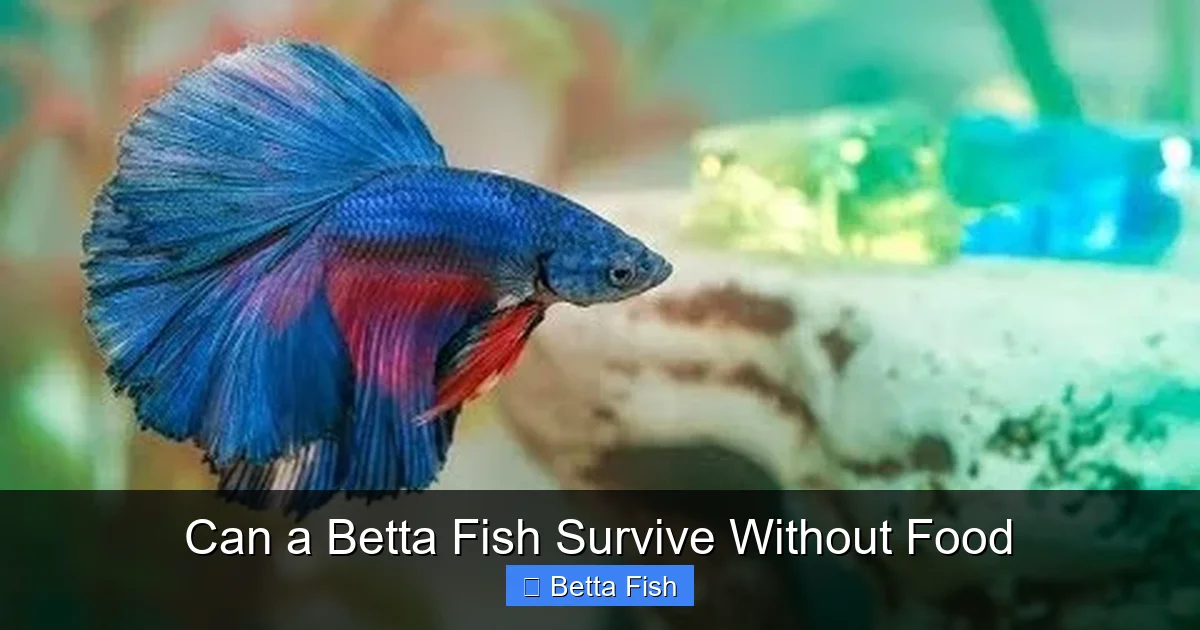
Visual guide about Can a Betta Fish Survive Without Food
Image source: i.ytimg.com
Medium‑term fasting: 3–5 days
After 48‑72 hours, you’ll start to see subtle changes. Colors may look a little dull, and the fish might swim slower. This is the point where you should check water parameters—poor water quality can make a short fast turn deadly quickly.
Long‑term fasting: 7–10 days
Most experts agree that a healthy adult betta can survive up to about a week without food, but after 7 days the risk of organ failure, severe weight loss, and immune suppression rises dramatically. A study referenced in How Long Can A Betta Fish Survive Without Food found that most bettas show irreversible damage after ten days of starvation.
Extreme cases: beyond 10 days
There are rare anecdotal reports of bettas surviving 2‑3 weeks without food, but these are exceptions, not the rule. In such cases the fish is usually extremely weak, its fins may rot, and recovery is unlikely even if you re‑feed.
Signs Your Betta Is Hungry or Starving
Behavioral clues
- Less swimming: A hungry betta often stays near the bottom, conserving energy.
- Loss of interest in food: Ironically, a starving fish may stop responding to food because its digestive system is shut down.
- Increased hiding: Stress makes them seek cover more often.
Physical clues
- Faded coloration: Bright blues and reds become pastel.
- Weight loss: You can feel a slight indentation along the belly.
- Clamped fins: Fins held tightly against the body signal poor health.
Best Feeding Practices to Prevent Starvation
Choose the right food
High‑quality betta pellets are formulated for their carnivorous diet. You can also supplement with frozen or live foods like brine shrimp for variety. Avoid feeding goldfish flakes; they lack the protein bettas need (Can A Betta Fish Eat Goldfish Food).
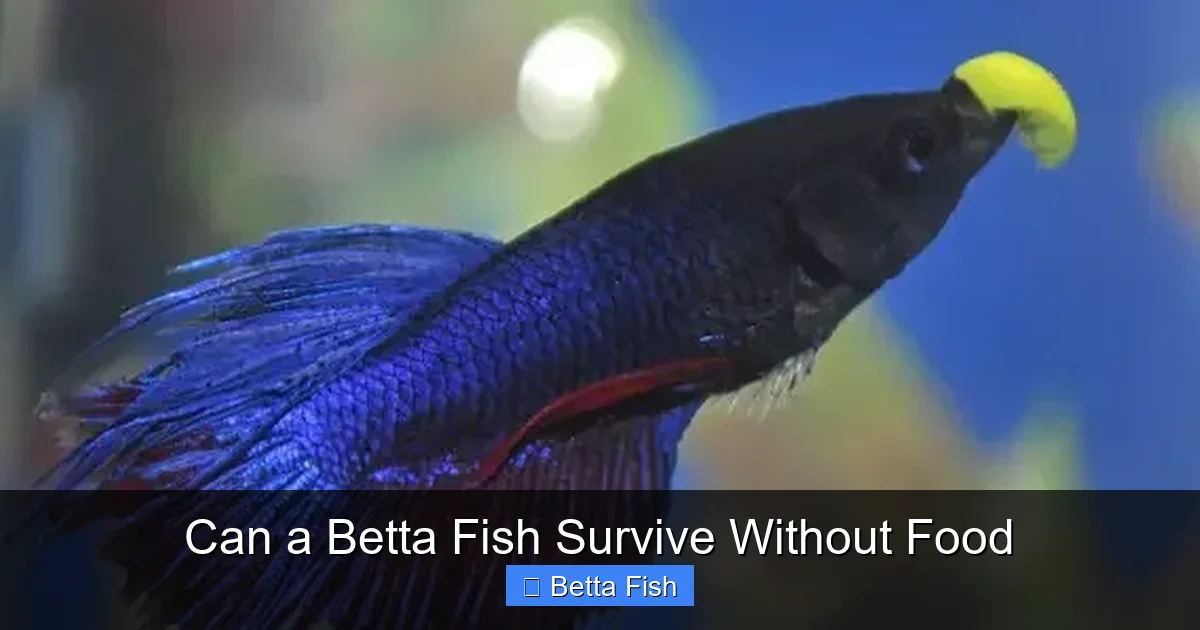
Visual guide about Can a Betta Fish Survive Without Food
Image source: helpusfish.com
Feeding schedule
- Twice a day: Offer a pinch of pellets in the morning and evening.
- Small portions: Betta mouths are tiny; they should eat everything within 2‑3 minutes.
- Fast once a week: A 24‑hour fast can help clear the gut, but never exceed 48 hours without food.
Backup plans
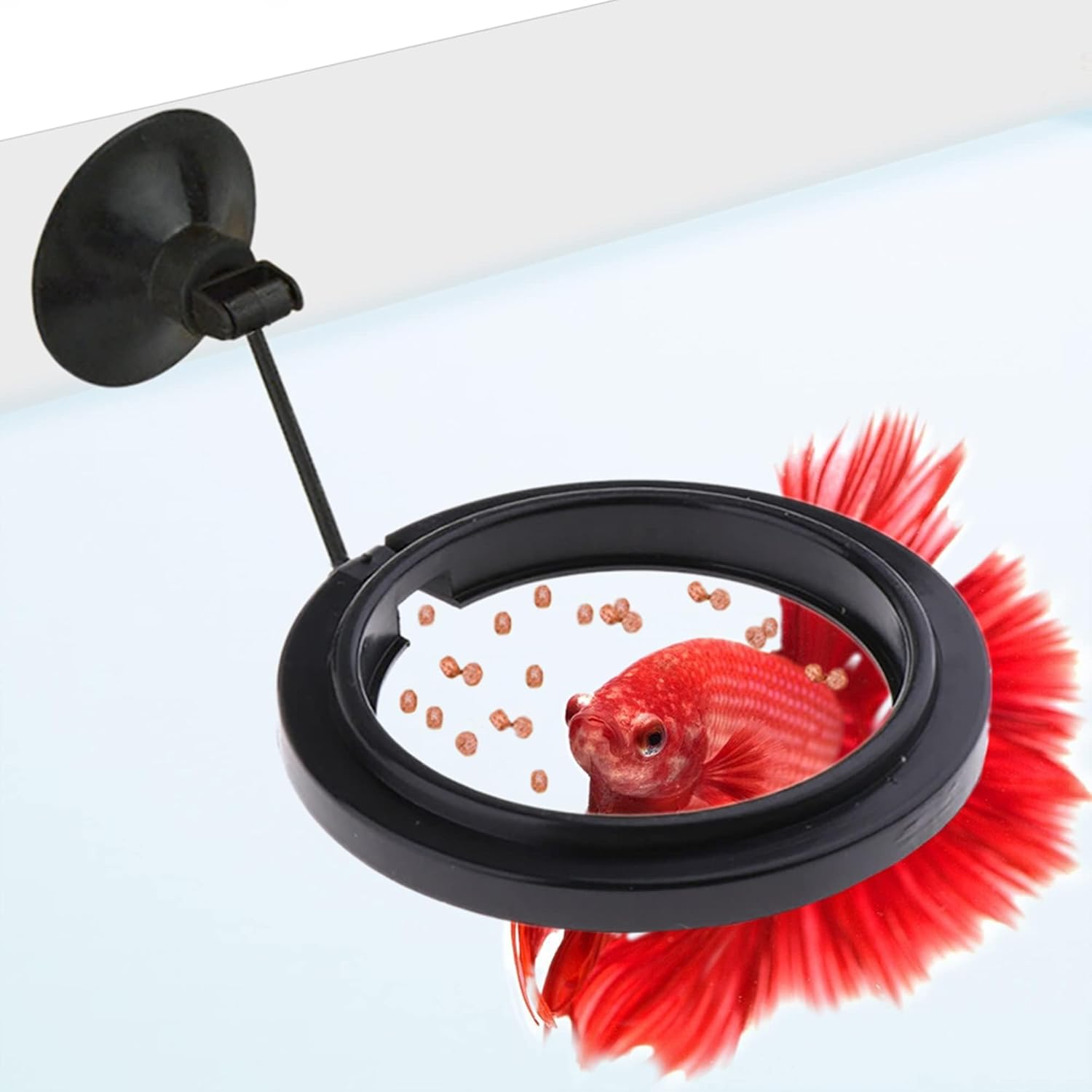
If you travel, consider a battery‑operated automatic feeder set to release a small amount twice a day. Alternatively, ask a neighbor or friend to feed your betta using the “pinch method” (one pinch per feeding).
Water Quality: The Unsung Hero
Why clean water matters
When a betta isn’t eating, waste builds up faster than it can be broken down. Ammonia spikes stress the fish even more, accelerating the negative effects of starvation. Keep temperature stable (78‑80°F) and perform 25‑30% water changes every 2‑3 days during a fast.
Testing and maintenance
- Ammonia: Should be 0 ppm.
- Nitrite: Also 0 ppm.
- Nitrate: Below 20 ppm is ideal.
- pH: Stay between 6.5‑7.5.
When to Seek Professional Help
Red flags that need a vet
If your betta shows any of the following, contact a fish‑health specialist immediately:
- Rapid weight loss (>10% body mass in a week)
- Fins rotting or developing white spots
- Consistent refusal to eat for more than 48 hours despite offering various foods
- Severe color fading or a “milky” eye appearance
What a vet can do
Veterinarians can provide a specialized diet, treat secondary infections, and advise on water treatment. Early intervention dramatically improves the chance of recovery.
Conclusion: Balancing Care and Reality
So, can a betta fish survive without food? Yes, but only for a limited time. One or two missed meals are usually harmless, yet a week without nutrition can be fatal. By feeding small, frequent meals, maintaining pristine water, and having a backup feeding plan, you give your betta the best odds for a long, colorful life. Remember, the goal isn’t to test your fish’s endurance—it’s to enjoy its vibrant personality for years to come.
Frequently Asked Questions
Can a betta fish go a day without food?
Yes. Skipping a single day is generally safe, but you should resume feeding the next day to keep energy levels steady.
How many days can a betta fish go without food?
Most healthy bettas can survive up to 7‑10 days without food, after which serious health problems arise.
What are the signs of a starving betta?
Look for faded colors, clamped fins, lethargy, and a noticeable shrinkage of the belly.
Is it okay to fast my betta fish?
A short 24‑hour fast once a week can help clear the digestive tract, but longer fasts are risky and should only be done under veterinary advice.
What should I feed a betta that hasn’t eaten in a few days?
Offer high‑quality betta pellets or frozen brine shrimp in very small amounts. If it still refuses, try a different food type or consult a vet.
Can poor water quality affect a betta’s appetite?
Absolutely. High ammonia or nitrate levels stress the fish and often cause loss of appetite, making starvation faster.