Betta fish can live in tap water—but only after proper treatment. Untreated tap water often contains chlorine, chloramine, and harmful minerals that can stress or kill a betta. Follow simple steps to condition, test, and maintain the water for a happy, long‑lived fish.
Key Takeaways
- Treat before use: Always use a water conditioner to neutralize chlorine, chloramine, and heavy metals.
- Check temperature: Betta fish thrive in 76‑82°F (24‑28°C) water; use a heater if needed.
- Test pH and hardness: Aim for pH 6.5‑7.5 and moderate hardness; adjust with buffers if necessary.
- Change water regularly: 20‑30% weekly water changes keep ammonia and nitrite low.
- Use a proper tank: A minimum of 2.5 gallons with a gentle filter or sponge is ideal.
- Observe your betta: Cloudy eyes, gasping, or lethargy signal water‑quality problems.
- Seek reliable sources: Refer to trusted guides like “Can Betta Fish Live In Tap Water” for detailed steps.
📑 Table of Contents
- Introduction: Why Tap Water Raises Questions
- 1. What’s Really in Your Tap Water?
- 2. Preparing Tap Water for Your Betta
- 3. Setting Up the Perfect Betta Habitat
- 4. Maintaining Water Quality Over Time
- 5. Signs Your Betta Is Unhappy With the Water
- 6. Frequently Overlooked Tips
- Conclusion: Safe Tap Water Is Within Reach
Introduction: Why Tap Water Raises Questions
When you first bring home a bright, flowing‑fin betta, the excitement can make you grab the nearest water source—usually the kitchen tap. It seems simple: fill a bowl, add a fish, and watch the colors dance. Yet many beginners wonder, “Can a betta fish survive in tap water?” The short answer is yes, but only if you treat the water correctly.
Tap water is convenient, but it often contains chlorine, chloramine, and minerals that are harmless to us but can be lethal to a delicate betta. In this guide we’ll break down exactly what’s in your tap, how to make it safe, and the daily habits that keep your fish thriving. Think of it as a friendly chat over a cup of coffee—no jargon, just clear steps you can follow today.
1. What’s Really in Your Tap Water?
Chlorine vs. Chloramine
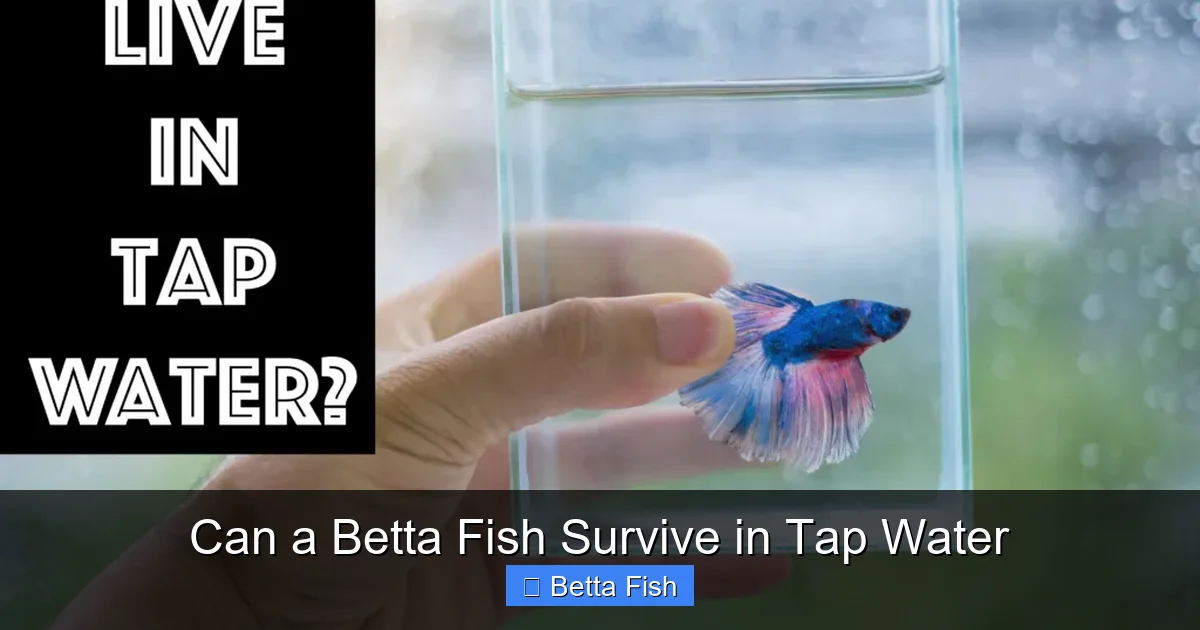
Most municipal water systems add chlorine to kill bacteria. Some also use chloramine (a chlorine‑ammonia combo) because it lasts longer in the pipes. Both are toxic to fish: chlorine can damage gill tissue, while chloramine can cause oxygen deprivation.
Visual guide about Can a Betta Fish Survive in Tap Water
Image source: fishtanksetups.com
Hardness and pH
Tap water varies by region. In some cities it’s “hard” (high calcium and magnesium), while elsewhere it’s “soft.” Betta fish prefer a neutral to slightly acidic pH (6.5‑7.5) and moderate hardness (50‑150 ppm). Extreme hardness or alkalinity can stress the fish and make the slime coat less effective.
Heavy Metals and Other Contaminants
Lead, copper, and zinc may leach from old pipes. Even tiny amounts can impair a betta’s immune system. A good water conditioner will bind these metals, preventing absorption.
2. Preparing Tap Water for Your Betta
Step‑by‑Step Water Conditioning
- Fill a clean bucket with tap water. Use a bucket that has never held chemicals.
- Measure temperature. Aim for 78°F (25.5°C). Adjust with a heater or let the water sit to reach room temperature.
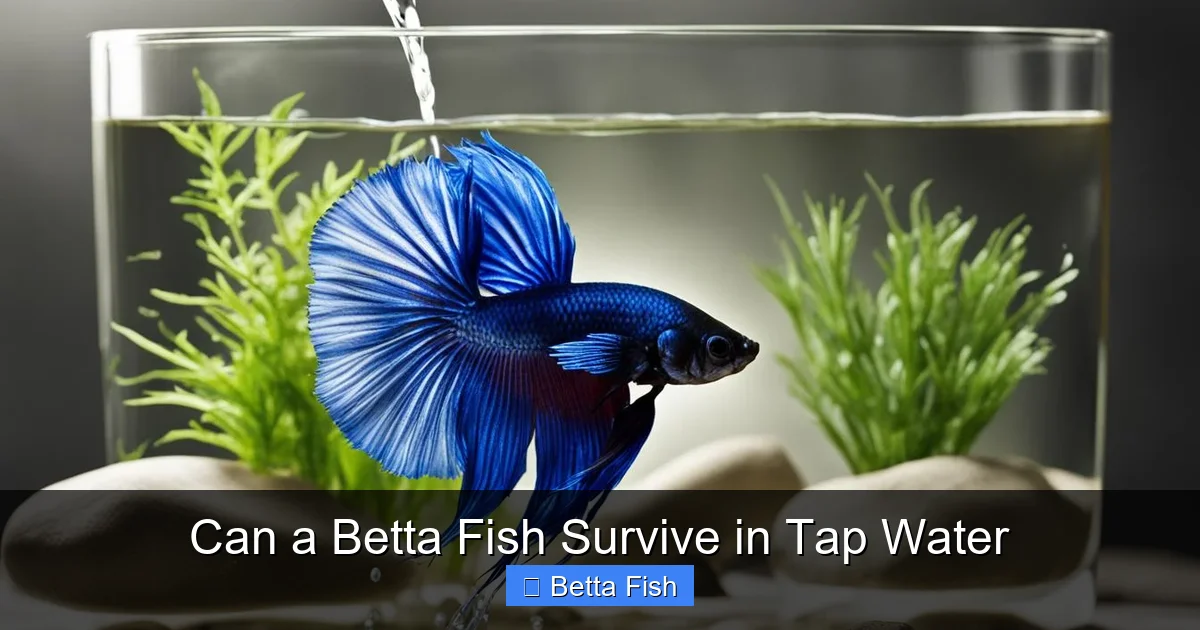
- Add a water conditioner. Follow the product label—most treat 1 gallon with 1‑2 drops. This neutralizes chlorine, chloramine, and heavy metals.
- Test pH and hardness. A simple test kit costs a few dollars. If pH is above 7.5, add a small amount of pH‑down solution; if it’s below 6.5, a pinch of crushed coral can raise it.
- Let the water sit for 5‑10 minutes. This allows the conditioner to work fully.
- Transfer to the tank. Slowly pour to avoid disturbing any substrate.
Following these steps each time you refill ensures the water is always safe. If you’re ever unsure, remember the article Can Betta Fish Live In Tap Water for a quick reference.
Visual guide about Can a Betta Fish Survive in Tap Water
Image source: bettafishworld.com
When to Use Distilled or Bottled Water
In rare cases where tap water is extremely hard or contaminated, distilled or bottled water can be mixed with conditioned tap water (50/50) to achieve a balanced environment. However, this is a backup plan—not the everyday solution.
3. Setting Up the Perfect Betta Habitat
Tank Size and Shape
Even though bettas can survive in small bowls, a 2.5‑gallon tank with a lid is the healthiest choice. More water means more stable temperature and easier waste dilution.
Visual guide about Can a Betta Fish Survive in Tap Water
Image source: fishtanksetups.com
Filtration and Aeration
A gentle sponge filter works wonders. It removes toxins without creating a strong current that bettas dislike. If you prefer a hang‑on‑back filter, set it on the lowest flow setting.
Heating
Betta fish are tropical; they need consistent warmth. A submersible heater with an adjustable thermostat keeps the water steady at 78°F. Use a thermometer to double‑check.
Decor and Hiding Places
Live plants, silk leaves, and smooth rocks give your betta places to explore and rest. Avoid sharp ornaments that can tear their delicate fins.
4. Maintaining Water Quality Over Time
Weekly Water Changes
Replace 20‑30% of the tank water every week. Use the same conditioning steps as above. This removes accumulated ammonia and nitrite, which are invisible but deadly.
Testing for Ammonia, Nitrite, and Nitrate
Even with a filter, waste builds up. Test kits let you track the nitrogen cycle. Safe levels are: ammonia 0 ppm, nitrite 0 ppm, nitrate < 20 ppm.
Cleaning the Tank
- Scrape algae from glass gently.
- Rinse filter media in used tank water (not tap) to preserve beneficial bacteria.
- Vacuum the substrate once a month to remove uneaten food.
For a detailed guide on water changes, see How To Change The Water In A Betta Fish Tank.
5. Signs Your Betta Is Unhappy With the Water
Physical Indicators
- Clamped fins: Fins held close to the body suggest stress.
- Gasping at the surface: Low oxygen or poor water quality.
- Cloudy eyes or white spots: Possible infection from bad water.
Behavioral Clues
- Loss of color intensity.
- Reduced activity or hiding constantly.
- Refusal to eat for more than two days.
If you notice any of these, test the water immediately and perform a partial change.
6. Frequently Overlooked Tips
Don’t Use Soap or Detergent
Even a tiny residue can poison your betta. Rinse all equipment with plain water only.
Avoid Tap Water Directly From the Faucet
Cold water from the tap can shock a betta. Let it sit in a bucket for a few minutes to reach room temperature before adding conditioner.
Use a Cover
Betas are jumpers. A tight‑fitting lid prevents accidental escapes and keeps dust out.
Conclusion: Safe Tap Water Is Within Reach
Yes, a betta fish can survive—and truly thrive—in tap water, provided you treat and monitor it properly. The process is simple: condition, test, and maintain. By giving your betta a stable temperature, clean water, and a comfortable environment, you’ll enjoy its brilliant colors and graceful dances for years to come. Remember, the health of your fish reflects the quality of the water you give it. Take a few extra minutes each week, and your betta will reward you with endless beauty.
Frequently Asked Questions
Can a betta fish live in untreated tap water?
No. Untreated tap water contains chlorine or chloramine that can damage a betta’s gills and cause death within minutes.
How often should I change the water in a betta tank?
Replace 20‑30% of the water weekly. This keeps ammonia and nitrite levels low and maintains stable parameters.
Do I need a filter if I use tap water?
A gentle filter is recommended to remove waste and keep the water clear, but it must be set on low flow to avoid stressing the betta.
What temperature is ideal for betta fish?
Betta fish thrive at 76‑82°F (24‑28°C). Use a reliable aquarium heater and thermometer to maintain this range.
Can I use bottled water instead of tap water?
Bottled water can be used in a pinch, but it often lacks essential minerals. Conditioning tap water is usually easier and more economical.
How do I know if the water is safe for my betta?
After adding a water conditioner, test the water for chlorine, pH, and hardness. If the parameters fall within the recommended range, the water is safe.

