Why Is My Betta Fish’s Head Turning Black
Seeing a black spot on your betta’s head can be scary, but it’s often a sign of an underlying issue you can fix. This guide explains the common reasons, from water problems to disease, and gives you clear, easy‑to‑follow steps to restore your fish’s health.
Key Takeaways
- Water quality matters: Poor parameters are the top trigger for blackening.
- Infections are common: Bacterial, fungal, and parasitic diseases can darken the head.
- Stress accelerates problems: Overcrowding, aggressive tank mates, and improper diet weaken immunity.
- Early detection saves lives: Spotting the change early lets you act before it spreads.
- Treatment is often simple: Proper water changes, medication, and diet adjustments usually resolve the issue.
- Preventive care is key: Regular testing and a clean environment keep black spots at bay.
- Know when to seek help: If symptoms worsen, consult a vet or experienced hobbyist.
📑 Table of Contents
- Introduction: When Your Betta’s Head Turns Black
- 1. Water Quality – The Silent Culprit
- 2. Bacterial and Fungal Infections
- 3. Parasitic Problems – Ich, Velvet, and More
- 4. Stress‑Induced Melanosis
- 5. Nutritional Deficiencies
- 6. When to Seek Professional Help
- Putting It All Together: A Step‑by‑Step Action Plan
- Related Topics You Might Find Helpful
- Conclusion: Keep an Eye on That Head
Introduction: When Your Betta’s Head Turns Black
Betta fish are famous for their bright colors and flowing fins, so a darkening head can feel like a red flag. Most owners notice the change first when they’re feeding or cleaning the tank. The good news? In many cases the blackening is a symptom of something you can correct with a few simple steps.
In this article we’ll walk through the most common reasons a betta’s head turns black, how to spot accompanying warning signs, and what you can do right now to help your fish feel better. By the end, you’ll have a handy checklist you can refer to whenever you see that unsettling shade appear.
1. Water Quality – The Silent Culprit
Why Poor Water Leads to Dark Spots
Betta fish are sensitive to ammonia, nitrite, and nitrate spikes. When waste builds up, the fish’s skin reacts by producing excess melanin, which appears as a black patch on the head. This is the body’s way of protecting delicate tissue from irritants.

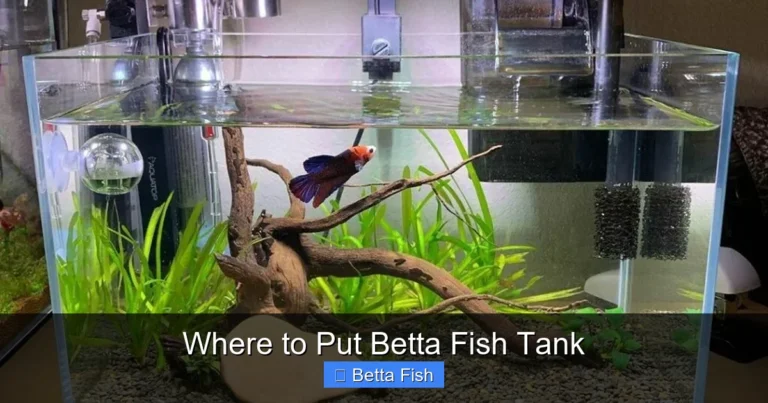
Visual guide about Why Is My Betta Fish’s Head Turning Black
Image source: i.pinimg.com
How to Test and Fix Your Water
- Test weekly: Use a reliable test kit to check ammonia, nitrite, nitrate, and pH.
- Partial water changes: Replace 25‑30% of the tank water every 2‑3 days if parameters are off.
- Upgrade filtration: A sponge filter or hang‑on‑back filter with mechanical and biological media keeps waste low.
- Condition the water: Add a dechlorinator to remove chlorine and chloramines.
Keeping the water stable not only stops the blackening but also prevents future infections.
2. Bacterial and Fungal Infections
Spotting an Infection
Infections often start as a small, discolored patch that spreads outward. Look for these clues:

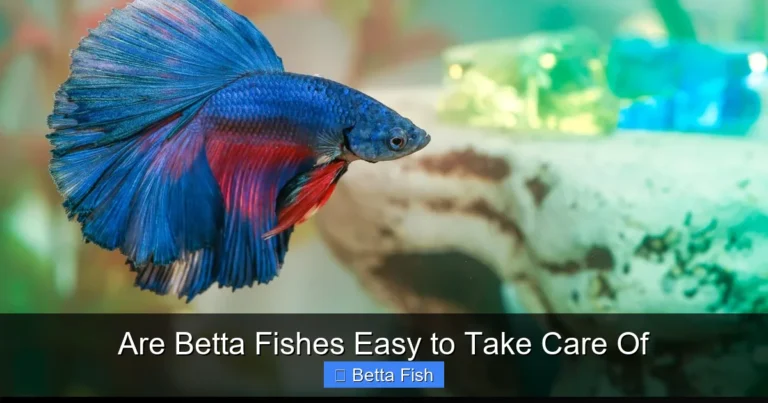
Visual guide about Why Is My Betta Fish’s Head Turning Black
Image source: c8.alamy.com
- Raised or ulcerated skin.
- White or cotton‑like growths around the black area.
- Loss of appetite or lethargy.
If you notice any of these, it’s time to treat.
Treatment Options
For bacterial infections, a broad‑spectrum antibiotic such as Maracyn or Kanaplex added to a hospital tank works well. Fungal issues respond to antifungal dips like Melafix or a medicated bath with copper sulfate (follow dosage carefully).
Always quarantine the affected betta in a separate, clean tank to avoid spreading the pathogen to tank mates.
3. Parasitic Problems – Ich, Velvet, and More
Parasites That Darken the Head
Parasites such as Ichthyophthirius multifiliis (Ich) or velvet (Piscinoodinium) can cause localized melanosis—the fish’s skin turns dark where the parasite attaches.

Visual guide about Why Is My Betta Fish’s Head Turning Black
Image source: img1.hscicdn.com
Effective Parasite Control
- Raise temperature: Slowly increase tank temperature to 28‑30 °C (82‑86 °F) to speed up the parasite’s life cycle.
- Medication: Use copper‑based treatments for velvet or malachite green for Ich, following the product’s instructions.
- Clean the environment: Vacuum substrate and clean decorations to remove cysts.
Parasitic infections can be aggressive, so start treatment as soon as you see the first black spot.
4. Stress‑Induced Melanosis
How Stress Changes Color
Betta fish experience stress from sudden temperature changes, aggressive tank mates, or a cramped space. Chronic stress triggers melanin production, especially on the head and near the operculum (gill cover).
Reducing Stress in Your Betta’s Home
- Provide space: A 5‑gal tank is ideal for a single male betta.
- Limit reflections: Cover the top of the tank or use a background to prevent the fish from seeing its own reflection, which can cause aggression.
- Stable temperature: Keep water between 76‑80 °F (24‑27 °C) and avoid rapid changes.
- Gentle lighting: Use dimmable LED lights on a 12‑hour cycle.
When stress is removed, the darkened area often fades over a few weeks.
5. Nutritional Deficiencies
What a Poor Diet Does to Skin
Betta fish need high‑protein, live or frozen foods to maintain healthy skin. A diet heavy on low‑quality flakes can lead to pigment loss and dark patches.
Feeding Tips for a Vibrant Head
- Live or frozen foods: Offer brine shrimp, bloodworms, or daphnia 2‑3 times a week.
- High‑quality pellets: Choose a betta‑specific pellet with 40‑50% protein.
- Supplement with vitamins: A pinch of liquid vitamin B complex can boost immunity.
Improved nutrition supports skin regeneration and can lighten existing black spots.
6. When to Seek Professional Help
Red Flags That Need a Vet or Expert
If you’ve tried water changes, medication, and diet adjustments but the blackening spreads, consider these warning signs:
- Rapid loss of color across the body.
- Open sores or fin rot.
- Persistent loss of appetite for more than 48 hours.
At this point, a veterinary fish specialist can run a microscopic exam and prescribe targeted medication.
Putting It All Together: A Step‑by‑Step Action Plan
- Test water: Check ammonia, nitrite, nitrate, and pH.
- Perform a 30% water change: Use conditioned water at the same temperature.
- Inspect the head: Look for ulcers, white growths, or parasites.
- Start appropriate treatment: Antibiotic for bacteria, antifungal for fungus, or copper for parasites.
- Quarantine if needed: Move the betta to a hospital tank.
- Adjust diet: Add live or frozen foods and a vitamin supplement.
- Reduce stress: Ensure proper tank size, stable temperature, and minimal reflections.
- Monitor daily: Re‑test water after each change and watch for improvement.
Follow this checklist and you’ll give your betta the best chance to recover.
Related Topics You Might Find Helpful
Understanding other color changes can help you diagnose problems faster. For example, learn why Betta fish scales turn black, or explore what it means when a betta turns white. These articles dive deeper into pigment issues that often accompany head melanosis.
Conclusion: Keep an Eye on That Head
Seeing a black spot on your betta’s head is unsettling, but it’s usually a sign that something in the environment or the fish’s health needs attention. By testing water, treating infections promptly, reducing stress, and feeding a balanced diet, you can often reverse the discoloration and keep your betta thriving. Remember, early detection is your strongest ally—regular tank checks and a quick response will keep those beautiful fins flashing for years to come.
Frequently Asked Questions
Why is my betta’s head turning black suddenly?
Sudden blackening is often caused by a spike in ammonia or nitrite, or the start of a bacterial or fungal infection. Check water parameters first.
Can poor diet cause a black head?
Yes. Low‑protein or low‑vitamin foods can weaken skin health, leading to melanosis. Adding live or frozen foods and a vitamin supplement helps.
Is a black spot always a sign of disease?
Not always. Stress and water quality issues can cause temporary darkening without infection. However, any accompanying sores or loss of appetite should be treated as a possible disease.
How long does it take for the black area to fade?
With proper water changes, treatment, and nutrition, most bettas show improvement within 7‑10 days. Full fading may take a few weeks.
Should I isolate my betta if I see a black head?
Isolation is recommended if you suspect an infection. A separate hospital tank prevents spreading bacteria or parasites to other fish.
What other color changes should I watch for?
Watch for white patches, loss of overall color, or red streaks. These can indicate different issues like fungal growth or parasites. See our articles on why bettas turn white for more details.